Best American Made Charcoal Grills of 2026: Complete Buying Guide
Disclosure: We may earn a commission when you buy through links on this page, at no extra cost to you. As an Amazon Associate I earn from qualifying purchases. Learn more
Compare the best american made charcoal grills by cooking area, steel, vents and ash cleanup, with price bands and a check for any maker origin claim.
Shopping for a charcoal grill sounds simple until the origin claims start. Some grills are built in the United States, some are only assembled there, and some carry a flag on the box while most parts come from elsewhere. This guide walks you through the best american made charcoal grills by starting with how to read those claims, then covers size, steel, vents and cleanup. The comparison table below lines up the main options.
Charcoal cooking rewards patience, and a well built grill makes the learning curve shorter. By the end you will know which price band fits your yard and which details decide whether a grill lasts three seasons or fifteen.




Three Price Bands and Who Each One Fits
Price on a charcoal grill mostly buys steel thickness, grate material and working space. The bands below describe classes of grill rather than specific products, so you can match budget to build.
About $100 to $250: Compact Kettles and Small Cart Grills
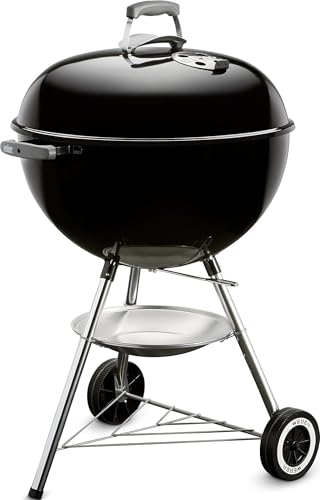
This band covers basic kettle grills and small cart styles with thin enamel coated steel and plated cooking grates. Expect cooking areas around 350 to 450 square inches, simple ash pans and one or two vents. They suit small patios and households of two to four. The trade off is longevity, because thin steel shows rust first at the legs and ash pan.
About $250 to $600: Full Size Kettles and Offset Styles
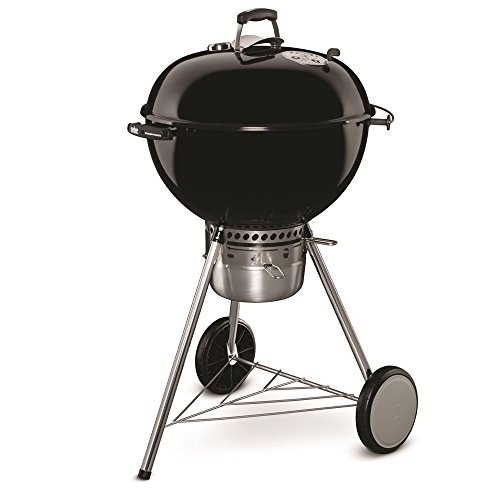
The middle band buys thicker bowls, hinged grates that let you add charcoal mid cook, and better ash systems that sweep into a removable catcher. Cooking area grows to about 450 to 650 square inches, and cast iron grate options appear. Most home cooks should target this band, because the quality jump is large for the money.
About $600 to $1,500 and Up: Heavy Steel and Kamado Style Grills
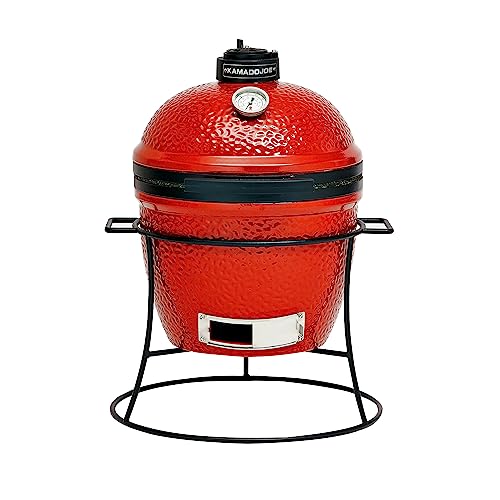
Premium money buys heavy gauge steel or ceramic bodies, gasket sealed lids and precise vent hardware. These grills hold low temperatures for hours and reach very high heat for searing. They are heavy, often well over 150 pounds, and reward cooks who grill year round. If you cook twice a month in summer only, this band is more grill than you need.
How to Choose: A Complete Buying Guide
Start with the fire itself. A charcoal grill is a live fire appliance, which means you manage burning fuel rather than dialing a burner, and every session includes lighting, temperature drift and a pile of ash at the end. Ash handling is part of every cook, so the ash system deserves as much attention as the grate.
Choosing among the best american made charcoal grills gets easier once you accept that fire management is the product, and the metal around it is what you are really comparing. Our guide to best charcoal barbecue grills covers the wider category.
Checking the Origin Claim Before Anything Else
An origin claim is only worth what the maker puts in writing. Read the maker statement on the product page and packaging, because phrases like designed in the USA or built with global parts describe very different things from a grill manufactured in an American factory. When a maker states plainly where the grill is welded and assembled, that statement is the origin evidence, and anything vaguer is unproven.
Beyond the label, steel gauge and weld quality govern how long the grill lives, and domestic makers often publish both more openly. For the wider picture, see our overview of best american made grills.
Vents and Temperature Control
Vents are your thermostat on a charcoal grill. Intake vents below the coals feed the fire oxygen, and the exhaust vent in the lid lets heat and smoke escape, so small vent changes move the temperature more than most beginners expect. Look for vents that adjust in fine steps and stay where you set them, because a loose damper that drifts open pushes a low fire past its target.
A lid thermometer helps, but treat it as a rough guide since it reads air near the lid rather than at the grate. Good vent control holds about 225 to 250 degrees Fahrenheit for smoking and still opens up for searing.
Cooking Area and Grate Material
Match cooking area to your largest regular cook, not your biggest party of the year. A 22 inch round kettle gives about 363 square inches, enough for burgers for six to eight people in one batch. Rectangular cart grills in the 500 to 800 square inch range suit bigger families who want a hot zone and a cooler zone side by side. For grate material, cast iron holds heat well but needs rust care, while porcelain coated steel asks for less upkeep.
Ash Systems and Cleanup
Ash left sitting in a bowl absorbs moisture from the air and turns corrosive, so an easy ash system protects the grill itself. Simple designs use a shallow pan you lift out, while better systems sweep ash through slots into a closed catcher you empty in seconds. Whatever the design, let ash cool fully before disposal, keep it in a metal container with a lid, and never park a hot grill against a wall.
Fuel Cost and Charcoal Types
Briquettes burn evenly and predictably, which makes them the easier choice for long cooks and beginners learning vent control. Lump charcoal burns hotter with less ash and responds faster when you open the vents, but piece sizes vary by bag. A typical cook uses about one chimney of charcoal, roughly $3 to $6 per session.
Assembly and Warranty
Most charcoal grills arrive in a box and take about one to two hours to assemble with basic tools. Legs, wheels and vent fit are worth checking as you build, because a wobbly frame or a crooked lid will annoy you for years. Warranty length tells you how the maker rates its own steel: short coverage suggests thin metal, while longer coverage against rust through signals heavier construction.
Charcoal Compared With Other Grill Types
Charcoal is not the right answer for everyone. The comparisons below, alongside our look at best american made bbq grills, sum up when another fuel makes more sense.
Portable Grills
Small portable grills trade cooking area and temperature control for a size you can carry to a park or campsite. If most of your cooking happens at home, a portable will feel cramped within a season, so treat it as a second grill rather than your only one.
Gas Grills
Gas lights in seconds, holds a set temperature with a knob and asks for almost no cleanup. What it gives up is the deep smoke flavor and high searing heat that charcoal delivers. Readers who prefer convenience can compare best american made gas grills before deciding.
Pellet Grills and Smokers
Pellet units feed wood pellets automatically and hold low temperatures with little attention, which makes them forgiving for long smokes. They need electricity, cost more and give a milder smoke flavor than a charcoal fire managed by hand. If that style appeals to you, our guide to best american made pellet grills explains the category.
Electric and Indoor Grills
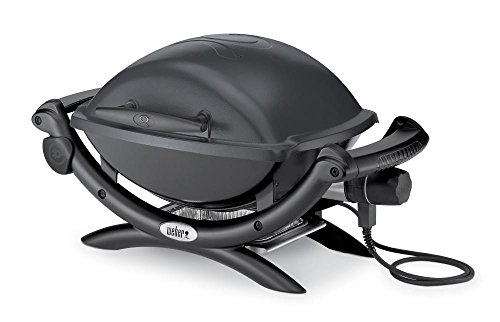
Electric grills work where live fire is banned, such as many apartment balconies. They cannot match charcoal heat or flavor, and most cook a small batch at a time. Treat them as a compromise rather than a true substitute.
How to Make Your Charcoal Grill Last Longer
- Preheat the grill for about 10 to 15 minutes before cooking so grates burn off residue and release food more easily.
- Brush the grates while still warm after cooking, because cold grease hardens into a much harder job.
- Empty ash once it has cooled fully, since stored ash pulls in moisture and speeds up rust inside the bowl.
- Cover the grill between cooks and store it under shelter, because standing water in the ash pan rusts out the bottom fastest.
- Oil cast iron grates lightly after cleaning to maintain their seasoning and hold back rust.
- Check wheels, leg bolts and vent movement once a season and fix small problems early.
Your Questions Answered
Can a charcoal grill be used on an apartment balcony?
Often it cannot, because many leases, building rules and local fire codes ban live fire grills on balconies and within a set distance of the building. Check your lease and local rules before you buy, not after. Where charcoal is banned, some buildings allow electric grills only. If yours allows one, keep it away from railings and siding and never leave it unattended.
How often should a charcoal grill be cleaned?
Remove ash after every two or three cooks, and sooner in humid weather. Ash pulls moisture from the air and holds it against the steel, which is the main reason bowls rust out from the inside. Grates need a brush after every cook while warm. Once or twice a year, scrape the bowl and lid to remove flaking buildup.
What gives charcoal grilled food a stronger smoke flavor?
Adding a few dry hardwood chunks on top of the lit coals gives the strongest smoke flavor boost. Fruit woods taste mild and sweet, while oak and hickory taste stronger and suit red meat better. Soak nothing: dry wood lights cleanly, while soaked wood steams and delays smoke. Add chunks at the start, while the meat surface is still cool and moist.
How big a charcoal grill does a family of five need?
A cooking area of about 400 to 500 square inches handles a family of five comfortably. As a rough count, that space fits about 18 to 24 standard burgers at once, or a whole spatchcocked chicken with vegetables around it. If you regularly cook two courses at once, step up toward 600 square inches or plan a second batch.
How long should a well built charcoal grill last?
A well built charcoal grill with heavy steel and a sound enamel finish commonly lasts about 10 to 15 years of regular use. The parts that wear first are the cooking grate, the charcoal grate and the ash catcher, and on good grills those are replaceable rather than fatal. Thin budget steel may rust through in about three to five years, especially if ash is left sitting in the bowl.
The Bottom Line
Pick the band that matches how often you cook, verify the origin claim from the maker statement rather than the box art, and favor vent control and steel thickness over extra gadgets. The product table above lets you compare cooking area and build at a glance. Choose carefully among the best american made charcoal grills and you will have a grill that serves you well for a decade or more.