Best Apartment Patio Grills for 2026: A Practical Buying Guide
Disclosure: We may earn a commission when you buy through links on this page, at no extra cost to you. As an Amazon Associate I earn from qualifying purchases. Learn more
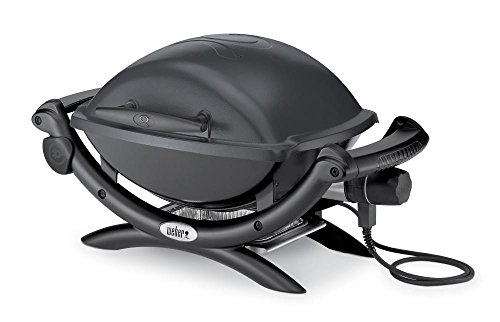
Compare apartment patio grills for tight outdoor spaces, with clear guidance on lease rules, fuel types, cooking area, heat control, cleanup and price.
Renting does not have to end outdoor cooking, but it does narrow your choices before price enters the picture. The best apartment patio grills are the ones your lease allows, your patio can hold safely, and your neighbors can live with. Start with the rules, then use the comparison table below to match fuel, footprint and cooking area to your meals.
A compact grill for two people who cook burgers weekly solves a different problem from a larger model built for meal prep and guests. This guide puts fuel limits, smoke, storage and cleanup first, because those details decide whether a grill gets used or sits covered all season.
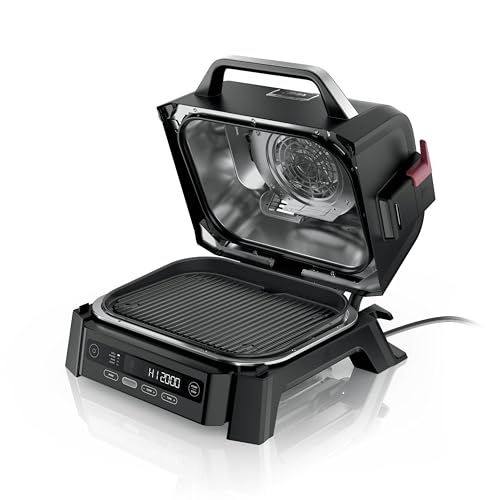


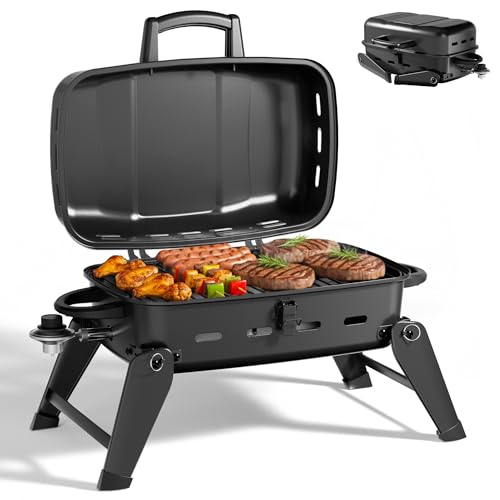


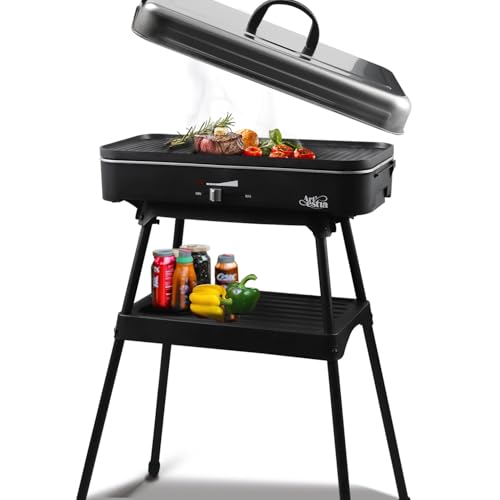
Who Should Buy an Apartment Patio Grill?
Your building rules and patio shape matter more here than raw power. Match the grill to the limit you cannot change.
Renters Limited to Electric Power
You live where open flame is banned, or where the lease allows only electric cooking outdoors. Choose a lidded electric grill with a removable grease tray and a stable base. If your patio bans grilling entirely, see our guide to the best indoor grills for apartments for cooking inside instead.
Small Patio Cooks Who Host Two to Four People
You cook for a partner or a few friends and need room for burgers, vegetables and buns at once. Choose a cooking area of about 250 to 350 square inches, a lid that closes over thick food, and side shelves that fold down. That size feeds a small group without taking the whole patio.
Balcony Cooks Who Need Low Smoke and Quick Storage
You grill close to open windows and shared walls, and you may need to move the grill after each meal. Choose a fuel that makes little smoke, a tight fitting lid and a covered grease tray. Look for a light body, folding legs or wheels, and a cover for storage in one corner.
Key Features to Compare
When you compare best apartment patio grills side by side, start with the limits set by your lease and patio, then judge heat and cooking space.
Lease Rules, Fire Codes and Clearance
Read your lease and building rules before you shop, because many rentals ban charcoal, limit tank size, or allow electric models only. Check local fire rules as well, and follow the clearance distances in the grill manual for walls, railings, siding and any roof above the patio. If you smell gas, do not light the grill, move away, and contact building management or emergency services for help.
Fuel Type and Fuel Storage
Electric grills need an outdoor outlet and give the least smoke, but they depend on the circuit staying on. Propane heats fast and suits weeknight cooking, and our guide to the best patio gas grills covers that fuel in depth. Charcoal gives strong smoke flavor yet creates ash and more smoke. Pellet grills need power and dry pellet storage, which can be hard in a small rental.
Footprint, Cooking Area and Working Space
Measure the patio floor, the door the grill must pass through, and the corner where it will live between meals. Compact models offer about 150 to 250 square inches of cooking area, while larger compact models reach about 250 to 350 square inches. Leave room to stand, open the lid and set down a tray, and see our guide to the best grills for small patios for sizing help.
Heat Output, Searing and Temperature Control
For propane models, BTU output only helps when the cooking area is small enough for that heat to stay concentrated. Electric models often list about 1200 to 1800 watts and sear best when you preheat with the lid closed. Cast iron grates hold heat well and leave strong marks. Pellet models may add a PID controller and a meat probe, which help you hold low and slow heat for ribs or a pork shoulder.
Smoke, Grease Management and Cleanup
Smoke comes from fuel and from fat dripping onto hot surfaces, so a covered grease tray and a lid you keep closed will cut what drifts to nearby windows. Look for a tray you can pull out and wash, smooth surfaces you can wipe, and an ash catcher on charcoal models. A grill that cleans up in minutes gets used far more often.
Weight, Assembly and Build Quality
Many apartment size grills weigh about 20 to 50 pounds, and wheels or folding legs matter if you move yours often. Check how long assembly takes and whether small parts arrive sorted. Stainless steel and coated steel resist rust in different ways, but a sound frame, a lid that sits flat and a warranty that covers burners or heating elements matter more than finish alone.
Types of Apartment Patio Grills Compared
Each fuel suits a different building and cooking style. Vertical smokers and kamado grills usually make poor first choices for a rented patio because of their weight, charcoal use and footprint.
Electric Grills for Rule Bound Patios
Electric grills plug in, make little smoke and are the type most often allowed when flame is banned. They suit burgers, chicken, fish and vegetables for one to four people. Their limit is sear strength, so a thick grate and a close fitting lid help greatly.
Compact Propane Grills for Fast Weeknight Cooking
Propane grills light quickly, heat in about 10 to 15 minutes and give you direct control with a dial. Small tank models fit tight patios and store neatly when shelves fold. They suit renters whose rules allow gas and who want fast meals without ash or cord limits.
Charcoal Grills Where Rules Allow Them
Charcoal grills give the strongest smoke flavor and high heat for a good sear, and they cost less to buy than most other types. They also make the most smoke, need time to light and cool, and leave ash to dispose of safely. Choose one only where your lease clearly allows it.
Pellet Grills for Low and Slow Cooking Outdoors
Pellet grills burn wood pellets and can hold a steady low heat for hours, which suits ribs and larger cuts. They need an outlet, dry storage for pellets and more floor space than a compact electric or gas model. Smoke at startup can bother close neighbors.
Choosing a Grill for Your Exact Rental Setup
Grills for Your Exact Apartment Patio
Your patio is one specific space, not patios in general. Judge a grill by the fuel your rules allow, the floor area left after chairs and plants, and the path you walk carrying hot food. If those fit, see our guide to the best grills for apartments for rental focused options.
Common Mistakes to Avoid
Most problems with a patio grill start before the first meal is cooked.
- Buying a grill before reading your lease can leave you with a model you must remove.
- Measuring only the cooking surface and forgetting clearance can leave a grill too close to a wall.
- Choosing charcoal under open windows can fill nearby homes with smoke and draw complaints.
- Storing a propane tank inside your living space can break building rules and create a safety risk.
- Ignoring a full grease tray can cause flare ups and stains that cost you part of your deposit.
- Leaving a grill uncovered on a wet patio can rust grates and shorten the life of burners.
Care and Maintenance for Apartment Patio Grills
Brush the grates while they are still warm after cooking, then let them cool before you wipe them down. Empty the grease tray once it cools, wash it with warm soapy water, and check below the grill for drips that could stain the patio floor. Wipe the lid and outside surfaces so old grease does not attract insects between meals.
Cover the grill once it is cool and dry, and store fuel only where your building allows it. At the start of each season, check gas connections with soapy water and look for bubbles that signal a leak, and do not use the grill until a leak is fixed. Inspect grates, burners and cords for rust or damage.
Apartment Patio Grills: Your Questions Answered
Can I use an apartment patio grill on a balcony?
Yes, you can use an apartment patio grill on a balcony only if your lease, building rules and local fire code allow that fuel on a balcony. Balconies add two concerns a ground floor patio may not have: wind that pushes heat toward railings, and smoke that rises to homes above you. Keep the lid closed, stay with the grill, and place it away from open windows.
How large an apartment patio grill do I need for four people?
For four people, an apartment patio grill with about 250 to 350 square inches of cooking area is usually enough. That space fits about eight burgers or a mix of chicken pieces and vegetables in one batch. If you often cook corn, skewers and buns at the same time, a warming rack adds useful room without a bigger footprint on the floor.
What type of apartment patio grill gives the best flavor?
Charcoal gives the strongest smoke flavor, while pellet grills add a milder wood smoke over long cooks. Propane and electric grills taste cleaner, which suits fish and vegetables that pick up smoke quickly. A small smoker box or a foil pouch of wood chips, used only where rules allow it, can add light smoke to a gas grill without changing fuel.
Is a pellet grill worth it for an apartment patio?
A pellet grill is worth it for an apartment patio if you cook low and slow food often and your rules allow its smoke and power cord. Pellets must stay dry, so you also need indoor storage in a sealed container. If you mainly cook quick burgers and vegetables, a smaller electric or propane grill will cost less, store more easily and heat much faster.
Final Thoughts
Put your lease first, then your floor space, then your fuel, and the short list builds itself. Use the product table to check footprint, fuel type and price.
When the best apartment patio grills are judged by the patio you have, the right choice is the one you can use often, clean quickly and store without a struggle. Pick that grill, and outdoor cooking becomes a normal part of apartment life.