Best and Worst Gas Grills: Our 2026 Checklist and Buyer Guide
Disclosure: We may earn a commission when you buy through links on this page, at no extra cost to you. As an Amazon Associate I earn from qualifying purchases. Learn more

Learn how to spot the best gas grills and avoid the worst ones, with checks for heat, grates, build, fuel use, safety and value before you buy.
A glossy spec sheet can hide a weak grill, while a plain model can cook evenly for years. This checklist separates the best and worst gas grills by heat, build, safety and value, so you can judge any model on facts. Use it beside the comparison table below before you spend.
You will score each grill the same way, looking first at how it cooks, then at how it is built, fueled and maintained. A model that fails on heat control or safety does not earn a pass for a low price.



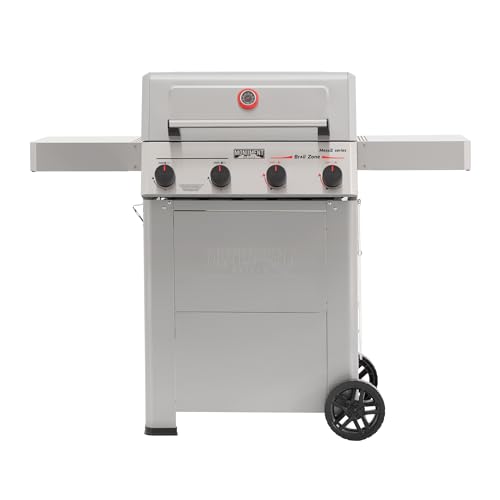
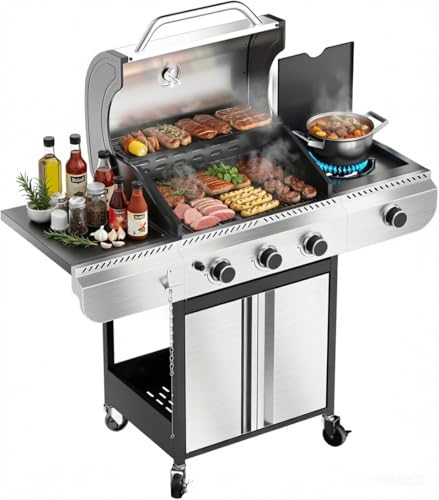

Who Should Buy Which Gas Grill?
Start with how often you grill, how many people you feed and where the grill will live. Those answers point each group below toward a different size, fuel setup and price range.
Families Who Grill Several Times a Week
You need enough primary cooking space for a full meal at once, plus a warming rack for buns and finished food. Choose three or four burners so you can run a hot zone and a cooler zone side by side. Strong grates and burners with a long warranty matter most for you, since wear shows up fast with frequent use.
Small Patio and Balcony Cooks With Limited Space
Measure the footprint with the lid open and the side shelves up, and leave clear space on every side for airflow and movement. A two burner cart or a tabletop model often fits best. Check your lease and local fire rules first, since many buildings limit grill size and balcony use, and never use a gas grill indoors or in a closed garage.
Value Shoppers Who Want a Grill That Lasts
Your risk is a low price that hides thin metal, weak burners and a short warranty. Spend first on the firebox, lid and grates, and skip extra side burners you will rarely use. A simple grill with thick parts usually costs less over five years than a feature loaded model that rusts early.
Key Features to Compare
Score every model on the five factors below, in this order. A grill that cooks unevenly or handles grease poorly will frustrate you daily, no matter how low its price looks.
Heat Output, BTU and Even Heating
Total BTU alone tells you little, so divide it by the primary cooking area to judge heat per square inch. Most sound models land near 80 to 100 BTU per square inch and can sear steaks while holding a lower zone for vegetables. Look for burners spaced close together and heat tents that shield drips. With one burner lit, a good grill can also hold about 225 to 250 degrees for indirect cooking.
Cooking Area, Burner Count and Warming Rack Space
Primary area is the grate space directly over the burners, and it decides how much food cooks at full heat at one time. About 300 to 400 square inches suits most couples, while about 450 to 600 square inches suits families and guests. Warming rack space sits above the main grates and holds buns at gentle heat, so count it separately. More burners add control, but only if each zone can stay distinct.
Grate Material and Firebox Build Quality
Cast iron grates hold heat well and leave strong sear marks, but they need seasoning and prompt drying to limit rust. Stainless steel grates resist rust and clean easily, though thin rods mark food less. Porcelain coated steel sits between the two and fails once the coating chips. Press the lid and firebox with your hand, since thicker metal holds heat steadier, while thin panels flex and cool fast in wind.
Propane, Natural Gas and Fuel Cost
Most cart grills burn propane from a refillable tank, which keeps the grill mobile and suits renters. A natural gas model connects to a home line and never needs a tank swap, but it stays in one place and needs a hookup by a qualified installer. If propane fits your yard, see our guide to the best lp gas grills for tank based options. Fuel cost per cookout is modest for both, so choose by convenience and placement first.
Grease Control, Ignition and Safety Checks
Grease must flow to a removable tray you can reach and empty without tilting the grill, since pooled grease fuels flare ups and grease fires. Reliable ignition lights every burner on the first or second try. Each spring, brush soapy water on the hose and connections and watch for bubbles that signal a leak. If you smell gas with the burners off, close the tank valve and call a qualified professional or your gas supplier before cooking again.
Gas Grill Types Compared: Which Style Fits Your Yard and Budget
This is where the split between the best and worst gas grills becomes practical, because each style below can be built well or built poorly. A compact two burner cart suits small yards and couples, and our guide to the best compact gas grills covers compact models. A three or four burner cart is the most flexible choice for most homes, with room for zone cooking and a side shelf.
Larger five or six burner carts and built in units suit big gatherings, but they cost more to buy, fuel and repair, so the extra area pays off only if you fill it often. Simple cart models at about $300 to $600 often beat larger grills on build per dollar, and our guide to the best inexpensive gas grills explains that price range. Most cart models take about one to two hours to assemble, and burners, grates and igniters should stay available as replacement parts.
A Quick Buyer Checklist Before You Pay
Timing can stretch your budget, since prices often ease late in the season, and our guide to the best time to buy gas grills explains seasonal patterns. Treat a no answer below on heat, build or safety as a reason to walk away.
- Can the grill sear on one side while holding a cooler zone on the other?
- Is the primary cooking area large enough for your biggest regular meal?
- Are the grates thick, and does the lid feel solid when you lift it?
- Does grease drain into a tray you can reach and wash?
- Do the burners carry a warranty of at least five years?
- Can you buy replacement burners and grates for this model?
- Does the footprint fit your space with safe clearance on all sides?
Common Mistakes to Avoid
These errors explain many grills that owners replace within a few seasons.
- Judging heat by total BTU alone leads you to a large grill that cooks weakly.
- Counting the warming rack as main cooking space leaves you short of room when guests arrive.
- Choosing thin grates and a light lid brings fast rust and uneven cooking in wind.
- Ignoring the grease tray design lets pooled grease build up until a flare up scorches food and paint.
- Skipping a leak check after a tank swap risks a gas leak at the hose or regulator.
- Buying the largest cart on sale raises fuel and repair costs for space you rarely use.
Care and Maintenance for a Gas Grill
Preheat the grill for 10 to 15 minutes before cooking so the grates reach a steady temperature and old residue burns loose. Brush the grates while they are still warm, empty the drip tray once it cools, and wipe the lid with warm soapy water. Keep a meat probe near the grill so you can check thick cuts without slicing them open and losing juice.
Cover the grill once it is cool and dry, and check monthly for rust on the grates, burners and cabinet floor. Clear blocked burner ports with a soft brush, replace a cracked hose at once, and store propane tanks upright outdoors. Each season, repeat the leak check and confirm every burner lights evenly.
Gas Grill Questions Answered
How large a gas grill do you need for a family of four?
A gas grill with about 400 to 500 square inches of primary area usually fits a family of four. That space holds about 16 to 20 burgers at once, or chicken pieces and vegetables in two zones. If you host larger groups monthly, step up one size rather than crowding food, since crowded grates steam food instead of browning it.
How often should you clean a gas grill?
You should brush a gas grill grate after every use and empty its drip tray every few cookouts. Once or twice a year, lift the grates to clear crumbs and grease from the heat tents and firebox floor. A simple cue helps: if you see standing grease near food, the grill is overdue for that deeper clean.
Does propane or natural gas give a gas grill better flavor?
Neither fuel gives a gas grill clearly better flavor, since both burn clean and add little taste of their own. Most flavor comes from juices dripping onto hot heat tents and rising back as smoke, plus the sear on the grate. If flavor is your priority, choose thick grates and strong heat over fuel type, and add a smoker box with wood chips for longer cooks.
How long should a good gas grill last?
A good gas grill should last about 10 to 15 years with regular care and a few part swaps. Burners and heat tents usually wear out first, often at about five to seven years, while a sound firebox can serve far longer. One burner set costs far less than a new grill, so models with available parts reward patient owners.
Can you use a gas grill on a covered balcony?
You can use a gas grill on some covered balconies, but only where your lease, building rules and local fire code allow it. Keep the grill well clear of siding, rails and the ceiling above, and never leave it running while you are inside. If rules ban open flame cooking, a smaller grill does not solve the problem, so confirm permission in writing before you buy.
Wrapping Up
Judge heat, build and grease control first, then match size and fuel to your yard and habits. Use the product table above to compare area, burners and price against your checklist scores. When you weigh the best and worst gas grills this way, the models worth your money stand apart clearly.