Best American Grills in 2026: Everything to Know Before Your First Purchase
Disclosure: We may earn a commission when you buy through links on this page, at no extra cost to you. As an Amazon Associate I earn from qualifying purchases. Learn more
Shopping for American grills for the first time? Learn the key terms, compare fuel types and sizes, and avoid rookie mistakes with this easy guide.
Buying your first grill feels bigger than it should, because fuel, size and heat all interact. The best american grills are simple to light, steady in temperature and sized for the meals you cook most weeks. Use the comparison table below to match those basics first.
This guide starts with plain language, then moves to sizing, materials and setup. You will learn what a sear means, why cooking area matters more than headline heat, and which choices keep cleanup short.





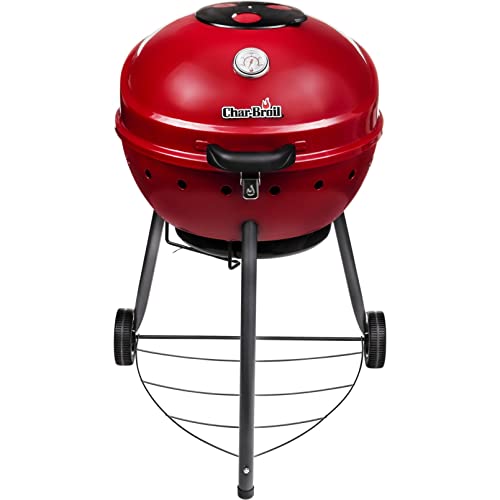
American Grills 101: The Basics for First Time Buyers
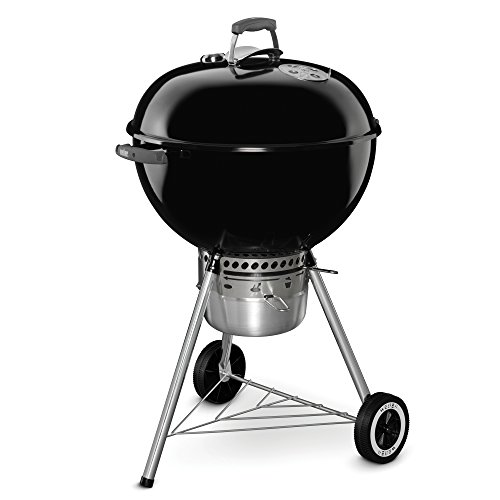
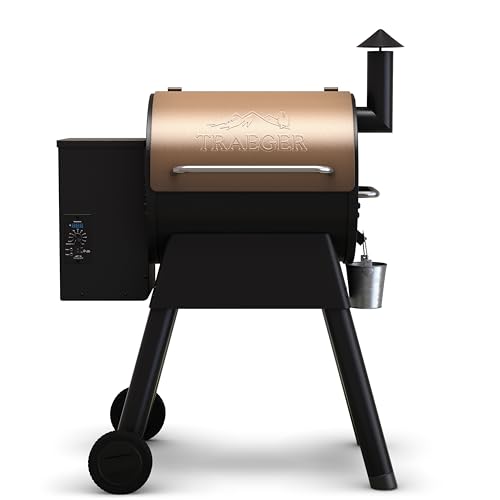
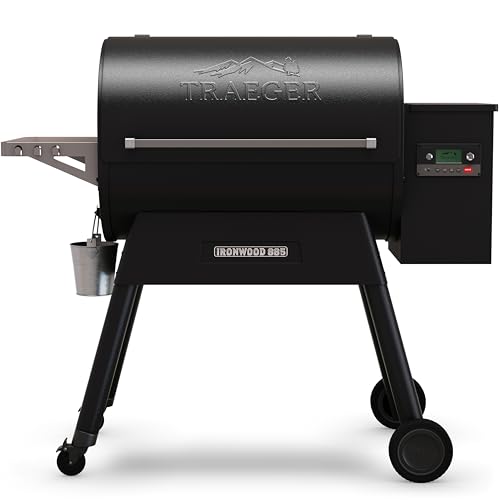
An American grill is an outdoor cooker built around direct heat under a grate, with a lid that lets you roast and smoke as well. Gas models light with a dial, charcoal models burn briquettes or lump fuel, and pellet models feed wood pellets from a pellet hopper into a small fire pot.
Three terms cover your first season. BTU measures gas burner heat, sear means a fast brown crust from intense heat, and low and slow means holding gentle heat for ribs or brisket. That range explains why lists of best american grills mix small portable cookers with large backyard stations. If domestic build matters most, see our guide to the best american made grills before you narrow fuel or size.
Who Should Buy Which American Grill?
Match the grill to the cook you already are, not the cook you imagine for one holiday weekend. Your space, patience and usual group size decide more than any single feature.
Weeknight Cooks Who Want Fast Gas Heat
You cook burgers, chicken and vegetables after work and want dinner without a long wait. Choose gas grills with two or three burners, reliable ignition and side shelves for trays. You trade some smoke flavor for speed, simple heat control and a quick shutdown.
Flavor Focused Cooks Who Enjoy Tending a Fire
You like adjusting vents, watching smoke and learning how fuel changes taste. A charcoal kettle or a pellet model suits you, because both reward attention during longer cooks. Plan for fuel storage, ash cleanup and a learning period while you find steady temperatures.
Small Space Cooks and Tailgate Hosts
You cook on a patio, a small deck or a parking lot and need gear that moves easily. Choose a compact grill with folding legs or sturdy wheels, a locking lid and a grate for about six to ten burgers. Confirm local rules for your building or park before you rely on a flame based model there.
Grill Specs That Matter at the First Cookout
Read each spec as a daily use question about lighting, loading, cleaning and storing the grill.
Fuel Type: Gas, Charcoal, Pellet and Electric
Gas gives fast starts and easy dial control, with predictable propane cost. Charcoal gives the strongest grilled flavor, but it needs lighting time, ash removal and more practice holding heat. Pellet models burn wood pellets for smoke flavor and steady control, while electric models heat slowly and rarely sear hard. If you lean toward gas, see our guide to the best american made gas grills for burner layout details.
Cooking Area and Capacity for Real Meals
Cooking area is measured in square inches and tells you how much food fits without crowding. A primary grate of about 300 to 400 square inches suits most couples and small families, while about 450 to 600 square inches handles larger groups. Count a warming rack as bonus space for buns and finished food, not main cooking space. Crowded food steams instead of browning, so honest capacity beats a burger count on a box.
Build Quality and Materials That Resist Rust
Look for a thick firebox, a lid that closes evenly and cast iron grates that hold heat for clear grill marks. Porcelain coated cast iron resists rust when the coating stays intact, and stainless steel in 304 grade resists corrosion better than thinner painted steel. Check hinges, handles and grease trays too, because early wobble usually grows with heat cycles at home.
Temperature Control and Smart Features for New Cooks
Good control means the grill holds the temperature you set, across the whole grate. Multi burner gas models create heat zones for searing and gentler cooking side by side. On pellet grills and smokers, a PID controller adjusts pellet feed to hold a target, and meat probes report internal temperature without lifting the lid. WiFi alerts help on long cooks. Readers set on pellets can see our guide to the best american made pellet grills for pellet specific tradeoffs.
Portability and Footprint in Your Space
Measure the full footprint with shelves up, the lid open and a propane tank in place, not just the firebox width. Large wheels roll better over grass and deck boards, while folding legs suit car transport and storage against a wall. Leave clear space on every side for heat and safe movement, away from siding and overhead covers.
Assembly and Warranty for a First Purchase
Most full size grills need about one to two hours of assembly with basic tools, and panel alignment matters for lid fit. Lay out parts first, keep bolts loose until the frame stands square, then tighten in order. Warranty terms often differ by part, with burners and fireboxes covered longer than grates and igniters. Save your receipt for warranty claims.
Getting Started: Setup and First Use of a New American Grill
Place the grill outdoors on a level, stable surface with the clearance the manual states. Connect fuel carefully, test gas joints with soapy water if the manual directs it, and stop and get professional help if you smell gas after the tank valve closes. Never use a grill in a garage or enclosed porch, because carbon monoxide can build up without warning.
For a first burn, run the empty grill hot for about 20 to 30 minutes to burn off factory oils, then let it cool. Before each cook, preheat for 10 to 15 minutes, clean grates while warm, and oil food rather than a hot grate to reduce sticking. Never spray water on a grease fire.
Rookie Mistakes to Avoid When Buying an American Grill
Most first purchase regrets come from sizing and placement, not from cooking skill.
- Buying the largest grate you can afford leaves you heating empty space and burning extra fuel every weeknight.
- Judging gas heat by BTU alone misleads you, because burner design and grate material shape real cooking heat.
- Placing a hot grill close to siding or a railing creates a fire risk and can damage paint or vinyl.
- Skipping a cover in rainy weather lets water pool in the grease tray and speeds rust on grates.
- Ignoring propane or pellet storage needs leaves you without fuel or with damp pellets on cook day.
Care and Maintenance for an American Grill
After cooking, let the grill run hot for a few minutes, brush the grates, then close the lid once flames settle. When the grill is fully cool, empty ash or grease into a metal container, wipe the grease tray and check that drainage paths stay open. Grease buildup causes most stubborn flare ups.
Once a month in season, inspect burners or pellet feed parts for blockages and look for rust spots. Store charcoal and pellets in dry sealed bins, keep a cover on between uses and shelter the grill for winter in snowy climates. Replace worn grates and igniters early, because small parts cost far less than a new firebox.
American Grills: Your Questions Answered
How long should a good American grill last?
A good American grill should last about 5 to 15 years, depending on materials, weather and upkeep. Stainless steel and thick coated steel sit at the long end of that range, while thin painted models age faster outdoors. Shelter the igniter from rain where you can, since ignition failure is often the first repair owners face.
What type of American grill gives the best flavor?
Charcoal gives the strongest classic grilled flavor for most first time buyers. Pellet smoke tastes milder and varies with wood type, so hickory reads bolder than apple or cherry. Gas tastes cleanest, which suits delicate fish and vegetables. A brief rest after cooking also matters, because rested meat keeps juices that no fuel choice can replace.
Can you use an American grill on a balcony?
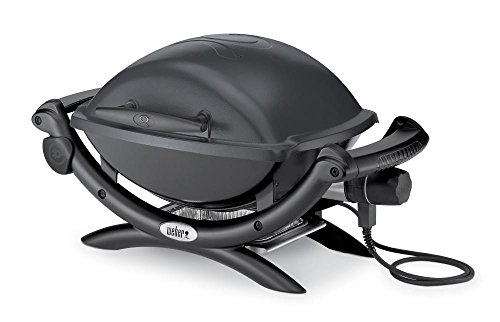
You can use an American grill on a balcony only when your lease, building rules and local fire code allow that fuel type. Many buildings ban charcoal and large propane tanks above ground level, while small electric models face fewer limits. Confirm the rules in writing before you buy, and never leave any grill unattended while it runs.
How large an American grill do you need?
Most households need a primary grate of about 300 to 450 square inches. That space cooks about 12 to 18 burgers at once, or a mix of mains and sides for a family. Measure your storage spot as carefully as the grate, because a grill that blocks a door becomes a daily annoyance long before capacity feels small.
Is a pellet grill worth it for first time buyers?
A pellet grill is worth it for first time buyers who want smoke flavor with steady, dial based heat. Pellets cost more than charcoal and the grill needs power at an outdoor outlet, so factor both into your budget. Choose a hopper size that covers an overnight cook if brisket interests you, because refills at dawn are tedious.
How often should you clean an American grill?
You should clean an American grill lightly after every cook and deeply about once a month in season. Grates and grease trays need the frequent attention, while burners, vents and the firebox suit the monthly check. Clean sooner after fatty cooks like sausages, because leftover grease can smoke heavily and taint the next meal.
The Bottom Line
Choose fuel first, size second and materials third, and most other decisions become simple. Timing can also lower your total cost, so see our guide to the best time to buy grills. Use the product table above to confirm cooking area, footprint and price.
When you compare best american grills with those three checks in mind, a first purchase stops feeling like a gamble. Buy the grill that fits your patio, your patience and your weeknight routine, and your first season will teach you the rest.