
Best American Made Pocket Watches: Types Explained for 2026
Disclosure: We may earn a commission when you buy through links on this page, at no extra cost to you. As an Amazon Associate I earn from qualifying purchases. Learn more
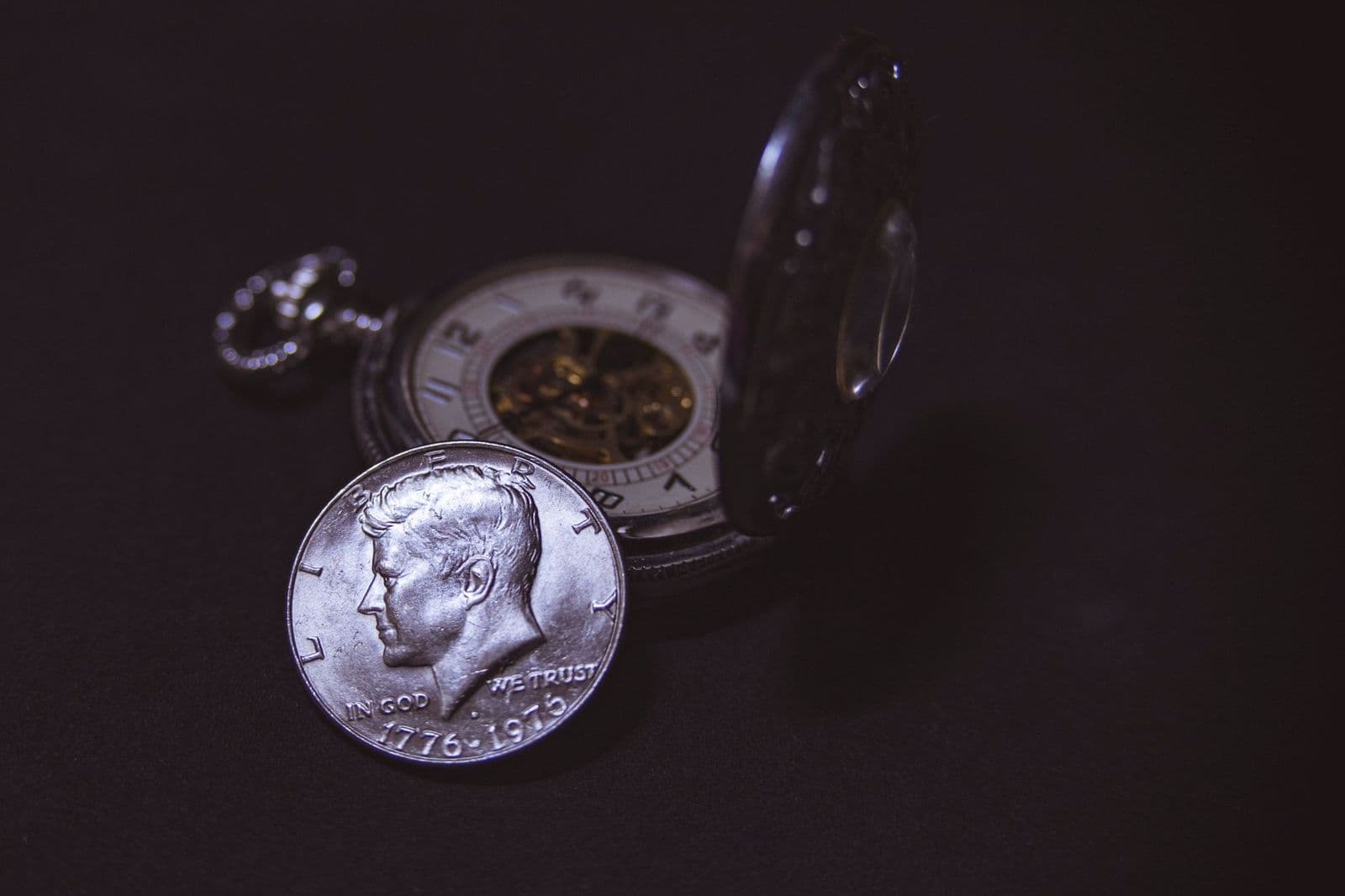
Compare the best american made pocket watches by movement, case, chain, and crystal so you can choose the right style, size, and price level with confidence.
Pocket watches were once an American industry, with railroad grade watches built in factories across the country. Today very few are made here, so the best american made pocket watches are mostly vintage pieces, small workshop builds, or watches finished in the United States around an imported movement. This guide explains how to read origin claims and what to compare in a movement, case, crystal, and chain.
Honest makers say which steps happen in the United States. That honesty is part of what you are paying for.
What American Made Means for Pocket Watches
A pocket watch has three main parts: the movement (the mechanism), the case, and the dial. A watch can be called American made when the case is machined here and the movement is assembled and regulated here, but many carry an imported movement in a domestic case. Ask the maker which of these steps are done in the United States and whether the movement is new or reconditioned.
Vintage American pocket watches from the railroad era are a separate market. They are collectible and need a watchmaker's service, so they suit buyers who enjoy restoration more than buyers who want a ready-to-carry watch.
Types of Pocket Watches Compared
Hand Wound Mechanical
This is the traditional type, designed for pocket carry. You wind the crown once a day, and the watch rewards you with craft and repairability. It needs service every five to seven years. It suits buyers who enjoy the ritual.
Quartz
A quartz pocket watch uses a battery and keeps time within a few seconds a month. It is the lowest effort type, with no winding and a battery change every one to three years. Prices are lower because the movement is simpler.
Automatic
Automatic movements wind from motion, which works well on a wrist. A pocket watch sits still for long stretches, so many automatic pocket watches still need hand winding. They suit collectors who enjoy the engineering.
Open Face and Hunter Cases
An open face case shows the dial at all times, while a hunter case has a hinged cover that protects the crystal. Hunter cases protect better in a pocket, and open faces are easier to read quickly.
For wristwatch context, see our guide to the best american made watches, and for construction details, the best made pocket watches guide.
How to Choose the Right American Made Pocket Watch
Chain and Attachment
Pocket watches use a chain, and the chain is half the experience. An Albert chain clips to a buttonhole or belt loop and drapes across a waistcoat, while a simple belt chain suits jeans. Look for solid links, a secure clasp, and a bow (the ring on the case) that feels solid with no play.
Crystal and Case Materials
Sapphire crystal resists scratches best and appears on better models. Mineral glass is a sound middle option, while acrylic scratches easily but can be polished and suits vintage style pieces. Cases are stainless steel, plated brass, or occasionally titanium. Solid stainless steel wears best over decades, while thin plating over brass can show wear at the edges with daily carry.
Movement and Service
Movement choice sets your routine. Quartz asks for a battery change every few years, and hand wound mechanical movements ask for daily winding and periodic servicing. Choose the one that matches why you want a pocket watch in the first place.
Warranty and Support
Buy from makers who publish their production story, answer questions about movement origin, and offer a warranty of at least one to two years with service in the United States. Shipping a watch overseas for repair adds weeks and cost. If you also admire self winding models, see the best american made automatic watches guide.
Water Resistance
Most pocket watches carry little or no water resistance. Treat yours like fine clothing and keep it out of the shower, the pool, and heavy rain. If your day involves water, a rated wristwatch is the right tool.
Budget and Value
Quartz pocket watches start under $50, and decent hand wound mechanical models usually cost about $100 to $300. Watches with a genuine domestic movement or a restored vintage movement often cost several hundred dollars or more, because the work is done by hand in small numbers. Spend on the parts you will notice every day: a sturdy chain, a clear dial, and a case that closes cleanly.
If the price seems far below similar domestic work, treat the origin claim with caution. A low price usually means an imported watch with a patriotic design, which is fine as a style choice but is not the same thing as American made.
Tips to Get the Most From Your Pocket Watch
Wind a mechanical watch at the same time each day, turning the crown gently until you feel firm resistance, and never force it. Have the movement serviced every five to seven years so old oils do not wear the parts. Store the watch away from magnets, including phone cases and bag clasps, since magnetism is a common cause of fast running. Keep it in a padded pouch so the crystal and finish stay clean. For a wider view of domestic makers, see the best american watches.
Buying Vintage Versus New
Vintage American pocket watches from the railroad era have real history, but a watch more than a century old needs a watchmaker's inspection before it becomes a daily carry. Ask for a service record, confirm the watch keeps time within a few minutes a day, and check that the crystal and case are original. New watches come with a warranty and fresh parts, which makes them the easier choice for first time buyers.
Common Mistakes to Avoid
- Assuming "American style" or "American design" means built in the United States.
- Buying a very cheap mechanical watch with a movement that cannot be serviced.
- Forcing the crown past the point of resistance when winding.
- Carrying a pocket watch in the same pocket as keys, which scratches the case.
- Ignoring the chain, which is the part that takes the daily stress.
FAQs
What case size should I choose?
Most pocket watches fall between about 45 and 55 mm. Cases around 45 to 48 mm carry discreetly in a dress pocket, while larger cases are easier to read. The middle of the range is the safest choice for a gift.
Are American made pocket watches still produced?
Yes, but in small numbers by independent makers and workshops. Many buyers also look at restored vintage watches from the railroad era.
Quartz or mechanical: which is better?
Quartz wins on accuracy, price, and low upkeep. Mechanical wins on craft and repairability. Neither is wrong; it depends on why you want the watch.
How long does a watch battery last?
A quartz pocket watch battery typically lasts about one to three years. Replace it promptly once the watch stops, because a dead battery left inside can leak and damage the movement.
How do I protect a pocket watch from scratches?
Carry it in its own pocket or a padded pouch, away from keys and coins, and wipe the case with a soft dry cloth after handling. For a general overview of the style, see the best pocket watches guide.
Our Verdict
Decide the movement first, then the case material and crystal, then the chain you will use every day. Those choices matter more than decoration or packaging. Check the origin claim in writing, and your choice among the best american made pocket watches will still please you years from now.


