Best Alligator Boots by Budget for 2026
Disclosure: We may earn a commission when you buy through links on this page, at no extra cost to you. As an Amazon Associate I earn from qualifying purchases. Learn more

Pick the best alligator boots for your budget, with price tier breakdowns and the comfort and fit features worth paying for.
Alligator boots sit at the dressier end of the boot world, and prices on the market vary widely. That range can make shopping confusing, because two pairs can look similar at a glance while differing a great deal in leather quality, construction, and comfort. This guide to the best alligator boots explains what each price level usually delivers, so you can decide where your money is best spent. Check the product table before you settle on a spending level.
The goal here is not to chase the highest price tag. It is to match the boot to how you will actually wear it, whether that means occasional dress occasions, regular office wear, or long days on your feet. Comfort, fit, and honest construction matter more than a fancy label, and the sections below walk through each factor in plain terms.


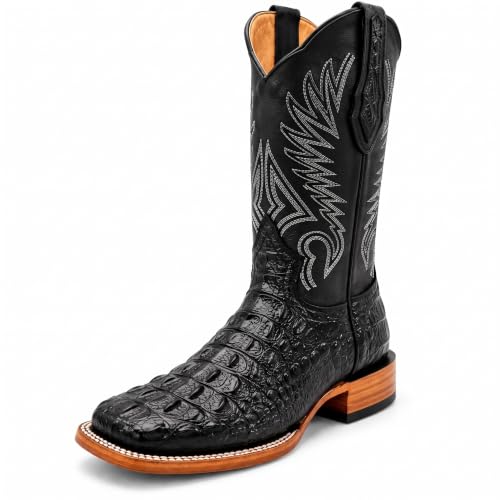


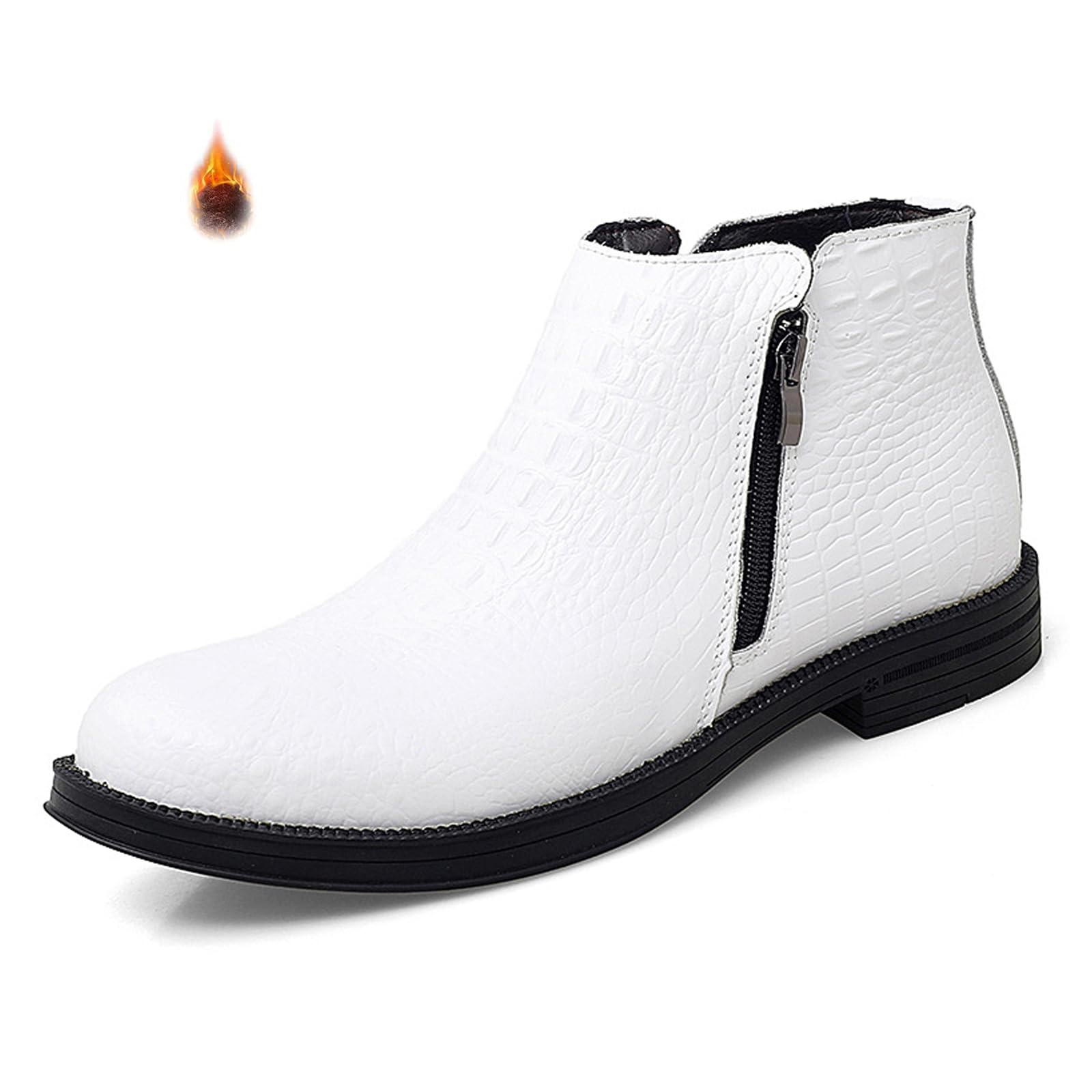
Spending Levels for the Best Alligator Boots
Think of alligator boots in three broad spending bands rather than as a single ladder where more money always means a better boot. Each band suits a different wearer, and the right choice depends on how often you wear boots, how much walking you do, and how formal your setting is. The product table gives a quick side by side view, while the detail below explains the tradeoffs behind each band. Keep in mind that many boots under about $200 use alligator print leather rather than genuine alligator skin, so read the listing carefully.
Everyday Spending
Pairs in the everyday band usually sit at about $200 to $400 and suit buyers who want the alligator look for occasional wear. Expect alligator panels or a convincing print paired with simpler construction, such as a cemented sole and a basic cushioned insole. These boots can look sharp for dinners and events, but they may need a longer break in period and may not hold up as well under daily wear. Check the return policy carefully, since fit matters more than any single feature at this level.
Comfort Focused Spending
The middle band, at about $400 to $800, is where most regular wearers find the best balance. Construction often steps up to stitched welts, better insoles, and more careful finishing around the panels and seams. You also tend to get a wider choice of widths and a more refined fit, which matters if you spend full days on your feet. For many buyers, this band offers the strongest mix of appearance, comfort, and durability without pushing into luxury pricing.
Craft Focused Spending
At the top end, at about $800 to $1,500 or more, you are paying for finer panel selection, hand finishing, and construction methods that make resoling easier. The leather pattern tends to be more even, stitching is cleaner, and small details such as edge finishing and lining quality improve noticeably. This band makes most sense for buyers who wear these boots often, value long term repairability, and want a pair that can be maintained for many years with proper care.
What Your Money Gets You at Each Price Tier
Price tiers in this category reflect real differences in materials and build, but they do not guarantee comfort. A costly pair that fits poorly will always lose to a mid priced pair that fits well. Use the tiers below as a rough map, then judge each pair on fit, construction, and the features that matter for your own feet.
Budget Tier Basics
Budget pairs focus on appearance first. You get the distinctive alligator texture and a dress boot shape, but makers may save money with thinner linings, simpler soles, and less cushioning. Try these on late in the day when your feet are slightly larger, and walk around indoors for a while before deciding. If the toe box pinches or the heel slips at this stage, a higher tier will not fix a bad last, so keep looking for a better shape.
Middle Tier Value
Middle tier pairs usually add the features that affect daily comfort most: a stitched welt, a removable insole, a steadier heel, and a lining that breathes better. You may also see more consistent panel matching, so the left and right boots look like a true pair. This is the tier where spending more most often pays off in comfort, because the upgrades land exactly where your feet notice them during a long day.
Top Tier Craft
Top tier pairs add refinement rather than revolution. Expect carefully matched panels, smooth edge work, premium linings, and soles that a cobbler can replace with ease. The break in period may still exist, since quality leather needs time to shape to your foot, but the boot should feel supportive from the start rather than stiff in a painful way. Buy at this level only if you will wear the boots often enough for the extra craft to earn its keep.
Features Worth Paying For (and Ones to Skip)
Not every feature deserves extra money. The sections below sort the ones that genuinely change comfort and lifespan from the extras that mainly change the price tag.
Upper Materials and Breathability
Alligator leather is naturally durable and water resistant to a degree, but it is not a highly breathable material on its own. Look for boots that pair the panels with a breathable lining and a sensible shaft height, since a very tall shaft can trap heat. Mesh panels and perforated linings can help in warm weather, yet they may change the dress look, so weigh appearance against airflow. A plain leather lining often lasts longer than a thin fabric lining, and it tends to shape to your foot over time.
Break In Period and Comfort Out of the Box
Most alligator boots need some break in time, because the leather starts firm and softens with wear. A reasonable break in period runs about one to two weeks of regular short wears, not months of discomfort. Wear the boots indoors first, with the socks you plan to use, and note any pressure points early.
If a spot causes sharp pain or numbness, that is a fit problem rather than a normal break in issue, and you should seek a different size or width. See a doctor if foot pain, numbness, or swelling persists or worsens.
Arch Support and Foot Type
Arch support shapes comfort more than almost any other feature. Flat feet usually do better with a firmer insole and a stable heel, while high arches often need extra cushioning under the midfoot. Overpronation, where the foot rolls inward, calls for a steadier heel counter and a sole that resists twisting. Many boots in this category come with a basic insole, so budget for an aftermarket insole if the stock one feels flat.
Try the boot with that insole in place before you commit, since it changes the fit inside the boot.
Weight and Flexibility
Alligator boots are rarely the lightest boots you will own, and that is part of their dress character. Still, weight matters on long days, so compare pairs by picking them up and flexing the forefoot by hand. A sole that bends easily at the ball of the foot usually walks more naturally than a very rigid sole. At the same time, a sole that is too soft may wear quickly and feel unstable on uneven ground.
Aim for a balance: flexible enough to walk naturally, firm enough to support your stride.
Fit, Sizing, and Toe Box
Fit decides everything else, so measure both feet in the afternoon and use the larger measurement. A roomy toe box lets your toes spread naturally, which matters during long wears and in warm weather. Your heel should sit securely without lifting with each step, and the widest part of your foot should match the widest part of the boot. If you sit between sizes, try the larger size first with a thinner sock, and check the exchange policy before ordering.
A good fit feels snug without pressure, never tight enough to cause pain.
Long Term Costs to Factor In
The purchase price is only part of the total cost. Factor in resoling, which a stitched welt makes far easier and cheaper over the life of the boot, plus insoles, leather conditioner, and protective spray. A pair that can be resoled twice may cost less per year than a cheaper pair that must be replaced outright. Also consider care time: alligator leather needs gentle cleaning and conditioning, and neglecting it can dry and crack the panels.
Budget a small amount each year for care supplies, and store the boots with shoe trees to hold their shape.
Alligator Boots: Your Questions Answered
Can I wear alligator boots all day?
Yes, you can wear alligator boots all day if the fit is right and the pair is broken in gradually. Start with short wears at home, then build up to full days over one to two weeks. Choose a pair with a cushioned insole and a toe box that lets your toes spread, and carry a second pair of shoes on the first few long days. If you develop persistent pain, numbness, or swelling, take a break and consider a different size, width, or insole, and see a doctor if symptoms continue.
How often should I replace my alligator boots?
Replace alligator boots when the sole is worn through, the welt is damaged, or the leather panels show deep cracks that conditioning cannot improve. With resoling and regular care, a well made pair can last many years, while a lightly built pair may last only a couple of seasons of regular wear. Inspect the soles, stitching, and heel every few months, and resole before the welt itself wears down. Keeping a simple care routine is the easiest way to stretch the life of any pair.
How long is the break in period?
The break in period for most alligator boots runs about one to two weeks of regular short wears. Wear them indoors for a few hours at a time, with the socks you plan to use, and let the leather soften gradually. The boots should feel snug at first but never sharply painful, and pressure points should ease within the first several wears. If pain stays the same or gets worse after two weeks, the fit is likely wrong, and a different size or width is a better fix than more breaking in.
Do I need waterproof alligator boots?
Most buyers do not need fully waterproof alligator boots, since these are dress boots rather than rain boots. Alligator leather resists light moisture well, and a protective spray adds useful defense against splashes and stains. If you regularly walk in heavy rain, however, a dedicated weather boot will serve you better and will spare your dress boots from repeated soaking. Always let wet boots dry naturally away from direct heat, and condition the leather once fully dry.
Are expensive alligator boots worth it?
Expensive alligator boots are worth it when you wear them often and value repairability, panel quality, and refined finishing. The jump from the budget tier to the middle tier usually brings the biggest comfort gains, while the jump to the top tier mainly adds craft and longevity. Occasional wearers often do better in the middle tier, where comfort and appearance meet at a sensible price. Judge any pair by fit first, construction second, and price last, and let your wearing frequency guide the final call.
Wrapping Up
The best alligator boots for you are the pair that fits well, matches how often you wear them, and sits at a price level you can justify over years of use. Start with fit and comfort, then weigh construction and care costs, and use the product table to compare your shortlist side by side. A thoughtful choice at the right tier will look better, feel better, and last longer than a rushed purchase at any price.