
Best All Weather Mens Boots: A Buyer Checklist for 2026
Disclosure: We may earn a commission when you buy through links on this page, at no extra cost to you. As an Amazon Associate I earn from qualifying purchases. Learn more
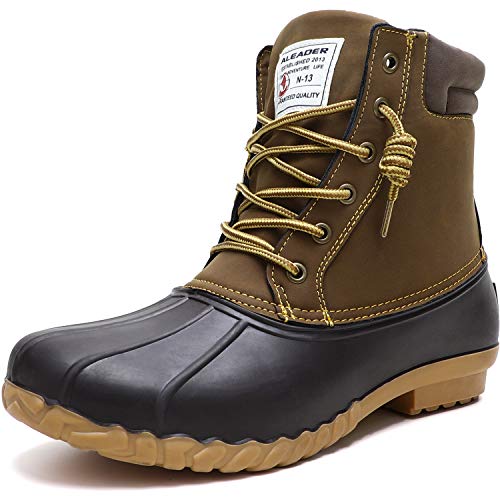
A buyer checklist for the best all weather mens boots, covering membrane limits, seasonal trade offs, grip, fit checks for men, and fair price bands.
A boot sold for every season is really making one claim: that its membrane and sealed construction can keep water out as the weather changes. Read that claim plainly. All weather is a membrane and sealing class claim, and water is kept out only up to the lining height, so a deep puddle over the cuff still wets your socks. This checklist scores the best all weather mens boots on the checks that decide whether the claim holds, and the product table lets you compare current options side by side.
One boot serving every season is a compromise class. Insulation warm enough for a January commute can cook your feet in July, and a summer weight upper gives up cold protection. Grip follows the same rule: grip is a tread and compound class claim, so lugs that bite on wet rock may skate on ice, and no boot class promises no fall. The checks below help you choose which compromises you can live with.

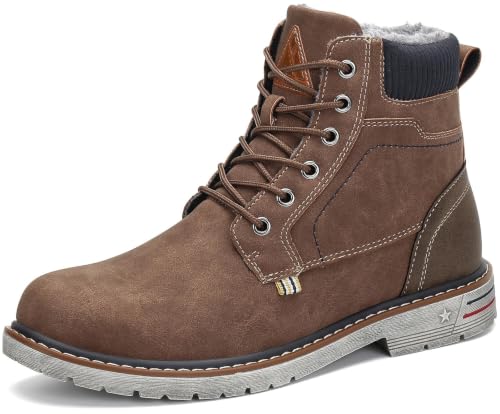


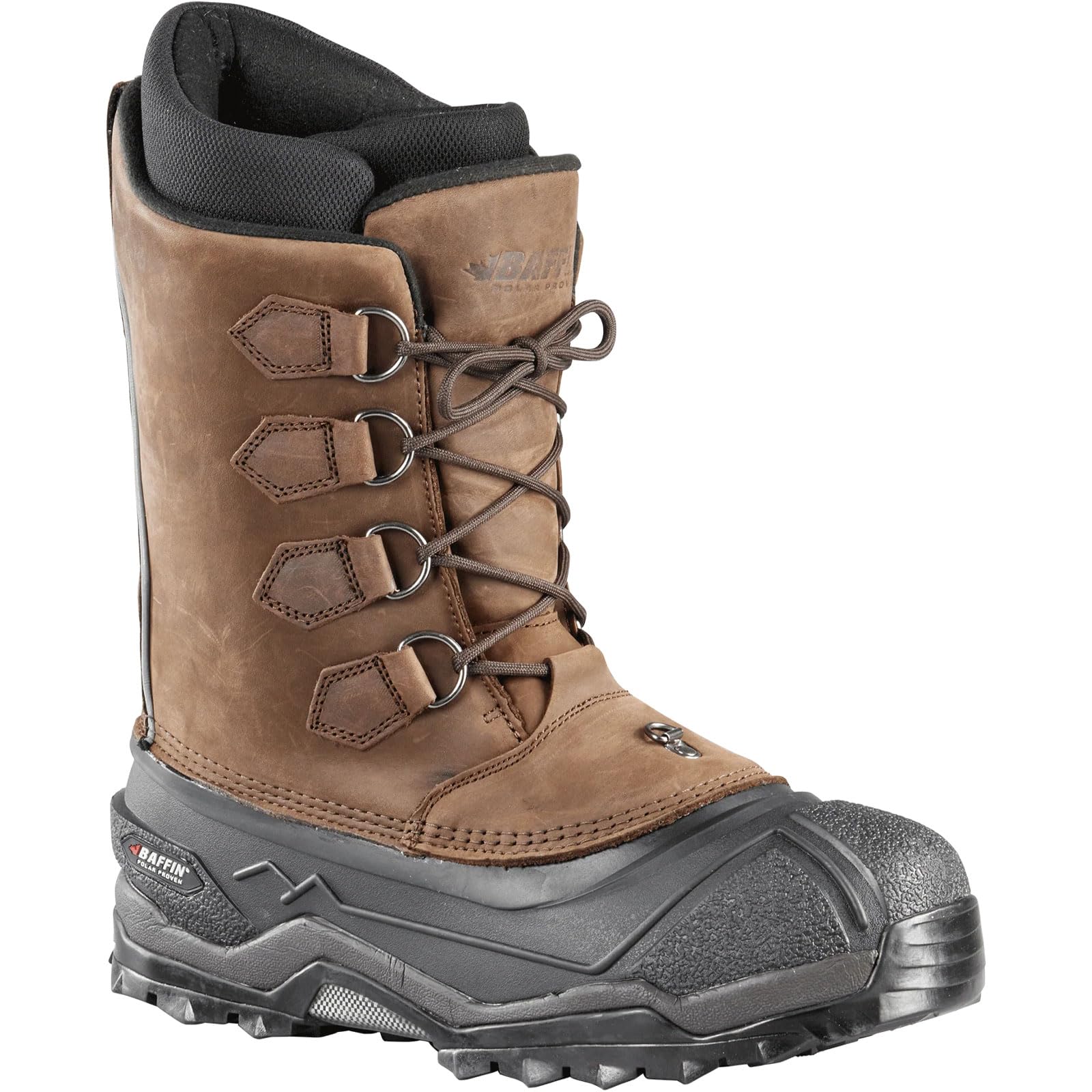

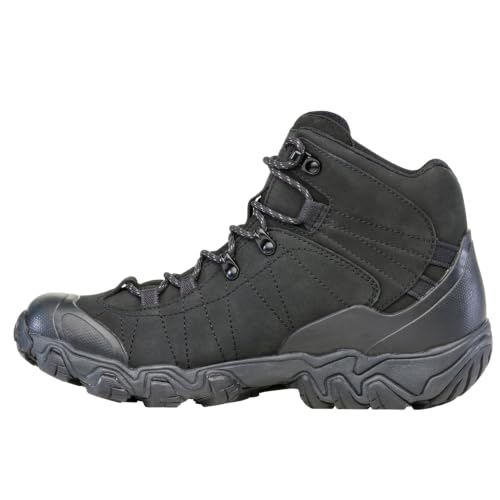

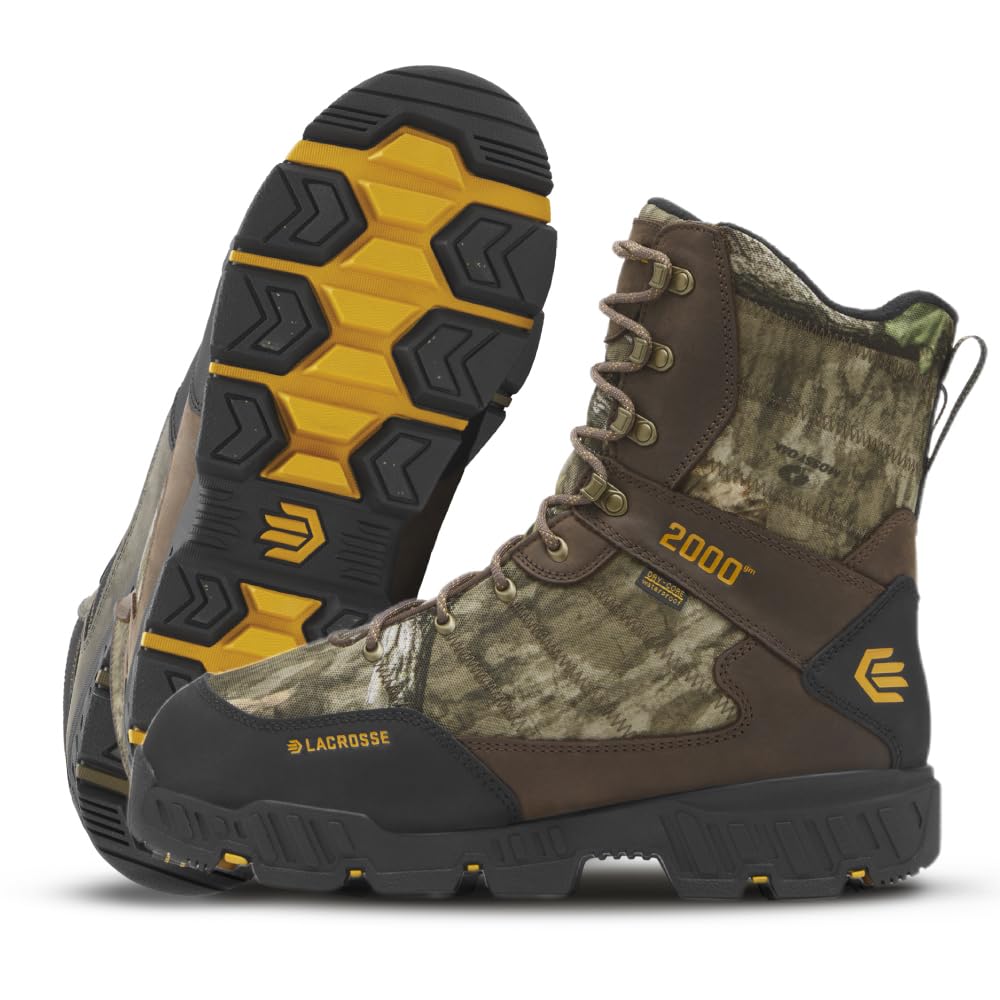
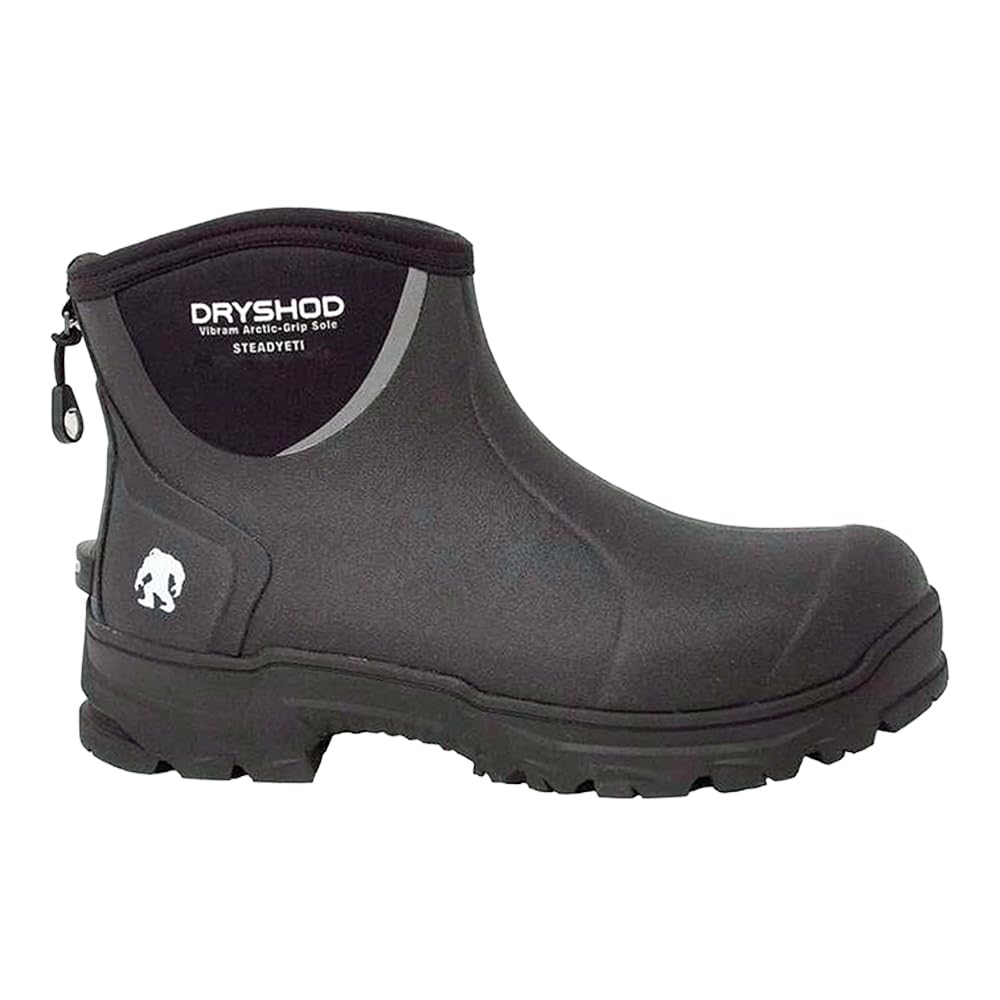
The Buyer Checklist: What to Check Before You Buy
What Men Should Look For
Start with how you spend your days. Men who walk job sites, yards, and wet pavement need a taller shaft, a stiffer shank, and a sole that sheds mud, while commuters can trade some of that for lower weight. If your boots double as work footwear, compare the safety classes in our guide to the best men's work boots before settling on a casual pair.
Fit, Sizing, and Toe Box
Measure both feet late in the day, when they are at their largest, and wear the socks you plan to use. Your toes should brush nothing when you stand, with roughly a thumb width of space in front of the longest toe. The heel should stay seated when you walk, because a heel that lifts on every step will raise blisters fast. Men with wide feet should choose a true wide last rather than sizing up, since extra length still pinches the forefoot.
Upper Materials and Breathability
Full grain leather shrugs off brush and abrasion and conditions for years, but it breathes poorly once a membrane sits behind it. Split leather and synthetic panels cut weight and cost, yet they scuff faster and soften sooner at the flex points. Mesh panels help in warm weather but give up splash protection, so they belong on fair weather uppers. Whatever the mix, check that the tongue is gusseted, because an open tongue is the most common path for water and grit to reach your socks.
Waterproofing and Membranes
A membrane only protects the area it covers. Water that enters over the collar, through a torn lining, or through unsealed seams bypasses it completely, so treat lining height as the real limit of the boot. Seam sealing and a water resistant outer finish slow the first soak, but they are support acts, not the barrier itself. In steady rain, a taller boot with a plain membrane will keep you drier than a short boot with a premium one.
Arch Support and Foot Type
Most all weather boots ship with a flat, basic insole, so judge the midsole shape rather than the insert. Flat feet usually feel better with a firmer arch and a stable heel cup, while high arches tend to prefer more cushion under the forefoot. If you already use an aftermarket insole, bring it when you try boots on, since it changes the volume your foot needs. Support here is about comfort on long days; a boot cannot correct how your foot is built, and ongoing foot pain deserves a clinician, not a new pair of boots.
Durability and Expected Lifespan
Construction decides lifespan more than price does. Cemented soles are lighter and cheaper but cannot be resoled, while stitched welt construction costs more and can often be rebuilt. With daily wear, expect about two to four years from a mid range pair before the tread or the lining gives out. Rotating two pairs rests the foam and roughly doubles the life of each.
Best All Weather Mens Boots by Class and Price
The product table lists current options; the three classes below explain what the money buys.
Everyday Boots for Mixed Weather
This is the default class for most men: a leather or leather and synthetic upper, an uninsulated membrane lining, and a general purpose tread. Expect to pay about $80 to $150. These boots handle rain, slush, and muddy yards from spring through fall, and they pair with thick socks for mild winter days. They suit wet rather than bitter winters, and they are the wrong buy if you stand still outdoors in deep cold.
Insulated Boots for Cold Climates
Insulated models add a thermal lining and usually a taller shaft, at about $150 to $250. If your winters are severe, compare the ratings in our guide to the best cold weather men's boots, and for stationary work in extreme cold, see the best extreme cold weather boots men's roundup. The fuller picture of the category sits in our guide to the best men's winter boots for cold weather. Remember that insulation only slows heat loss; a boot that fits too tightly restricts blood flow and ends up feeling colder.
Lightweight Boots for Warm and Wet Days
Warm weather all weather boots drop the insulation and use thinner, faster drying uppers, at about $70 to $140. They suit men who hike or work through summer storms and want rain protection without the sweat. Our guide to the best men's hiking boots for hot weather covers the trail focused end of this class. The trade is clear: these boots give up ankle padding and cold protection, so they are a second pair for most men, not the only pair.
Quick Buyer Checklist
Run these questions against any pair sold among the best all weather mens boots before you pay:
- Does the membrane lining reach at least as high as the puddles and slush you walk through?
- Can you fit your usual winter sock inside without your toes touching the front?
- Does the heel stay seated when you walk across the store?
- Is the tongue gusseted so water and grit cannot pour in at the laces?
- Does the tread pattern match your ground: pavement, mud, rock, or ice?
- Can the boot be resoled, or is the sole cemented and disposable?
- Does the return window cover a real week of wear, not just a carpet walk?
Red Flags to Watch For
- A waterproof claim with no stated lining height or membrane type is marketing, not a measurable detail.
- A temperature rating with no activity level attached means little, since a moving wearer generates far more heat than a standing one.
- Weight listed for a single boot in the smallest size understates what a pair in your size will feel like.
- A warranty that covers only stitching defects leaves the sole and the membrane, the parts that fail first, unprotected.
- Reviews that praise grip on ice for a smooth soled fashion boot should make you doubt the whole listing.
Care and Maintenance Tips
Knock mud off the soles and uppers after wet days, and rinse road salt away before it dries, because salt pulls moisture from leather and leaves it brittle. Stuff damp boots with newspaper and let them dry at room temperature; direct heat from a radiator or vent cracks leather and can delaminate a membrane. Condition leather once it looks dry, and check tread depth each season. Store pairs upright in a dry place so the shafts keep their shape.
Weather Boots: Your Questions Answered
What makes weather boots for men different from regular boots?
The difference is the sealing system, not the silhouette. Weather boots for men add a waterproof membrane, sealed or taped seams, and a gusseted tongue to a boot shape that would otherwise soak through in minutes. They also tend to use deeper tread and taller shafts than fashion boots. A regular leather boot may survive a drizzle, but without the membrane and the gusset it has no defense against standing water or wet snow.
How long is the break in period for leather weather boots?
Most full grain leather weather boots need about one to two weeks of regular wear before the upper relaxes around your foot. Wear them for short walks first, then longer days, and use the socks you plan to wear in winter. Synthetic uppers need almost no break in at all. Sharp heel pain or numb toes are not break in symptoms; they signal a fit problem, and more wear will not fix them.
How often should you replace all weather boots?
Replace all weather boots when the tread at the heel is worn smooth, the membrane starts leaking at the flex points, or the midsole feels dead and flat. For a daily wearer that is usually every two to four years. A boot can look fine on the shelf and still fail in the rain, so try an aging pair in a shallow basin of water before trusting it on a trip. Resoleable boots earn a longer life because the upper often outlasts two soles.
Are expensive weather boots worth the money?
They can be, but the gain is in construction, not in the waterproof claim. Premium money buys stitched construction that can be resoled, better leather, and a more precise last, all of which stretch the cost across more years. It does not buy a higher lining or a drier foot in deep water, since every membrane stops at the collar. If you wear boots daily for work, the math usually favors the premium pair; for occasional rain use, it does not.
How should weather boots fit when you try them on?
Weather boots should fit snug at the heel and midfoot, with open space in front of your toes and enough width that your forefoot never feels pressed. Try them on late in the day and walk downhill on a ramp if the store has one; your toes should not jam the front. Bring your thickest winter socks, because a boot that fits perfectly with thin socks in September will punish you in January.
The Bottom Line
Judge the best all weather mens boots by three checks: the lining height against your water, the fit with your real socks, and the construction you can maintain. Accept the seasonal compromise with open eyes, choosing insulation only if your winters demand it and lightness only if your summers do. When two pairs pass, buy the one you can resole or return after a week of wear, and compare the picks in the product table before you decide.


