Best and Less Slippers: Buying Guide and Checklist for 2026
Disclosure: We may earn a commission when you buy through links on this page, at no extra cost to you. As an Amazon Associate I earn from qualifying purchases. Learn more
Best and less slippers explained: how to judge fit, cushioning, arch support and soles, with three price tiers.
Cold floors, sore feet at the end of the day, and slippery tile all point to the same small purchase: a good pair of house slippers. The challenge is that slippers range from flimsy hotel style slides to structured pairs with real arch support. Many shoppers searching for best and less slippers are heading to Best&Less, a discount retailer known for low priced basics, and ranges and prices there change by season and region. This guide explains how to choose by fit, cushioning, and sole wherever you shop, so you buy once and wear them daily.
Start with the price tiers below, then use the buying guide sections to check each option against your floors, your feet, and your budget. A few minutes of measuring now prevents the most common mistake, which is guessing the size.
Three Price Tiers at a Glance
Rather than naming winners, this section describes what each tier generally delivers, so you can judge any pair against a fair standard.
Overall Tier
The overall tier, usually around $35 to $60, balances cushioning, support, and durability for daily wear. Expect a contoured footbed with some arch support, a rubber outsole that grips tile and wood, and uppers that hold their shape for a year or more. This tier suits people who wear slippers for hours each day, work from home, or stand on hard kitchen floors. The limitation is style range: supportive designs tend to look more structured and less plush than purely cozy options.
Value Tier
Value slippers, around $20 to $35, cover the basics well: a padded foam insole, a closed or open heel, and a sole safe for indoor floors. They are the right call for guest pairs, dorm rooms, travel, and anyone whose feet are generally happy without special support. The trade off is lifespan, because basic foam compresses within months of daily use and budget uppers can stretch out. If you plan to wear them all day every day, the overall tier usually costs less per month of use.
Premium Tier
Premium slippers, around $60 to $100, add natural materials such as wool or sheepskin, replaceable or deeply contoured insoles, and outsoles sturdy enough for quick trips to the mailbox or driveway. Wool regulates temperature in both winter and summer, which surprises many buyers. This tier suits people with foot pain who have been advised to avoid walking barefoot on hard floors, and anyone who treats slippers as real footwear. The cost is care: natural materials need air drying and occasional brushing rather than a toss in the washer.
How to Choose the Best And Less Slippers: Buying Guide
Fit, Sizing, and Toe Box
Measure your feet in the afternoon, when they are at their largest, and compare the length in inches or centimeters to the seller size chart instead of trusting your shoe size. Your heel should sit fully on the footbed without hanging off the back, and your toes need room to spread, especially in closed styles. A roomy toe box matters if you have bunions or wide feet. If you fall between sizes in a moccasin or boot style, size up; in a slide that will stretch, your usual size is usually right.
Cushioning and Support
Cushioning absorbs the shock of hard floors, while support shapes how your foot is held. Plush foam feels wonderful for short wear but flattens and can leave feet aching after hours. A firmer contoured footbed with a defined heel cup feels less soft at first and far better by evening. Heel to toe drop in slippers is small, but a slight heel lift can ease strain for people who also wear heeled shoes outdoors. If foot pain is persistent, treat it as a health question and ask a podiatrist which support features suit your feet.
Durability and Expected Lifespan
Daily worn slippers typically last about 1 to 2 years before the cushioning gives out, even when the uppers still look fine. Judge durability by the outsole material, since rubber outlasts fabric covered foam, and by whether stitching or glue joins the upper to the sole. A useful reference from running shoes applies here in spirit: foam midsoles have a working life measured in use, not in calendar time, so a pair worn 10 hours a day ages far faster than a pair worn for morning coffee.
Arch Support and Foot Type
Flat feet and overpronation call for a firmer arch and a stable heel cup that keeps the foot from rolling inward. High arches need cushioning under the midfoot, because the arch does not flatten enough to absorb shock on its own. Neutral feet can wear almost any style comfortably. For a broader look at support focused options, see our guide to the best quality slippers, which explains construction details that tend to last.
Weight and Flexibility
Lightweight slippers feel effortless for quick trips around the house, while heavier structured pairs protect feet on hard surfaces and stairs. Flex the sole before buying when you can: it should bend at the ball of the foot, not fold in the middle of the arch. A sole that folds in half offers little support despite thick padding. Older adults and anyone unsteady on stairs should favor a secure closed heel and a grippy sole over the lightest possible design.
Break In Period and Comfort Out of the Box
Most slippers should feel comfortable within a day or two. Shearling and wool mold to your foot over the first week and feel roomier afterward, so a snug first fit is normal for those materials. Structured support slippers can feel firm for several days while your feet adjust, especially if you have been walking barefoot. Pain that sharpens or numbness that persists is not a break in issue, so stop wearing that pair and have your feet checked if symptoms continue.
Types of Best and Less Slippers
Waterproof Boots
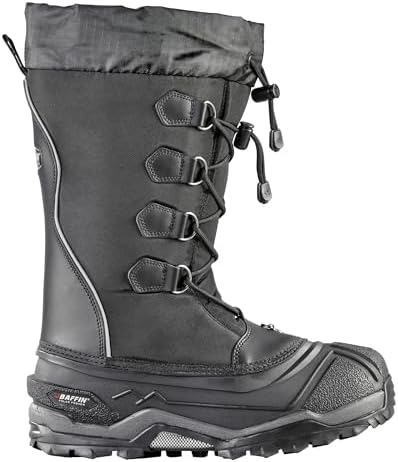
Slipper boots with water resistant uppers and lugged soles bridge the gap between house slippers and light outdoor boots. They suit dog owners, cabin trips, and cold garages where a normal slipper fails. They are warmer and heavier than indoor styles, so most people keep them as a second pair rather than an all day house shoe.
Sandals and Recovery Footwear
Open slides and recovery sandals give breathability and easy on and off wear, with molded footbeds that cradle tired feet after exercise or long shifts. They lack warmth and heel security, so they shine in warm months and post workout hours. People who prefer this open style often start with the options in our guide to the best and less women's slippers when shopping for women sizes and fits.
Stability/Support Shoes
Support focused slippers borrow ideas from stability shoes: a firm heel counter, a shaped arch, and a wider base that resists tipping. They suit buyers told to avoid barefoot walking on hard floors. They look less plush than classic cozy slippers, and that structure is exactly the point. If you need this category, fit matters more than softness, so measure carefully.
Lightweight Shoes
Featherlight knit and mesh slippers pack flat for travel and feel barely there for quick morning routines. They breathe well in warm homes and wash easily. The compromise is minimal cushioning and support, so they are a poor choice for all day standing. Think of them as the travel and summer pair in a two pair rotation, a pattern our guide to the best slippers for women also recommends for year round comfort.
How to Make Your Slippers Last Longer
- Rotate two pairs for daily wear. Foam needs about a day to recover its shape, so alternating pairs keeps cushioning springy for much longer.
- Air dry wet slippers away from direct heat. Radiators and dryers crack leather, warp foam, and loosen glue. Stuff them with newspaper and let air do the work.
- Wash only when the label allows it. Many uppers spot clean well with a damp cloth, and unneeded machine washing ages elastic and stitching fast.
- Wear socks if you sweat heavily. Socks absorb moisture that would otherwise soak the insole and shorten its life while creating odor.
- Retire them when the footbed stays flat. A permanent footprint with no spring left means the support is gone, even if the upper looks new.
FAQs
How should slippers fit?
They should hold your foot without squeezing it, with the heel fully on the footbed and about a thumb width of space in closed toe styles if you plan to wear socks. One extra check new buyers miss: walk on a hard floor, not carpet, when judging fit, because carpet hides heel slip and thin cushioning that you will feel clearly on tile and wood.
Are expensive slippers worth it?
They are worth it when the price buys natural temperature regulating materials, a contoured footbed, and a rubber outsole, because those features still work after a year. They are not worth it when the price buys only decoration on basic foam. A fair measure is cost per month: a premium pair worn daily for two years often costs less per month than a cheap pair replaced each season.
Can I wear them all day?
Yes, if the pair has real support and a sole with grip, and your feet feel better at day end than they do barefoot. Rotate pairs, take seated breaks during long standing tasks, and pay attention to new aches. Slippers are not a treatment for foot conditions, so ongoing pain, swelling, or numbness deserves a medical visit rather than a more expensive pair of slippers.
How long is the break in period?
Most slippers settle within 2 to 5 days of regular wear. Wool and shearling take the longest because the fibers compress and mold to your exact foot shape. Support styles can feel firm for a week. Sharp pain, rubbing that breaks skin, or toes that stay numb are not normal break in signs, so exchange the size or style rather than pushing through discomfort.
How often should I replace my slippers?
Replace daily worn slippers every 12 to 24 months, sooner if the insole stays compressed, the sole smooths out and slips on tile, or the heel cup collapses. A quick monthly check helps: press the footbed with your thumb, and if it no longer springs back, start shopping. Keeping the receipt or a note of the purchase month makes this timing easier to judge.
Do I need waterproof shoes?
Only if your slippers regularly leave dry indoor floors. Dog owners, gardeners taking quick trips outside, and people with wet entryways benefit from water resistant uppers and lugged soles. For purely indoor use, waterproofing adds cost, weight, and heat you do not need. A middle path is a rubber outsole without a waterproof upper, which handles damp bathroom and kitchen floors well.
Final Thoughts
Measure your feet, decide how much support you need, and choose the tier that matches how many hours a day you will wear them. Get those three things right and the best and less slippers for your home will be the pair you reach for without thinking, morning after morning.