
Best All Terrain Hiking Boots by Budget: Smart Picks for 2026
Disclosure: We may earn a commission when you buy through links on this page, at no extra cost to you. As an Amazon Associate I earn from qualifying purchases. Learn more

Compare the best all terrain hiking boots by budget, with clear guidance on fit, traction, waterproofing, support and lasting trail value.
Boots built for varied ground span a wide price range, and the most expensive pair is not always the pair that fits your trails. The best all terrain hiking boots for you depend on how far you walk, how rough the ground gets, and how much weight you carry. This guide breaks down what each budget level realistically buys, which features earn their cost, and which extras you can skip. Start with the comparison table below, then use the sections that follow to narrow your size, support, and traction needs.
A true all terrain boot has to grip loose dirt on climbs, hold an edge on wet rock, and stay comfortable when the trail turns smooth again. Budget changes the materials and durability behind that grip more than it changes the basic job.


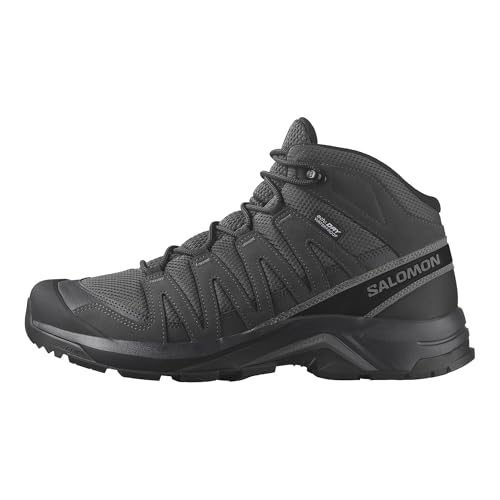
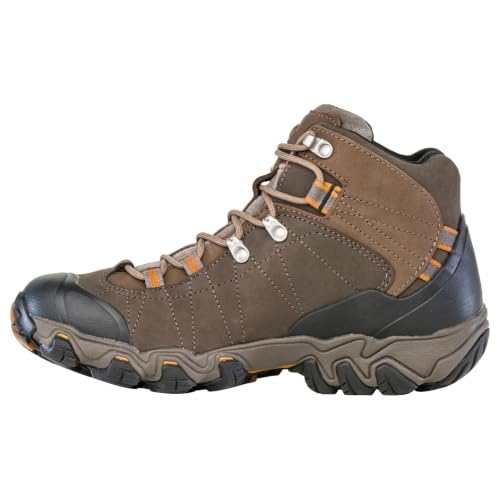

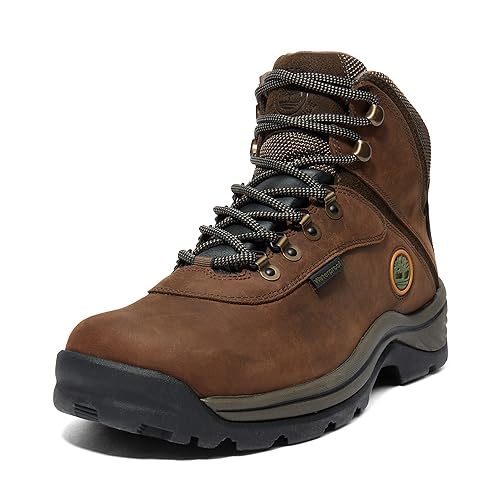
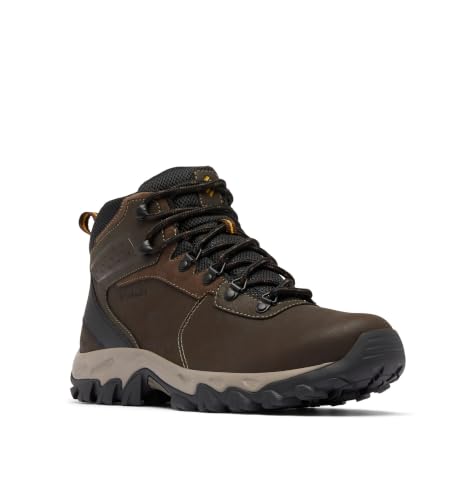
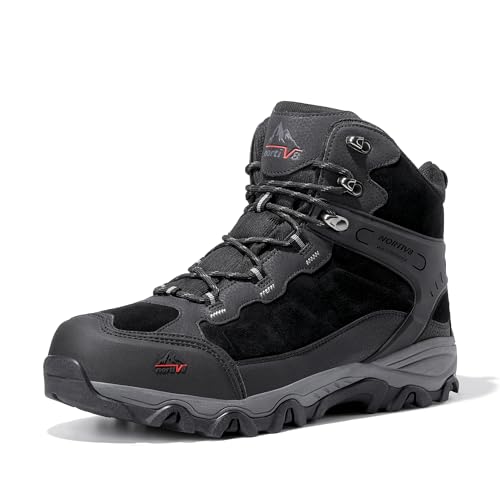
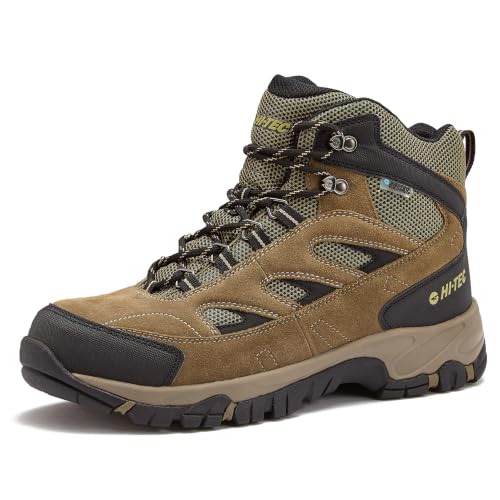
Buying Guidance by Budget: Start With Your Trails
Price only makes sense after you know your use, so begin with the group below that sounds most like your hiking. Each group points to the budget level that usually serves it well. Readers who want one pair for trails, travel, and rough outdoor chores as well can also see our guide to the best all terrain boots, which covers that broader everyday role.
Day Hikers on Mixed and Moderate Trails
If you mostly walk established paths, forest tracks, and rolling hills for a few hours at a time, a budget to lower midrange boot is usually enough. Look for a flexible sole that bends with your foot, moderate lugs for dirt and gravel, and a padded collar that does not rub your ankle bone. If your loads stay light, see our guide to the best hiking shoes before paying for boot height you may never need.
Weekend Backpackers Carrying Moderate Loads
Overnight packs add weight that your feet feel on every descent, so this group benefits most from the midrange tier. A stiffer midsole spreads pressure from stones, a deeper outsole pattern holds on loose climbs, and a secure heel cup limits lift inside the boot. Ankle height earns its place here because it adds steadiness when a tired foot lands off balance on roots or ruts.
Rough Country Hikers and Heavy Load Carriers
If your routes cross scree, mud, stream edges, and broken rock with a full pack, shop the upper midrange to premium levels and judge boots by protection first. A firm shank, a rubber rand around the toe, and strong uppers resist the abrasion that wears lighter boots out early. For routes where rock dominates the day, see our guide to the best hiking boots for rocky terrain for fit notes specific to that ground.
What Your Money Gets You at Each Price Tier
Prices on Amazon in the United States tend to fall into three broad bands for this category. In practice, the best all terrain hiking boots for most people sit in the middle band, where support and durability rise faster than price.
Budget Tier Under $100: What to Expect
Boots under $100 usually pair synthetic uppers with softer midsoles and simpler rubber compounds. Expect decent comfort on smooth and moderately rough trails, modest water resistance rather than a true waterproof membrane, and a shorter working life under heavy use. This tier suits new hikers, occasional use, and growing feet that will change size before a premium boot would wear out.
Midrange Tier About $100 to $200: Where Most Value Sits
Boots at about $100 to $200 typically add a named waterproof membrane or better leather, more durable outsole rubber, and a midsole that keeps its shape under a pack. Fit options widen at this level too, with more wide sizes and better heel shaping. For routes that mix mud, rock, and long descents, see our guide to the best hiking boots for rough terrain to compare how this tier handles broken ground.
Premium Tier About $200 to $350: When Spending More Pays Off
Boots at about $200 to $350 buy stronger uppers, often full grain leather or advanced synthetics, plus resoleable construction on some traditional styles and longer lasting cushioning foams. You also tend to get more precise fit shaping, better ankle support geometry, and outsoles that stay grippy as the lugs wear. The payoff shows up over years of hard use rather than on a single hike.
Features Worth Paying For and Ones to Skip
Within any tier, spend first on the features below and save on extras such as decorative overlays, fashion colors, and bundled accessories that add cost without adding trail function.
Waterproofing With Gore Tex and Other Membranes
A waterproof membrane keeps external water out during stream crossings, wet grass, and muddy sections, and Gore Tex is the best known version of this technology. The tradeoff is airflow, because waterproof boots release heat and sweat more slowly than open mesh designs. Pay for waterproofing when your trails are regularly wet or cold, and skip it when most of your hiking happens in warm and arid conditions.
Arch Support and Foot Type
Arch support matters because all terrain walking loads your feet unevenly, especially on side slopes and long descents. Flat feet that roll inward usually feel best with firmer support under the arch and a stable heel, while high arches often need more cushioning to spread pressure. If you are comfortable in neutral shoes for everyday walking, a neutral boot last will likely suit you, and you can fine tune fit later with an aftermarket insole.
Cushioning, Stability, and Heel to Toe Drop
Cushioning softens impact on hard ground, while stability features such as a firm heel counter and a torsional shank help the boot resist twisting on uneven steps. Most hiking boots use a heel to toe drop of about 8 to 12 mm, which places the heel above the toes and can ease strain on tight calves during climbs. Very soft soles can feel vague and tiring when the trail tilts or the surface turns loose.
Fit, Sizing, and Toe Box Room
Fit is the feature that decides whether every other feature works. Measure your feet late in the day when they are at their largest, and try boots with the socks you hike in. Your toes need room to spread and to stay clear of the front on descents, so a toe box that feels slightly generous while standing often proves right on the trail. When between sizes, the larger size usually serves swollen trail feet better.
How to Check a Pair Before the Return Window Closes
Wear the boots indoors on clean floors for several short sessions before your first real hike. Walk down a slope or a set of stairs to check whether your toes slide forward, and stand on one foot to feel for heel lift or ankle wobble. Lace from the bottom up with even tension, then retighten after a few minutes, because laces settle as the upper flexes.
Check compatibility with the rest of your kit at the same time. Gaiters should hook and seal at the front of the boot, winter traction devices should strap on without cutting into the upper, and your usual insoles should fit without lifting your heel too high.
Common Mistakes to Avoid
- Buying by street shoe size alone ignores trail swelling, so feet end up cramped and toenails suffer on descents.
- Choosing the stiffest boot for gentle trails adds weight and fatigue, so easy miles feel harder than they should.
- Trying boots on in the morning with thin dress socks hides how much room swollen feet need, so toes jam on afternoon descents.
- Paying extra for a waterproof membrane for desert hiking traps heat and sweat, so feet stay damp from the inside instead.
- Wearing brand new boots straight onto a long hike turns small fit issues into blisters that can end the trip early.
- Chasing the lowest price for heavy pack use wears out soft soles quickly, so you end up paying twice within a couple of seasons.
Long Term Costs and Care for Your Boots
The purchase price is only part of what a pair costs you. Budget for hiking socks that match the boot height, replacement laces at around $10, and waterproofing treatments at about $15 to $25 a bottle if your boots use a membrane or leather upper. Insoles wear out faster than boots and often need replacing at around $40 after a heavy season.
Care for this exact product is simple but specific. Knock dried mud off the outsole after each hike, pull the insoles out, and let the boots air dry away from heaters and direct sun, because forced heat cracks leather and weakens sole glue. Clean the uppers with water and a soft brush, then renew the water repellent finish when water stops beading on the surface.
Frequently Asked Questions
How should all terrain hiking boots fit when you first try them on?
All terrain hiking boots should feel snug through the heel and midfoot with clear space in front of your longest toe. Stand and press your foot forward in the unlaced boot, and you should fit one finger behind your heel. If one foot feels tighter, always fit for the larger foot.
How long does the break in period take for all terrain hiking boots?
The break in period for all terrain hiking boots ranges from a few short walks for flexible synthetic models to about 20 to 30 miles for stiff leather pairs. Build distance gradually, starting with flat walks near home so you can turn back if a hot spot forms. If pain stays sharp in one spot after several outings, the fit is wrong rather than unfinished.
Are expensive all terrain hiking boots worth the extra money?
Expensive all terrain hiking boots are worth the money when you hike often enough to use their durability and support. A useful test is cost per season, where a premium pair lasting five heavy seasons can cost less each year than a budget pair replaced twice. If your yearly mileage is low, that math reverses, and midrange value wins instead.
Do all terrain hiking boots need to be waterproof for mixed trails?
All terrain hiking boots do not need to be waterproof unless your mixed trails regularly include standing water, wet snow, or cold rain. Choose waterproof models for cold and wet seasons, and choose open breathable models when most water on your trails comes as shallow splashes you can step around.
How often should you replace all terrain hiking boots?
You should replace all terrain hiking boots when the outsole lugs wear smooth at the heel and forefoot or when the midsole feels packed down and harsh, often after about 400 to 600 miles of rough use. A practical home check is pressing your thumbnail into the midsole foam, because foam that no longer rebounds and shows deep creases has lost its cushioning.
Final Thoughts
Budget should follow use, and fit should outrank every other factor on your list. The product table above pulls the current options into one place, so use it with your tier, your support needs, and your toe room in mind before you order. Whether you land at under $100 or at the premium end, the right best all terrain hiking boots are the pair that grips your ground, fits your feet, and still feels steady on the last mile.


