
Best American Made Logger Boots for 2026: Match the Boot to Your Work
Disclosure: We may earn a commission when you buy through links on this page, at no extra cost to you. As an Amazon Associate I earn from qualifying purchases. Learn more

Compare American made logger boots by heel, leather, toe type, waterproofing and fit, with a buying checklist, care steps and clear answers on cost.
No single logger boot suits every job in the woods. A faller on steep ground, an arborist in spurs, and a sawmill hand on wet bark all load a boot in different ways. The best american made logger boots for you match your ground, your climbing, and your shift length, and you can compare the main choices in the comparison table below.
American made models add a second decision. Many are built to be resoled and rebuilt, and that construction costs more up front. This guide matches each build to its user, then covers grip, fit, and care.


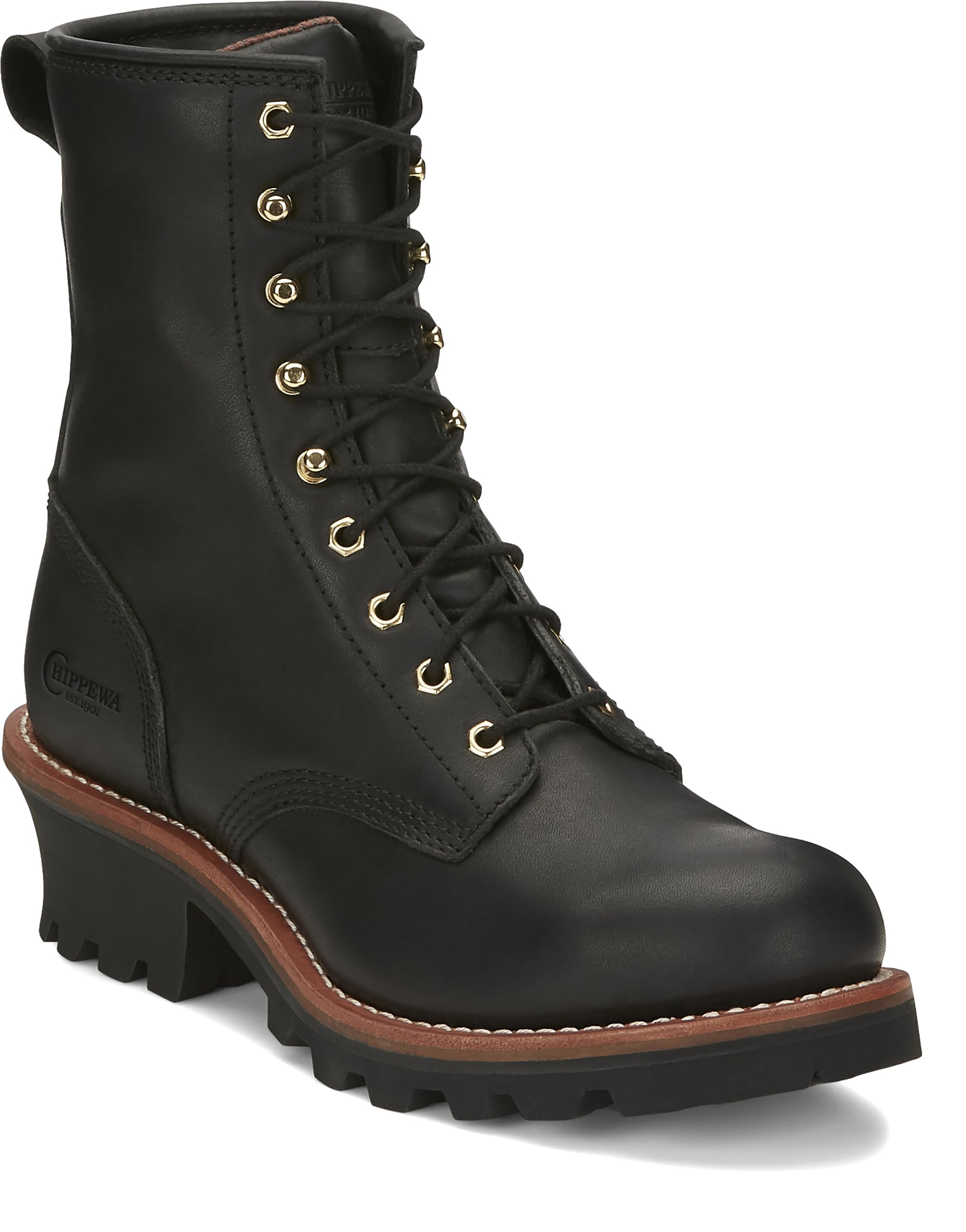
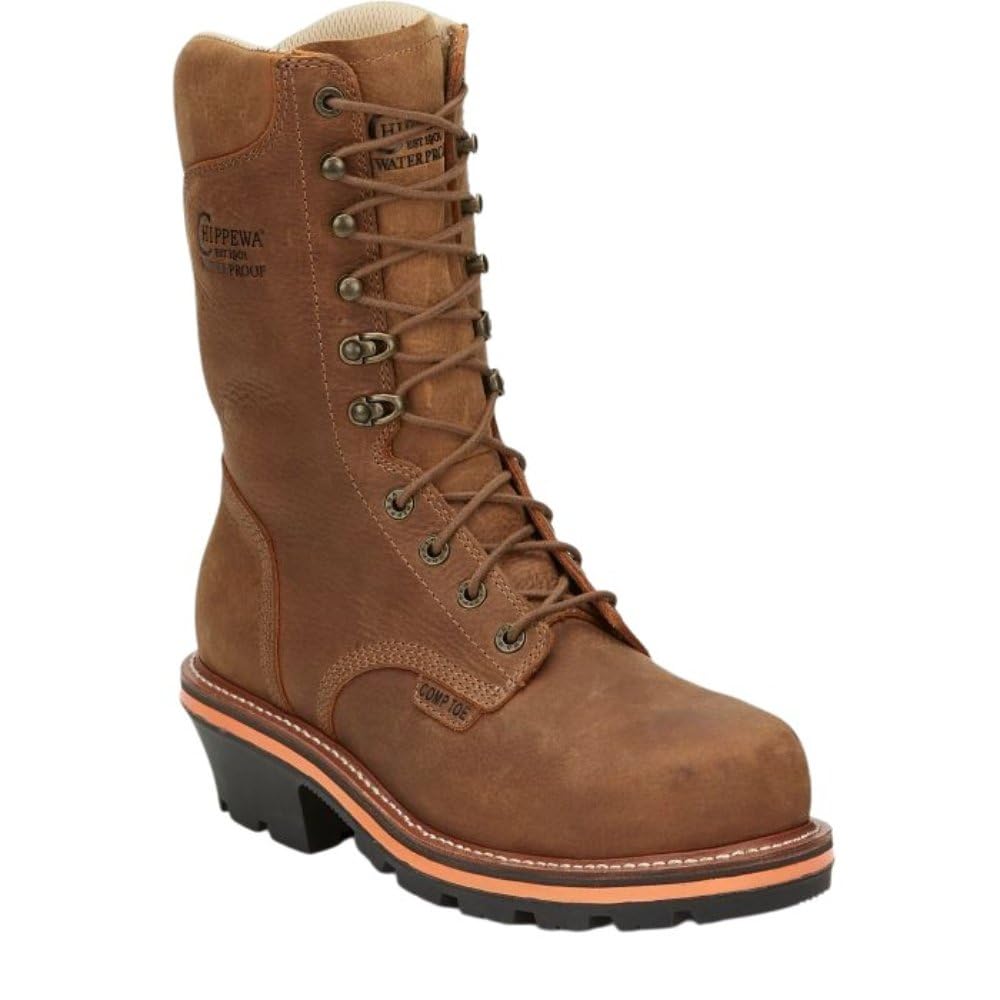
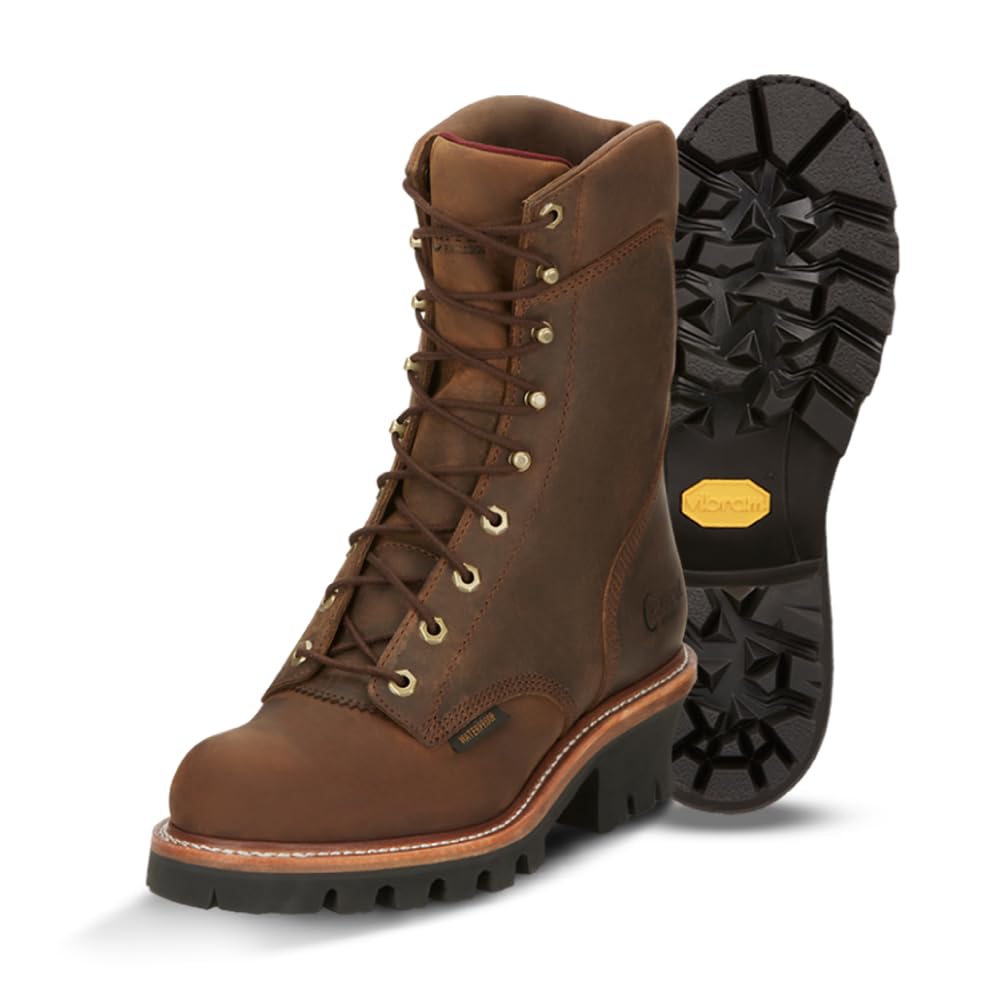
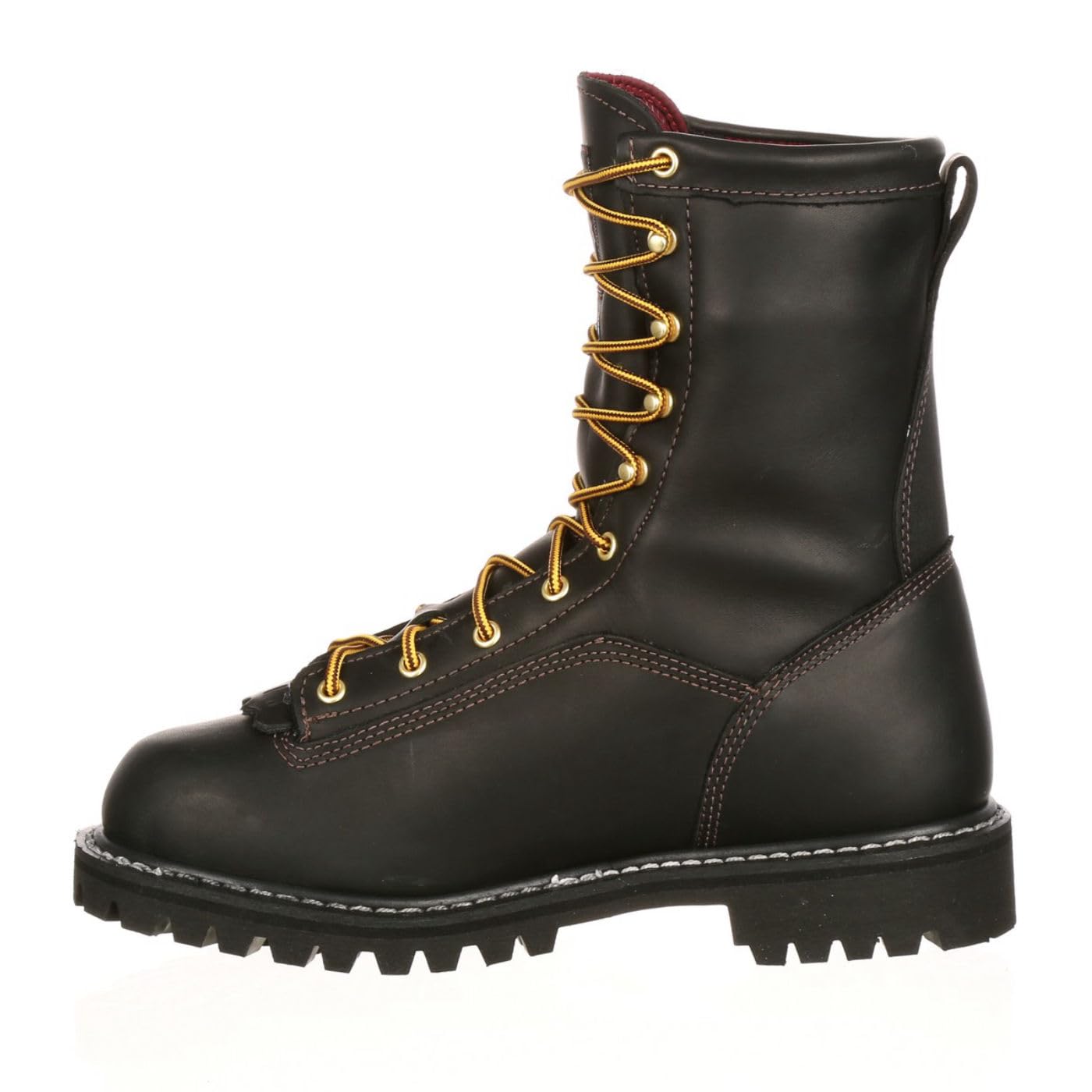
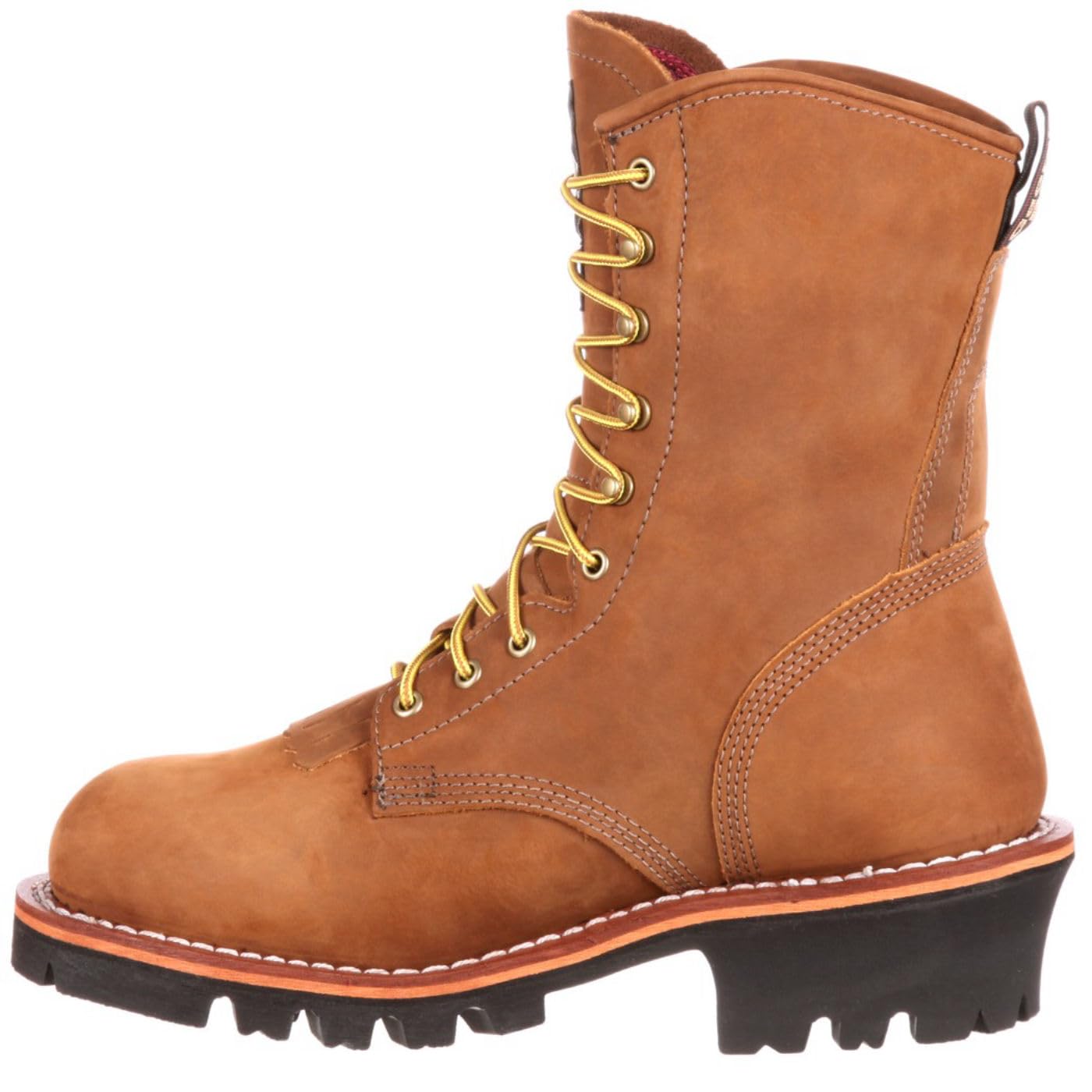

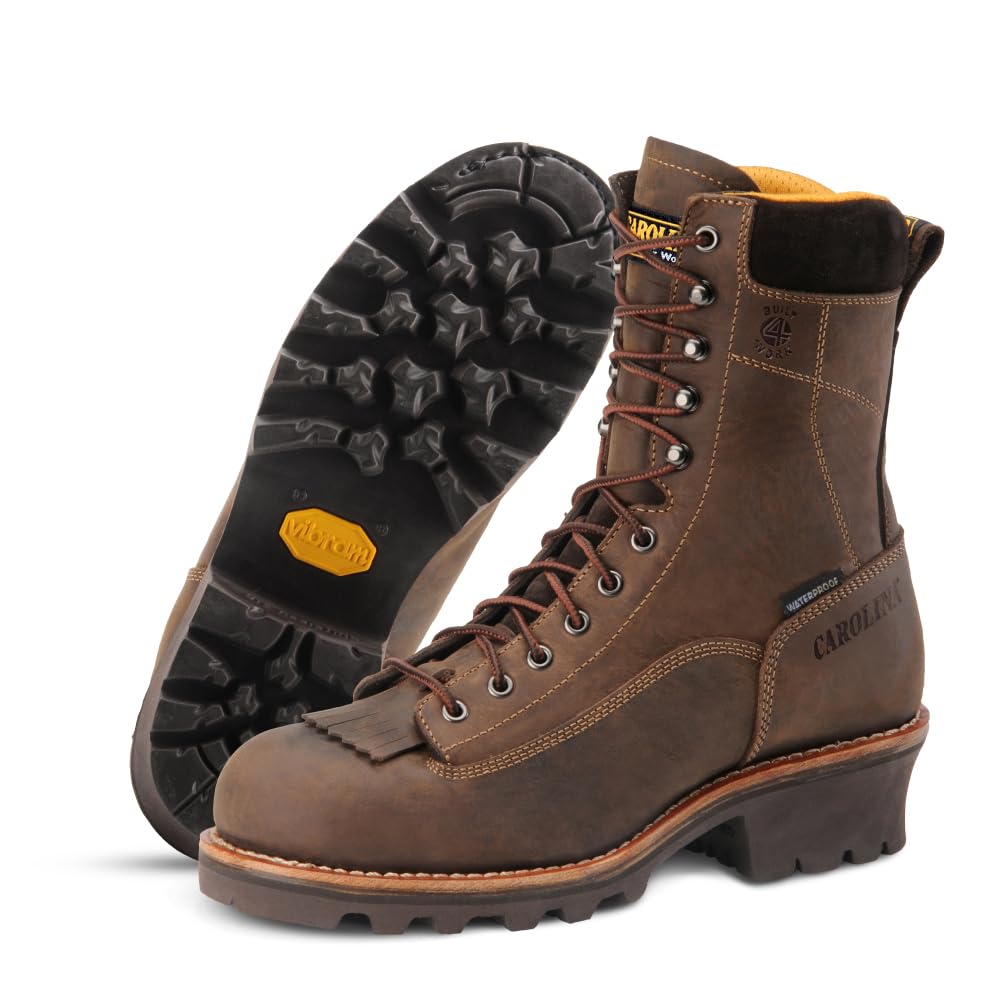
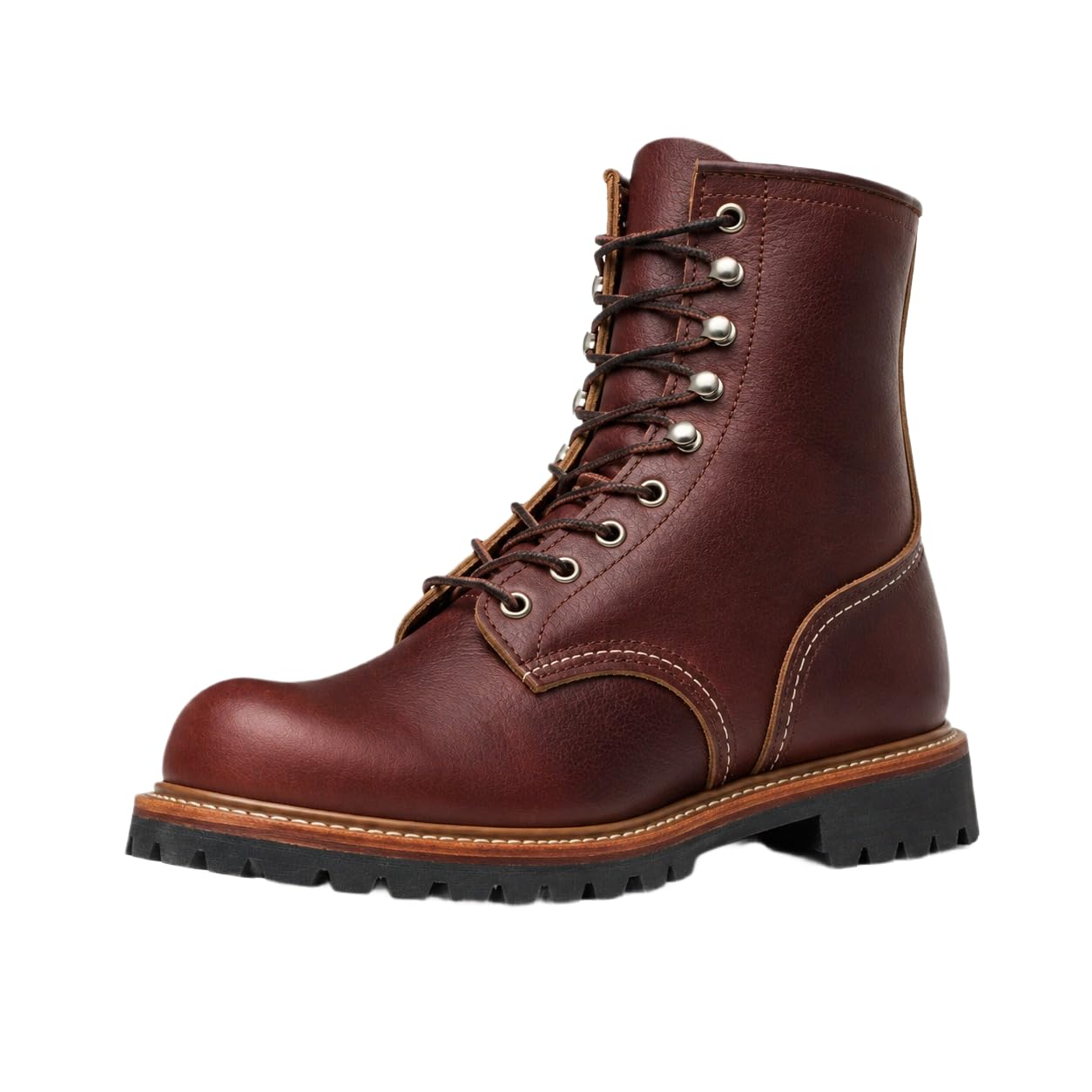
Who Should Buy Which American Made Logger Boots?
Start with the work you do most weeks. Your ground, tools, and hours on foot should decide shaft height, toe type, and lining before price.
Timber Fallers and Loggers on Steep Ground
You walk slopes covered in slash and loose soil, often with a saw in hand. Prioritize a tall shaft, a pronounced logger heel, and a deeply lugged outsole that bites when you sidehill. A firm shank and strong arch support matter on a grade. Choose a build that can be resoled, because steep ground wears heels fast.
Arborists Who Climb With Spurs
You need a boot that works on the ground and in the tree. The heel breast, the front edge of the heel, gives your climbing spurs a solid place to sit, and a stiff shank carries your weight on the spur without bending. Look for a shaft tall enough to pad your calf against the spur strap, and never trade away shank stiffness to save weight.
Forestry Crews and Sawmill Workers in Wet Conditions
You stand and walk full shifts where rain, mud, and wet bark are normal. A waterproof lining keeps socks drier on wet mornings, while a safety toe guards against dropped logs. Steady domestic sizing helps crews who reorder the same model for years. If your site requires a rated toe, confirm the rating before you order.
Key Features to Compare
Compare the six factors below in order. Together they decide grip, protection, and service life.
Tall Shaft and Logger Heel
Most logger boots stand about 8 to 10 inches tall, and that height supports the ankle on uneven ground and shields the lower leg from brush. The logger heel is taller than a standard work boot heel, at about 1.5 to 2 inches, and its sloped front edge helps the boot hold on slopes and ladders. On flat mill floors, choose a moderate heel in this range.
Leather Thickness and Construction You Can Resole
Domestic logger boots often use thick full grain leather, because the upper must resist brush and repeated flexing without cracking early. Construction matters as much as the hide. Stitchdown and welted builds attach the sole with stitching a cobbler can remove, so the boot gains a new sole and keeps its broken in upper. Cemented soles cost less but usually end the life of the boot once the tread wears smooth.
Safety Toe and Shank Protection
Logger boots come with soft toes, steel toes, and composite toes, and the right choice follows your site rules and tasks. Steel offers proven protection in a slimmer profile, while composite weighs less and feels less cold in winter. Below the foot, a steel or nylon shank stiffens the boot for climbing and guards your arch. Match the safety marking to your employer rule.
Waterproofing and Breathability in Logger Boots
A waterproof membrane keeps rain and wet brush from soaking through, and it suits crews who work through storms. The trade off is airflow, because a lined boot dries slowly and can feel warm during summer climbing. Unlined leather breathes better and dries faster overnight, and with regular oiling it sheds light rain well. Many buyers keep one pair for warm months and one for the wet season.
Outsole Grip and the Heel Breast
The outsole uses deep, widely spaced lugs that clear mud instead of packing smooth, and the rubber should stay grippy on wet wood. A defined heel breast gives climbing spurs and ladder rungs a firm edge. Match the compound to the surface you cross most often, because hard rubber can skate on wet bark.
Fit, Sizing, and Toe Box in Logger Boots
Logger boots should hold the heel snugly, leave room for toes to lie flat, and flex at the ball of the foot. Try boots late in the day with your work socks, because feet swell during a shift. If you develop ongoing numbness, sharp pain, or skin that does not heal, stop wearing the pair and talk with a clinician or a qualified boot fitter about your personal needs.
Choosing Between Logger Boot Types for Climbing and Ground Work
Three choices narrow the field. Decide soft toe or safety toe from your site rules. Decide lined or unlined from how much of your year is truly wet. Then weigh climbing, because regular spur work calls for the stiffest shank and the most defined heel.
When you shop for the best american made logger boots for your own mix of climbing and ground work, weigh rebuild access too. A factory rebuild program suits a daily professional, while a simpler welted model suits a weekend landowner. If you also need a lower pair for shop and yard tasks, see our guide to the best american made work boots, built around flatter soles and shorter shafts.
American made logger boots often cost about $300 to $600, and higher prices usually buy thicker leather and rebuild support. Spend first on fit and construction, then on lining and finish.
Common Mistakes to Avoid When Buying American Made Logger Boots
- Buying by price alone leaves you with thin leather and a cemented sole that cannot be resoled once the tread wears smooth.
- Ordering your sneaker size without a fit check leads to heel slip and blisters, because logger boots use work lasts with room for thick socks.
- Choosing a soft toe for a site that requires a rated safety toe can get your pair rejected at the gate.
- Picking a waterproof lining for hot, dry summer work traps heat and sweat, so your feet stay damp from the inside instead.
- Skipping the warranty and rebuild terms means you may learn only after purchase that your model has no resole service at all.
- Wearing a new pair straight into a full shift causes sore arches and hot spots that a gradual break in would have prevented.
Care and Maintenance of American Made Logger Boots
Brush off mud and bark each day, and pull the insoles out so the inside can dry. Dry wet boots at room temperature away from direct heat, because a stove vent can crack leather and loosen sole bonds. Rotate two pairs on wet ground, since rested leather lasts longer.
Condition the leather when it looks dry, working oil into the flex points at the ankle and toe. Check laces and eyelets monthly, and replace a frayed lace early. When tread runs smooth but the upper still feels sound, arrange a resole rather than buying new. For a broader look at domestic footwear, see our guide to the best american made boots.
American Made Logger Boots: Your Questions Answered
Are expensive American made logger boots worth the added cost?
Yes, for full time woods work they often are, because the price buys construction that can be serviced instead of discarded. A resole or rebuild can return a worn pair to service for less than a new pair. A faller in boots six days a week usually recovers that premium.
Do American made logger boots need a waterproof lining for wet forests?
Not always, because well oiled leather alone sheds brush moisture and light rain during a normal shift. A lining earns its place when you stand in standing water, work through steady rain, or start most mornings in soaked brush. Buyers often miss drying time, since a lined boot that stays damp inside can smell and degrade faster than an unlined pair.
How should American made logger boots fit when new?
American made logger boots should feel snug at the heel and midfoot, with clear space ahead of your longest toe. A small amount of heel lift is normal in a stiff new pair and fades as the leather takes the shape of your stride. Lace firmly from the bottom up. If your toes go numb during a short try on at home, exchange the size rather than hoping the toe box will stretch.
Can American made logger boots be worn for a full shift?
Yes, once broken in they are built for full shifts on rough ground, and the tall shaft and shank reduce ankle and arch fatigue. Plan the first week with shorter days and a backup pair at midday. A cushioned work insole can help that first week.
How often should American made logger boots be resoled or replaced?
Resole American made logger boots when the lugs no longer bite on wet wood or the heel edge rounds off, which often arrives before the upper wears out. Replacement is the right call when leather cracks through at the flex point, the shank breaks, or the upper no longer holds your ankle. Keep the worn pair as a dry weather backup.
How long does the break in period last for American made logger boots?
The break in period for thick leather logger boots usually takes about one to two weeks of regular wear, and stiff climbing models can take longer. Wear the pair at home first, then add work hours as the ankle leather softens. Blisters signal a fit problem more often than simple stiffness, so adjust lacing or sock thickness early instead of pushing through pain.
The Bottom Line
Choose by your ground and tools first. Fallers need heel, lug, and shank strength, climbers need a true heel breast, and wet ground crews need a lining they can dry each night. Fit and resole access matter more than finish.
Use the product table above to compare shaft height, toe type, and price against that short list. When the best american made logger boots for your work are clear, order the size that passes a downhill step test at home, break the pair in gradually, and keep the leather fed so the boots repay their cost.


