
Best American Cowboy Boots: A First Time Buyer's Guide for 2026
Disclosure: We may earn a commission when you buy through links on this page, at no extra cost to you. As an Amazon Associate I earn from qualifying purchases. Learn more

Shopping for the best american cowboy boots for the first time? Learn the terms, compare options, and avoid rookie mistakes with this easy guide.
Buying your first pair of cowboy boots feels different from buying ordinary shoes. The fit is snug in new places, the heel lifts your step, and the shaft changes how your jeans fall. The best american cowboy boots for you match your feet, your use, and your budget, and the comparison table below will make more sense once you know the basic terms.
This guide starts with what American made means, then walks through fit, leather, toe shape, and heel style in plain language. You will also learn how to handle the first wears and which mistakes cost new buyers the most money.
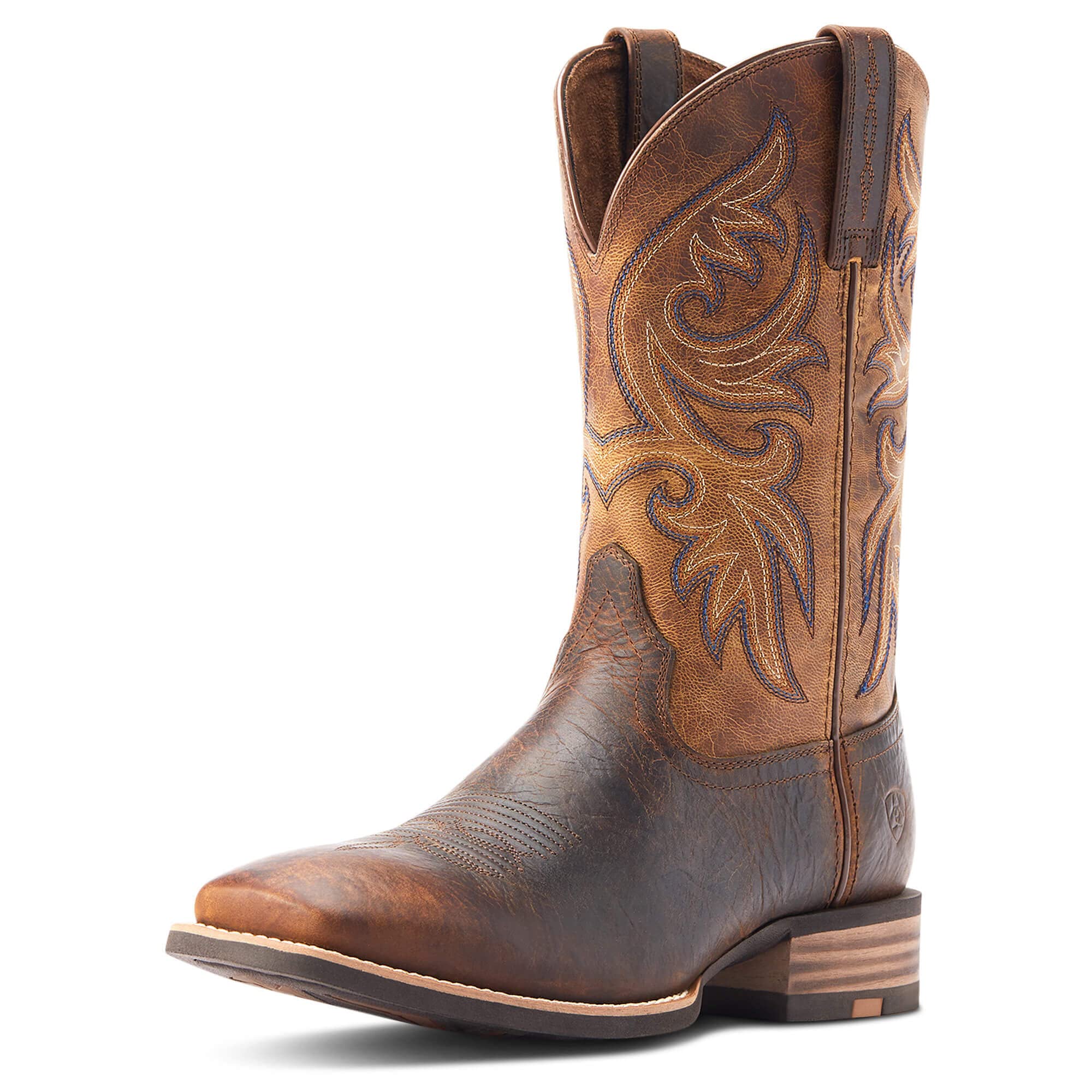

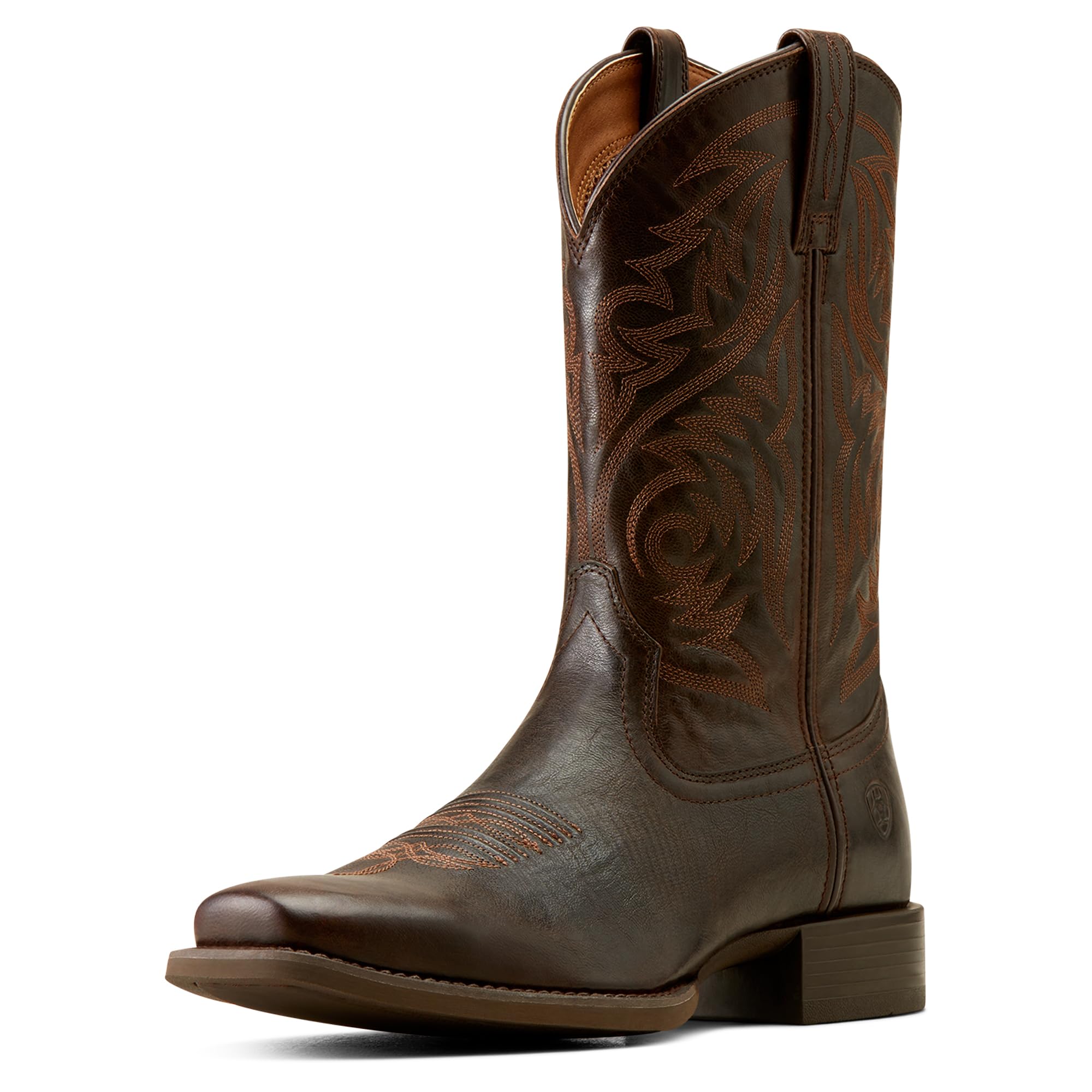


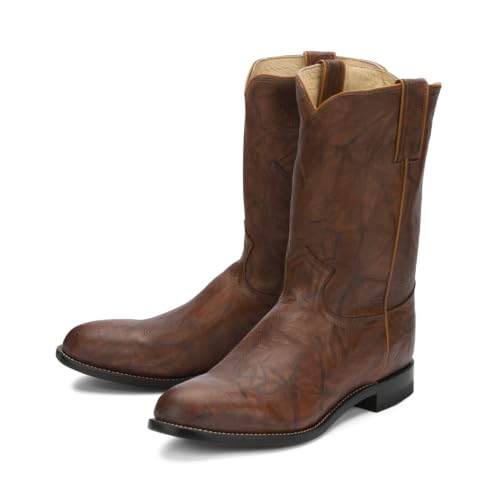
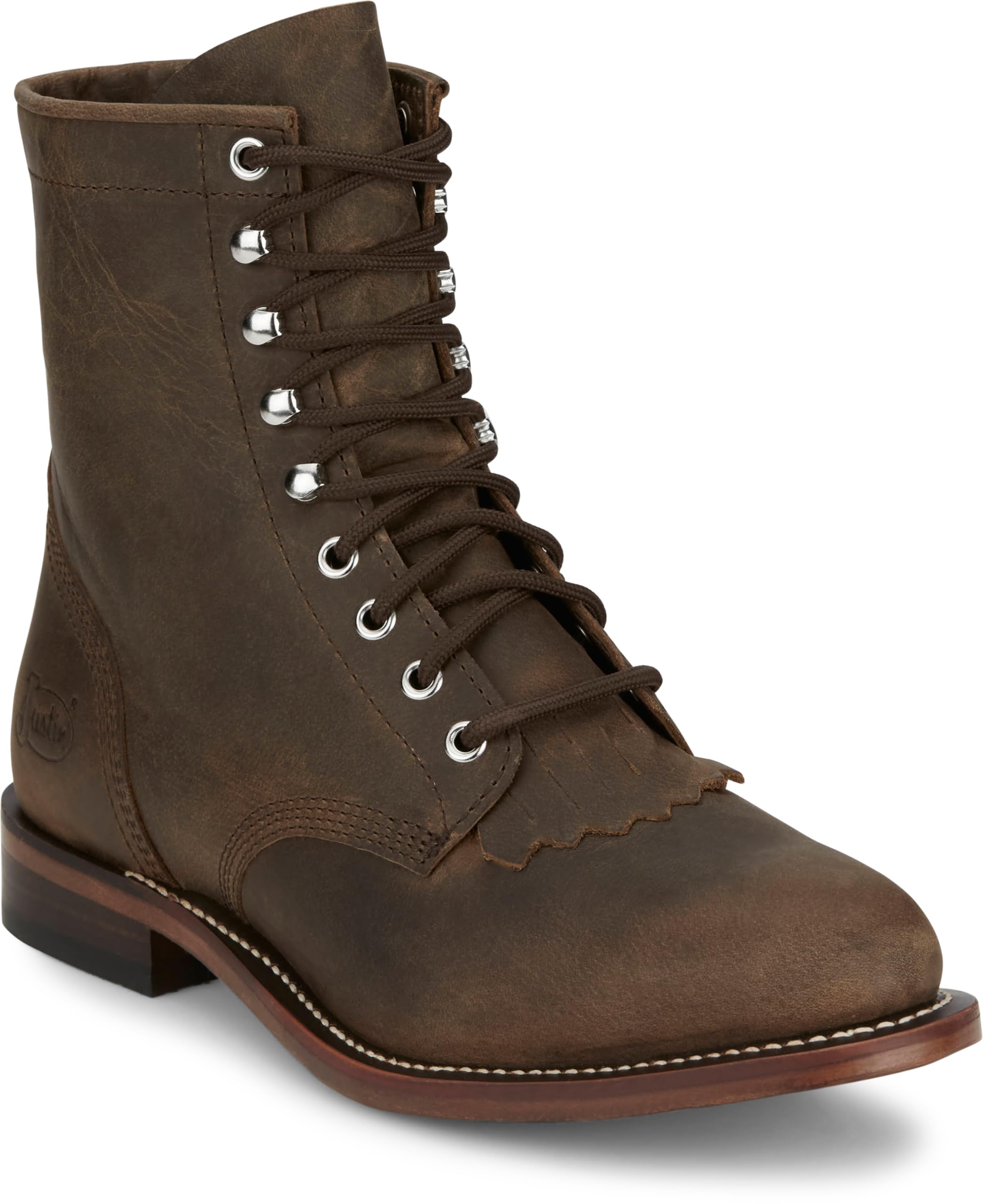
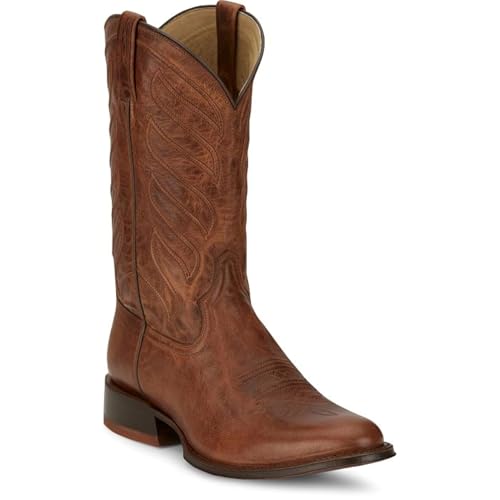
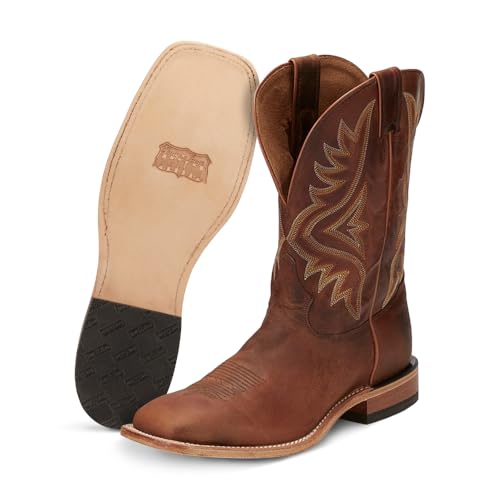
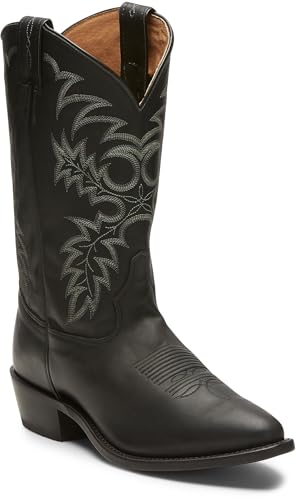
American Cowboy Boots 101: The Basics for First Time Buyers
A cowboy boot is a tall leather boot built for riding and ranch work, with a shaft that rises to mid calf, a shaped heel, and no laces to snag. Pull straps help you draw the boot on, and shaft stitching also helps the leather hold its shape. American made pairs are cut, lasted, and finished in United States workshops, and honest labels state where the work was done.
A stitched welt joins the upper to the sole and can be resoled, while a glued sole costs less but is harder to repair. If build quality is your top concern, see our guide to the best quality cowboy boots for welts and leather grades. For American made footwear beyond the cowboy style, see our guide to the best american boots.
Who Should Buy American Made Cowboy Boots?
Start with how you will actually wear the boots. Your main use decides toe shape, heel height, and outsole material before color enters the choice.
New Western Wear Buyers Who Want One Versatile Pair
You want boots for town, travel, and casual work, worn with jeans most days. Choose a classic or round toe, a moderate riding or roper heel, and plain leather in brown or black. This middle path suits the widest range of outfits and floors.
Riders and Ranch Hands Who Work in the Saddle
You need a heel that holds in a stirrup and a shaft that guards your lower leg from brush and saddle leather. Choose a taller underslung riding heel, a pointed or narrow square toe that enters the stirrup easily, and a leather outsole if you ride more than you walk.
Women and Men Shopping for Daily Wear and Dancing
You want style with all day comfort for markets, concerts, and dance floors. Look for a cushioned insole, a lower roper heel, and a shaft width that fits your calf without pinching. Women comparing narrower cuts can see our guide to the best ladies cowboy boots, while men can see our guide to the best cowboy boots for men.
Cowboy Boot Specs That Decide Fit and Comfort
When you compare best american cowboy boots side by side, these five factors explain most of the difference in fit, comfort, and price.
Fit, Sizing, and Toe Box in Cowboy Boots
Measure both feet late in the day, when they are at their largest, and buy for the longer foot. A new boot should feel snug across the instep, firm at the heel with slight lift, and free enough at the toes that they lie flat without curling. Pointed toes need extra length, square toes give wide feet more room, and round toes suit most first time buyers. If you fall between sizes, try the half size up with a thicker boot sock before you change width.
Cushioning and Support in Cowboy Boots
Cushioning comes from the insole and the leather midsole, not from a thick foam sole like a trainer has. A cushioned insole softens hard floors at events or markets, while a plain leather footbed molds to your foot over time and feels firmer at first. Stability comes from a steel or composite shank under the arch and a snug instep, which keep the boot from twisting on uneven ground. Choose more cushioning for concrete, and a firmer footbed for riding.
Break In Period and Comfort Out of the Box
Leather cowboy boots soften with heat and movement, so the first wears rarely show the final fit. Expect the instep and ankle to ease over about 10 to 20 hours of wear, while the sole gains flex at the ball of the foot. A boot that pinches a toe joint will not fix itself with time, because break in eases stiffness but does not add length or width. Swap any pair with sharp pain on day one.
Weight and Flexibility in Cowboy Boots
A leather pair often weighs about 3 to 5 pounds together, and tall shafts add more. Heavier boots protect your feet around stock and equipment and hold their shape for years, while lighter builds tire your legs less on long town days. The boot should flex enough for a natural stride, yet not fold at the ankle when you press the sides together. Pick weight by your longest normal day, not your shortest.
Arch Support and Foot Type in Cowboy Boots
Your arch shape decides how the shank and insole feel after an hour. Flat feet often do better with a firm shank and a structured insole that limits inward roll, while high arches often need added cushioning under the heel and forefoot. A removable insole lets you fit a slim insert, but check that it does not lift your heel out of the pocket. Persistent foot pain is a sign to talk with a clinician or a qualified fitter about your personal needs.
Getting Started: First Wear and Fit Checks for New Cowboy Boots
Wear new boots at home first, on clean floors, for about 30 to 60 minutes at a time. Walk, sit, and climb a few stairs, and note any hot spot before it becomes a blister. Then switch to boot socks that reach above the shaft top.
Use a boot jack to remove boots without crushing the heel counter, and pull them on with the straps rather than forcing your foot past the instep. If you are building outfits around a new pair, see our guide to the best jeans for cowboy boots for leg shapes that sit cleanly over the shaft.
Rookie Mistakes to Avoid
- Buying pointed toes in your normal shoe size leaves toes crowded, because the narrow front needs extra length.
- Judging fit in the morning leads to a tight pair, because feet swell and grow larger by evening.
- Choosing a tall riding heel for long walks on concrete invites sore calves, because that heel is built for stirrups.
- Treating all leather as waterproof leads to soaked feet, because most cowboy boots resist light moisture only.
- Skipping boot socks causes blisters, because bare skin rubs against stiff new leather.
- Paying for exotic leather before you know your size wastes money, because a costly skin cannot fix a poor fit.
Care and Maintenance for Leather Cowboy Boots
Brush dust and dried mud from the leather after wear, and wipe the shaft with a soft damp cloth when salt builds up. Apply a thin coat of leather conditioner about every few months, or sooner if the surface looks dry and pale, and let it absorb fully before wear. Too much conditioner can darken light leather, so buff the extra away.
Let wet boots air dry at room temperature away from direct heat, stuffed loosely with plain paper to hold their shape. Heat can crack leather and loosen glue at the sole. Store boots upright with boot trees or rolled towels in the shafts, and rotate pairs if you wear cowboy boots daily, since a rest day lets the footbed dry.
Frequently Asked Questions
How long is the break in period for American cowboy boots?
Most leather American cowboy boots break in over about 10 to 20 hours of wear spread across several days. Short home sessions help the leather shape itself without raising blisters. The ankle crease that forms in that first week is normal and shows where the boot will flex.
How often should I replace my American cowboy boots?
You should replace American cowboy boots when the upper cracks through, the shank feels broken, or a resole can no longer restore the sole. Well built pairs can last many years with resoling, so judge condition, not age. Once the heel counter collapses and your heel rolls in every step, the boot no longer supports you.
Can I wear American cowboy boots all day?
Yes, you can wear American cowboy boots all day once they are broken in and the heel height suits your walking. Start with shorter days while the footbed shapes to your foot. For long days on hard floors, a cushioned insole and a lower roper heel reduce fatigue.
Do I need waterproof cowboy boots for everyday use?
No, most everyday buyers do not need fully waterproof cowboy boots, because town and dry ranch use rarely soak the leather. Water resistant treatments shed light rain well enough for most days. If you muck stalls or cross wet fields daily, choose a waterproof work style instead, and accept a warmer boot as the trade.
How should American cowboy boots fit a first time buyer?
American cowboy boots should fit snug at the instep, secure at the heel with slight lift, and relaxed at the toes. That heel lift shrinks as the sole flexes and the footbed settles, which surprises many new buyers. Press the leather over your instep while standing: you should feel firm pressure, not pain.
Are expensive American cowboy boots worth it for a beginner?
Expensive American cowboy boots can be worth it if the extra cost buys full grain leather, a stitched welt, and a fit you will wear for years. Price alone proves nothing, and exotic skins raise cost faster than comfort. Beginners often get better value from a classic leather pair at about $200 to $400.
The Bottom Line
Fit comes first, then leather and construction, then style. Match toe shape and heel to your main use, measure late in the day, and give leather time to shape. Use the product table above to compare shaft height, toe shape, and price.
When you choose best american cowboy boots this way, your first pair can serve you in the saddle, at work, and in town. Start plain, and let real use teach you what your second pair should change.


