
Best Air Fryer Microwaves 2026: A Practical Guide
Disclosure: We may earn a commission when you buy through links on this page, at no extra cost to you. As an Amazon Associate I earn from qualifying purchases. Learn more

Compare air fryer microwaves on cooking power, size, and ease of use, so you choose a combo appliance that truly earns its kitchen space every day.
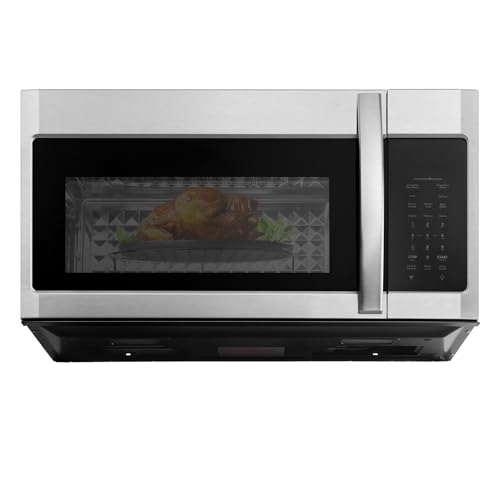
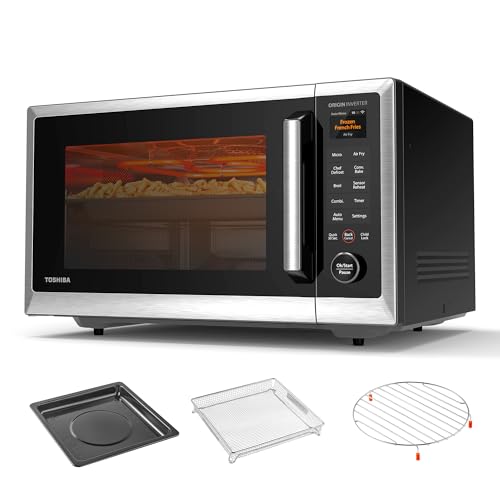
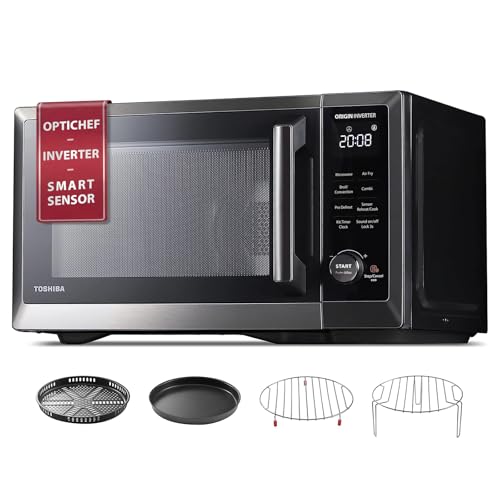
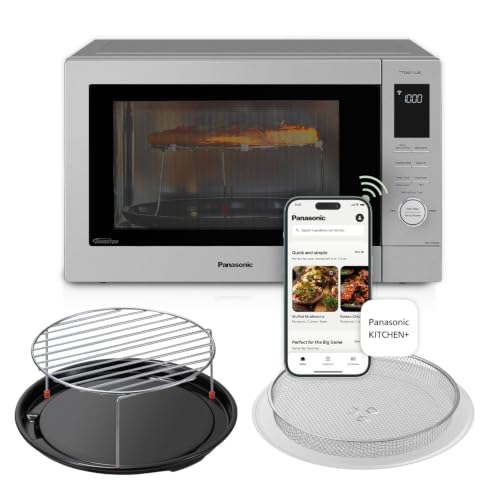
Best air fryer microwaves combine two appliances in one box, offering microwave speed plus crisping power for foods that a microwave alone leaves soggy. The comparison table below sets out the main types side by side so you can compare capacity, power, and cooking modes. A good combo appliance reheats quickly, crisps fries and snacks, and handles everyday meals without crowding your worktop with two machines.
Combo appliances suit small kitchens, busy households, and anyone who wants fewer gadgets without losing cooking options. They do involve trade offs, since a combo rarely matches a dedicated air fryer for crisping or a large microwave for capacity. This guide explains those trade offs honestly, so you decide whether a combo suits your cooking habits.




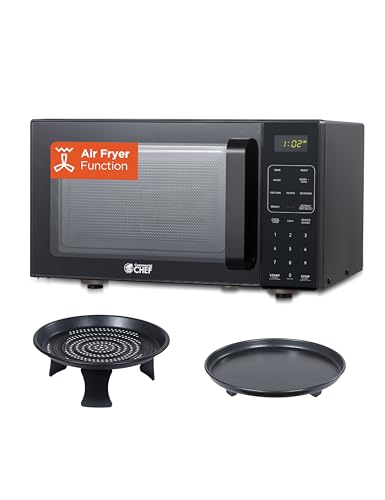

Who Should Buy an Air Fryer Microwave
An air fryer microwave suits small households, flat dwellers, and anyone short on worktop space. It also suits busy cooks who reheat leftovers daily and want crisper results for snacks, nuggets, and roasted vegetables. Families who cook quick meals on weeknights benefit from one appliance that handles both reheating and crisping.
If you air fry large batches often, a dedicated air fryer with a bigger basket may serve you better. Similarly, large families who microwave big dishes may need a larger standalone microwave. A combo shines when space matters and your air frying stays modest in scale.
How Combo Cooking Works
A combo appliance uses microwave energy for fast heating and a heating element plus fan for crisping, either separately or together. Microwave mode suits reheating, defrosting, and cooking soft foods quickly. Air fry mode circulates hot air around food to crisp the outside, which suits fries, snacks, and small roasts.
Combination modes blend both methods to cook food faster while still crisping the surface. Results vary by model, so check how easily you can adjust power, temperature, and time separately. A clear display and simple presets help, especially when several people share the appliance. For dedicated crisping comparisons, see best air fryer ovens.
Size, Capacity, and Kitchen Fit
Capacity decides what you can cook, from a single snack to a family meal. Small combos suit one or two people and fit easily on a worktop, while larger models handle bigger dishes but need more space and ventilation. Measure your worktop, check door clearance, and leave the recommended gaps around the appliance for airflow.
Internal shape matters as much as total volume, since a wide, shallow cavity suits plates and trays better than a tall, narrow one. Check turntable size and whether the air fry basket or tray fits your usual dishes. A combo that cannot hold your favourite baking tray will frustrate you daily, no matter how good its specs look.
Power, Controls, and Features
Microwave power affects reheating speed, while air fry temperature range affects crisping quality. Higher microwave wattage reheats faster, and a wide air fry temperature range handles everything from gentle warming to high heat crisping. Look for a model that lets you control both settings clearly rather than hiding them behind vague presets.
Useful features include a child lock, an easy clean interior, and a defrost setting based on weight. A quiet fan matters in open plan kitchens, while a bright interior light helps you watch food without opening the door. Avoid paying for dozens of presets you will never use, and favour controls that feel intuitive on first use.
Cleaning and Maintenance
Combo appliances need regular cleaning, since grease from air frying can coat the interior and affect microwave performance. Wipe the cavity after greasy cooking, clean the air fry tray promptly, and wash removable parts as the maker directs. A non stick interior coating makes cleaning easier, though it needs gentle care to avoid scratches.
Check filters and vents when the maker provides them, since blocked vents reduce efficiency and can cause overheating. Never run the appliance empty in microwave mode, and follow guidance on suitable containers for each mode. Metal trays suit air fry mode but must never be used in microwave mode, so learn which accessories belong to each setting.
Mistakes to Avoid
The most common mistake is expecting combo results identical to a dedicated air fryer, then feeling disappointed. Combos crisp well for small batches but may cook more slowly or less evenly than a standalone air fryer. Another mistake is buying too small a model for family meals, which forces batch cooking and erases the time saving.
Many buyers also ignore ventilation and placement, then find the appliance overheats or blocks worktop space. Measure carefully, leave airflow gaps, and place the combo where steam and heat can escape safely. A well placed combo earns its space daily, while a cramped one becomes a daily annoyance.
Everyday Meals That Suit a Combo Appliance
Combo appliances shine for everyday meals that mix reheating and crisping, such as leftover roast vegetables finished with a short crisping blast or frozen snacks cooked straight from the freezer. Plan meals around the combo strengths by reheating sauces and soups in microwave mode, then crisping toppings or sides separately in air fry mode. This two stage approach gives better texture than either mode alone and keeps weeknight cooking fast.
Batch cooking also suits a combo when you cook components rather than whole large meals at once. Roast a tray of vegetables in air fry mode while rice or pasta cooks elsewhere, then reheat everything together briefly before serving. Small batch thinking avoids the capacity limits that frustrate combo owners, and it keeps each component at its best texture.
Experiment gradually with times and temperatures, noting what works for your favourite dishes in a small notebook or phone note. Combo cooking varies between models, so personal notes beat generic charts after the first few weeks. With a short list of trusted settings, the combo becomes a fast, reliable helper rather than a puzzle you solve anew each night.
Cleaning between modes deserves a moment of attention too, since grease left from air frying can affect microwave performance and leave odours that taint reheated food. Wipe the cavity with a damp cloth after greasy sessions, wash the crisping tray promptly, and leave the door ajar briefly so moisture escapes. This small habit keeps both cooking modes working well and prevents the stale smell that makes owners blame the appliance rather than simple maintenance.
Frequently Asked Questions
Is an air fryer microwave as good as a separate air fryer?
An air fryer microwave crisps food well for small batches, but a separate air fryer usually crisps faster and more evenly for larger amounts. Combos save space and handle reheating plus crisping in one box, which suits small kitchens. Dedicated air fryers offer bigger baskets and stronger airflow for frequent frying. Choose a combo when space matters most, and a separate air fryer when crisping volume matters most.
Can I use metal trays in an air fryer microwave?
You can use metal trays in air fry mode when the maker supplies them for that mode, but never use metal in microwave mode. Microwaves reflect off metal and can damage the appliance or cause sparking. Always check which accessories suit each mode, and keep microwave safe containers for microwave cooking. When in doubt, use the mode specific accessories provided with the appliance.
What foods work best in an air fryer microwave?
Foods that work best in an air fryer microwave include fries, nuggets, roasted vegetables, and small snacks that benefit from crisping. Reheated leftovers gain a better texture when finished with a short air fry blast. Soups, sauces, and soft foods suit microwave mode alone. Avoid very large roasts or thick doughs that need the space and airflow of a larger dedicated oven.
How do I clean an air fryer microwave?
Clean an air fryer microwave by wiping the interior after cooking, washing the air fry tray promptly, and removing spills before they bake on. Use mild soap and a soft cloth, and avoid abrasive pads on coated interiors. Clean vents and filters as the maker directs, and let parts dry fully before reuse. Regular light cleaning beats occasional deep cleaning and keeps both cooking modes working well.
Do air fryer microwaves use more electricity?
Air fryer microwaves use more electricity during air fry mode than during microwave mode, since the heating element and fan run longer. Short air fry finishes add modest cost, while long crisping sessions use more power. Microwave reheating stays very efficient for quick jobs. Overall cost depends on how often you use each mode, so use microwave mode for simple reheating and reserve air fry mode for foods that need crisping.
Final Thoughts
Best air fryer microwaves make sense when one appliance must do two jobs in a small kitchen. Use the product table above to compare capacity, power, controls, and cleaning ease against your real cooking habits. A combo that fits your space and your meals will earn its place, while one bought on specs alone may disappoint.
Measure your worktop, learn which accessories suit each mode, and test both cooking modes in the first week. With realistic expectations and simple care, a good combo appliance can simplify daily cooking without crowding your kitchen.


