
Best All Mountain Enduro Bike: Budget, Midrange, and Premium Tiers for 2026
Disclosure: We may earn a commission when you buy through links on this page, at no extra cost to you. As an Amazon Associate I earn from qualifying purchases. Learn more

Compare the best all mountain enduro bike at every price point. Learn what you get at budget, midrange, and premium levels and where spending more pays off.
Prices for enduro capable trail bikes stretch from under $2000 to well past $8000, and the spec sheets at each level all claim the same words: stiff, capable, ready. This guide sorts the money for you, tier by tier, so you can see exactly what an extra thousand dollars buys and where it stops mattering. Whether you climb for your descents or shuttle to the top, understanding the tiers is how you find the best all mountain enduro bike for your trails without overspending.
The comparison table below lists current models across the tiers with travel, weight, and brake details. Use it after the tier sections, when you know which level fits your riding and which features deserve your money.
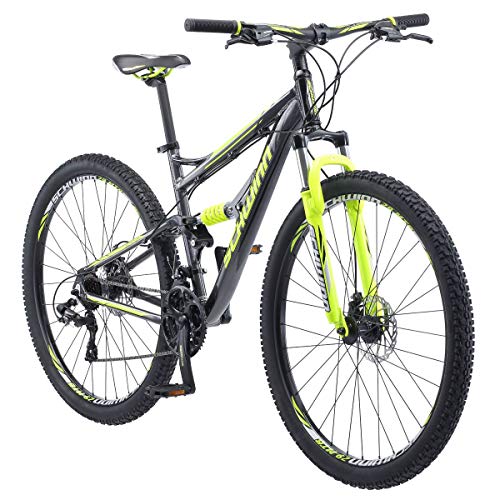
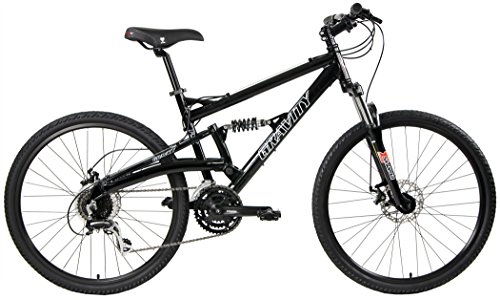
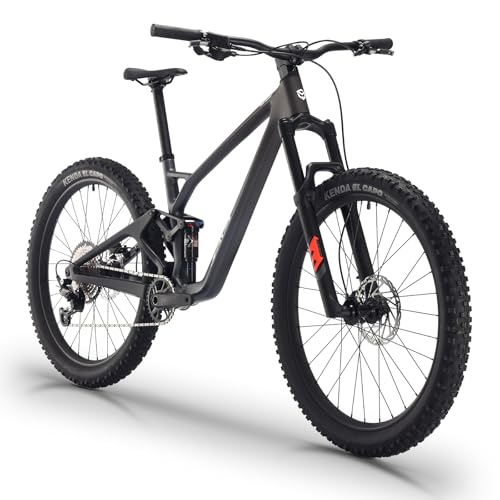
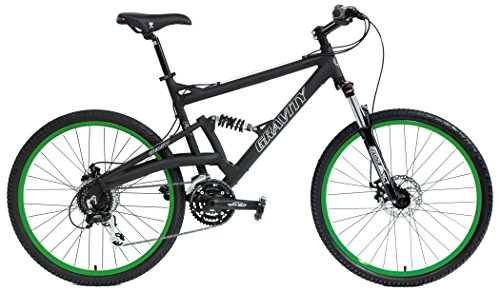

How to Judge Each Budget Tier
Budget Tier: The Entry Checklist
Around $1500 to $2500, judge a bike by whether the safety parts are right, not by its weight. The non negotiable items are hydraulic disc brakes with a large front rotor, an air fork you can set for your weight, and a 1x drivetrain with a clutch. A dropper post may be absent at the lowest prices, so budget about $150 to $250 to add one later. This tier suits riders learning steep trails, riders who descend a few times a month, and anyone who would rather spend the savings on tires, pads, and park days. Expect an aluminum frame and heavier wheels, and accept them gladly.
Midrange Tier: The Value Checklist
Around $2500 to $4500, the checklist shifts to refinement. Suspension gains real compression adjustment, so the bike stays calm through repeated hits instead of packing down. Wheels get stronger rims and faster engaging hubs, brakes grow to four piston calipers, and most builds arrive with tubeless tires already mounted. This is the tier where a bike stops needing immediate upgrades. It suits weekly riders, enduro racers at the local level, and anyone whose descents are long enough that brake fade and arm fatigue used to end the day early. If your budget reaches only one tier fully, this is the one to reach.
Premium Tier: The Performance Checklist
Above around $4500, you are paying for carbon frames, lighter wheels, and suspension with separate high speed and low speed compression circuits. The checklist here is about support and tuning: can a local shop service the fork and shock, are spare links and bearings stocked, and does the warranty cover racing? Premium builds suit riders who train on the bike several days a week, race a full season, or keep a bike for many years and value small gains in grip and fatigue. The speed difference versus midrange is real but modest, so buy this tier for durability and feel, not for a transformation.
What Your Money Gets You at Each Price Tier
Budget Tier: What to Expect
Budget builds pair an aluminum frame with a capable but simple fork, usually with rebound adjustment only. Travel sits around 140 to 160 mm, brakes are two piston or entry four piston hydraulics, and tires use harder rubber that lasts longer but grips less in the wet. Weight lands around 34 to 37 lb. Nothing here is dangerous or broken; the parts simply ask more of you. You will brake earlier, pick smoother lines, and service pivots more often. For a first enduro season, that trade is honest value.
Midrange Tier: The Sweet Spot for Most Buyers
Midrange builds keep the aluminum frame on many models or introduce carbon at the top of the band. Suspension travel grows to around 150 to 170 mm with shocks that handle long descents without fading, and drivetrains shift cleanly under load. Grippier tire rubber, stronger wheels, and a dropper post with more travel all arrive as standard. Weight drops to roughly 31 to 34 lb. Most riders feel the jump from budget to midrange on the very first descent, in quieter hands, later braking, and energy left for one more lap.
Premium Tier: When Spending More Pays Off
Premium money buys carbon frames that can drop two pounds, wheels that accelerate and steer with less effort, and suspension that a skilled rider can tune for each track. Electronic shifting appears, along with the best brake feel in the sport. It pays off when you ride often enough to notice small differences and race seriously enough to chase them. It pays off least for occasional riders, because tires, pads, and chains still wear at the same rate, and a premium bike ridden monthly costs a fortune per mile compared with a midrange bike ridden weekly.
Features Worth Paying For (and Ones to Skip)
Frame Material and Geometry
Pay for geometry before material. A head angle around 63 to 65 degrees, a steep seat angle near 77 degrees, and reach matched to your torso decide how the bike climbs and descends far more than carbon does. Aluminum frames at midrange prices ride within a whisper of carbon for most riders. Steel is rare here and too heavy for long climbs. If you do pay for carbon, spend it on the frame, where it cuts the most weight, rather than on small carbon parts that save grams nobody feels.
Wheel Size and Tires
Most enduro bikes run 29 inch wheels for roll over speed, sometimes with a 27.5 inch rear wheel for quicker turns and more clearance. Tire choice swings grip more than wheel size does, so budget for soft compound tires around 2.4 to 2.5 inches wide with strong casings that resist cuts on rock. Riders learning which rubber suits their soil should read our guide to the best enduro mountain bike tires. Wheel strength matters equally on landing heavy, and our guide to the best enduro mountain bike wheels explains rim width and hub choices. Skip ultra light tires entirely; a torn sidewall ends races and ruins weekends.
Sizing and Fit
Fit is a feature you cannot upgrade later, so pay attention here for free. Use your height and inseam against the brand chart, check standover over the top tube, and think about reach with a dropper post raised. Enduro riding rewards a slightly longer bike for stability at speed, but a frame that is too long makes tight switchbacks a wrestling match. Between sizes, riders on steep and fast terrain usually size up, while riders on tight and technical trails size down. A parking lot spin tells you little; a demo day tells you almost everything.
Bike Type and Riding Style
Be honest about the split between climbing and descending in your week. A pure enduro build with 170 mm of travel earns its keep on bike park days and steep natural trails, yet it feels like a chore on mellow loops. An all mountain build near 150 mm handles the same descents a touch slower and climbs far more happily. Cross country bikes do not belong on enduro terrain at all, and road and gravel bikes belong on smoother ground entirely. Braking power ties the whole choice together, so riders upgrading stoppers should see our guide to the best enduro mountain bike brakes for rotor and pad guidance.
Choosing Mountain Enduro Bikes for Your Situation
Best All Mountain/enduro Mountain Bike
If you want one bike that earns the label best all mountain/enduro mountain bike, split the difference deliberately. Choose travel around 150 to 160 mm, tires with a strong casing but a tread that still rolls on climbs, and brakes with metal pads for long descents. Weight near 32 lb keeps fire road climbs pleasant. This blended build gives up a little park speed and a little climbing snap, and in return it never feels wrong anywhere, which is exactly what a single bike garage demands.
Long Term Costs to Factor In
The purchase price is only the first bill. Enduro riding eats tires in about a season, brake pads a few times a year, and chains roughly yearly, so plan about $300 to $600 a year for an actively ridden bike. Suspension needs a lower leg and air can service around every 50 to 100 hours of riding, plus a full service yearly. Protective gear is part of ownership too: a full face or sturdy trail helmet matters on steep terrain, and our guide to the best mountain bike enduro helmet covers fit and vents, while flat pedal riders grip better with help from our guide to the best enduro mountain bike shoes. A longer warranty on frame and wheels is worth real money here, so read its terms before comparing final prices.
Mountain Enduro Bikes: Your Questions Answered
How much should I spend on my first bike?
For a first enduro capable bike, about $2000 to $3500 covers the parts that matter: strong brakes, an air fork, a clutch drivetrain, and a dropper post. Below that range you will upgrade quickly and spend the savings anyway. Above it, gains target racers more than learners. Keep about $300 aside for a helmet, pads, and a shock pump, because protective gear and correct setup improve your first season more than a lighter frame does.
What size bike do I need?
Start with the brand chart using your height and inseam, then weigh reach heavily, because enduro bikes are long by design. You want room to move above the bike on descents without your arms locked straight at pedaling height. Standover still matters for awkward stops on off camber trails. If two sizes both claim you, pick based on terrain: longer for fast and open, shorter for tight and steep. A demo ride on real dirt settles the question better than any measurement.
Hardtail or full suspension for beginners?
For enduro terrain, full suspension is the right answer, because a rear shock keeps the back wheel tracking through rock gardens where a hardtail would bounce offline. Beginners learn line choice and braking faster when the bike forgives small errors. A hardtail still suits smooth trails and very tight budgets, and it builds smooth habits, but it is the wrong tool for steep, rough descents. If your heart is set on enduro trails, put the money into suspension rather than into any other part of the build.
Final Thoughts
Sort yourself into a tier first, then judge bikes inside it by geometry, brakes, and fit. Midrange money serves most riders best, budget money works when the safety checklist is complete, and premium money pays only for riders who log serious hours. Compare your finalists in the product table above, and remember that fresh tires and correct suspension setup beat a tier jump you cannot feel. Picked on those terms, the best all mountain enduro bike for you is the one whose strengths match your steepest trail and whose costs you can sustain season after season.


