
Best All Metal Kitchen Faucets: Every Type Explained Side by Side for 2026
Disclosure: We may earn a commission when you buy through links on this page, at no extra cost to you. As an Amazon Associate I earn from qualifying purchases. Learn more

Compare best all metal kitchen faucets by type, finish, spout reach and valve quality in this buying guide to a faucet that lasts for years.
Many faucets look like metal on the outside and hide plastic inside, in the spray head, the cartridge housing, or the supply connections. That hidden plastic is often where leaks and cracks start. This guide to best all metal kitchen faucets compares the main types side by side so you can tell where the metal actually is and why it matters.
You will learn how pull down, touchless, and commercial style models differ, what a ceramic disc valve does for lifespan, and how to match spout reach to your sink. Use the comparison table below to shortlist a type, then check the fit details before ordering.


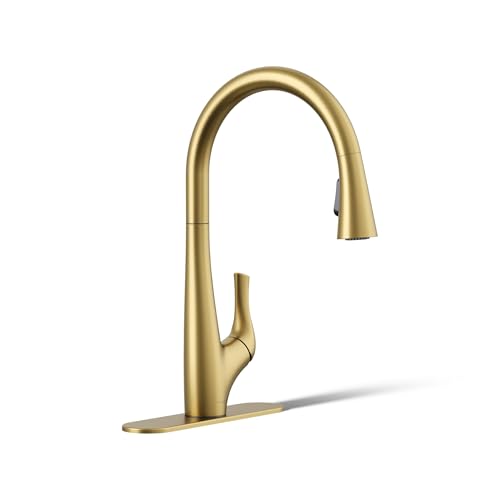
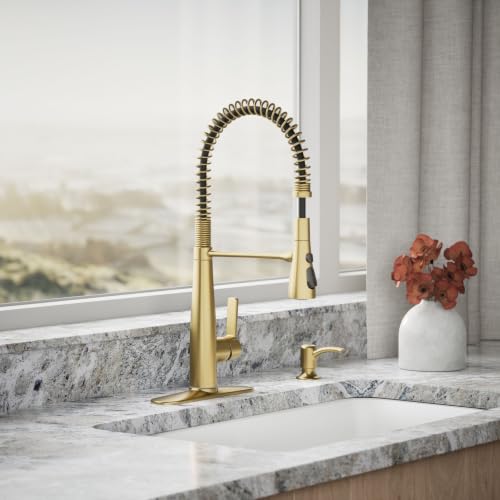


Types of Metal Kitchen Faucets Compared
All three types below can be built with a brass or stainless steel body, and that body is the foundation of a long service life. Where they differ is how you control the water and how the spray head moves. Prices rise with sensors and tall commercial styling, while a simple pull down design usually gives the most metal for the money. If you want a broader starting point, see our guide to the best recommended kitchen faucets alongside this type comparison.
Pull Down Faucets
A pull down faucet has a spray head that pulls down into the sink on a braided hose, then docks back into the spout, often with a magnet. The tall arc gives room for stockpots, and the head usually offers stream and spray modes plus a pause button for filling a pot on the counter.
The hose and docking system are the wear points, so look for a counterweight that retracts smoothly and a head made of metal rather than plastic. Choose this type for deep sinks, heavy daily cooking, and households that rinse a lot of produce and pans.
Touchless Faucets
A touchless faucet uses a sensor near the base or spout to start and stop flow when you wave a hand or a pan nearby. The handle still sets temperature, and most models run on batteries under the sink, with an optional wall adapter. It is genuinely useful when your hands carry raw chicken or dough.
The trade off is complexity. Sensors, solenoid valves, and battery packs add parts that can fail, and cheap sensors can trigger when you do not want them to. Choose this type if hygiene and convenience matter most, and keep the manual override in mind when you compare models.
Commercial Style Faucets
A commercial style faucet copies the tall spring wrapped spout of a restaurant pre rinse station, with an exposed coil and a powerful spray head, plus a separate pot filler spout on many designs. The height clears the tallest pots and looks striking in a large kitchen.
That height is also the catch. Tall models can splash in shallow sinks and may not fit under cabinets or a window frame above the sink. Choose this type for a big, deep sink, serious home cooking, and a kitchen where the faucet is meant to be a visual centerpiece.
Pull Down Faucets vs Touchless Faucets: Which Should You Choose?
Daily control is the main difference. A pull down model responds instantly and predictably, and its spray head reaches every corner of the sink. A touchless model keeps the handle and counter cleaner, but you give up a little precision, since the sensor handles flow while the lever handles temperature only.
Cost and upkeep also split them. Touchless versions usually cost more up front and need battery changes and sensor cleaning. Pull down versions cost less and fail in simpler ways you can often fix with a new cartridge or hose. If several people cook and mess is constant, touchless earns its price. If you want the fewest parts over a long life, pull down wins, and pairing it with the right sink matters too, as our guide to the best kitchen sinks and faucets explains.
How to Choose the Right Metal Kitchen Faucet
Finish and Material
A solid brass body is the traditional mark of durability because brass resists corrosion and holds threads well. Stainless steel bodies resist rust and pair naturally with stainless sinks and appliances. Whichever body you choose, confirm that the spray head and handle are metal too, since those parts take daily knocks.
Finish is a separate layer over that metal. Chrome is hard and easy to clean, brushed nickel hides water spots well, and matte black shows spots more but suits modern kitchens. Spot resistant finishes genuinely help if your water is hard. A lead free certification also matters for drinking water, so check for it on the listing.
Faucet Style: Pull Down, Pull Out, Touchless, and Commercial
Match the style to your sink and habits. Pull out heads suit shallow sinks and low clearance because the spout stays low while the head travels. Pull down heads suit deep sinks. Touchless suits messy cooks and households with kids who forget the handle.
Also count your sink holes before you shop. A single hole faucet with an optional deck plate can cover a three hole sink, but a wide deck plate looks bulky on a clean counter. If you plan a soap dispenser or a disposal button, leave holes and under sink space for those parts.
Reach, Height, and Clearance
Spout reach, usually about 8 to 10 inches, decides whether the stream lands in the middle of your sink bowl or too close to the back edge. Measure from the faucet mounting point to the drain and compare. A stream that lands near the drain splashes less and fills pans where you actually place them.
Height matters twice. The arc must clear your tallest pot, and the top of the faucet must clear any cabinet, shelf, or window trim above the sink. Measure both before ordering, because commercial style models can stand well over 20 inches tall once installed.
Warranty
A lifetime limited warranty on finish and function is common on quality metal faucets and signals that the maker expects the cartridge and body to last. Read what it covers. Some warranties cover the original owner only and require proof of purchase, and electronic parts on touchless models often carry a much shorter term.
Also check how claims work. A maker that ships a free replacement ceramic disc cartridge quickly is worth more than a longer warranty with slow support. Keep your receipt and model number in a kitchen drawer so a claim years later takes minutes, not a search.
Choosing Metal Kitchen Faucets for Your Situation
Best Long Lasting All Metal Kitchen Faucets
If lifespan is your top priority, the best long lasting all metal kitchen faucets share three traits: a brass or stainless body with no plastic in the spray head, a ceramic disc cartridge you can replace, and standard supply connections that any plumber can service. Simpler pull down designs usually outlast sensor models because they have fewer electronic parts. Budget hunters can still apply these same checks using our guide to the best inexpensive kitchen faucets, since price alone does not tell you where the plastic hides.
Tips to Get the Most From Your Metal Kitchen Faucet
- Clean the aerator every few months. Unscrew it, rinse out grit, and soak it in vinegar if flow slows, because sediment is the usual cause of weak or crooked streams.
- Wipe finishes with mild soap and a soft cloth only. Abrasive pads and harsh cleaners wear through finish layers, especially on matte and gold tones.
- Check under sink lines and shutoff valves for slow leaks twice a year. A damp cabinet floor found early is a small fix, not a cabinet replacement.
- Work the spray head hose gently and keep the under sink area clear so the hose and counterweight move without snagging on bottles.
Finish choice also shapes daily care. If you love a warm metal look, our guide to the best gold kitchen faucets covers which gold tones hide spots best, and fans of clean lines can compare shapes in our guide to the best contemporary kitchen faucets.
FAQs
Are touchless faucets worth it?
Yes, for cooks who handle raw meat often or share the kitchen with kids, because the sensor cuts cross contamination and keeps the handle cleaner. The value drops if you rarely cook messy food, since you pay for electronics and batteries. One underrated benefit is water saving, because the flow stops the moment your hands leave the sensor zone.
What finish is easiest to keep clean?
Brushed and spot resistant finishes are the easiest to keep clean because their texture hides fingerprints and dried water drops. Polished chrome shows every spot but wipes clean fastest with a dry cloth. Matte black looks calm yet shows soap film the most, so it rewards a quick daily wipe if you choose it.
How long do kitchen faucets last?
A quality all metal faucet with a ceramic disc cartridge often lasts 15 to 20 years, while models with plastic internals may start dripping in half that time. Hard water shortens any faucet life by building scale inside the cartridge. Flushing the aerator and replacing the cartridge when drips start can add years without replacing the whole fixture.
Can I install a kitchen faucet myself?
Yes, most single hole and deck plate faucets are within reach of a handy homeowner with a basin wrench, a bucket, and about an hour. Shut off both supply valves first and open the old faucet to drain pressure. Call a plumber instead if the shutoff valves are corroded, the old fittings will not budge, or you need new holes drilled.
Our Verdict
Decide the type first, then confirm the body and spray head are truly metal, then measure reach and height against your sink and cabinets. Those three checks matter more than any finish trend. The right choice among best all metal kitchen faucets is the one whose cartridge you can replace and whose stream lands where you work. Compare your finalists in the product table above before you order.


