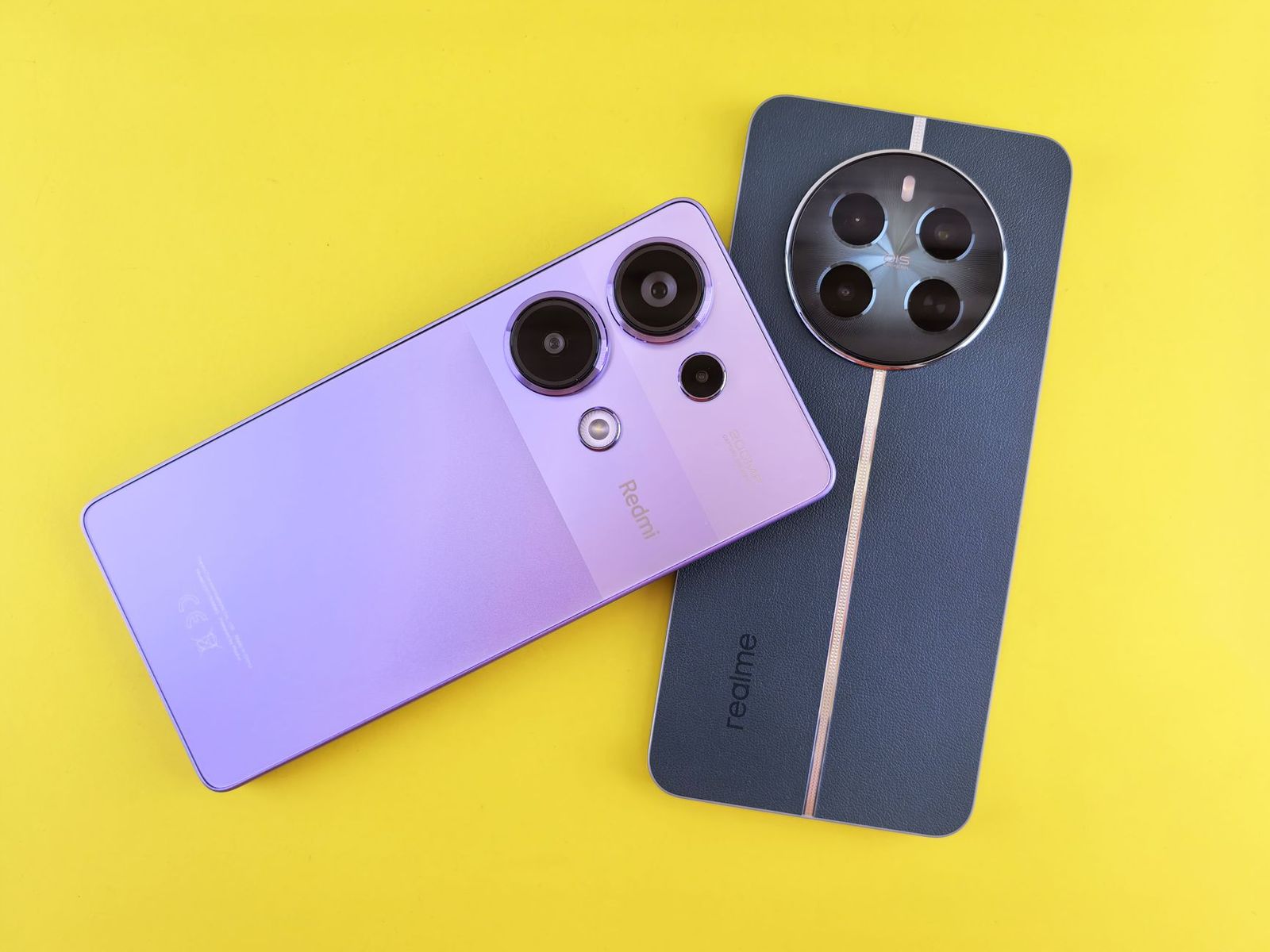
Best All Around Smartphones: Every Type Explained Side by Side for 2026
Disclosure: We may earn a commission when you buy through links on this page, at no extra cost to you. As an Amazon Associate I earn from qualifying purchases. Learn more

Compare the best all around smartphones by type, pros and cons, ideal users and price range to pick a phone that fits your day.
Phone shopping overwhelms quickly. Screens, cameras, chip names, and storage tiers all compete for your attention, and every price band claims to be the smart choice. The best all around smartphones cut through that noise by balancing display, battery, camera, and long term software support without wasting money on features you will rarely use.
This guide compares phone types side by side so the tradeoffs stay clear. Use the comparison table below to see typical price ranges, then work through the choice sections to match a type to your hands, your photos, and your daily routine.


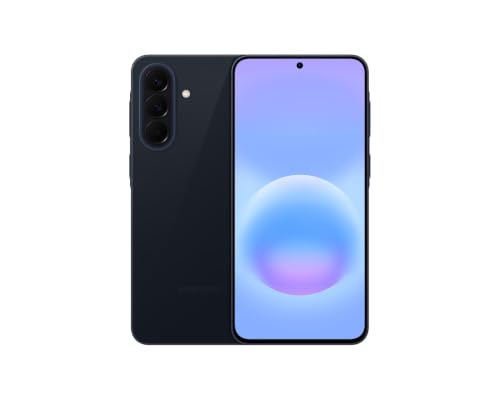


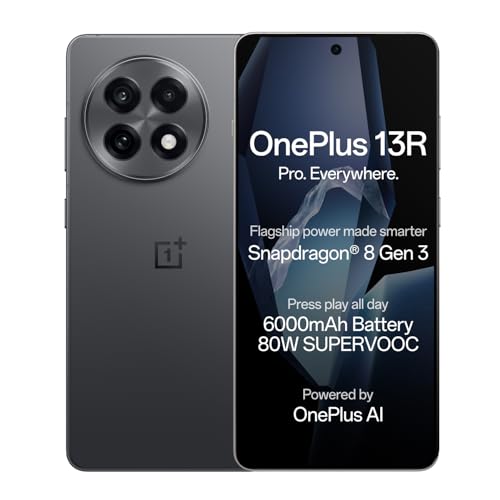
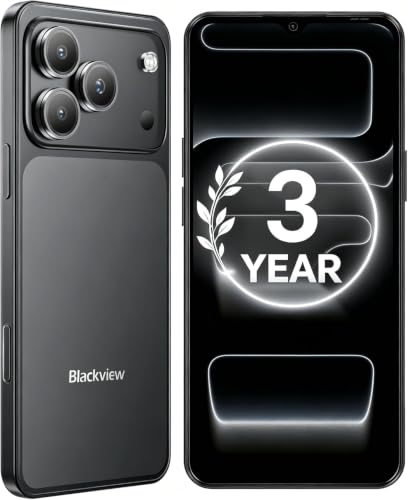
Types of Smartphones Compared
Most phones fall into a few broad types, and price alone does not tell you which type fits. Compact models trade screen size and battery capacity for comfort in one hand. Budget models protect the essentials and cut camera and build extras. Flagship models bundle the best screens, cameras, and materials at the highest prices. Between them sits the broad middle tier that many all around buyers actually want. Typical pricing runs from under $200 for basic budget models, about $300 to $600 for strong middle tier models, and $800 and above for flagships.
Compact Phones
Compact phones use smaller bodies and screens, usually around 6.1 inches or less, so they fit pockets and small hands with ease. They often share powerful chips with larger flagships, which means fast everyday speed in a lighter package. The tradeoffs are real. A smaller battery means more frequent charging on heavy days, and a small screen makes video, games, and split screen work less enjoyable. Heat also has less room to spread during long camera or gaming sessions. Choose a compact model if one hand use and pocket comfort matter more than maximum screen space.
Budget Phones
Budget phones focus on the basics done well: a clear screen, a battery that lasts a full day, and enough speed for calls, messages, maps, and social apps. They cut costs with plastic bodies, fewer camera lenses, slower charging, and shorter software update promises. Photos in good light can look fine, but night shots and zoom usually disappoint. For shoppers weighing this tier, the guide to best smartphones around 10000 shows the kinds of compromises that appear at the lowest prices. A budget phone suits light users, first phone buyers, and anyone who replaces a phone only when the old one fails.
Flagship Phones
Flagship phones combine the brightest OLED screens, the fastest chips, the most complete camera systems, and premium materials such as glass and metal frames. They usually add wireless charging, strong water resistance such as an IP68 rating, and the longest update commitments. You pay for that bundle whether you use it or not. If you rarely shoot video, never game, and keep brightness low indoors, much of the flagship premium goes unused. Choose a flagship when camera quality, display quality, and a long service life justify a price that can exceed $1000.
Compact Phones vs Budget Phones: Which Should You Choose?
These two types solve different problems. A compact phone is a size choice, often with flagship level speed and cameras, while a budget phone is a price choice with clear feature cuts. On display, compact models often use sharp OLED panels, while budget models may use dimmer panels that wash out in sunlight. On battery, budget phones frequently win, because their larger bodies hold bigger batteries and their chips sip power. On longevity, a compact flagship usually receives updates for more years, which can make its higher upfront cost easier to justify.
Decide by your main frustration. If your current phone feels like a brick in your pocket, go compact. If your current phone simply costs too much to replace, go budget and accept slower cameras. A practical know how point is to hold your current phone and note where your thumb reaches. If you constantly shift your grip to reach the top of the screen, a smaller display will feel better every single day.
How to Choose the Right Smartphone
Display Size and Quality
Look for an OLED display if your budget allows it, because OLED gives deep blacks, strong contrast, and better battery behavior with dark themes. A refresh rate of 120 Hz makes scrolling and animation feel smoother than the older 60 Hz standard, though it uses a little more power. Outdoor brightness matters more than resolution for most people. A screen that stays readable in sunlight beats a sharper screen you cannot see at the bus stop. Size is personal, so balance video comfort against pocket fit and thumb reach.
Storage Options
For most buyers, 128 GB is the minimum worth buying, and 256 GB is the safer choice if you shoot video, download shows, or keep a phone for four years or more. Photos, apps, and system files all grow over time, and a full phone slows down and blocks updates. Some budget models still offer a microSD slot for cheap extra space, which helps for music and downloads but not for most apps. Buy more built in storage than you think you need, because you cannot add it later on most modern phones.
Battery Life and Charging Speed
Battery capacity is measured in mAh, and most all around phones carry roughly 4500 to 5500 mAh. Capacity alone does not predict endurance, since screen size, chip efficiency, and software matter just as much. Look for a phone that comfortably ends your heaviest day with charge to spare. Fast wired charging refills a low battery during a short break, which can matter more than a huge battery if you travel often. Wireless charging adds desk and car convenience, but it is slower and generates more heat, so it stays a secondary feature for most buyers.
Camera System
Judge cameras by the lenses you will actually use. A good main camera handles most photos, an ultrawide lens helps with groups and landscapes, and a true telephoto lens gives clean zoom for travel and events. Night mode quality separates strong systems from weak ones more than daylight shots do. For video, steady stabilization and clear audio matter as much as resolution. Shoppers comparing value across tiers can see how camera cuts change by price in the guide to best smartphones around 15000, which is a useful reality check before paying flagship prices.
How to Make Your Smartphone Last Longer
- Use a case and a screen protector from day one, because one cracked screen repair can cost more than a careful budget phone.
- Keep software updated, since updates patch security flaws and often improve battery behavior and camera processing.
- Avoid charging in extreme heat, and do not leave a phone baking on a sunny car dashboard while it charges.
- Leave some storage free, ideally at least 10 percent, so updates install cleanly and the phone does not slow down.
- Replace a worn battery at an authorized service point instead of replacing the whole phone when the rest still works well.
Longevity is also a buying decision. A phone with five or more years of security updates can stay safe and useful far longer than a cheaper phone abandoned after two years. When you compare total cost, divide price by realistic years of use rather than staring at the sticker alone. The overview at best smartphones around 25000 can help you see what longer support and better builds look like at higher budgets.
All Around Smartphones: Your Questions Answered
How many years of updates should a phone get?
Aim for at least four years of security updates, and more if you keep phones for a long time. Longer support keeps banking, health, and work apps safer and delays forced replacement. Some premium lines now promise seven years, while cheap models may stop after two. Check the maker promise for the exact model before you buy, because update policy varies even within one brand and one price tier.
How much storage do I need?
Most people should buy 256 GB if they shoot regular video or plan to keep the phone beyond three years. Light users who stream everything and back up photos to cloud storage can live with 128 GB. Check your current phone settings for actual usage, then double it as a growth margin. Games are the hidden factor. A few large games can consume more space than thousands of ordinary photos.
Is a mid range phone good enough?
Yes, for most people a good middle tier phone is good enough. Modern middle tier models offer bright OLED screens, capable main cameras, and batteries that outlast many flagships. You give up the best zoom cameras, the fastest chips for heavy gaming, and some premium materials. If your daily use is messages, browsing, photos of family, and navigation, the savings are better spent on storage, a case, or a longer lasting battery plan.
Do I need 5G?
You need 5G mainly if you keep a phone for several years or live where carriers are shifting capacity to 5G networks. For basic use, good 4G coverage still handles streaming, calls, and maps without trouble. The bigger benefit of a recent 5G phone is often its newer, more efficient chip rather than raw speed. Check your carrier coverage map for your home and work areas instead of assuming citywide service.
Should I buy unlocked?
Buy unlocked if you value carrier freedom, easier travel with local SIM or eSIM options, and a cleaner resale path. An unlocked phone also avoids carrier added apps in many cases. The tradeoff is paying more upfront, since carrier deals spread cost over monthly bills and may include trade in credits. Read the full payment total either way, including required plan costs, before deciding which route truly costs less.
The Bottom Line
Pick the type first. Compact for comfort, budget for essentials, flagship for cameras and longevity, and the middle tier for the balance most people actually need. Then confirm three details: a screen you can read outdoors, storage with room to grow, and an update promise that matches how long you keep a phone.
Compare your shortlist with the product table above and with the ranked overview at best smartphones ranked if you want a second view of the market. The best all around smartphones are not the ones with the longest spec sheet. They are the ones whose strengths match your day, every day, for years.