Best Alcove Whirlpool Tubs: Every Type Explained Side by Side for 2026
Disclosure: We may earn a commission when you buy through links on this page, at no extra cost to you. As an Amazon Associate I earn from qualifying purchases. Learn more

Compare the best alcove whirlpool tubs by type, size, jet system, and cost, with a clear guide to materials, safety, and upkeep before you buy.
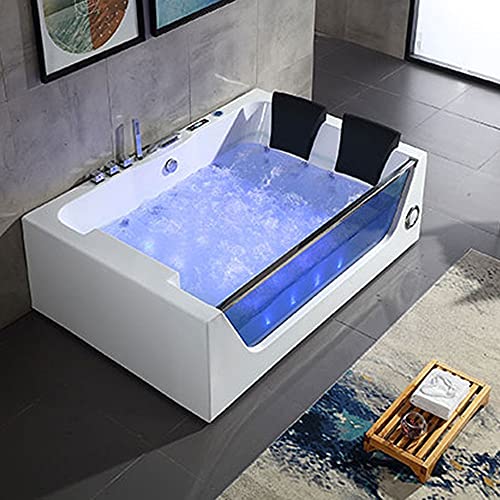
An alcove tub fits between three walls, which makes it the standard shape in most bathrooms, and adding whirlpool jets turns that everyday tub into a soaking retreat. The confusion starts with the types: different lengths, jet counts, pump sizes, and materials all hide behind similar product photos. This guide explains the best alcove whirlpool tubs by type, so you can match a tub to your bathroom, your body, and your budget before anything gets tiled in. Start with the comparison table below, because once a tub is installed, changing your mind gets expensive.


Types of Alcove Whirlpool Tubs Compared
Alcove whirlpool tubs divide first by budget and size, and those two choices shape everything else, from jet power to how the tub feels at year five. The sections below describe what each type gives you and what it quietly leaves out.
Budget Options
Budget alcove whirlpool tubs, often around $500 to $900 for the tub itself, usually come in the standard 60 inch length with a modest jet count, commonly six to eight jets, and a smaller pump. Acrylic shells at this level are thinner, and the jet trim and controls are basic. For an occasional soak in a guest bathroom or a first remodel, that can be entirely enough, because the core experience of warm circulating water is still there.
The compromises show up in the details. Fewer jets mean less targeted pressure for your back, a smaller pump moves water more gently, and thinner shells flex slightly and lose heat faster. Installation costs the same as for a premium tub, so the saving applies only to the purchase price. If the tub will be used weekly for sore muscles, most owners are happier stepping up one tier rather than saving money here.
Mid Range Options
Mid range tubs, roughly around $900 to $1,800, are where most buyers should shop. Expect eight to twelve jets, a stronger pump, thicker acrylic or a reinforced shell, and useful extras such as a built in heater that maintains water temperature during long soaks. Many models add chromotherapy lights or simple digital controls at this level, and widths of 32 to 36 inches give most adults comfortable shoulder room.
This tier also tends to carry better warranties, with longer coverage on the shell and the pump. The value logic is straightforward: you pay once for the tub but use the jets hundreds of times, so pump quality and heater performance matter more than decorative trim. If you are comparing plain tubs first, our guide to the best alcove tubs covers the non jetted versions of the same shapes.
Compact Options
Compact alcove whirlpool tubs serve bathrooms where the standard 60 inch footprint does not fit or where the bather prefers a deeper, more upright soak. Lengths of 48 to 54 inches with greater depth let you sit with water up to your shoulders while using less floor space and less water per fill than a long shallow tub. They suit smaller adults, condo bathrooms, and anyone converting a tight hall bath.
The trade off is stretch out room: taller bathers may find their knees bent more than they like, and two person soaking is off the table. Jet placement matters even more in a compact tub, because the jets must land on your back rather than past it. Sit in a showroom model if you can, or at least compare interior dimensions, not just exterior ones, before ordering. Shoppers who want jets without the alcove layout can also look at our guide to the best freestanding whirlpool tubs.
Budget Options vs Mid Range Options: Which Should You Choose?
Compare the two tiers on five points. First, jet experience: mid range pumps push noticeably stronger flow through more jets. Second, heat: budget tubs rely on the initial fill temperature, while many mid range models include or accept a heater, which matters for soaks longer than about twenty minutes. Third, shell quality: thicker, reinforced shells feel solid underfoot and resist cracks around the drain. Fourth, noise: better pumps and insulated shells run quieter, which counts in small homes. Fifth, warranty: mid range coverage is usually longer on both shell and parts.
The conclusion depends on use. A rarely used guest bath tub can be a budget model without regret. A primary bathroom tub used for recovery after workouts, long workdays on your feet, or simple daily stress relief earns the mid range upgrade quickly. Remember that plumbing, electrical, and tile work often cost more than the tub itself, so the price gap between tiers shrinks as a share of the whole project.
How to Choose the Right Alcove Whirlpool Tub
Maintenance and Long Term Costs
Whirlpool plumbing needs regular cleaning because warm water and residue collect in the lines. Plan on a system flush every one to three months using a cleaner made for jetted tubs, plus a quick rinse cycle after baths with oils or salts. Long term costs include the cleaner, a possible pump service after several years, and higher water and energy use than a plain tub. An inline heater adds comfort but also adds a part that can fail, so check its warranty separately. Buyers drawn to simpler upkeep may prefer the still water experience in our guide to the best alcove soaking tubs.
Build Quality and Materials
Most alcove whirlpool tubs are acrylic over a fiberglass backing, and the differences are in thickness and reinforcement. Better tubs feel rigid at the rim and the floor, include a solid leveling base or support feet, and use jets with metal or heavy plastic housings that can be serviced. Cast iron with enamel exists but is rare in jetted models because of weight. Check the shipping weight as a rough quality clue, read how the manufacturer supports the tub floor, and confirm that replacement jets and pump parts are sold for the model you choose.
Intended Use and Who It Is For
Define the primary user before you shop. Someone soaking for joint comfort needs deep water, a contoured backrest, and jets aimed at the lower back and feet. An athlete may want stronger pump output and more jets. A family bathroom needs a tub that also works as a normal shower and bath for kids, which means a flat wide floor, a slip resistant surface, and jets that sit flush so little backs are not poked. If hot soaks are part of a health routine, talk with your clinician first, because hot water immersion is not advised for some heart conditions, during pregnancy, or with certain medications.
Price vs Value
Budget tubs run around $500 to $900, mid range around $900 to $1,800, and premium models around $1,800 to $3,500 or more, before installation. Value lives in the mid range for most homes, where pump strength, shell quality, and warranty all improve together. Premium pricing buys more jets, air bath combinations, heaters, and refined controls. Also budget for the hidden items: a dedicated electrical circuit, a GFCI protected outlet for the pump, plumbing changes, and possibly a water heater upgrade if your current tank cannot fill a deep tub with hot water.
Safety and Certifications
Safety starts with electrical rules. The pump and heater must be on a GFCI protected circuit, installed by a licensed electrician, with an access panel left openable for service, which most local codes require. Look for listings from recognized testing labs on the electrical components. On the water side, choose a slip resistant floor texture, plan grab bars if anyone with limited mobility will use the tub, and set your water heater to a safe maximum so fills cannot scald. Children should never be left alone in a jetted tub, and the jets should stay off while a child is bathing.
Tips to Get the Most From Your Alcove Whirlpool Tub
- Read the manual before first use: jet direction, air controls, and cleaning steps differ by model, and ten minutes of reading prevents most early frustrations.
- Clean and inspect regularly: run the manufacturer recommended flush on schedule and check jets and the suction cover for hair or cracks each month.
- Store accessories in a dry place: keep bath pillows and jet cleaner away from humidity so they do not grow mildew between soaks.
- Fill above the jets: running the pump with jets exposed sprays water and can damage the pump, so cover the highest jet by at least an inch or two of water.
- Warm the room, not just the water: a comfortable room temperature makes long soaks feel better and reduces the chill when you step out.
Alcove Whirlpool Tubs: Your Questions Answered
Are expensive alcove whirlpool tubs worth it?
They can be, when the price buys a stronger pump, a heater, and a shell warranty measured in decades rather than years. They are harder to justify when the money goes mainly to lights and decorative trim. One useful check is cost per soak: a tub used three times a week spreads even a premium price across hundreds of sessions, while a rarely used tub in a guest bath never repays the upgrade.
How much should I spend on an alcove whirlpool tub?
Most households land between around $900 and $1,800 for the tub and should reserve a similar or larger amount for installation work. Spend toward the top of that range if the tub anchors a primary bathroom remodel you plan to enjoy for a decade. Also price the matching drain kit, faucet, and any access panel trim at the same time, because small hardware surprises are the most common reason these projects run over budget.
How do I maintain an alcove whirlpool tub?
Beyond the regular system flush, wipe the shell with a non abrasive cleaner after use and leave the tub dry between soaks so residue does not build up. Every few months, remove and clean the jet faces if your model allows it, and inspect the suction cover for cracks, since a damaged cover is a safety issue that means the tub should not be used until it is replaced. Keep a simple log of flush dates on your phone so the habit survives busy seasons.
What features matter most when buying alcove whirlpool tubs?
Pump strength, jet placement, and soaking depth matter more than jet count alone. Ten well placed jets outperform sixteen scattered ones. Also weigh the interior length at the floor, which decides whether you can stretch out, and confirm the tub depth lets water cover the jets and your shoulders at the same time. If temperature holding appeals to you, compare heater equipped models in our guide to the best heated whirlpool tubs.
How long does an alcove whirlpool tub last?
The shell can last 15 to 25 years, while pumps typically last 7 to 12 years and are replaceable through the access panel. Jets and seals may need attention sooner. Longevity improves when the tub sits on a fully supported level base, because flexing is what cracks shells and loosens plumbing joints over time. Ask about parts availability before buying, since a supported brand keeps pumps and jet bodies in stock for many years. For the wider category view, see our guide to the best whirlpool tubs.
Wrapping Up
Measure the alcove, pick the type that fits your space and soaking style, and spend first on pump quality, shell support, and safe electrical installation. Keep the cleaning routine simple and steady, and the tub will reward you for years. The best alcove whirlpool tubs are the ones whose jets land where your body needs them and whose size suits your room. Compare the options in the product table above and choose the type that matches your bathroom and your budget.