Best Alcove Tubs Buying Guide 2026
Disclosure: We may earn a commission when you buy through links on this page, at no extra cost to you. As an Amazon Associate I earn from qualifying purchases. Learn more

Compare the best alcove tubs for standard bathrooms by size, shape, material, installation and value for everyday bathing.
Choosing best alcove tubs is one of the most practical bathroom decisions, since the alcove format fits the standard three wall recess found in most homes. Alcove tubs come in a wide range of lengths, depths, and materials, from simple everyday baths to deeper soaking designs. The right choice balances comfort, installation simplicity, and budget.
The comparison table below lists the main options together, but size, material, and drain position decide fit and daily satisfaction. The sections below explain how to measure an alcove, compare tub shapes, and plan installation so the finished bathroom works well for everyone who uses it.



Who Should Buy This Type
Alcove tubs suit most homes with a standard bathroom recess, especially where a shower over the bath is needed for daily use. They suit families, couples, and single occupants alike, since sizes range from compact models for small bathrooms to longer models for taller bathers. If the bathroom has no alcove, a freestanding or corner tub may fit better.
Buyers renovating on a budget benefit most, since alcove tubs usually cost less to install than freestanding designs and reuse existing plumbing positions. Households with older adults or limited mobility should check step over height and consider grab bars, since alcove tubs vary in entry ease. Measure the users as well as the room.
Key Features to Compare
Length, width, and depth decide comfort and fit. Internal length matters for legroom, while depth affects how much of the body water covers. Width affects elbow room and water use. Drain position, left, right, or center, must match existing plumbing or budget for moving pipes.
Material affects weight, warmth, durability, and care. Acrylic is light and warm, cast iron is durable and heat retentive but heavy, and fiberglass is affordable but less durable. Apron design affects finished looks, since some tubs include a finished front while others need tiling. Check overflow height and shower compatibility for daily use.
- Internal length and depth
- Material and durability
- Drain position
- Apron and surround design
- Shower screen compatibility
Types Compared
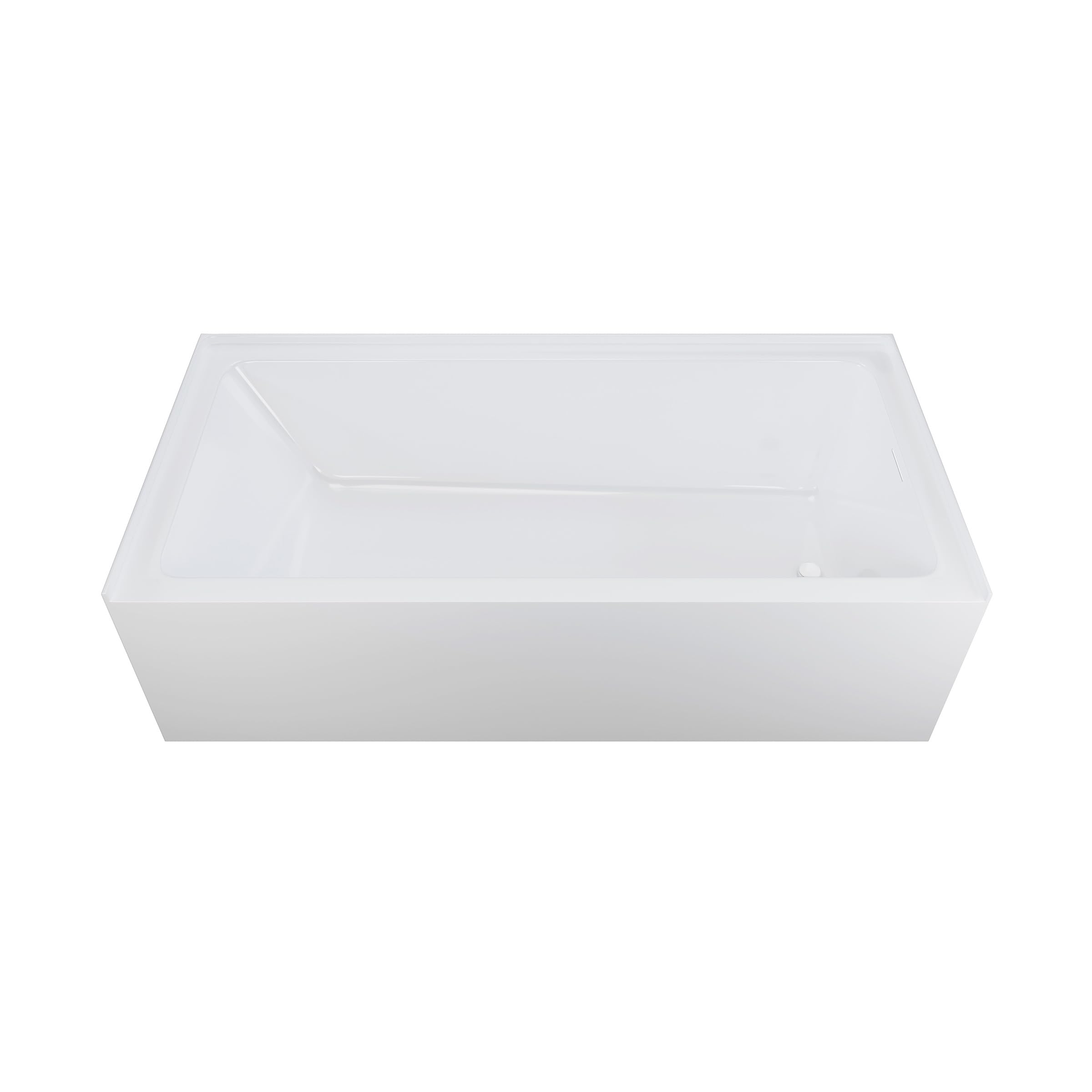
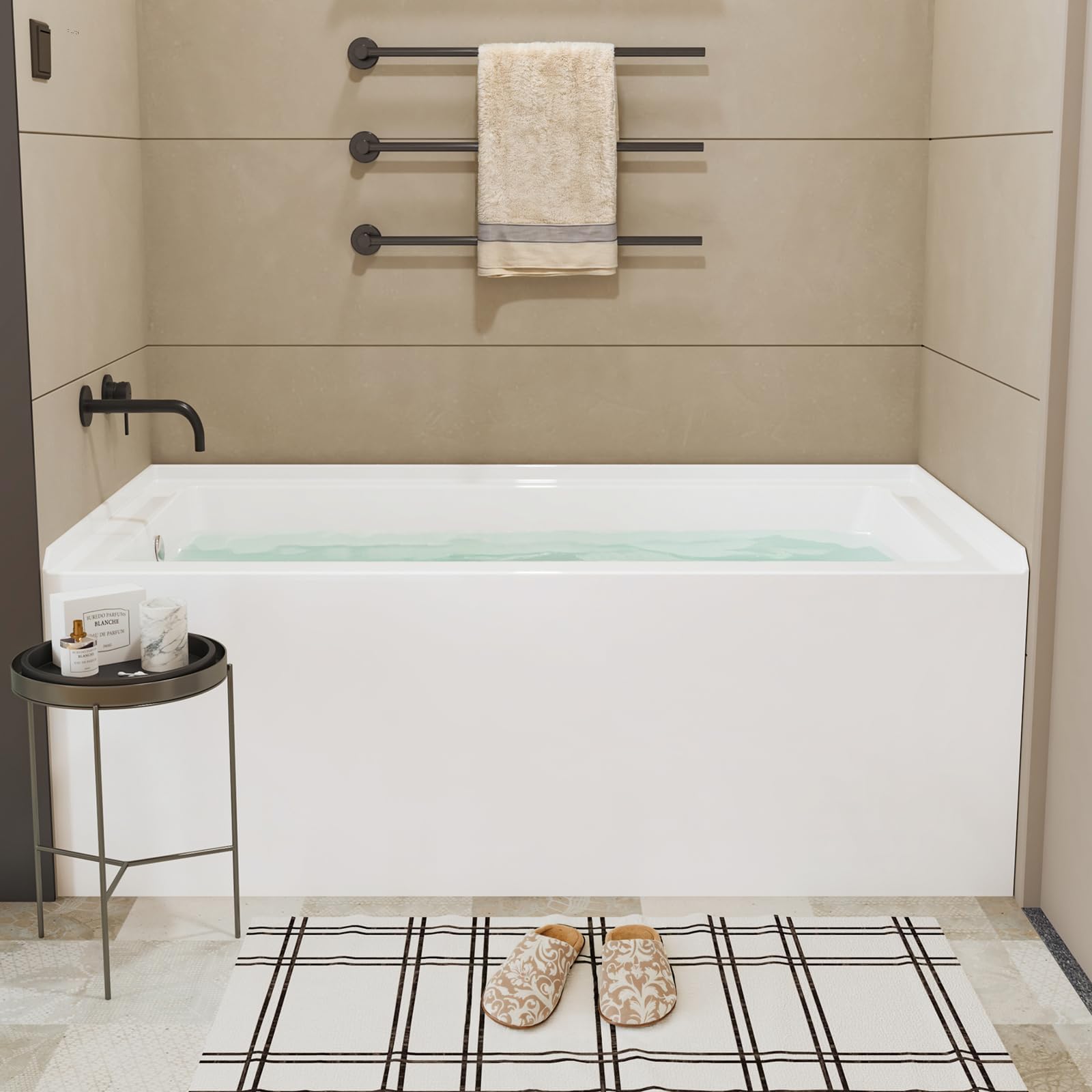
Standard alcove tubs offer a simple rectangular bath with a finished apron, suiting most renovations and budgets. Soaking alcove tubs are deeper for full body immersion within the same footprint. Whirlpool alcove tubs add jets for massage but need electrical work and more cleaning.
Drop in alcove tubs sit in a custom surround with deck space, offering a more built in look at higher installation cost. Shorter tubs suit small bathrooms and children, while longer tubs suit taller adults. Choosing by primary users and shower needs prevents a tub that looks good but works poorly daily.
Budget and Long Term Value
Alcove tubs range from very affordable fiberglass and acrylic models to premium cast iron designs. Installation cost, including plumbing, tiling, and surround finishing, often matters as much as tub price. Get a complete quote before comparing models, and check whether the existing drain position can stay, since moving plumbing adds cost quickly.
Check warranty for finish, structure, and apron, and confirm cleaning guidance for the material. A tub that resists scratches and stains lasts longer and stays attractive with simple care. Factor in water use too, since deeper and wider tubs need more hot water per bath.
Common Mistakes to Avoid
A common mistake is measuring only the alcove width and forgetting length, drain position, and delivery access through doors and stairs. Measure everything, including the path from the street to the bathroom. Another mistake is choosing a tub too deep for the household water heater, leading to lukewarm baths.
A third mistake is ignoring shower needs when the tub will serve as the main shower. Confirm that walls can be waterproofed, screens fit, and the surround handles daily splashing. A tub that works for occasional baths but fails as a daily shower quickly disappoints.
Care and Everyday Use
Clean the tub with cleaners suited to its material, avoiding abrasives on acrylic and fiberglass. Rinse after use to prevent soap scum, and check caulk and grout regularly for cracks that let water behind walls. Dry the surround after showers to reduce mold in grout lines.
Use a non slip mat for safety, especially for children and older adults. Keep heavy objects off the rim to avoid chips, and address small scratches promptly with maker recommended repair kits. Simple care keeps an alcove tub looking and working well for many years.
Related Guides Worth Reading Next
These nearby guides cover related choices: best alcove soaking tubs, best acrylic alcove tubs, best alcove whirlpool tubs and best quality tubs.
A Closer Look Before You Decide
Surround tiling and waterproofing decide whether an alcove tub stays trouble free for decades or develops hidden water damage behind walls. Use a proper waterproof membrane behind tiles in the shower zone, seal corners and edges carefully, and choose grout suited to wet areas rather than standard grout. Inspect seals yearly and reseal promptly when cracks appear, since small leaks behind a tub cause large repair bills over time.
Family use brings extra considerations, including bath safety for children, storage for toys and toiletries, and a finish that tolerates frequent cleaning. A rounded rim, a non slip base, and a handheld shower head make bath time easier for parents, while a shelf or niche keeps bottles off the rim where they can fall and chip the finish. Planning these details during renovation saves daily frustration for years.
Renovation value also favors a well chosen alcove tub, since a clean, modern bathroom with a practical tub appeals to future buyers more than an unusual design that suits only one household. Neutral colors, standard sizes, and quality fittings photograph well and age gracefully, while very bold colors or awkward sizes can narrow appeal. A timeless alcove tub therefore serves both daily life and long term home value.
For households with children, keep bath toys in a mesh bag that drains fully between uses, so toys do not harbor mold and the tub stays easy to clean after family bath time.
Frequently Asked Questions
What size alcove tub do I need?
Measure your alcove width, depth, and height, and check drain position before choosing. Standard alcoves suit many models, but older homes vary. Internal length matters for legroom, so taller bathers should prioritize longer models. Also measure doorways and stair turns to confirm the tub can be delivered to the bathroom.
Are acrylic tubs durable?
Acrylic tubs are durable for everyday use when cared for properly, resisting chips and staying warm to the touch. They can scratch with abrasive cleaners, so use non abrasive products and soft cloths. With good care, an acrylic tub lasts many years and offers a good balance of price, weight, and comfort.
Can I install an alcove tub myself?
Skilled DIYers can install a simple alcove tub, but plumbing, waterproofing, and leveling need care to avoid leaks and future damage. Professional installation is wise when plumbing moves, walls need tiling, or floors need strengthening. A poor installation can cost far more to fix than the saving from doing it yourself.
Do alcove tubs work with showers?
Yes, most alcove tubs are designed for shower use with a curtain or screen, making them practical for households that need both bathing and showering. Confirm wall waterproofing, screen fit, and drain capacity before buying. A tub surround built for shower splashing prevents water damage and mold over time.
How do I choose between standard and soaking depth?
Standard depth suits everyday bathing and showering with moderate water use, while soaking depth suits buyers who want full body immersion and longer relaxing baths. Soaking tubs use more hot water and have a higher step over height. Choose based on bathing habits, water heater capacity, and mobility needs rather than on depth alone.
Final Thoughts
best alcove tubs remain the practical choice for most standard bathrooms. Compare internal size, material, and drain fit, and plan installation and shower use together. That grounded approach delivers a tub that fits the room and serves daily life well.
Use the product table beside the checklist in this guide when you compare size, features, and price before you order.