Best Alcove Soaking Tubs Buying Guide 2026
Disclosure: We may earn a commission when you buy through links on this page, at no extra cost to you. As an Amazon Associate I earn from qualifying purchases. Learn more

Compare the best alcove soaking tubs for small bathrooms by depth, size, material, installation and comfort for long, relaxing soaks.
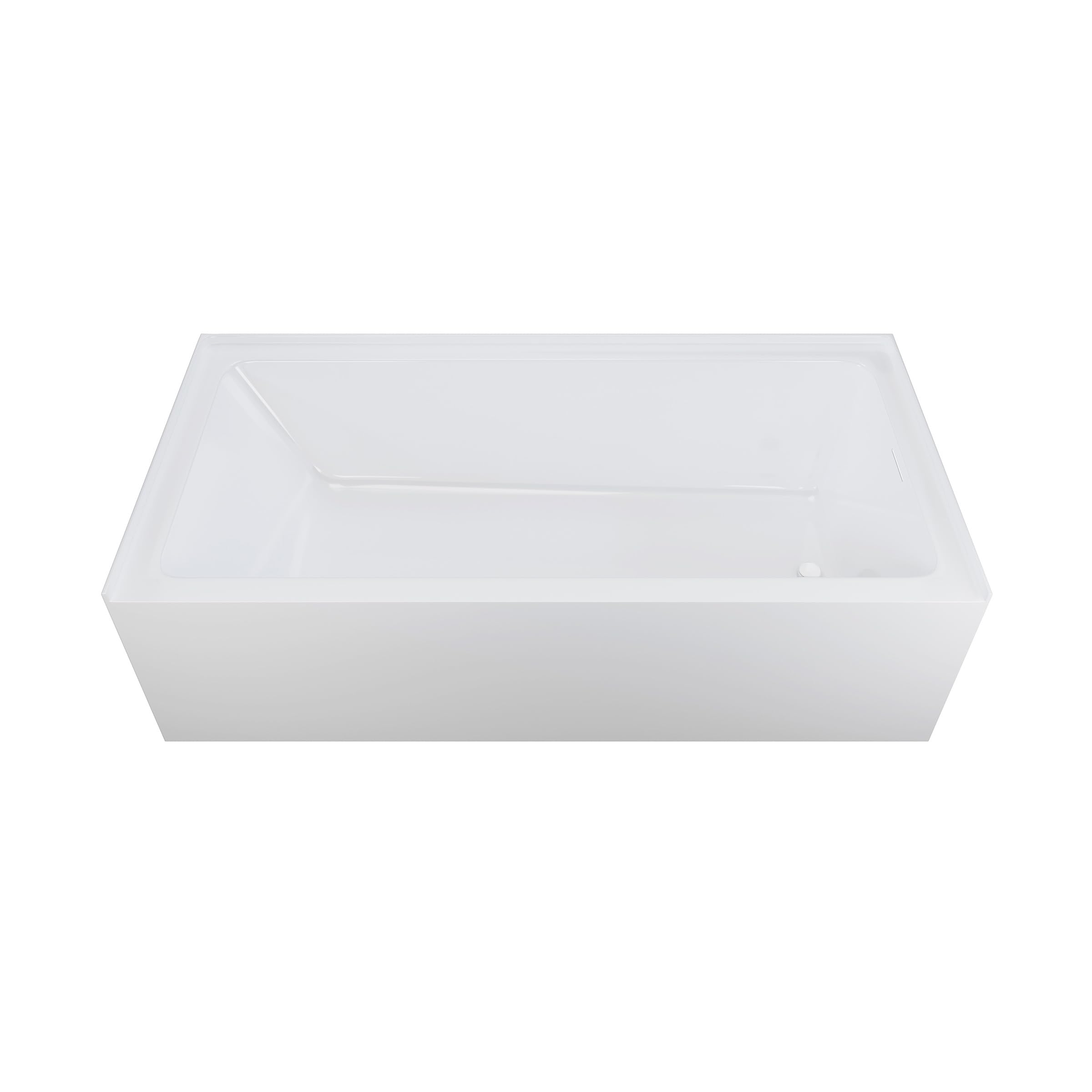
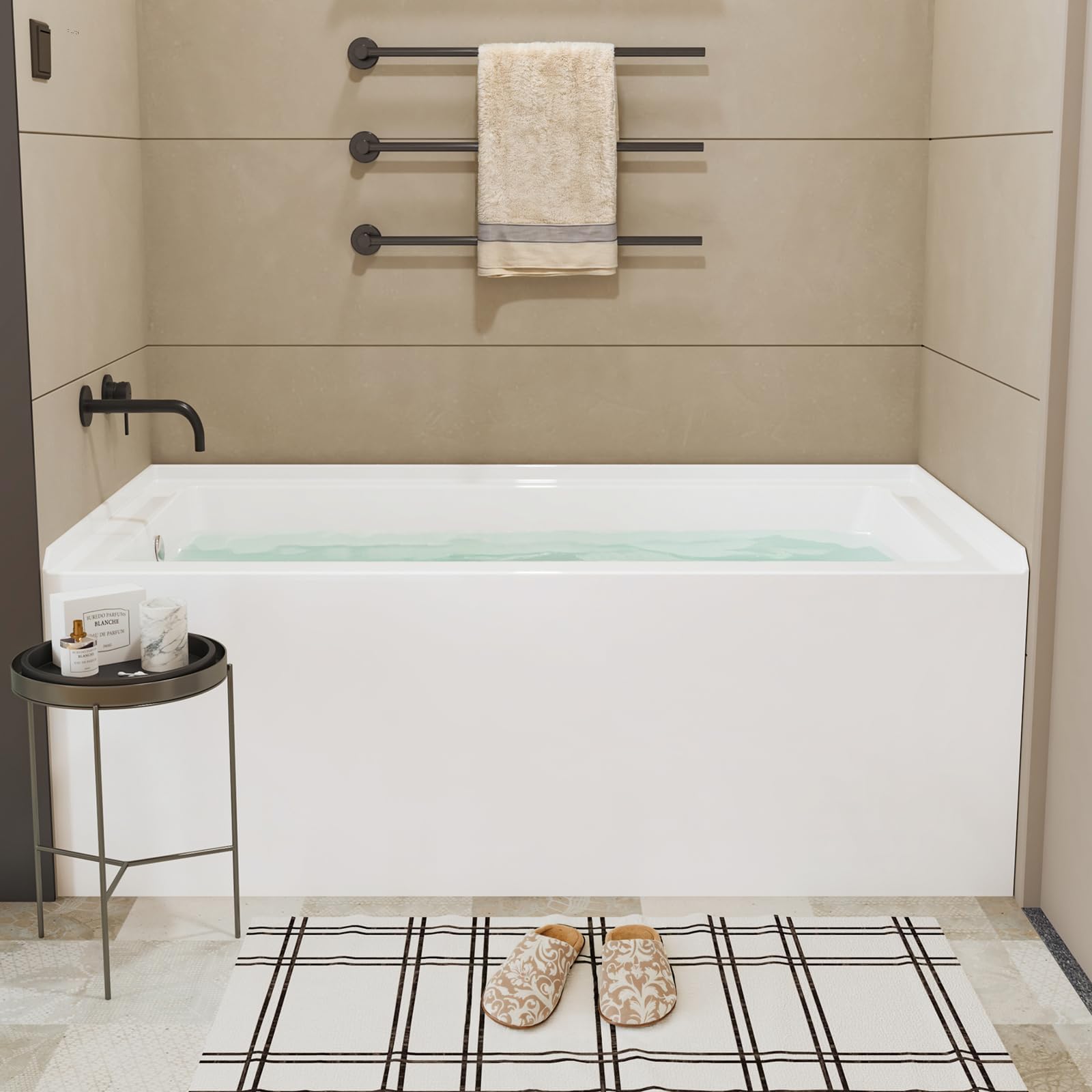
Choosing best alcove soaking tubs is about bringing deep, relaxing soaks into a standard three wall bathroom alcove. A soaking tub is deeper than a standard tub, letting water cover shoulders while seated, yet it fits the same alcove footprint as a conventional bath. That combination suits small bathrooms where a freestanding tub would waste space.
The comparison table below lists the main options together, but depth, length, material, and installation details decide comfort. The sections below explain how to measure an alcove, compare materials, and plan plumbing so the finished bath feels generous rather than cramped.



Who Should Buy This Type
Alcove soaking tubs suit small and medium bathrooms, homeowners planning a renovation, and buyers who want deep soaks without a large freestanding footprint. They also suit households where a shower over the bath is still needed, since many alcove models accept a shower screen or curtain. If you need wheelchair access or a walk in design, a different tub style may fit better.
Taller buyers should check internal length carefully, since a deep tub that is too short forces knees up and reduces relaxation. Shorter buyers should check step over height, since a deep tub can be harder to enter. Measure both dimensions against the people who will use the bath most, not against showroom averages.
Key Features to Compare
Internal depth and length matter more than external size, since wall thickness varies by material. A soaking depth that covers shoulders while seated, with enough length to stretch legs comfortably, defines a true soaking experience. Width affects elbow room and water volume, which affects hot water supply and heating time.
Material affects weight, heat retention, and care. Acrylic is light, warm to touch, and easy to install, while cast iron retains heat longer but weighs far more and needs strong floors. Fiberglass costs less but may flex and scratch more easily. Check drain position, overflow height, and whether the tub suits your existing plumbing layout.
- Internal depth and length
- Material and heat retention
- Drain and overflow position
- Step over height
- Shower compatibility
Types Compared
Standard alcove soaking tubs fit a three wall recess with a finished front apron, making them the simplest replacement for a conventional bath. Drop in alcove models sit in a framed surround, offering more deck space for toiletries but needing custom tiling. Whirlpool versions add jets for massage, but they need more maintenance and electrical work.
Japanese style soaking tubs are deeper and shorter, suiting seated soaks in very small spaces, while longer alcove models suit taller bathers who want legroom. Choosing between depth and length depends on body size and bathroom footprint, since a tub cannot maximize both in a small alcove.
Budget and Long Term Value
Alcove soaking tubs range from affordable acrylic models to premium cast iron and stone resin designs. Installation cost often rivals the tub price, especially when plumbing moves, walls need tiling, or floors need strengthening. Get quotes that include tub, surround, plumbing, and finishing before comparing prices.
Check warranty for material, finish, and structural issues, and confirm spare parts for drains and overflows. A tub that is easy to clean and repair lasts longer and costs less over time than a striking design with fragile finishes. Factor in water heating costs too, since deeper tubs use more hot water per bath.
Common Mistakes to Avoid
A common mistake is measuring only external alcove width and forgetting internal length, depth, and drain position. Measure all three, plus doorways and stair turns for delivery. Another mistake is ignoring hot water capacity, since a deep tub may drain a small water heater before the bath fills.
A third mistake is choosing a tub that cannot accept a shower screen when the household still needs daily showers. Confirm shower compatibility, screen options, and wall waterproofing before ordering. A beautiful soaking tub that complicates daily showers quickly becomes a source of frustration.
Care and Everyday Use
Clean acrylic and fiberglass with non abrasive cleaners to avoid scratching, and rinse after each use to prevent soap scum build up. Check caulk and grout around the surround regularly, since water damage behind walls is costly to repair. Dry the area after showers to reduce mold growth in grout lines.
Use a bath mat for grip, especially in deep tubs where step over height is greater. Keep toiletries off the tub rim when possible, since bottles can scratch finishes and fall into the drain. A simple cleaning routine keeps a soaking tub inviting for years.
Related Guides Worth Reading Next
These nearby guides cover related choices: best alcove tubs, best freestanding soaking tubs, best deep soaking tubs, best japanese soaking tubs and best acrylic alcove tubs.
A Closer Look Before You Decide
Safety bars and entry aids turn a deep tub from a luxury into a practical daily feature, especially for households with older adults or anyone with limited mobility. A well placed grab bar near the entry, a non slip mat, and a sturdy step stool reduce the risk of slips on wet surfaces, while a handheld shower head makes rinsing and cleaning easier. Plan these fittings during renovation rather than adding them as an afterthought.
Hot water capacity deserves a concrete check before ordering, since a deep tub can empty a small heater before the bath reaches a comfortable level. Note the tub water volume, compare it with heater capacity and recovery time, and ask a plumber whether the household needs a larger heater or a different heating approach. A bath that fills only halfway with hot water disappoints far more than a slightly smaller tub that fills properly every time.
A bath pillow and a small caddy also improve the soaking experience without any plumbing change, keeping reading material, a drink, and toiletries within reach while shoulders stay submerged. Choose accessories that rinse clean easily and store dry between baths to avoid mold on fabric parts.
Frequently Asked Questions
What makes a tub a soaking tub?
A soaking tub is deeper than a standard tub, allowing water to cover more of the body while seated, often up to the shoulders. Depth, rather than length alone, defines the soaking experience. Alcove soaking tubs achieve this depth within a standard three wall recess, making them practical for smaller bathrooms.
Will a soaking tub fit my alcove?
Measure the alcove width, depth, and height, plus drain position and doorways for delivery, before ordering. Standard alcoves suit many models, but older homes vary, and a few centimeters can decide fit. Check internal length and depth too, since external size alone does not guarantee comfortable soaking for taller bathers.
Do soaking tubs use more hot water?
Yes, deeper tubs hold more water and need more hot water per bath than standard tubs. Check your water heater capacity and recovery time, especially for households with several baths per day. A larger heater or a tankless system may be needed, and insulating the tub can help retain heat during long soaks.
Are alcove soaking tubs hard to get in and out of?
Step over height is higher than in a standard tub, which can challenge shorter users, older adults, and people with limited mobility. Grab bars, a sturdy bath mat, and a step stool can help, but a walk in or lower tub may suit better when mobility is a concern. Test step height in a showroom when possible.
Can I have a shower over an alcove soaking tub?
Many alcove soaking tubs accept a shower screen or curtain, making them practical for households that need both bathing and showering. Confirm shower compatibility, wall waterproofing, and screen options before buying. A tub designed for shower use will have suitable wall surrounds and drainage for daily showers.
Final Thoughts
best alcove soaking tubs bring deep, shoulder covering soaks into a standard bathroom footprint. Compare internal depth and length, material, and plumbing fit before style alone. With careful measuring and a realistic hot water plan, an alcove soaking tub turns a small bathroom into a relaxing retreat.
Use the product table beside the checklist in this guide when you compare size, features, and price before you order.