Best Alaska Winter Boots: Everything to Know Before Your First Purchase for 2026
Disclosure: We may earn a commission when you buy through links on this page, at no extra cost to you. As an Amazon Associate I earn from qualifying purchases. Learn more

First time buyers get plain English specs, sizing tips, and mistakes to avoid when choosing the best alaska winter boots for deep cold, snow, and ice.
For a first pair, the best alaska winter boots are the ones that keep your feet warm, dry, and steady on snow and ice without feeling stiff or cramped. Alaska winter conditions can change fast, from deep snow on a trail to icy steps outside a shop, so a good boot needs insulation, grip, and a fit that leaves room for warm socks. The product table can help you compare insulation, waterproofing, height, and sole grip side by side.
This beginner guide explains the terms in plain English, so you can judge a boot by what it does rather than by its marketing claims. It covers fit, insulation, waterproofing, and care, plus the rookie mistakes that new buyers often make. Take your time, measure your feet in the afternoon, and try boots with the socks you plan to wear.

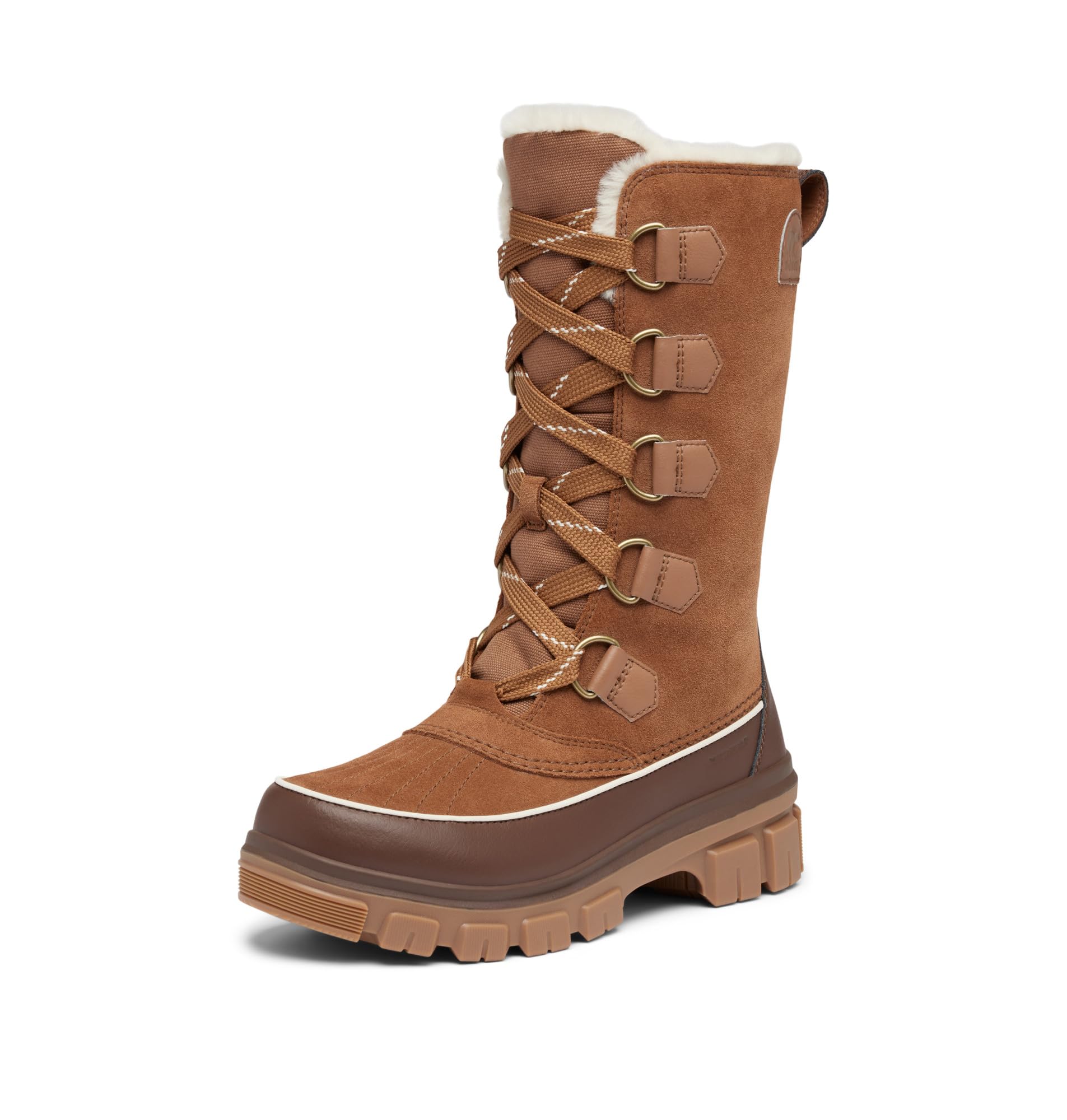

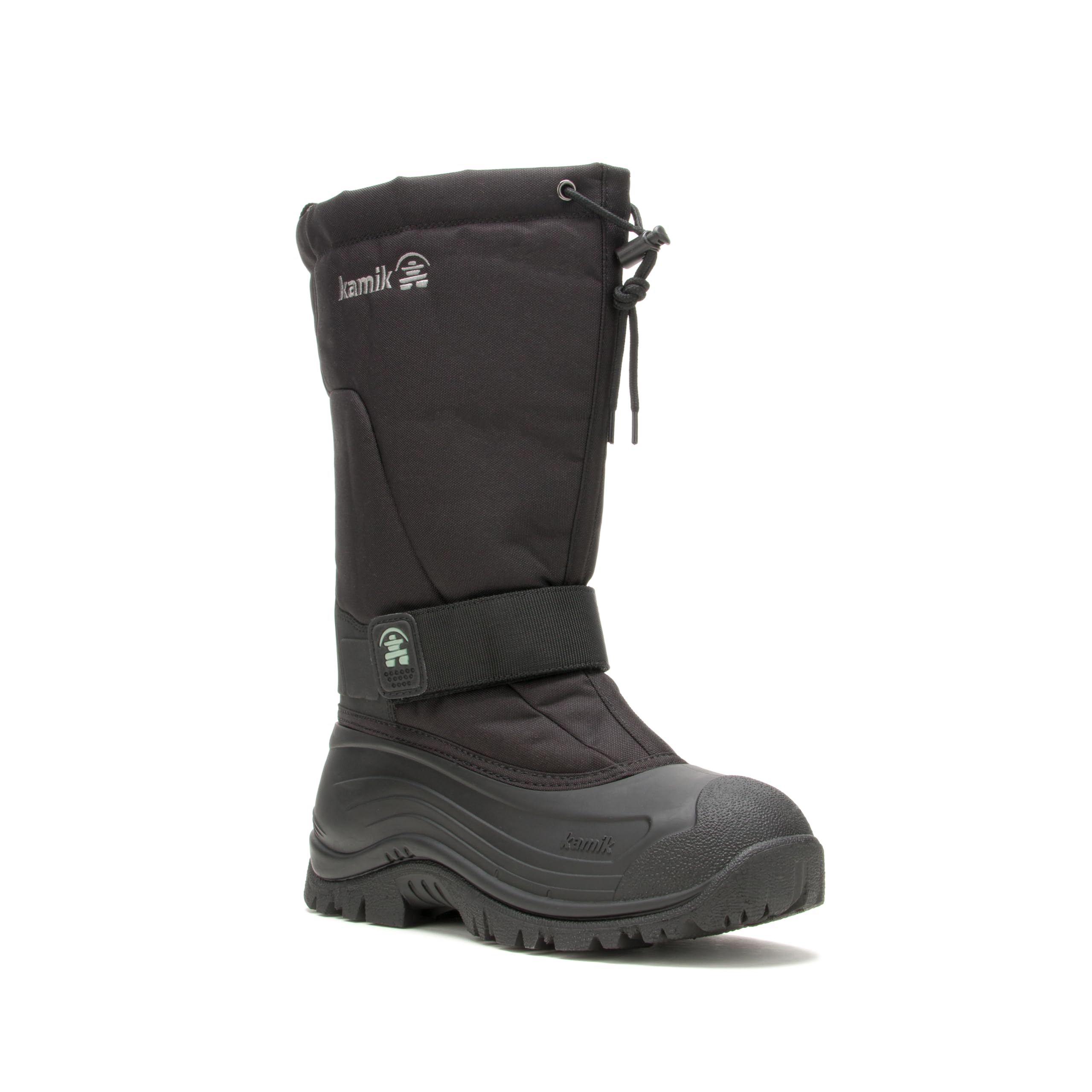

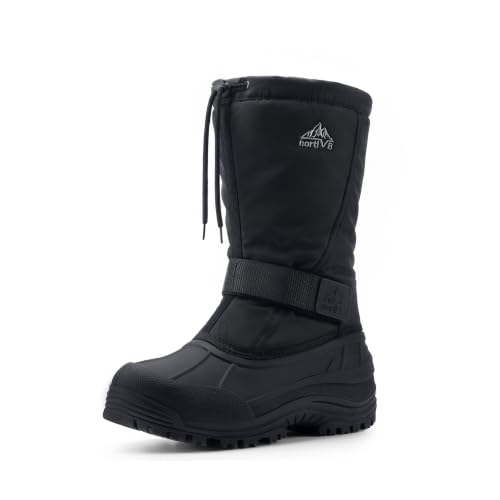

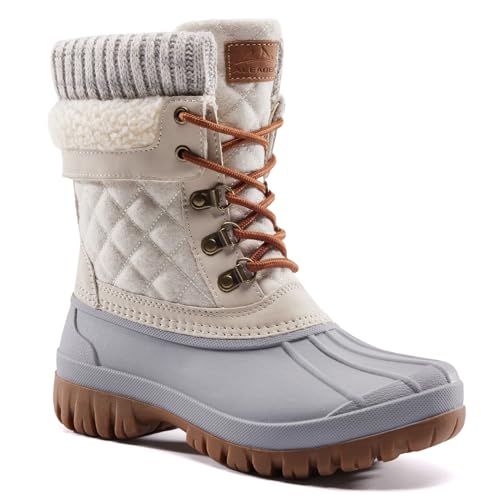
Alaska Winter Boots 101: The Basics
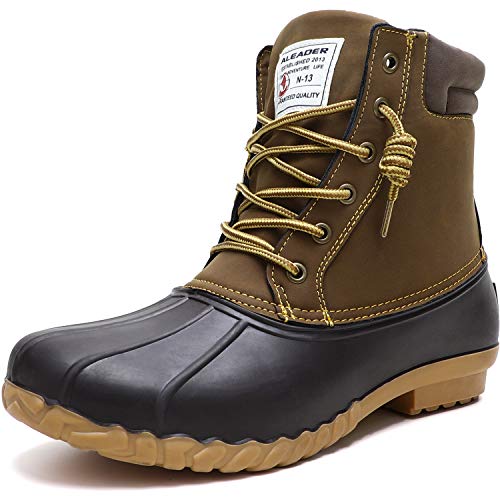
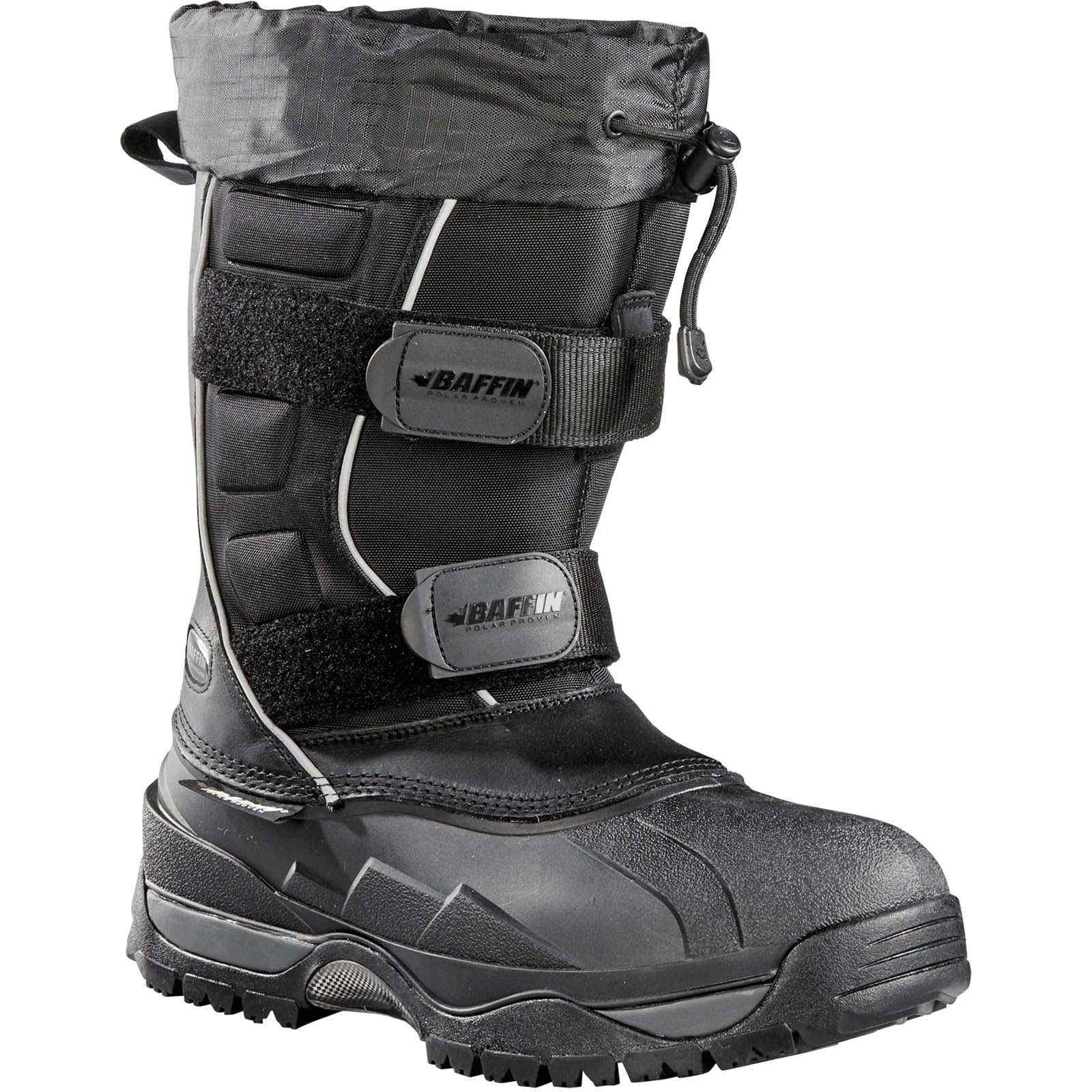
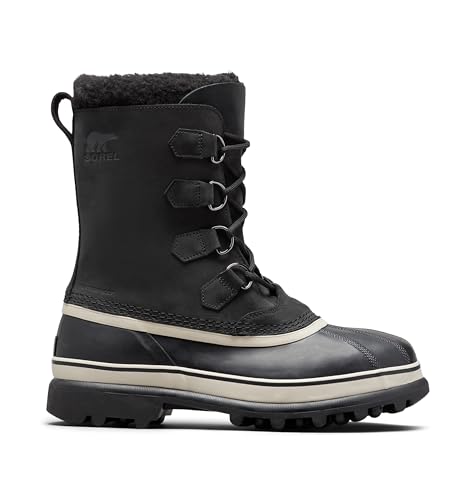
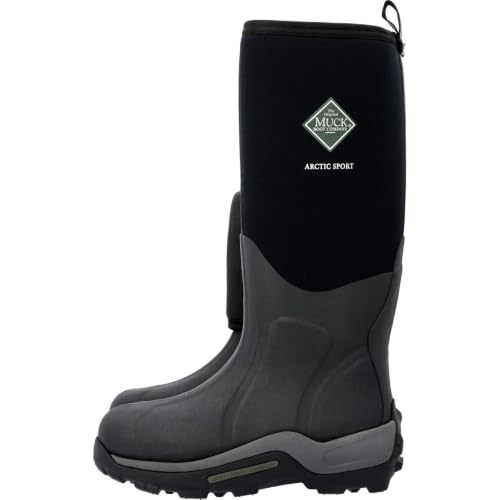
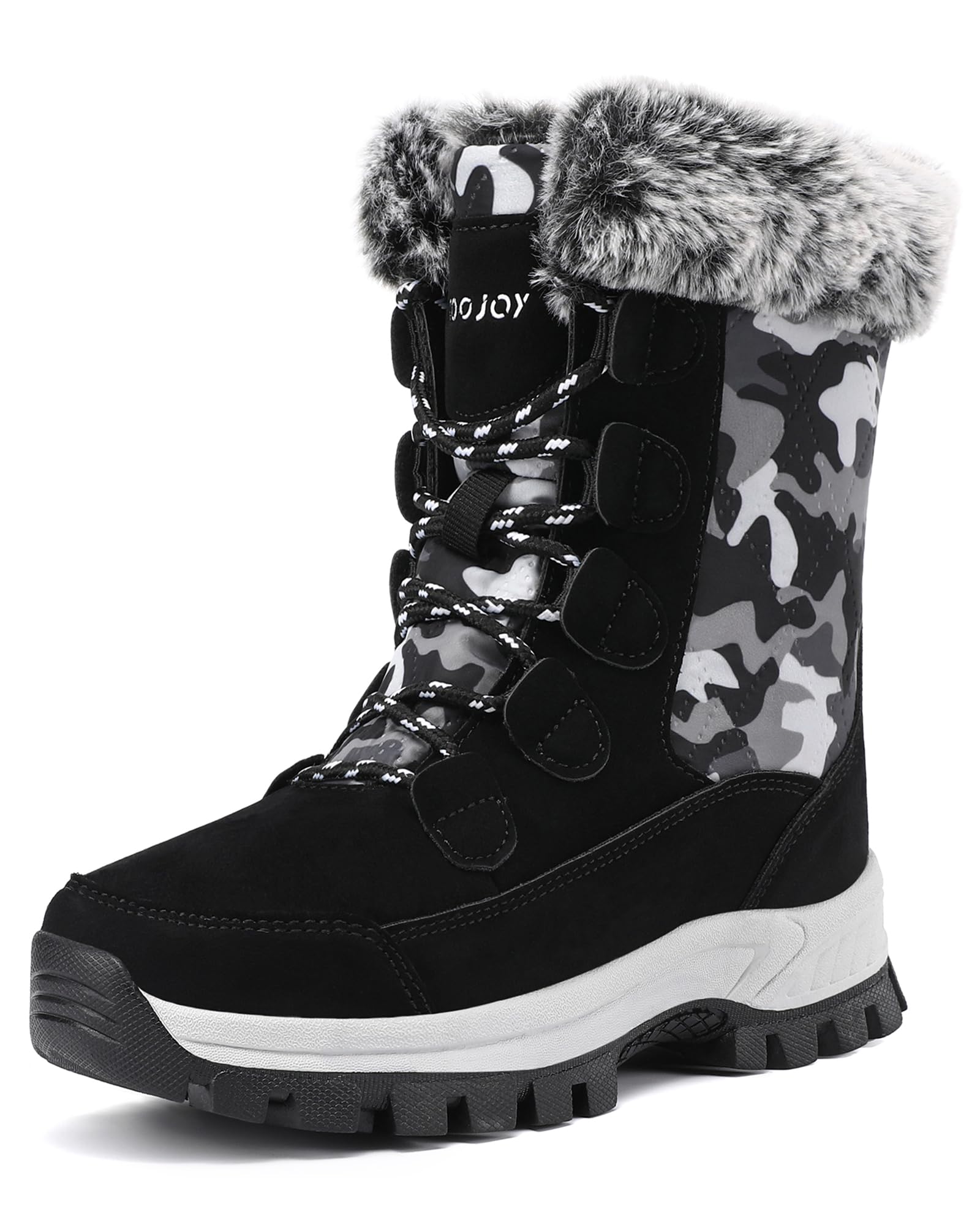
An Alaska winter boot is built for cold, snow, and ice, not just for a cold day in town. It usually has thick insulation, a waterproof or water resistant upper, a tall shaft to keep snow out, and a deep tread for grip on packed snow and ice. Some boots use a removable liner that you can dry overnight, which helps on multi day trips or in very cold weather. Others use fixed insulation that is simpler to care for but harder to dry if it gets wet inside.
Warmth depends on more than insulation alone. A boot that is too tight will restrict blood flow and feel cold even with thick insulation, while a boot that is too loose can let snow in and make walking clumsy. Good grip matters just as much, since a warm boot that slips on ice is not safe to use. Look for a sole with deep lugs and a rubber compound made for cold weather, and walk on a safe indoor surface first to check the fit.
Key Specs Explained in Plain English
Fit, Sizing, and Toe Box
Measure your feet in the afternoon, when they are slightly larger, and wear the socks you plan to use in winter. A roomy toe box lets your toes move and wiggle, which helps warmth and comfort on long walks. If your toes press the front on a downhill slope, try a larger size or a wider fit rather than hoping the boot will stretch. See our guide to the best winter boots for a broader look at how winter boot fit differs from everyday shoe fit.
Arch Support and Foot Type
Arch support helps your foot stay aligned inside a tall, heavy boot, especially on uneven snow. People with flat feet often need more support under the arch, while people with high arches may need more cushioning and room. A removable insole lets you swap in a supportive insert if the stock insole feels flat. Try the boot on a slope or a step if you can, and notice whether your foot rolls inward or outward as you walk.
Waterproofing and Membranes
Waterproofing keeps melting snow and slush out of the boot, while breathability lets sweat vapor escape so your socks stay drier. A membrane can help with both, but it works best when the upper, seams, and tongue are also sealed. A tall shaft and a gusseted tongue, which is attached on both sides, help keep snow out of the opening. If you often walk through deep snow, a taller boot with a snow collar is more useful than a short boot with a membrane alone.
Break In Period and Comfort Out of the Box
Some winter boots feel comfortable right away, while leather or very stiff boots may need several short walks to soften. Start with short outings close to home, and check for rubbing at the ankle, heel, and toe box after each walk. If a spot rubs badly on the first short walk, it is unlikely to improve with more wear, so consider a different size or width. A boot that fits well from the start is usually a better choice for a first time buyer.
Durability and Expected Lifespan
Durability depends on the upper material, the sole bond, the stitching, and how often you use the boot in harsh conditions. Do not judge lifespan by a running shoe mileage figure, since winter boots wear differently on snow, ice, and gravel. Instead, check the tread depth, the seams, the sole bond, and the insulation after each season. A boot that still grips well, keeps water out, and holds its shape is still useful, while a boot with a peeling sole or torn seam needs repair or replacement.
Upper Materials and Breathability
Leather uppers are durable and can be treated for water resistance, but they need care and time to break in. Synthetic uppers are often lighter and dry faster, yet they may feel less rugged on rough trails. Rubber lowers add strong water protection for slush and shallow water, while a fabric or leather upper adds warmth and ankle support. Breathability matters on active walks, since damp socks cool fast when you stop, so balance waterproofing against airflow for your usual pace.
For very cold and wet conditions, a boot with a waterproof lower and an insulated upper often gives a good balance. See our guide to the best snow boots for alaska winter if snow depth is your main concern, and see our guide to the best winter boots for alaska weather for a wider look at Alaska conditions. Women may also want to compare fit and calf width, so see our guide to the best women's winter boots for alaska for options shaped for a narrower foot and calf.
Rookie Mistakes to Avoid
- Buying a boot that is too tight, which can make feet feel cold even with thick insulation.
- Choosing a short boot for deep snow, which lets snow in at the ankle and soaks socks.
- Ignoring sole grip, which matters most on icy steps, parking lots, and packed trails.
- Skipping a trial walk with winter socks, which can hide pressure points and heel slip.
- Forgetting to dry boots fully between uses, which can leave liners damp and cold.
Getting Started: Setup and First Use
When your boots arrive, try them indoors on a clean floor with your winter socks, and walk up and down stairs if you can. Check the toe box, heel hold, and ankle support, and notice any rubbing before you wear them outside. Lace them snugly but not tightly, and adjust the lacing over the forefoot if your toes feel squeezed. Air dry wet boots away from direct heat, and remove liners or insoles to dry separately when the maker allows it.
Before a long outing, try the boots on a short walk in snow and check for snow entry, heel slip, and cold spots. Carry an extra pair of dry socks on longer trips, and change socks if yours become damp from sweat or snow. If a boot feels unstable on ice, shorten your stride, keep your weight over your feet, and use a walking aid or traction device if conditions require it. Do not judge a boot by one short indoor check alone.
FAQs
How long is the break in period for Alaska winter boots?
The break in period for Alaska winter boots ranges from no break in for soft synthetic boots to several short walks for stiff leather boots. Start with short outings close to home, and check for rubbing at the heel, ankle, and toe box after each walk. If the boot feels comfortable on a short walk but stiff on a longer walk, give it a few more short sessions before a full day out. If a spot rubs badly from the start, try a different size or width rather than forcing a break in.
How should Alaska winter boots fit?
Alaska winter boots should fit with room for warm socks and toe movement, without heel slip or pressure on the toes. Measure your feet in the afternoon, try boots with your winter socks, and walk on a slope if possible to check toe pressure. Your heel should stay in place when you walk, and your toes should not press the front on a downhill step. A fit that feels snug but not tight is usually right, since a very tight boot can feel cold and a very loose boot can cause blisters.
How often should I replace my Alaska winter boots?
Replace Alaska winter boots when the tread is worn smooth, the sole starts to peel, seams tear, or insulation no longer keeps your feet warm. Frequency depends on use, terrain, and care, so a boot used daily on gravel will wear faster than one used for weekend snow walks. Inspect the tread, sole bond, seams, and liners at the start of each winter, and after any trip through deep slush or rough ground. A boot that still grips, stays dry, and holds its shape can serve for several seasons.
Are expensive Alaska winter boots worth it?
Expensive Alaska winter boots can be worth it when the extra cost buys better insulation, a more durable sole, a taller shaft, or a more reliable waterproof design. For occasional town use in mild cold, a mid priced boot may be enough, while frequent use in deep cold and deep snow justifies a stronger build. Compare insulation, sole grip, height, and warranty rather than price alone, and choose the boot that fits your coldest expected conditions. A well fitting mid priced boot beats an expensive boot that pinches or slips.
Do I need waterproof shoes for Alaska winter?
Yes, waterproof protection is important for Alaska winter, since melting snow, slush, and wet trails can soak through a non waterproof boot quickly. A waterproof lower, sealed seams, and a gusseted tongue help keep water out, while a tall shaft keeps snow from entering at the top. Breathability still matters, since damp socks from sweat can feel cold when you stop moving. If you only walk on dry, packed snow in very cold weather, water resistance may suffice, but most Alaska use calls for full waterproofing.
Can I wear Alaska winter boots all day?
Yes, you can wear Alaska winter boots all day if they fit well, feel comfortable on short walks, and do not rub at the heel or toes. Heavy, tall boots can tire your legs over a long day, so try a full day at home or on short errands before a long trip. Change into dry socks if yours become damp, and air the boots out during breaks when possible. If your feet feel numb, painful, or very cold despite a good fit, warm up indoors and ask your doctor if symptoms persist.
The Bottom Line
For a first purchase, focus on fit, warmth, waterproofing, and grip, in that order, and try the boot with your winter socks before a long outing. A roomy toe box, a tall shaft, and a deep tread will serve you better than a flashy feature you rarely use. The product table can help you compare those basics side by side. With the right fit and simple care, the best alaska winter boots for you will feel steady, warm, and easy to wear through a long winter day.