Best Alaska Rubber Boots in 2026: Which One Fits the Way You Use It?
Disclosure: We may earn a commission when you buy through links on this page, at no extra cost to you. As an Amazon Associate I earn from qualifying purchases. Learn more

Match the best alaska rubber boots to your weather, ground and socks, and avoid overpaying for height or insulation you will not use.
There is no single pair that suits every Alaska day. A boot that keeps you dry on a rainy dock can feel far too warm on a summer trail, and a light boot for town errands will not protect you on soft tundra. The best alaska rubber boots match your weather, your ground and the socks you actually wear. Use the comparison table below.
Start by picturing where your feet spend the most time. Standing water, wet grass, boat decks, mud and packed snow each ask for something different from the rubber, the lining and the sole.

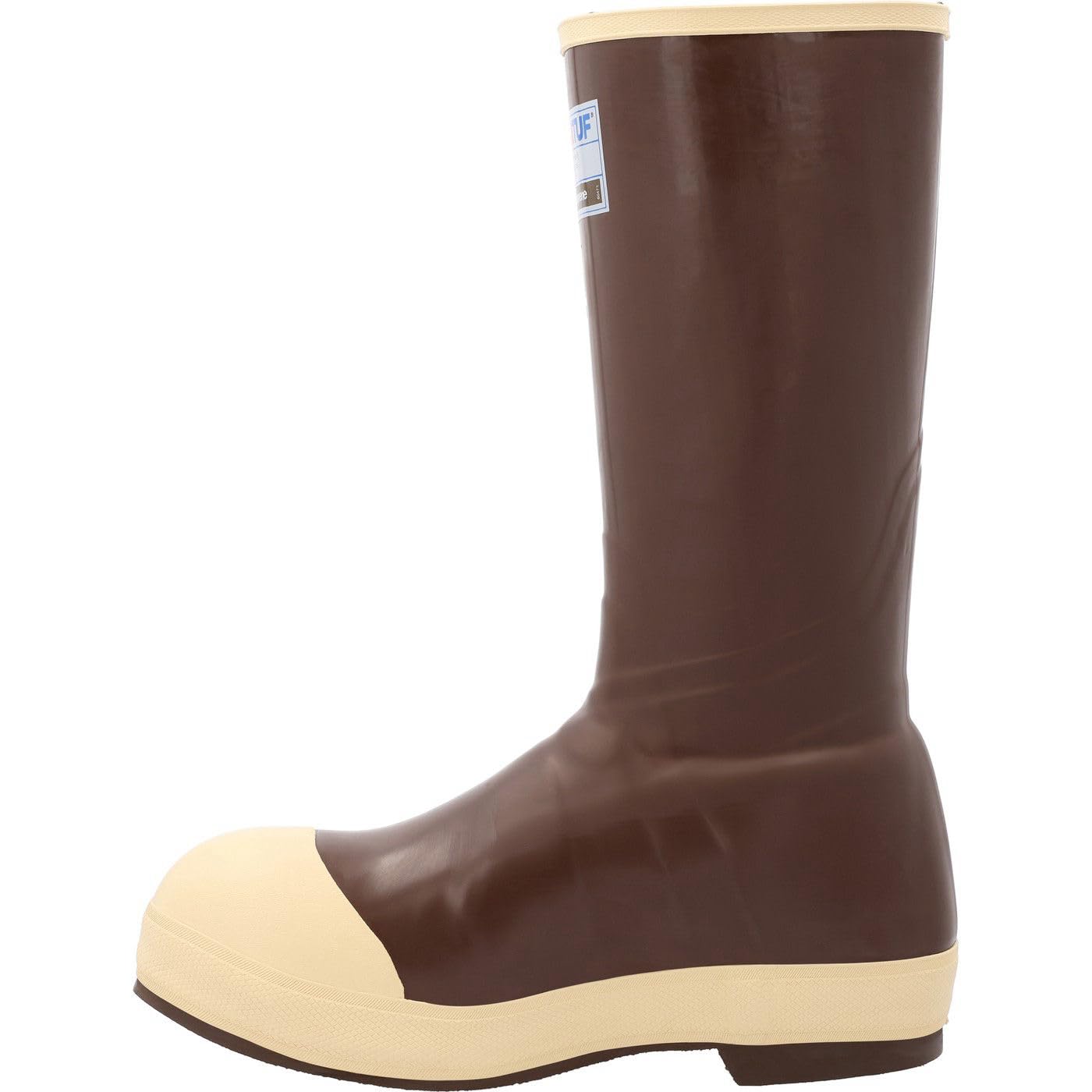


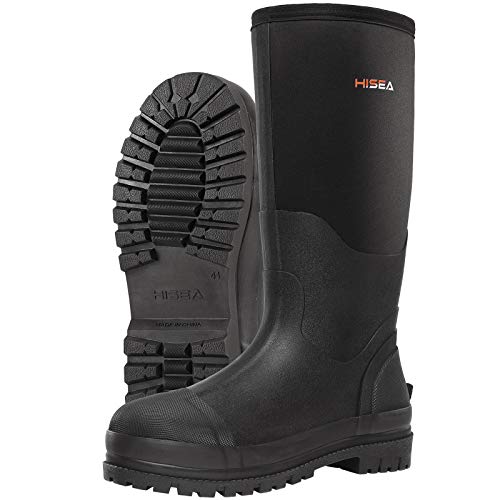


Who Should Buy Which Alaska Rubber Boots?
Pick for the use you repeat most often, not for the most extreme day you can imagine.
For Fishing, Hunting and Daily Work in Wet Ground
You stand for hours in water, mud or wet grass. Choose a tall shaft, thick rubber over the foot and a lining matched to your season. If hunting is your main use, see our guide to the best rubber hunting boots for tread and scent control points.
For Rain, Snow and Tough Weather Across Alaska
You face long wet seasons, slush and sudden cold snaps. Choose sealed construction with no low stitched seams, plus insulation when temperatures stay near or below freezing. Coverage to the knee keeps splashes and drifted snow out far better than a short boot.
For Travel, Boats and Cabins With Limited Storage
You pack boots into a small car, a boat locker or a cabin entry. Choose a mid calf height in flexible rubber that stores upright in a small corner. A lighter pair suits travel, and a warm sock can add heat without buying the bulkiest boot.
For Visitors and Weekend Use Around Town
You need dry feet for errands, short trails and rainy walks, not gear for a remote camp. Choose an ankle or mid calf boot that slips on fast and feels comfortable on pavement. Light insulation or a simple fabric lining is usually enough for mild coastal weather. Put fit ahead of extra height you will rarely need.
Key Features to Compare
Compare these points in order, because warmth, coverage and fit decide comfort long before color or brand do. That focus is what sets the best alaska rubber boots apart from general rain boots. For a broader view, see our guide to the best rubber boots.
Insulation and Lining for Alaska Temperatures
Insulation usually comes from a neoprene shaft, a fleece lining or foam in the lower boot, and thicker options suit colder regions and slower activity. If you walk a lot, your feet generate heat and a moderate lining often feels better, because trapped sweat will chill you later. For standing still in cold wind, choose more insulation.
Shaft Height and Coverage for Water and Snow
Shaft height controls how deep you can step before water pours in from the top, the most common way rubber boots fail. Ankle boots suit pavement and light rain but give little protection in wet brush. Mid calf boots cover most town and trail use. Knee high boots, often about 15 to 17 inches tall, suit tide flats, streams and deep mud, but feel warmer on long dry walks.
Rubber Construction and Sealed Seams
A rubber boot stays dry because the lower section is one sealed piece, not because of a coating added later. Look for smooth rubber over the foot with seams placed high or fully sealed, since low seams flex with every step and age faster. Thicker rubber resists punctures from sharp rock and debris. Check the join between shaft and foot, because that bend point shows wear first.
Fit, Sizing and Room for Thick Socks
Measure your feet late in the day, when they are at their largest, and try boots on with the thickest socks you plan to wear. Your toes should not press the front on a downhill step, and your heel should lift only slightly. A wide toe box lets toes spread on soft ground, which improves balance. A removable insole can fine tune the fit between sizes.
Outsole Tread for Wet Rock, Mud and Ice
The outsole decides how secure each step feels once the ground turns slick. Deep, widely spaced lugs shed mud and grip soft tundra and forest soil, but they can feel clumsy on smooth wet rock and boat decks. A flatter tread grips hard wet surfaces better, yet packs with mud quickly. No plain rubber sole grips glare ice well, so plan on separate traction aids for frozen trails.
Weight, Flex and Ease of Getting Boots On and Off
A tall insulated pair can weigh several pounds, and that weight matters on long walks over ground that pulls at your feet. Softer rubber and a flexible shaft reduce effort with each step, while stiff boots protect better against rocks and cold. Pull loops at the top and a kick plate at the heel help with cold or gloved hands.
How to Choose Shaft Height and Size for an Alaska Trip
Match height to the deepest water you expect to cross on purpose. For most town and lodge trips, a mid calf boot handles rain, puddles and wet grass with less bulk. If you are packing for a first trip north, see our guide to the best rubber boots for alaska trip for packing advice.
Size for socks and swelling, not for bare feet in a warm store. Thick wool socks add real bulk inside a boot. Walk around, step up and down, and check that your calf fits without pinching when you bend your knee. You can also see our guide to the best boots for alaska to weigh rubber boots against insulated leather options.
Common Mistakes to Avoid When Buying Alaska Rubber Boots
- Buying the warmest insulation for mild coastal rain leaves your feet sweaty and cold later in the day.
- Choosing a short shaft for tide flats or deep puddles lets water pour in over the top.
- Sizing boots with thin socks means thick winter socks will cramp your toes and cut circulation.
- Trusting a smooth sole on ice leads to falls, because plain rubber has little grip on glare ice.
- Paying for the tallest boot when you walk mostly on pavement adds weight you carry with every step.
- Ignoring calf fit causes pinching and chafing that only shows up after the first long walk.
Care and Maintenance Tips for Alaska Rubber Boots
Rinse mud, salt and fish residue off your boots with plain water after each outing, then let them dry upright in open air away from direct heat. Heat from a stove can dry rubber too fast and shorten its life. Use boot forms so air can move inside.
Store clean boots out of direct sun in a cool place, because sunlight ages rubber even when boots sit unused. Check the bend point above the toes and the heel for fine cracks, and inspect the sole for smooth worn spots before each season. Flexing will open a small crack and let water in.
Frequently Asked Questions
Can you wear Alaska rubber boots all day?
Yes, you can wear Alaska rubber boots all day if the fit and lining match your activity level. Choose a cushioned insole with some arch support for long standing, and change into dry socks at midday if your feet sweat. Build up wear time on shorter outings first. Keep spare dry socks in your bag for the drive home.
Do Alaska rubber boots need extra waterproof spray?
No, Alaska rubber boots do not need waterproof spray, because the rubber itself blocks water. Sprays for fabric add nothing to sealed rubber. Your time is better spent checking seams and cracks, since damage, not the rubber surface, is where leaks almost always start on a used pair. Check the lining for damp spots after wet days too.
Are expensive Alaska rubber boots worth the cost?
Expensive Alaska rubber boots can be worth the cost if you wear them weekly in cold or rough conditions. Higher prices usually buy thicker rubber and better insulation. If you visit Alaska once in summer, a modest pair at about $70 to $120 will serve you well, and the savings cover warm socks and traction aids.
How often should you replace Alaska rubber boots?
You should replace Alaska rubber boots when cracks, leaks or a worn smooth sole appear, rather than on a fixed schedule. Daily work pairs wear faster than weekend pairs. Test suspect boots by standing in shallow water for a few minutes, because a slow leak at a flex point is easy to miss.
How should Alaska rubber boots fit with thick socks?
Alaska rubber boots should fit snugly at the heel and instep with clear space in front of your toes when you wear thick socks. Tight boots make feet colder by limiting blood flow. If your toes touch the front when you kick gently, go up a size and adjust with an insole.
How long does it take to get used to Alaska rubber boots?
Most people get used to Alaska rubber boots within a few short outings, because rubber boots flex from the start and need little breaking in. The adjustment is mostly the shaft moving against your calf. Wear thick socks on your first walks to guard against rubbing, and add a liner sock if one spot keeps catching.
Final Thoughts
Decide by water depth, temperature and ground first, then check fit with your real socks on. Use the product table above to confirm those three points for each option.
When you compare best alaska rubber boots with those points in mind, the right choice is usually the pair that fits your most common Alaska day, not the most extreme one. Buy for that day and care for the rubber well.