Best Airsoft Tactical Vest for 2026: A Budget Guide
Disclosure: We may earn a commission when you buy through links on this page, at no extra cost to you. As an Amazon Associate I earn from qualifying purchases. Learn more

Compare airsoft tactical vest types by budget, fit, MOLLE layout, pouch retention and fabric, with a sizing checklist for new and regular players.
Airsoft vests range from simple carriers at around $30 to modular plate carriers at about $110 to $200, and photos alone rarely show what that gap buys. The best airsoft tactical vest for you carries your magazines securely, fits your torso, and stays comfortable for a full game day. Use the comparison table below to match each style to your budget first.
Spending more should buy better fit, stronger fabric, and a pouch layout you can change, not extra straps you never use.






Who Should Buy Which Airsoft Vest Style?
Start with how often you play and how much you carry, because a player with two spare magazines needs a very different vest from one who carries radio gear and water.
New Players Building a First Loadout
Choose a simple vest with fixed magazine pouches, clear sizing, and enough adjustment to fit over the layers you play in. Fixed pouches keep the cost low and remove layout guesswork while you learn what you reach for in a game. For a gentler starting point, see our guide to the best airsoft vest for beginners for beginner friendly options.
Regular Skirmish Players Who Carry More Gear
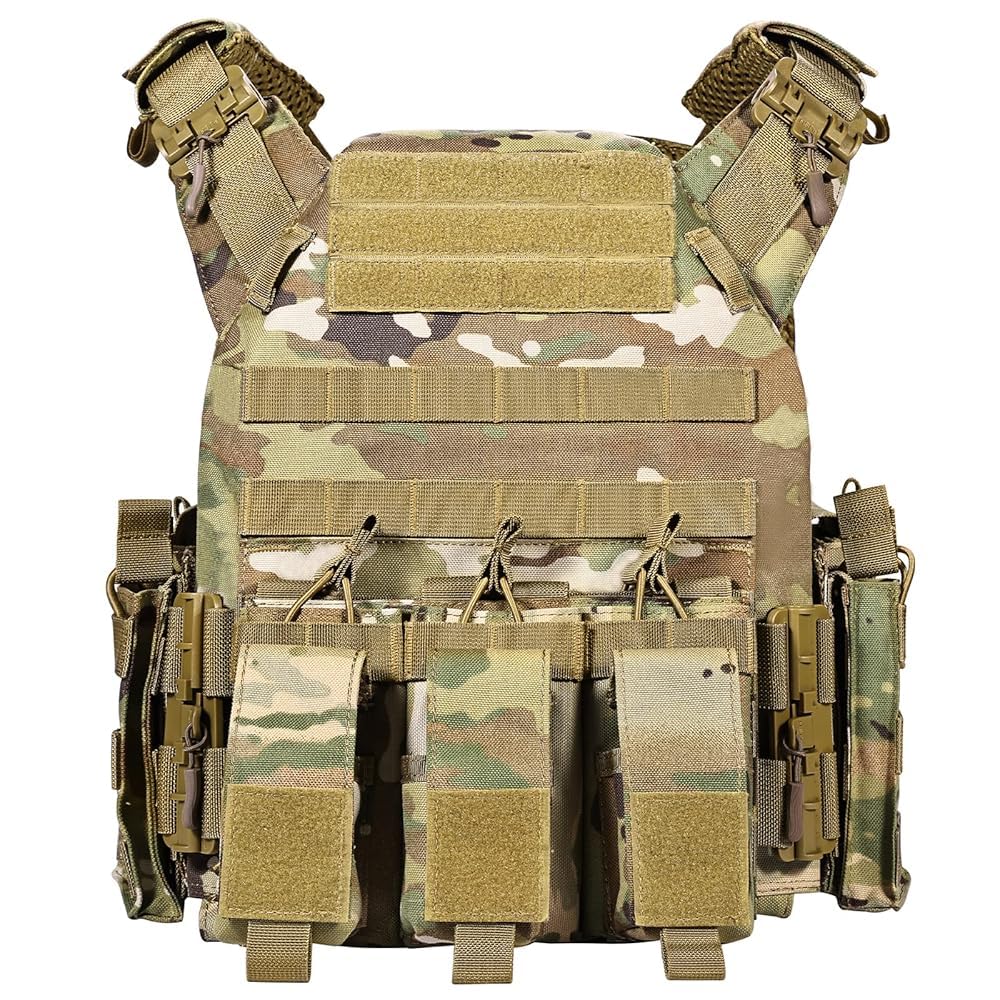
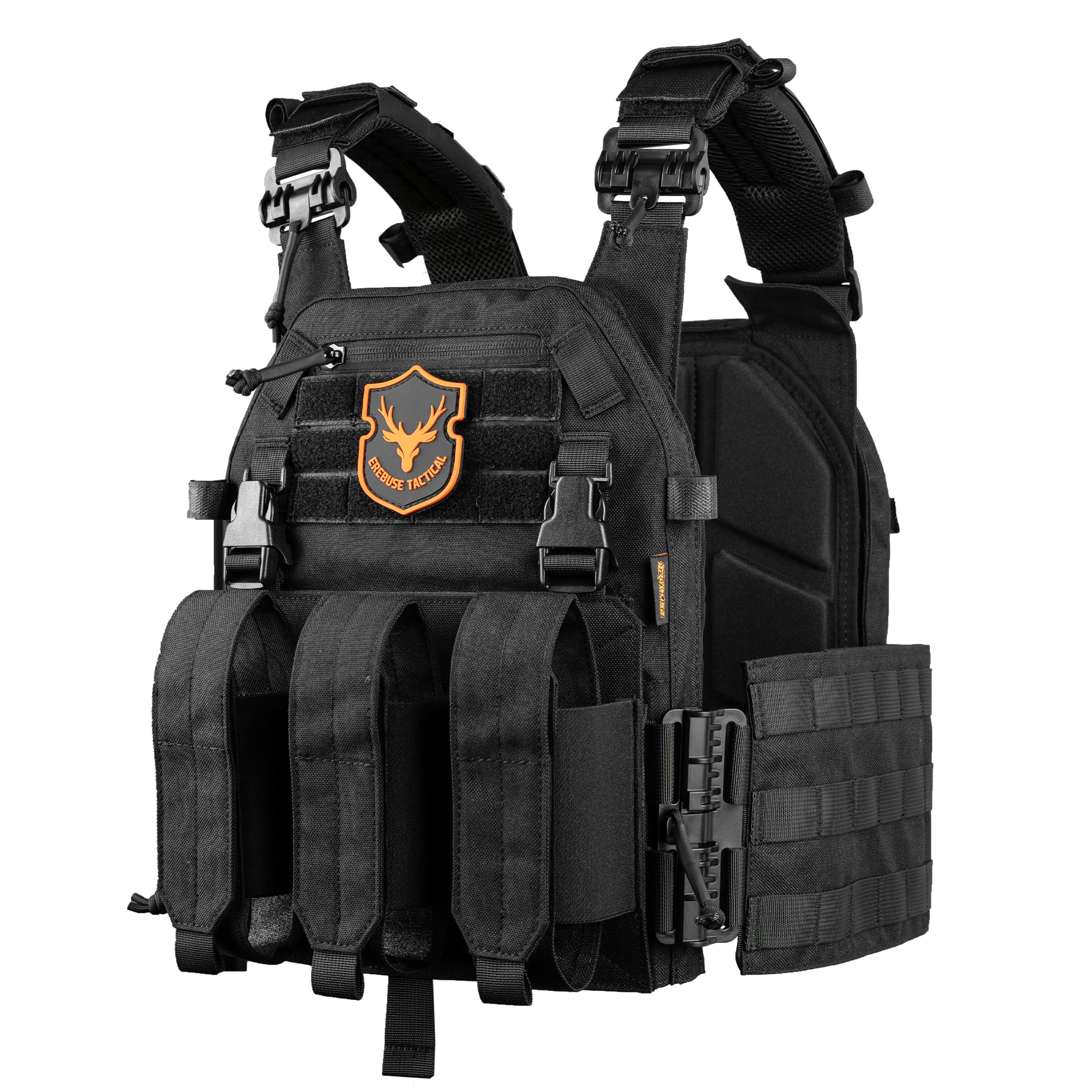
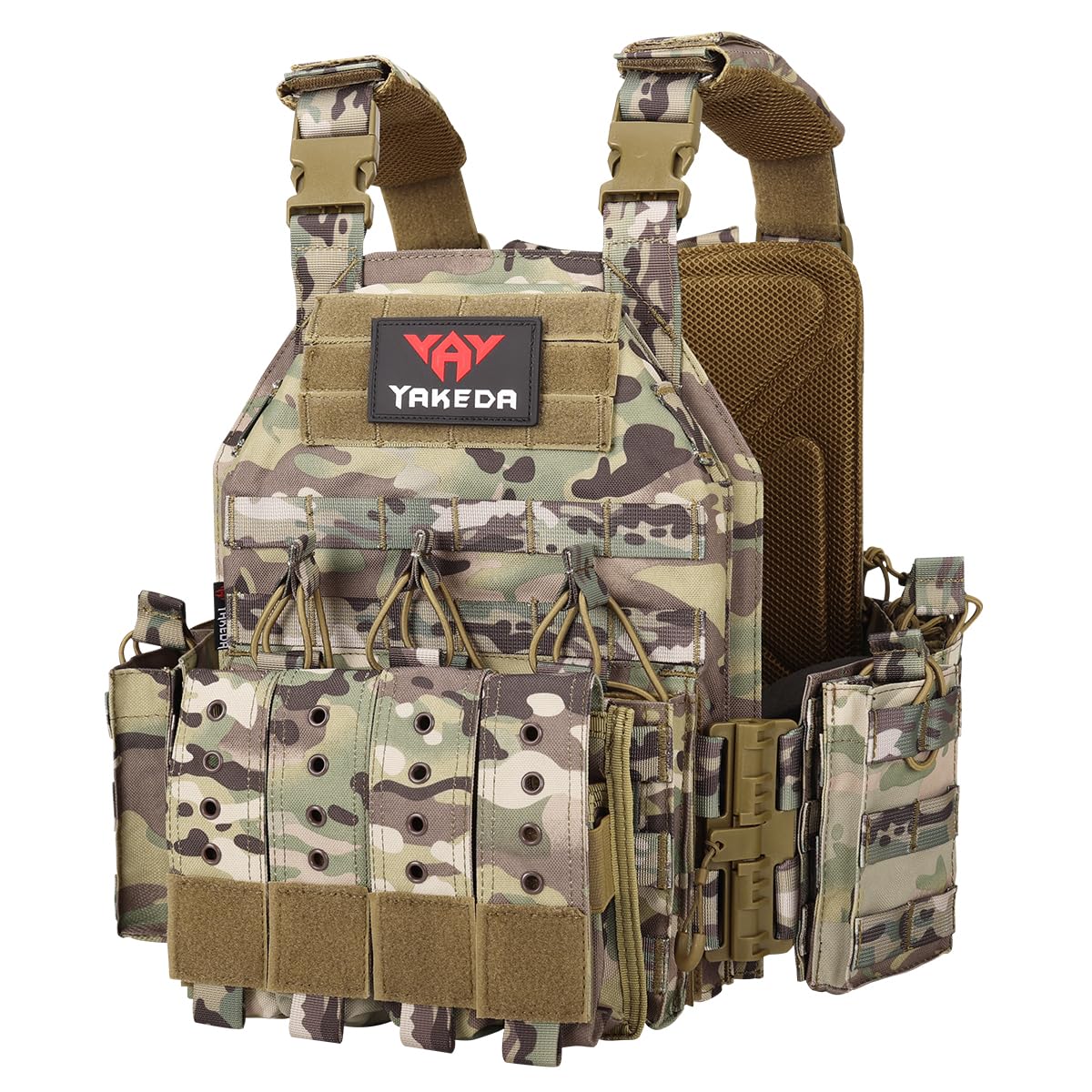
You play most weekends and carry four to six magazines, plus a radio, a dump pouch, and water. Choose a modular vest with MOLLE webbing front and back so you can move pouches as your load changes. Padded shoulders and a stable waist section matter here, because a loaded vest that shifts slows every reload and tires your shoulders by midday.
Youth Players and Smaller Adults Who Need a Shorter Fit
Choose a vest that adjusts down in length and waist, not a large vest pulled tight. Look for youth options or compact sizes whose size chart lists torso length as well as chest range. A vest that hangs past your hips catches on your belt and swings as you run, while straps that sit near your neck rub during long games.
Vest Price Tiers: Pouches, Fabric and Fit Range
Price alone does not define the best airsoft tactical vest for your games, but each tier changes what you can expect from fabric, fit range, and hardware.
Budget Tier: Simple Fixed Carry for Casual Games
Budget vests at about $30 to $60 usually offer fixed pouches, basic shoulder adjustment, and lighter fabric. That suits occasional play, where you carry a few magazines and little else. The tradeoff is growth, because a fixed layout cannot change when your loadout does.
Step Up Tier: Adjustable Fit and Room to Grow
Vests at about $60 to $110 usually add MOLLE panels, a wider fit range, more padding, and stronger buckles. This is the practical tier for most regular players, since you can move pouches, add a dump pouch, and fine tune the waist fit. Fabric is often heavier and stitching more consistent.
Premium Tier: Modular Plate Carrier Fit for Frequent Play
Premium vests at about $110 to $200 focus on precise adjustment, firm plate shaped panels, quick release hardware on some models, and fabric that resists abrasion. They suit frequent players who run and crawl for hours and notice small fit problems fast. A premium vest in the wrong torso length still fits worse than a cheaper vest in your correct size.
Key Features to Compare
Compare these five factors in order, because fit and pouch layout decide daily comfort more than color or extra straps.
MOLLE Webbing and Pouch Layout
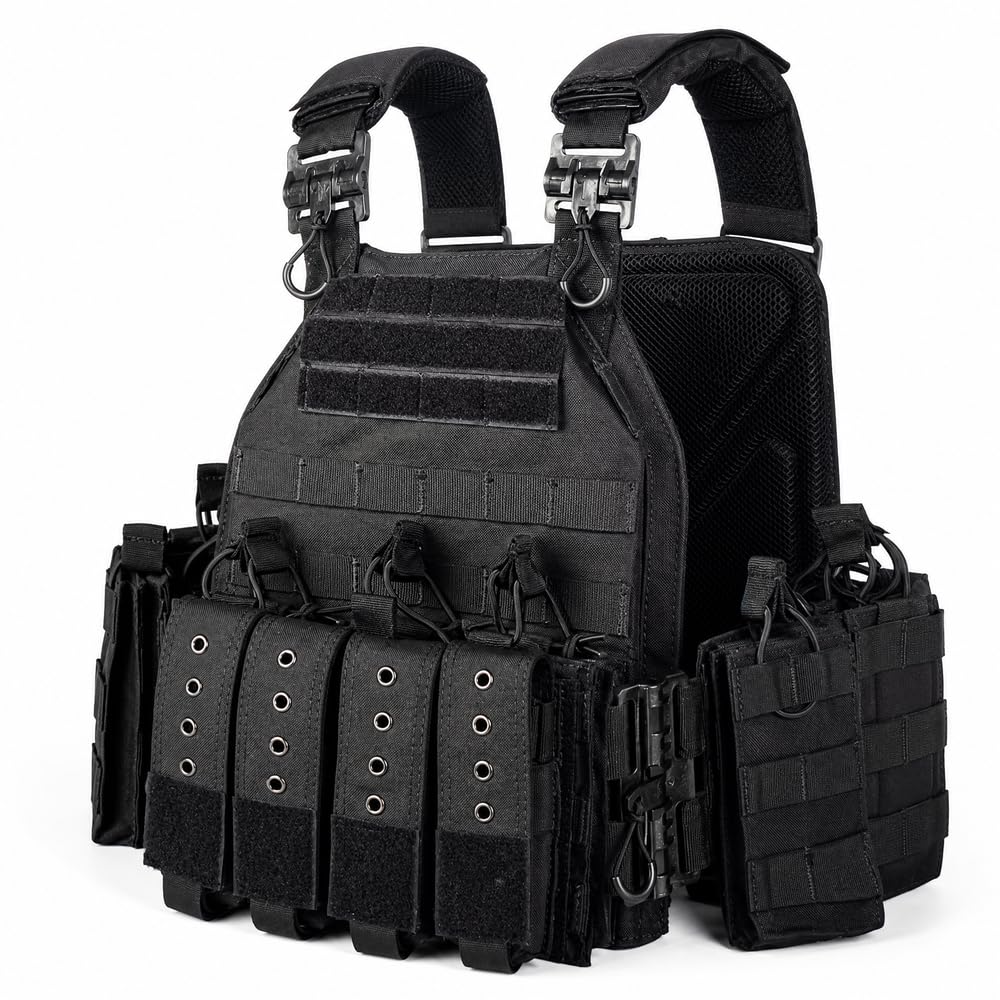
MOLLE webbing is the grid of heavy straps that lets you weave pouches onto the vest and move them later. Count usable rows on the front, sides, and back, and check that spacing is even so pouch straps thread through without forcing. Place magazine pouches where your support hand reaches naturally, keep your chest center clear if you go prone, and leave the shoulder area open where your rifle stock sits.
Fit, Sizing and Adjustment Range
Fit starts with torso length and chest size together, so read the size chart in full instead of ordering by shirt size alone. Measure around your chest at its widest point while wearing your game layers, then check where the vest bottom would sit. Shoulder straps should adjust without running out of strap, and the waist section should close snugly with room to breathe and bend.
Magazine Pouches and Retention
Retention is how magazines stay put when you run or crawl. Flap pouches guard magazines from dirt and loss, while open top pouches with elastic or bungee cords allow faster access for players who reload often. Check pouch size against your magazine style, because tall magazines can sit loose in wide rifle pouches. Shake the loaded vest gently before game day. If a magazine slides out, change the pouch or add the retention cord.
Fabric, Stitching and Hardware
Most vests use nylon described by denier, where higher numbers such as 1000D usually mean thicker yarn than 600D. Thicker fabric resists scuffs from walls and ground cover, but it adds weight and stiffness when new. Look for even stitching with no loose ends at pouch bases, strap anchors, and shoulder joints, because those points carry the load. Buckles should click shut firmly and open with gloved hands, and zips should run without catching the lining.
Padding, Airflow and Loaded Weight
An empty vest tells you little, so judge comfort with your normal load in place. Shoulder padding spreads the weight of full magazines, and a padded back panel reduces pressure where a hydration bladder sits. Mesh lining and open side sections let heat escape during outdoor summer games, while solid panels feel warmer indoors. If the loaded total feels heavy during a short trial at home, it will feel far heavier in the final hour of a long event.
How to Size and Set Up a Vest for Indoor and Outdoor Play
Try the vest on over your game clothing, load your usual magazines, and crouch, kneel, raise your arms, and mime a reload. The vest should stay centered, the bottom edge should clear your belt, and no pouch should block your draw. Adjust the shoulders first, then the waist, then move pouches only after the base fit feels stable.
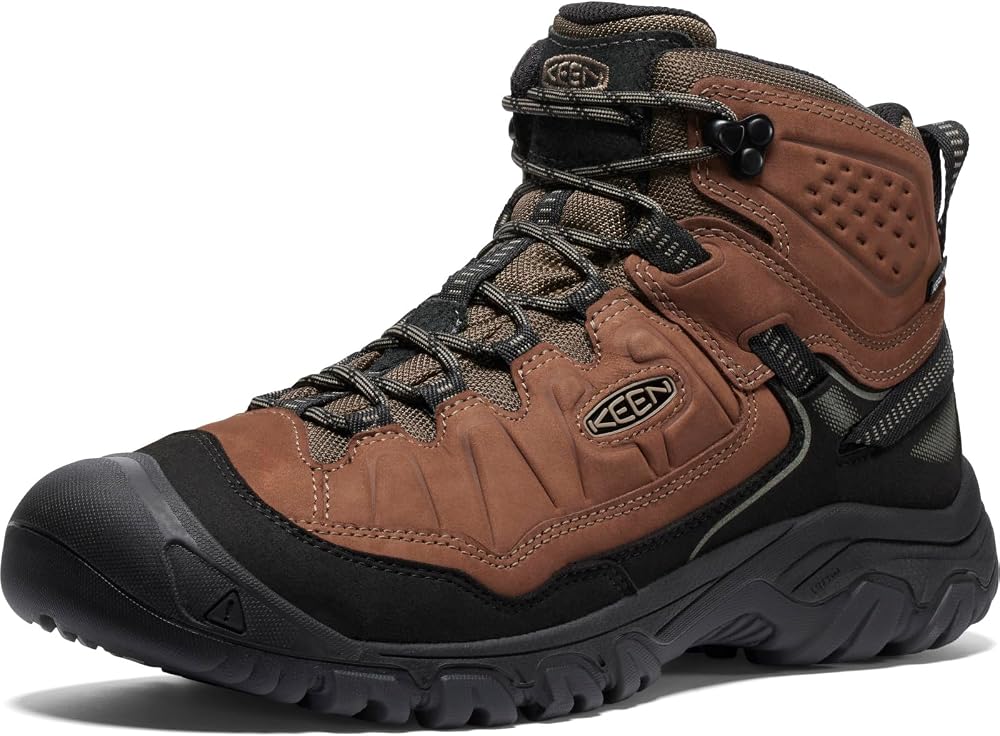
Indoor fields favor a compact load, since tight corners punish bulky side pouches. Outdoor fields add heat, brush, and longer walks, so airflow and secure flap pouches matter more, and sturdy footwear completes the kit, as covered in our guide to the best tactical boots. A vest is load carrying gear only. It offers no rated protection and never replaces eye and face cover, so see our guide to the best airsoft mask before you play.
Plan long term costs too. Extra pouches, a hydration bladder, and replacement buckles can add about $30 to $80 over time. A common MOLLE layout keeps those additions cheaper, because pouches you already own can move to your next vest.
Common Mistakes to Avoid
- Buying by shirt size alone leaves the vest too long, so it rides over your belt and swings when you run.
- Loading every pouch on day one adds weight you do not need and slows every movement.
- Choosing a plate carrier for looks alone leaves new players paying for structure they never use.
- Ignoring pouch size means loose magazines rattle, shift, and can fall out during a sprint.
- Skipping proper eye protection because a vest feels protective leaves your eyes exposed to direct hits.
- Storing a vest while it is still damp from sweat weakens fabric and leaves a stale smell.
Care and Maintenance for Airsoft Tactical Vests
Empty every pouch after each game and shake out dirt, plant matter, and spent pellets. Brush dried mud from webbing and buckles, and wipe panels with a damp cloth and mild soap where sweat has soaked in. Open all straps and pouches and let the vest dry fully in moving air, away from direct heat that can warp plastic hardware.
Check strap anchors, pouch stitching, and buckle teeth monthly during regular play, and repair a small loose thread before it spreads under load. Store the vest hanging or lying flat with the waist section unfastened, so padding keeps its shape.
FAQ
How long does an airsoft tactical vest usually last?
An airsoft tactical vest usually lasts about two to four years of regular weekend play. Life ends fastest at shoulder anchors and pouch bases, where stitching carries repeated load. A clear end of life sign is webbing frayed enough to let a pouch strap shift on its own. Retire the vest when a strap anchor tears, because a sudden failure can drop every magazine you carry.
Is a premium airsoft tactical vest worth buying for a beginner player?
No, a premium vest is rarely the smart first purchase for a beginner player. Your pouch layout will change as you learn your role, and a step up tier vest lets you test that layout for less money. Put the savings toward proper eye protection and spare magazines first.
Does indoor or outdoor play change which airsoft vest you should choose?
Yes, the field changes the vest that suits you best. Indoor play rewards a slim profile and fewer pouches, because doorways and barriers reward quick turns. Outdoor play adds weather, so flaps that keep rain and grit out of pouches earn their keep, and a color that suits your field helps you blend in. Some fields set their own gear rules, so check site rules before you buy.
What size airsoft tactical vest should you buy?
Buy the size whose chest range contains your measurement with room to spare, then check torso length against the size chart. If you sit between sizes, choose by length first, because waist straps can take in extra width but nothing shortens a long panel. Cold weather players should repeat the measurement over their thickest game layer, since a vest that fits a tee shirt may not close over a winter fleece.
Final Thoughts
Match the vest to your torso first, then to your pouch count, then to your budget tier. Use the product table above to confirm size range, pouch layout, and price before you order.
When you judge the best airsoft tactical vest by those checks, the right tier usually becomes clear. Buy the simplest vest that fits well and carries your load securely, and spend the rest of your budget on gear you will use every round.