Best Airsoft Protective Gear for 2026: A Practical Buyer Checklist
Disclosure: We may earn a commission when you buy through links on this page, at no extra cost to you. As an Amazon Associate I earn from qualifying purchases. Learn more

Run this checklist before buying the best airsoft protective gear for your games: impact ratings, fit, padding zones, durability and honest value checks.
Protective gear is the purchase you make hoping never to need, which is exactly why a checklist beats impulse buying. A BB to the knuckle, a fall on gravel, or a lens that fogs at the wrong moment will find every shortcut you took. This guide lays out a checklist to judge the best airsoft protective gear before any money moves.
The checklist covers eyes, face, hands, knees, and torso in that order, because that is the order of risk in most games. Use the comparison table below to gather candidates, then score each one against the criteria that follow. Anything that fails the safety sections is out, no matter how good it looks.



How to Evaluate Airsoft Protective Gear
Skill Level and Intended Use
Start with how and where you play. Beginners need full face coverage, padded gloves, and forgiving fits while they learn to move and communicate. Intermediate players add knee pads and lower face protection matched to their field surfaces. Advanced players at large events prioritize light weight, heat management, and gear that stays in place through a full day. A checklist score only makes sense against your real use, so write your typical game at the top of your notes.
Value and Included Accessories
Value means protection per dollar across the whole kit, not the cheapest single item. Bundles that include a mask, gloves, and pads can save money, but only if each piece passes its own checks. Useful included extras are spare straps, replaceable foam, lens cloths, and storage bags. Weak extras are decorative patches and pouches you will never mount. Price the replacement parts too, because gear with cheap spares often costs less across two seasons than a bargain kit you must replace whole.
Materials and Construction
Materials decide how gear absorbs impact and ages. Lenses should be polycarbonate, frames a flexible polymer that bends rather than cracks, and pad shells a hard polymer over dense foam. Stitching on gloves and knee pads should be tight and even, with reinforced thread at stress points. Breathable mesh panels help outdoors in summer but tear sooner than solid panels. Run your fingers along seams and edges. Rough finishing on the outside usually means rough finishing where it touches skin.
Performance Characteristics
Protection that shifts, slips, or fogs fails in practice even when its materials are strong. Knee pads must stay centered when you kneel and stand fifty times in a game. Gloves must keep grip on a wet marker grip and still let you feel the trigger. Masks must hold a seal while you talk, run, and aim. Judge stability by movement, not by how the gear feels standing still in a shop. Comfort across three hours matters more than comfort across three minutes.
Indoor vs Outdoor Use
Indoor fields produce close range hits on hard floors, so full face coverage, knuckle padding, and hard knee protection earn their place. Outdoor fields add brush, gravel, and weather, so abrasion resistance, drainage, and layers you can adjust matter more. Some gear crosses over well, such as sealed goggles with strap retainers. Other gear is setting specific, like bright indoor tracer friendly clothing versus muted outdoor camo. Note your main setting on the checklist and weight the score toward it.
Safety and Certifications
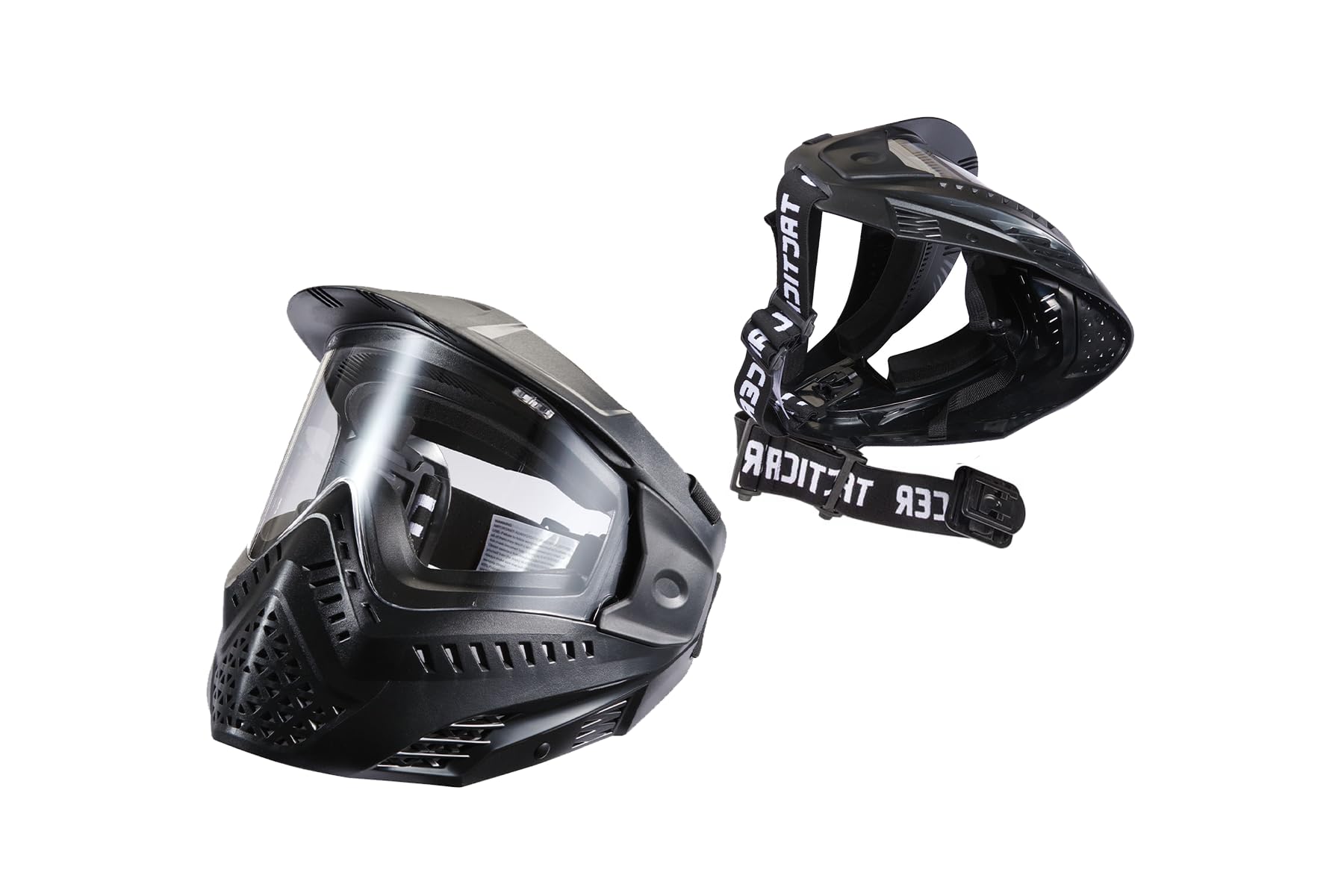
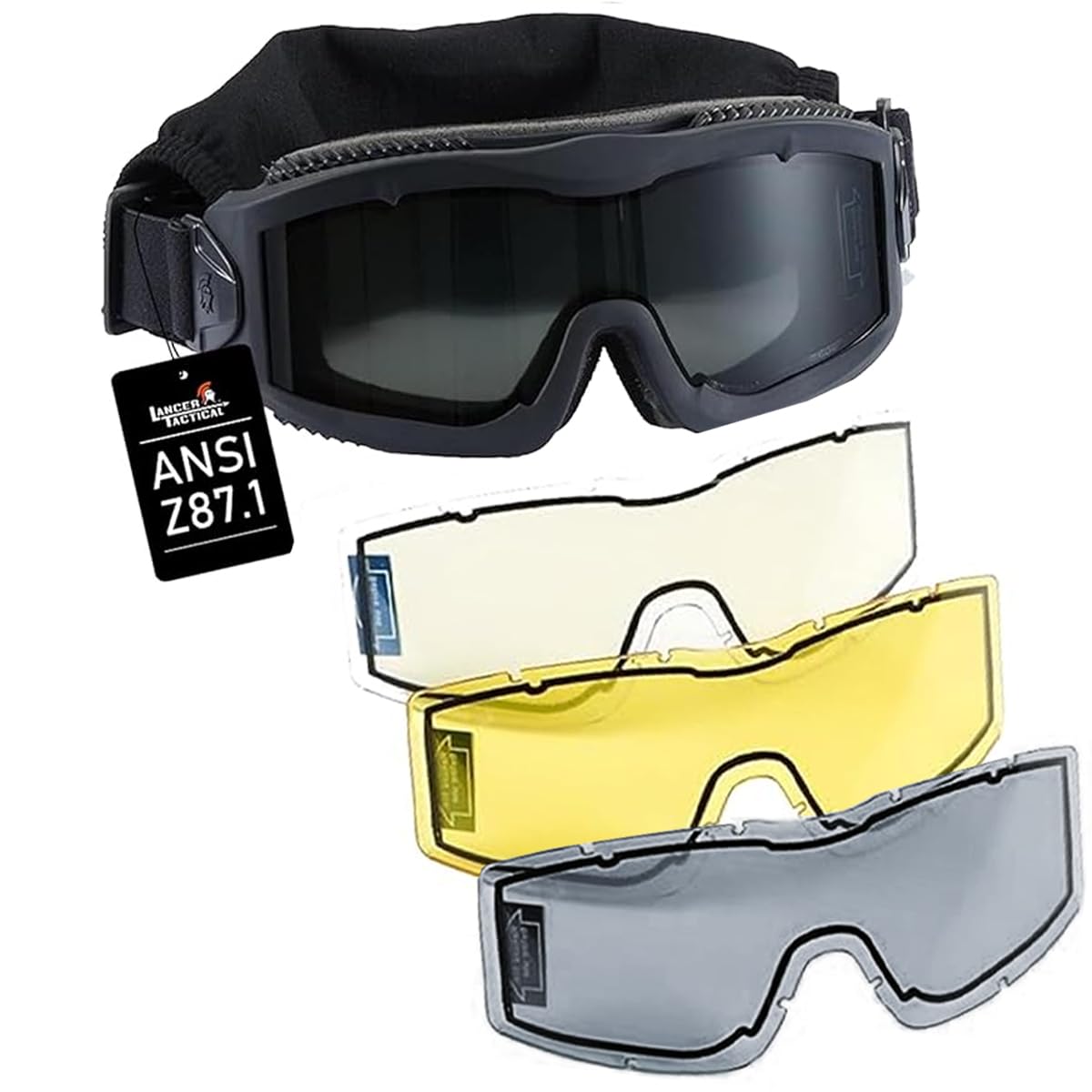
This is the pass or fail section. Eye protection must carry a recognized impact rating such as ANSI Z87.1, cover the eyes with a full seal, and be sold as airsoft or ballistic rated eyewear, never as fashion glasses. Lower face protection should use steel mesh or solid polymer that a BB cannot penetrate or deform into the teeth. If a listing cannot state its rating plainly, treat that silence as a failed check. Players building a first full kit can cross check categories with our best gear for airsoft overview.
What Each Budget Tier Should Pass
Rather than naming products, use tiers. Each tier below should pass the full safety checklist, and higher tiers buy comfort, fit range, and durability rather than basic safety.
Entry Tier Kits
Entry tier kits, often under $60 for a mask and glove pairing, suit new players who attend short casual games. Expect a rated full face mask, basic padded gloves, and simple strap on knee pads. The limits are heat, foam quality, and strap hardware that loosens with age. This tier is a sensible start if every piece carries its rating, because safety is not the place where a low price should show. Replace pieces one at a time as your play style becomes clear.
Mid Tier Kits
Mid tier kits, about $60 to $150 across the main pieces, are the sweet spot for regular players. This range adds thermal lenses, better ventilated masks, gloves with fitted fingers, and knee pads with proper retention straps. Durability improves where it counts, at hinges, buckles, and seams. If you play monthly or more, this tier usually delivers the lowest cost per game across a couple of seasons, and it is where most checklist scores peak for the money.
Heavy Use Kits
Heavy use kits, often above $150, serve event players and marshals who wear gear all day, every week. Expect modular setups with separate goggles and lower face guards, replaceable everything, and materials chosen for abrasion and heat. The gain is endurance and precise fit, not higher basic safety, since rated entry gear already meets the impact bar. Buy at this tier when cheaper gear has worn out on you, not before you know your needs. New players unsure where to start can compare starter priorities in the best airsoft gear for beginners guide.
Quick Buyer Checklist
- Does the eye protection state a clear impact rating and seal fully to the face?
- Does the lower face protection guard teeth and cheeks without blocking speech or breathing?
- Do gloves protect knuckles while keeping full trigger feel and grip?
- Do knee pads stay in place through repeated kneeling on your usual field surface?
- Can foam, straps, and lenses be replaced without replacing the whole item?
- Does every piece fit your body now, with adjustment room, rather than a size you hope to grow into?
- Is the total kit weight comfortable for the full length of your longest game?
- Does the price leave room in your budget for spare lenses and replacement straps?
Red Flags to Watch For
- Vague safety language: phrases like strong protection with no named rating mean the maker will not stand behind a standard.
- Mesh eye lenses: mesh over the eyes can let BB fragments through. Mesh belongs on lower face guards only.
- Missing size guidance: no size chart usually means one loose fit that seals poorly on most faces.
- Very short warranty: makers who expect early failure say so through thin coverage and no spare parts.
- Review patterns that look bought: clusters of generic praise with no mention of fit, fog, or sizing tell you little. Weight detailed comments about real games.
Care and Maintenance Tips
Store gear out of direct sun and extreme heat, because ultraviolet light and heat age foam, straps, and lens coatings. Check wear before each use, especially lens condition, strap stitching, and pad shells. Clean and dry after outdoor use, since grit left in straps grinds fibers and moisture breeds odor in foam. Wash soft goods gently, air dry everything fully, and replace any lens that takes a hard direct hit.
FAQs
Does indoor or outdoor play change the protective gear you need?
Yes. Indoor games mean close range shots and hard floors, so full face masks, knuckle padding, and hard shell knee pads matter most. Outdoor games add brush and uneven ground, so abrasion resistance, ankle support from good boots, and ventilation for heat take priority. Most players keep one rated eye protection core and adjust the padding layers around it by setting.
What size protective gear should you get?
Measure, then follow the maker size chart for each item, because sizing varies widely between brands. Masks should seal with no gaps and no painful pressure, gloves should reach the wrist without bunching in the palm, and knee pads should center on the kneecap with straps snug. Between sizes, choose the one with better adjustment range rather than the one that feels loose today.
How long does airsoft protective gear last?
Hard shells and frames last for years, while soft parts cycle faster. Expect straps and foam to need attention after a season of regular play, gloves to wear at the palms within a year or two, and lenses to be replaced when scratched or after a hard impact. Honest wear checks extend life, because small repairs happen before small damage spreads.
Is premium protective gear worth it for a beginner?
Premium pricing is worth it first in eye protection fit, because a mask you wear comfortably all game is a mask you never lift mid field. For gloves and pads, mid tier gear gives beginners the same rated protection with money left for game time. Upgrade the pieces that wear out or annoy you, in that order, and your kit will grow with your skill.
Final Thoughts
Run every candidate through the same three gates: a clear safety rating, a fit that survives movement, and parts you can replace. Gear that passes all three belongs on your shortlist from the product table above. Chosen this way, the best airsoft protective gear stops being a gamble and becomes a kit you trust every time you step onto the field.