Best Airsoft Mask Ever: Types Compared and How to Choose for 2026
Disclosure: We may earn a commission when you buy through links on this page, at no extra cost to you. As an Amazon Associate I earn from qualifying purchases. Learn more

Compare every mask type to find the best airsoft mask ever for your face, glasses, and field, with clear guidance on ratings, fit, fog, and comfort.
Ask ten players about masks and you will hear ten strong opinions, because faces, fields, and play styles differ so much. Full masks, mesh lowers with goggles, and compact paintball style masks all protect you, but they breathe, fog, and fit very differently. This guide compares each type honestly so you can find the best airsoft mask ever for your own head and your own games.
No type wins everywhere. Use the comparison table below for price ranges, then read the type sections with your main field and your eyewear in mind.



Types of Airsoft Masks Compared
Start with the safety baseline that every type must meet. Eye protection must be full seal and rated for impact, with ANSI Z87.1 or the higher rating your field requires. A mask that fails that test is not a bargain at any price. Beyond the rating, types differ in coverage, airflow, fog behavior, and how well you can aim, speak, and drink while wearing them.
Price spreads are wide, from about $20 for basic setups to about $150 or more for premium full masks with thermal lenses. The sections below explain what each type does well, where it struggles, and who should choose it, so the price differences make sense.
Beginner Options
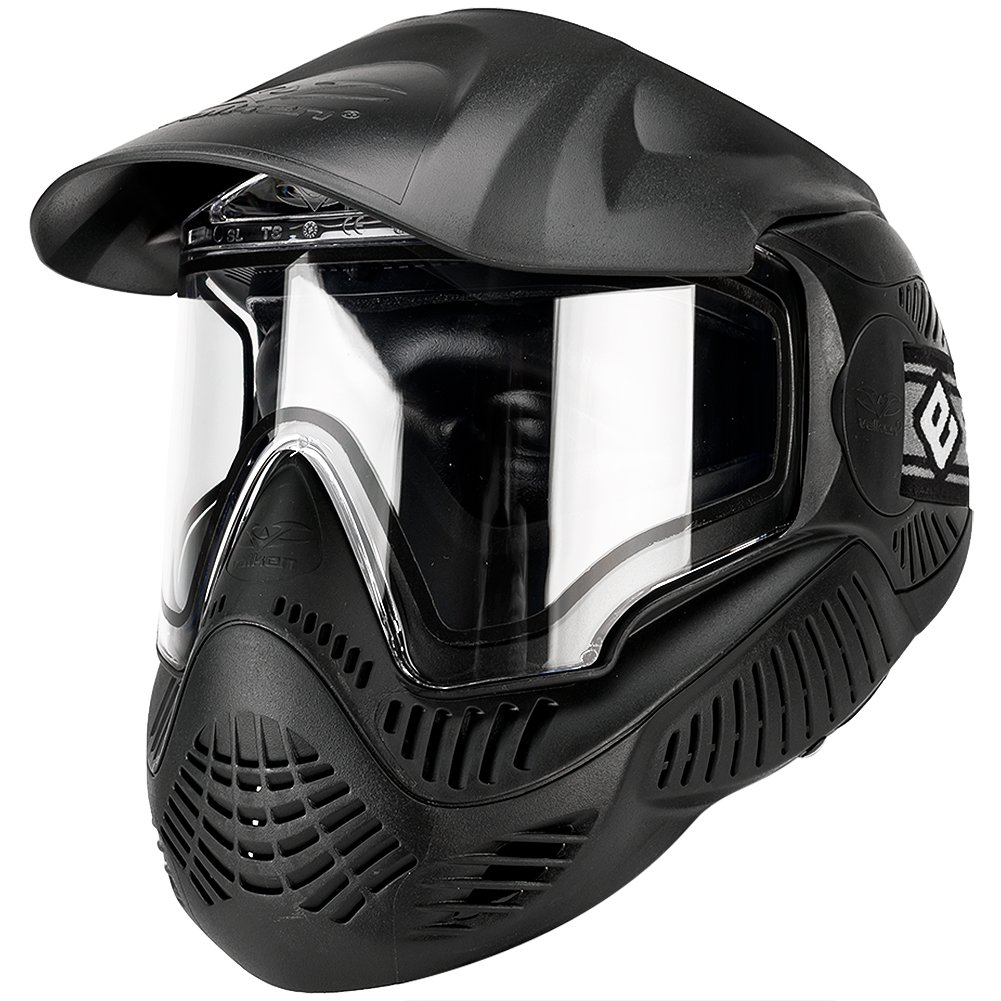
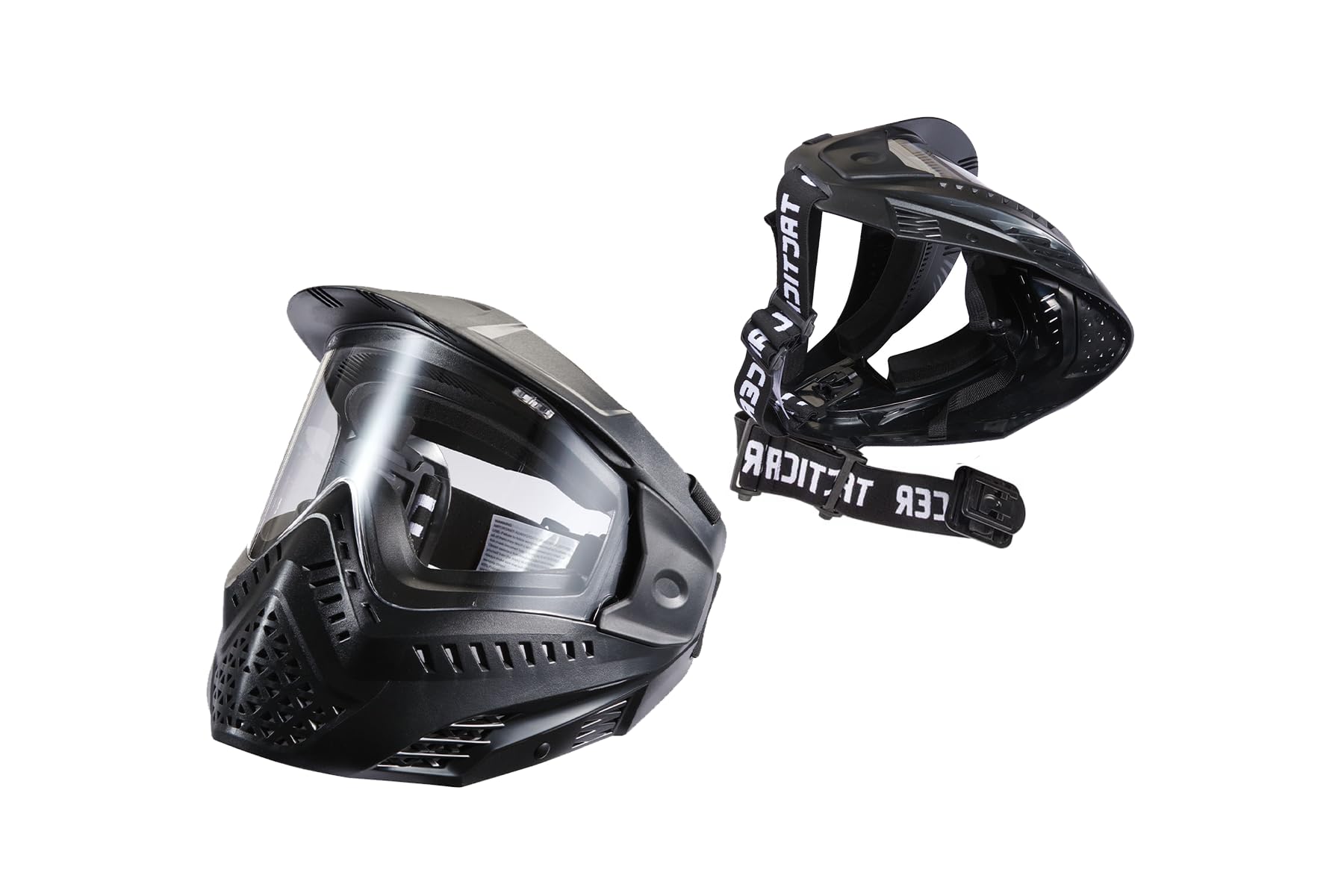
Beginner masks are usually one piece full face designs with a single lens, a simple strap, and generous coverage of the ears and jaw. They remove guesswork, because there are no separate pieces to align, and they protect teeth and cheeks at the close ranges where new players most often get hit.
The trade offs are heat and fog. A single lens in a sealed mask fogs faster, especially for players who run hard, and the bulk can make aiming down sights awkward without a riser. For a first season, though, the simplicity and low price, often about $25 to $50, make this type the default starting point for most new players and rental fields.
Intermediate and All Around Options
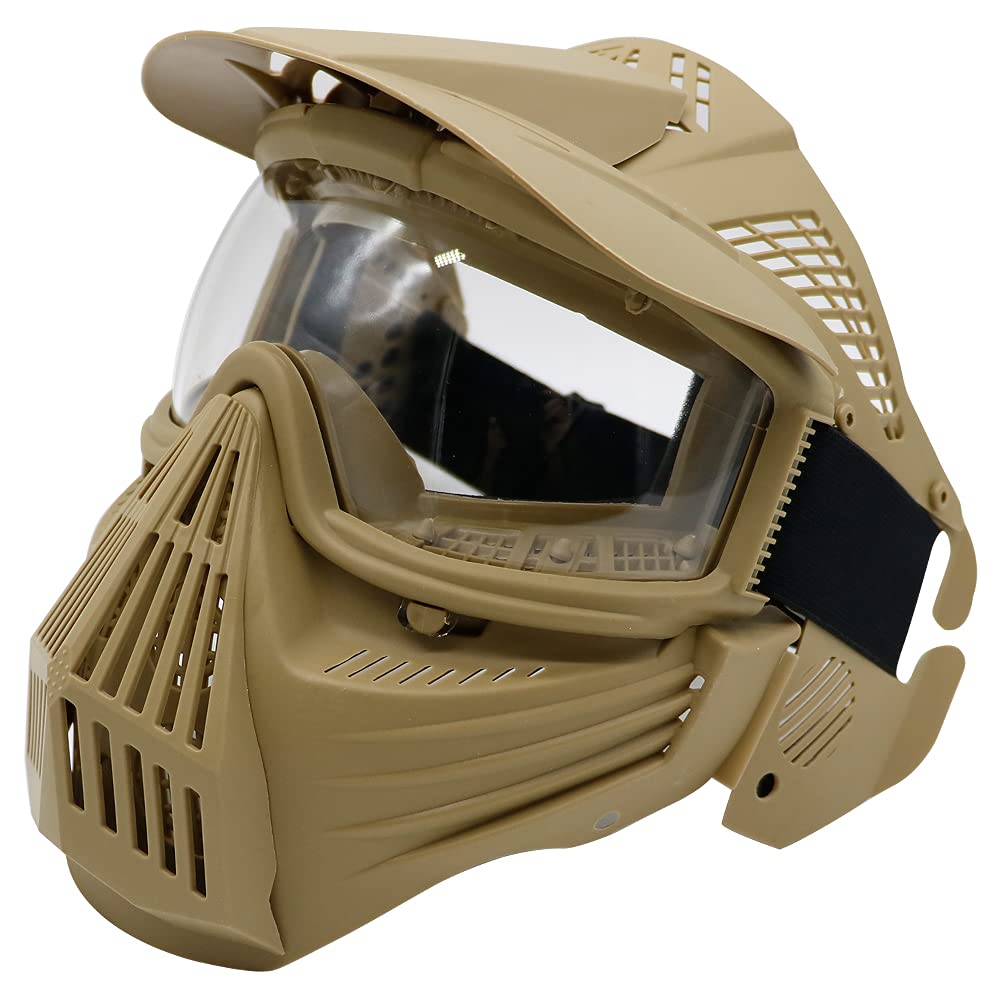
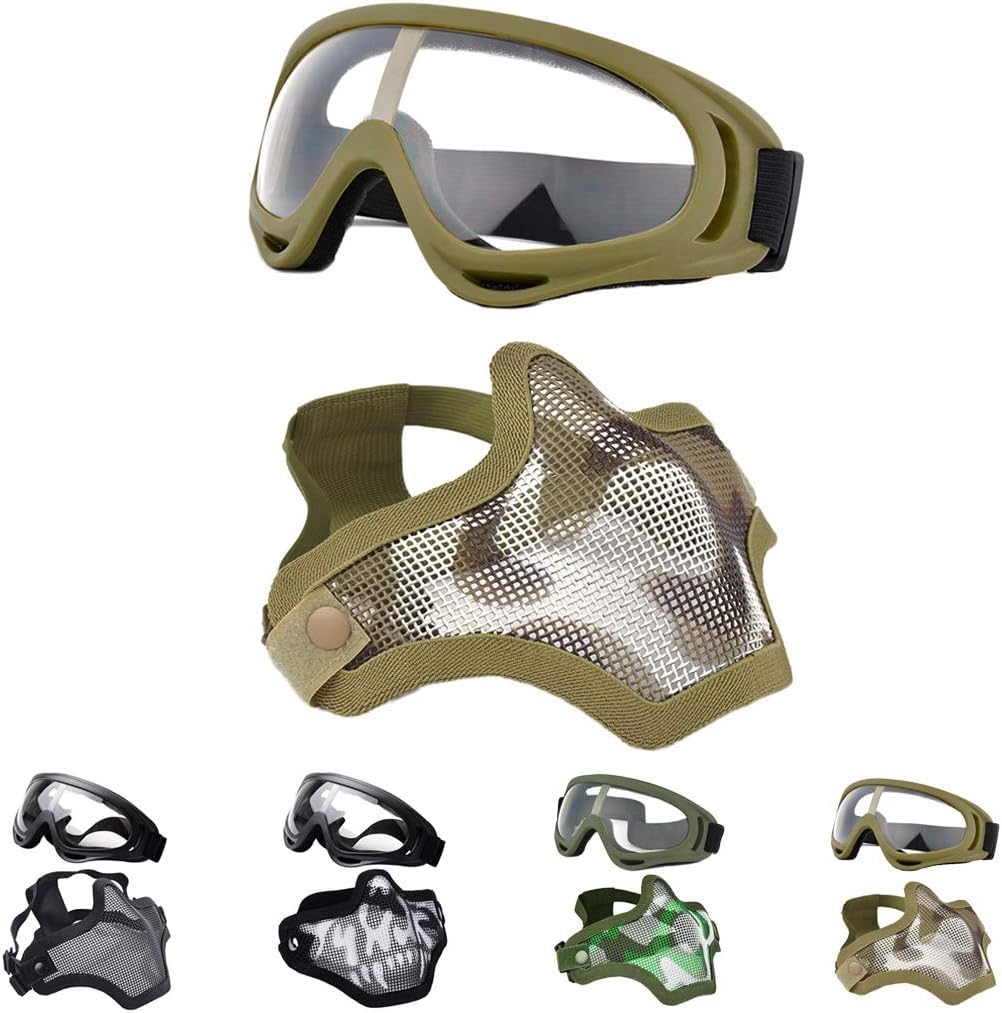
The all around choice for many regular players pairs rated goggles with a separate mesh lower. The goggles seal the eyes, while the steel or fabric mesh covers the nose, cheeks, and teeth with far better airflow than a solid mask. You can breathe, speak, and aim more naturally, and the mesh can be shaped gently to your face.
This two piece approach needs care at the overlap, because a gap between goggle and mesh can expose skin at the nose. Quality sets solve this with shaped mesh and straps that hold both pieces together. Expect about $40 to $90 for a good combination, and see our guide to the best mesh mask airsoft for the mesh half of the pairing.
Kids and Youth Options
Youth masks are smaller full face designs with straps and proportions that suit smaller heads. Fit is the whole story here. A mask that is too large will shift during play, opening gaps and fogging badly, while a snug youth mask stays sealed and gives a young player confidence.
Choose full coverage for younger players, with ear protection and a lens rating that matches adult standards, because BB energy does not change with the age of the person wearing the mask. Have the player wear it for fifteen minutes at home before game day, and check for pressure points and strap slip. Our overview of the best airsoft mask range shows how youth sizing sits within the wider market.
Advanced and Performance Options
Performance masks borrow heavily from paintball design, with dual pane thermal lenses, soft flexible lowers, and quick change lens systems. The thermal lens is the headline feature, because the air gap between panes greatly slows fogging during hard, humid play. Venting is generous, communication is clearer, and the flexible lower lets you get closer to your stock for a proper aim.
These masks cost more, often about $80 to $150, and the larger profile does not suit every milsim look. For players who fog every other mask they try, or who play long outdoor events, the comfort is worth it. Many players cross shop this type with the options in our guide to the best paintball mask for airsoft, since the designs overlap so closely.
Beginner Options vs Intermediate and All Around Options: Which Should You Choose?
Compare fog first. The one piece beginner mask fogs sooner, while the goggle and mesh pairing vents heat through the mesh and keeps the lens clearer. Compare aiming next. The mesh lower flattens against your cheek, so you can use sights more naturally, while a rigid full mask often needs a riser or a heads up style of aim.
Coverage runs the other way. The full mask protects ears and jaw in one piece with no gaps to manage, while the two piece setup depends on correct overlap every time you gear up. Cost and simplicity also favor the beginner mask. Choose the full mask for your first season or for young players, and choose the paired setup once comfort, speech, and aiming start to limit your enjoyment.
How to Choose the Right Airsoft Mask
Portability and Storage
A mask travels badly if you treat it as an afterthought. Rigid full masks hold their shape but take real space in a gear bag, while goggles and mesh pack flatter. Whichever type you choose, store the lens in a soft bag or case, because a scratched lens cannot be polished back and a scuffed area in your line of sight ruins games.
Never store a damp mask sealed in a bag after a rainy day. Let it dry fully at home, then store it out of direct sun, since heat and ultraviolet light age straps and foam. A spare lens and a microfiber cloth in your kit bag solve most field problems before they start.
Performance Characteristics
Fog control is the performance trait players feel most. Dual pane lenses, honest vent area, and airflow across the lens matter far more than coatings alone, though a good coating helps. If you wear glasses, look for masks with room inside the frame area and strong venting, and read our guide to the best airsoft mask for glasses before you buy, because fit over frames varies widely.
Field of view is the second trait. A wide, undistorted lens helps you spot movement at the edges, which matters outdoors. Distortion at the lens edges tires your eyes over a long day, so favor masks that players describe as optically clear, and check the view yourself in a store when you can.
Skill Level and Intended Use
New players should prioritize full coverage and simplicity, because their games involve close range surprises and little spare attention for gear management. As skill grows, players usually trade a little coverage for airflow, speech clarity, and aiming comfort, which is why the paired setup dominates among regulars.
Intended use refines the choice further. Indoor players face the closest shots and benefit from full face coverage. Outdoor and milsim players may add helmet and ear protection pieces, and need a mask that integrates without gaps or pressure points. Build the protection as one system, not as separate purchases that fight each other.
Safety and Certifications
This is the section that matters most. Your eye protection must carry a real impact rating, such as ANSI Z87.1, and many experienced players prefer the higher Z87 plus marking or a military ballistic rating. Mesh eye protection is not accepted at many fields because a BB can fragment through it, so mesh belongs over the lower face only, never as the sole eye covering.
Check straps and foam as safety parts too. A mask that slips down your nose mid game is a hazard, not a comfort issue. Replace cracked lenses, worn foam, and stretched straps promptly, and never lend a damaged mask to a new player. If a listing hides its rating or uses vague language about protection, treat that as a failed test and move on.
Size, Weight, and Fit
Fit decides whether a good mask on paper becomes a good mask on your face. The seal should touch all around the eyes with no gaps when you smile, talk, and look down. Straps should hold the mask firmly without a headache level of tightness, and the mask should not rest its weight on the bridge of your nose alone.
Use the maker size chart where one exists, and measure across your face at cheek height if you are between sizes. Players with smaller faces often do better in youth or compact versions of the same design. A five minute wear test at home, including aiming practice, reveals more than an hour of reading listings. For a face only option that pairs with separate goggles, compare the coverage in our guide to the best airsoft face mask styles.
Care and Maintenance Tips
Clean lenses with water and a microfiber cloth only, because paper towels and shirt fabric scratch coatings over time. Rinse dust off before wiping, and never use harsh solvents on a lens. Wash straps and foam gently with mild soap, rinse well, and air dry fully before storage.
Store the mask out of direct sun and extreme heat, and check wear before each use. Look for lens cracks, foam that no longer seals, and straps that have lost their stretch. Clean and dry the mask after outdoor use, especially after rain or mud, and replace the lens at the first sign of damage rather than hoping it holds for one more game.
Airsoft Masks: Your Questions Answered
How long does an airsoft mask last?
The frame and body can last for years, but the lens, foam, and straps are wear items. Expect to replace foam and straps about once a season under heavy use, and replace the lens whenever it cracks, deep scratches appear in your view, or the coating starts to peel. A mask stored dry, clean, and out of sunlight will outlast an identical one left damp in a gear bag.
What size airsoft mask should I get?
Choose by seal and coverage, not by the size you expected to wear. The mask should seal fully around the eyes, cover your jaw when your mouth opens, and stay in place when you shake your head. If you wear glasses, bring them to the fitting, because frame width decides comfort more than head size does. Between sizes, pick the one with the better seal.
Does indoor vs outdoor play matter for an airsoft mask?
Yes. Indoor shots arrive at very close range, so full face and ear coverage earns its bulk, and fog builds fast in still air, which favors strong venting. Outdoor play adds sun, dust, and longer wear times, so comfort, field of view, and a lens tint choice for bright days matter more. Many players who do both keep one mask with swappable clear and tinted lenses.
Is it worth buying premium as a beginner?
It can be, because masks are safety gear you wear every minute of every game. A premium thermal lens that keeps your vision clear prevents the frustration that makes many new players quit early. That said, a correctly rated mid range mask protects your eyes just as well. Spend premium money for fog control and comfort, not for the belief that your eyes are safer.
The Bottom Line
Judge every mask on three things: a genuine impact rating with a full seal, fog control that suits how hard you play, and a fit that stays comfortable and gap free all day. Match the type to your field using the sections above, and compare current options in the product table above before you buy. Chosen with those checks, the best airsoft mask ever for you is simply the one you forget you are wearing, because your vision stays clear and your face stays protected from the first game to the last.