
Best Airsoft Headset for 2026: Matching the Right Model to Your Play Style
Disclosure: We may earn a commission when you buy through links on this page, at no extra cost to you. As an Amazon Associate I earn from qualifying purchases. Learn more

Radio fit, mic clarity, helmet comfort and hearing protection decide the best airsoft headset for your role. Compare styles and features here.
There is no single setup that suits every field, role, and radio. The best airsoft headset for a squad leader who talks all day is different from the one a quiet flanker needs for short calls and clear hearing. What matters is how it connects to your radio, fits with your helmet and face protection, and lets you hear the field.
This guide works through those choices by play style first, then by the features that change comfort and clarity in a game. Use the comparison table below to compare styles once you know which setup fits the way you play.
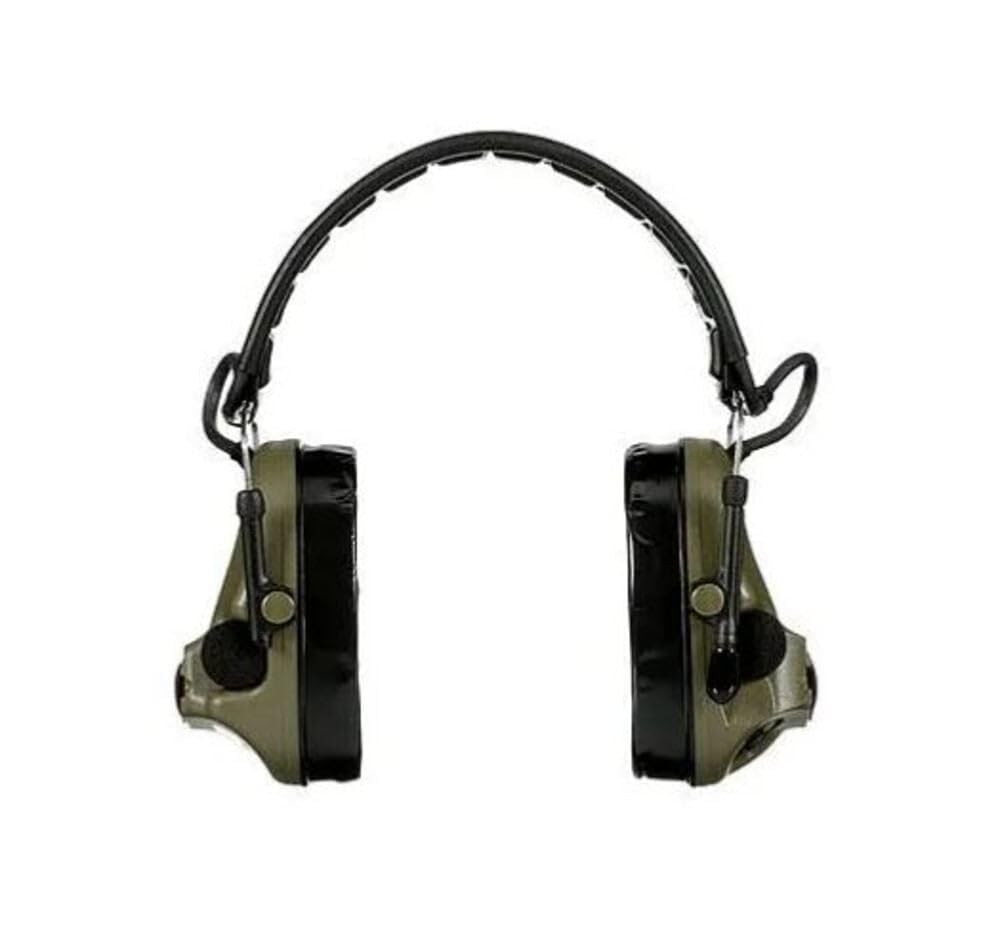


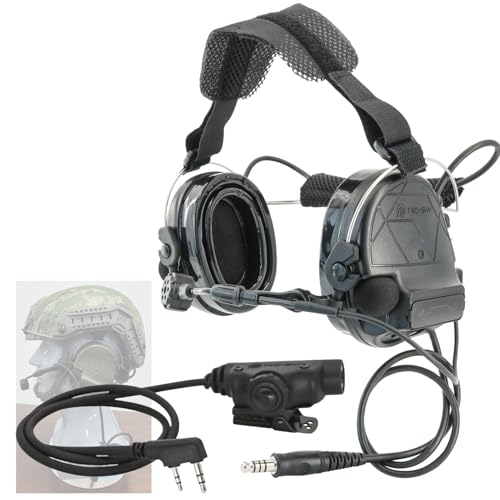

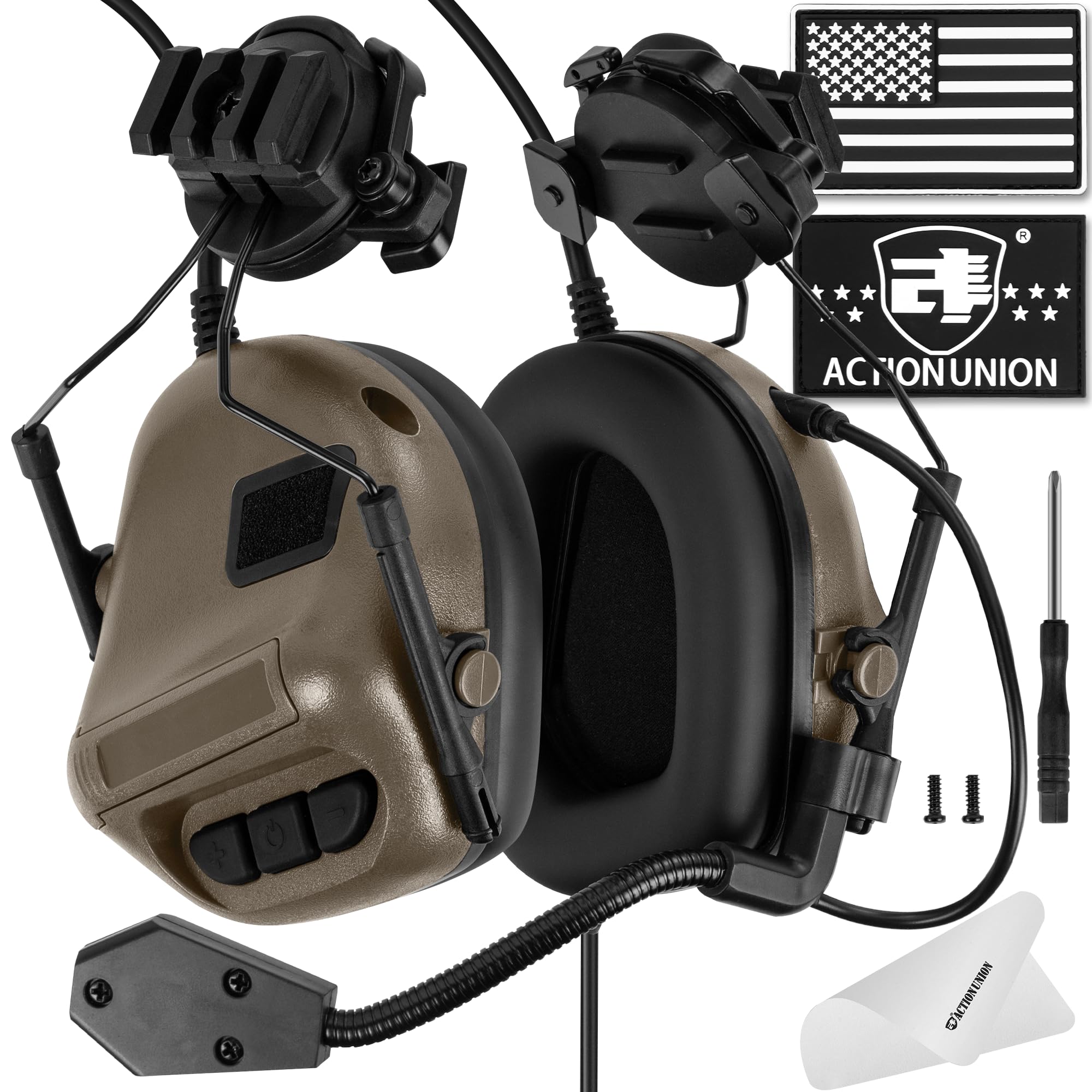


Who Should Buy Which Airsoft Headsets?
Start with the role you play most often, because that role decides how much you talk and how long you wear the headset each game.
For New Players Building a First Radio Setup
You need a simple headband style headset with a common radio connector, a clear push to talk button, and ear cups you can wear for a full afternoon. Skip helmet mounts until you know which radio your local team uses most. A basic setup of about $60 to $120 covers your first season and leaves budget for spare batteries and a case.
For Squad Leaders Who Talk Through Every Game
You send and receive more calls than anyone else on your team, so microphone clarity and a button you can find without looking matter most. Choose a firm boom mic that stays in place, a large push to talk control that works with gloves, and voice tuning that keeps directions sharp. A secondary Bluetooth link can pair a phone for staging, but your radio connection should stay wired during play.
For MilSim Players in Long Outdoor Events
You wear your headset for many hours, often in rain, dust, and heat, with no easy chance to recharge. Prioritize light weight, gel style ear pads that seal around glasses, replaceable batteries, and a helmet mount option. Strong water resistance matters more for you than extra phone features. Test the headset with your radio and helmet before the event.
Key Features to Compare
Once your role is clear, compare the details below in order, because a headset that sounds fine at home can fail on the field if the connector or fit is wrong.
Radio Compatibility and Push to Talk Connection
Your headset must match the socket and wiring of your handheld radio, and makers use several plug styles that look similar but do not interchange. Two pin plugs in the Kenwood style fit many common radios, while other brands use a single pin or different pin spacing. Check the exact radio model on the maker list before you order. If your team is building a shared comms plan, see our guide to the best airsoft comms headset for how headsets and radios work together as one system. Place the push to talk unit where your support hand reaches it, and confirm the cable reaches without pulling.
Microphone Clarity for Short Team Calls
Team calls are short and often spoken while you are breathing hard, so the mic has to favor your voice over field noise. A flexible boom near the corner of your mouth that stays in place while you move gives the most consistent results. A foam wind cover helps on open fields. Drivers with a frequency response that favors voices over deep bass make call signs easier to catch.
Ambient Sound Pickup and Loud Sound Cutoff
Electronic models use outside microphones to pass quiet sounds into the cups, so you can hear footsteps, brush movement, and spoken calls while your ears stay covered. When a loud bang from a pyrotechnic device occurs, the circuit limits that sound to a safer level. Stereo pickup helps you judge which side a sound came from, a goal that differs from travel style cancelling covered in our guide to the best noise cancelling headsets. If you notice ringing, muffled hearing, or ear pain that does not settle soon after a game, stop playing and seek advice from a hearing professional promptly.
Fit With Helmets, Goggles, and Face Protection
Your headset shares a small space with a helmet, goggle straps, and a mesh mask, so fit with your full kit decides comfort more than padding alone. A thick headband can press under a helmet and cause sore spots within an hour. Rail adapters that mount the cups to helmet side rails remove that pressure. Gel pads seal more gently around glasses arms. Before game day, wear the full setup at home and shoulder your replica to check for snagging straps.
Battery Life and Power Options for Long Game Days
Sound pickup and Bluetooth links draw on the battery, so the right power plan depends on your event length. Models with replaceable cells suit long outdoor events because a spare set solves a flat battery in minutes. Built in rechargeable models are tidy for short indoor games, but they need charging access between days. Bluetooth 5.3 with multipoint pairing can link two devices at once, though most players keep that link off during play.
Durability and Resistance to Sweat and Rain
Airsoft gear gets dropped in mud and soaked by rain and sweat, so housing strength and sealing decide how long a headset stays reliable. A splash resistant rating covers light rain for most day games, while higher ratings such as IP67 describe dust sealing and short immersion for the headset body. Connector joints remain weak points even on sealed models, so dry them after wet play. Build details like these separate short lived gear from lasting kit, a theme covered in our guide to the best quality headsets.
Airsoft Headset Styles Compared: Headband, Rail Mount, and In Ear Options
Headband models are the most flexible starting point because they move easily between a soft cap, a helmet with space beneath it, and indoor play with no helmet. They are simple to adjust and usually the lowest cost route into radio comms. Their limit appears on long helmet days, where band pressure builds up.
Rail mount models attach the cups directly to a helmet, which removes band pressure, but they tie the headset to that one helmet. In ear models feel cooler and fit under almost any head cover, yet they offer less ear coverage and less loud sound protection. The best airsoft headset for you is often the style you can wear with your full kit for a whole game without adjusting it.
Common Mistakes to Avoid When Buying an Airsoft Headset
Most bad game days come from checks skipped before ordering.
- Buying a headset before checking your radio connector, so the plug cannot connect to the handheld radio you own.
- Choosing thick headband cups for a tight helmet setup, so pressure builds and the ear seal breaks each time you turn your head.
- Placing the boom mic too far from your mouth, so teammates hear field noise and miss your short calls.
- Ignoring glasses and mask straps during fitting, so the ear seal leaks and sound pickup seems uneven on one side.
- Forgetting spare batteries for a long event, so sound pickup stops partway through the day and your ears lose that support.
How to Make Your Airsoft Headset Last Longer
Store your headset in a firm case so the cups, boom, and plugs are protected in your kit bag. Loop cables in a loose coil rather than wrapping them tight around the cups, because tight bends weaken the wires inside. Wipe ear pads after each game, and let everything dry fully before you close the case.
Clean the mic cover gently and replace worn ear pads once the seal feels thin. Check connector pins before big events, and keep firmware updated if your model uses an app for its Bluetooth features. A quick radio check at home catches most faults in time to fix them.
FAQs About Airsoft Headsets
What radio connector does an airsoft headset need for a handheld radio?
An airsoft headset needs the connector that matches your exact radio model, and two pin plugs are the most common fit. Pin spacing and wiring differ between radio brands, so a plug that looks right can still fail to transmit. Test both sending and receiving before an event, and carry any adapter your setup needs as a spare.
Can an airsoft headset be worn comfortably under a helmet for a full game day?
Yes, an airsoft headset can stay comfortable under a helmet when the cups are slim or rail mounted and the pads seal without hard pressure. Take it off during long staging breaks to let heat escape. If one spot starts to ache early, adjust the fit then, because small pressure points grow worse over many hours.
How long does an airsoft headset battery last during a long outdoor event?
An airsoft headset battery often lasts through a full day of play, but run time varies with sound pickup level and Bluetooth use. Fresh replaceable cells at the start of a multi day event remove most doubt. If your model recharges, keep a charged power bank in your staging bag so a low battery does not end your comms early.
What water resistance does an airsoft headset need for outdoor fields?
An airsoft headset for outdoor fields needs at least splash resistance for light rain. Longer wet events call for stronger sealing, and ratings such as IP67 cover the headset body rather than open plugs and mic ports. After wet play, shake off standing water and air dry the headset before storage.
Does an airsoft headset block important field sounds like footsteps and referee calls?
No, electronic airsoft headset models pass quiet field sounds through while limiting loud bangs. Passive models without pickup do muffle voices and movement, so they suit simple setups less well. Set your volume during staging by checking that a normal voice a few meters away sounds clear, then leave the setting alone once play begins.
The Bottom Line
Match your role first, then confirm the radio connector, then test the fit with your helmet, goggles, and mask together. Once those checks line up, the best airsoft headset becomes a simple choice rather than a gamble. Check the product table above before you order, and run one full radio test at home so game day starts with clear calls.


