
Best All Black Running Shoes 2026: A Buying Guide
Disclosure: We may earn a commission when you buy through links on this page, at no extra cost to you. As an Amazon Associate I earn from qualifying purchases. Learn more

Runners who want one dark pair for training and commuting: see how to choose the best all black running shoes by fit and ride.
Black running shoes hide mud, road grime and scuffs, and they go with everything from a gym outfit to a commute. The best all black running shoes still need to do the basic job: cushion your stride, fit your foot and grip the surface you run on. The product table above shows dark colorways you can compare before reading the details.
This guide covers how to match a shoe to your running style, what to check in cushioning and fit, how black uppers behave in heat, and how long shoes last, so the color is the last decision rather than the first.
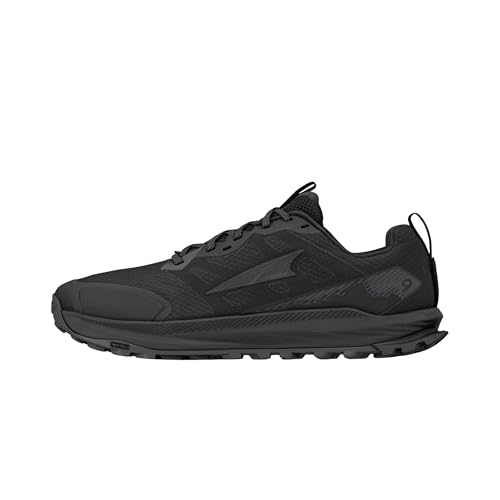


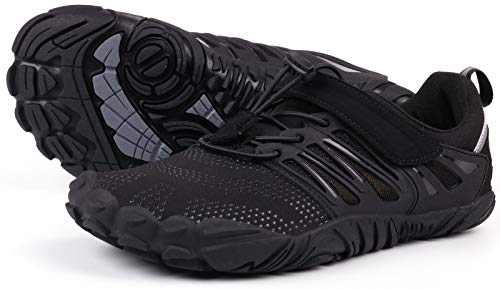

Who Should Buy All Black Running Shoes
All black shoes suit runners who also wear their shoes to work or errands, people who dislike seeing dirt on light shoes and trail runners who run through mud. They also suit anyone who wants a versatile pair that does not clash with clothes.
If you run only a few times a week, a comfortable, well fitted trainer is enough. High mileage runners should prioritize cushioning and durability, and look at rotating two pairs.
Road, Trail or Treadmill
Road Running Shoes
Road shoes use smoother outsoles, softer midsoles and lighter uppers. They suit pavement, tracks and treadmills, where cushioning and a smooth roll matter most.
Trail Running Shoes
Trail shoes add deeper lugs, protective toe caps and sturdier uppers. Many black models are trail shoes, because dark uppers handle mud well. They also feel stable on gravel and mixed paths.
Treadmill and Gym Use
For treadmills and gym cardio, a light road shoe with moderate cushioning is plenty. Deep lugs wear fast on belts and can feel unstable.
Key Features of the Best All Black Running Shoes
Cushioning and Ride
Soft foam absorbs impact and suits long easy runs. A firmer, responsive midsole feels quicker and helps stability. Heavier runners and high mileage runners usually want more cushioning, while lighter runners may prefer a lower, firmer ride.
Fit and Toe Room
Running shoes usually fit about a half size larger than casual shoes, because feet swell and toes slide forward on downhills. Leave a thumb width ahead of the longest toe, check that the midfoot feels secure and make sure the heel does not slip.
Outsole Grip and Durability
Durable rubber in high wear zones extends shoe life. Trail runners should look for lugs of about 3 to 5 mm, while road runners can choose a flatter outsole with good coverage under the forefoot.
Breathability in Black
Black uppers absorb more heat in direct sun. Mesh panels and perforations keep air moving on hot days. If you run mostly at dawn or dusk, this matters less.
Stability and Support
Neutral runners do well in most shoes. If your feet roll inward noticeably, look for a more supportive midsole or ask a specialty running store for a gait check.
What to Spend
Dependable running shoes cost about $50 to $100 at the budget end, where basic cushioning and fit are covered. From $100 to $160 you gain lighter foams, better uppers and longer life. Premium trail and road shoes above that range suit frequent runners.
A Simple Way to Check Fit
Try shoes on in the afternoon with the socks you run in. Stand up, check that you can wiggle all your toes, and jog a few steps on a hard floor. The heel should not slip, and the tongue should stay centered. If you can, run a short loop before you commit, and keep the packaging until you are sure. Feet swell during long runs, so a pair that feels slightly roomy in the store often feels right at mile eight.
Matching Shoes to Your Weekly Mileage
Runners who log under 10 miles a week do well in a comfortable trainer with moderate cushioning. Between 10 and 30 miles, consider a second pair so each pair gets a rest day, and look for durable outsoles. Above 30 miles, put cushioning and durability first and rotate shoes with different feels. Black uppers do not change any of this, but they make rotation easy, since both pairs look good with the same clothes.
Care and Lifespan
Air dry shoes after wet runs, remove the insoles to dry and avoid direct heat, which can warp foam and glue. Rotate two pairs if you run most days. Running shoes usually last 300 to 500 miles; replace them when the midsole feels flat, the tread is worn or new aches appear after normal runs.
It also helps to think about where your miles happen. If most of your runs are on pavement, a cushioned road shoe is the safest choice among best all black running shoes. If you run park paths, gravel and the occasional muddy trail, a trail shoe with moderate lugs covers more ground. Beginners should favor stable, forgiving shoes, while experienced runners often rotate between a cushioned daily trainer and a lighter pair for faster days. Keep a simple log of the date you start each pair and the miles you cover, which makes it much easier to spot when cushioning has faded.
Common Mistakes to Avoid
- Buying your casual shoe size and leaving no toe room for long runs.
- Using road shoes on rough trails, where thin uppers and shallow tread fail quickly.
- Keeping shoes too long because the black upper still looks new.
- Skipping a break in run, then wearing new shoes for a race or long distance.
Persistent foot, knee or shin pain deserves a visit to a clinician or podiatrist rather than a new pair of shoes.
Related Guides
For neighboring options, see our guides to the best running shoes, the best male running shoes, the best ladies running shoes and the best black running shoes women's.
After You Buy
Wear new running shoes around the house first, then on a short easy run, and increase distance over a week. Check for hot spots, heel slip and toe pressure after each outing. If anything feels wrong, return the shoes while they are still clean. Keep the receipt and the box for the return window, and log the starting date so you know when 300 miles have passed.
Frequently Asked Questions
Do black running shoes run hotter?
Dark uppers absorb more sun, but breathable mesh keeps most shoes comfortable. Choose vented panels for summer running.
How do I know if a running shoe fits?
You should have a thumb width of space ahead of the toes, a secure heel and no pressure points across the top of the foot.
How often should I replace running shoes?
Every 300 to 500 miles is a common guide. Replace sooner if the cushioning feels flat or you notice new aches.
Can I wear running shoes for walking and gym work?
Yes for walking and cardio. For heavy lifting and lateral drills, a flatter, more stable training shoe works better.
Are trail shoes fine on pavement?
They work, but deep lugs wear faster on hard surfaces and can feel less smooth.
Final Thoughts
Fit and cushioning decide how a shoe feels at mile ten, and color decides only how it looks. The best all black running shoes combine a secure fit, a ride that suits your stride and an outsole matched to your route. Compare your shortlist in the product table above and run in them gradually before you commit to a long distance.


