Best Airsoft Gas for Cold Weather in 2026: The Buyer Checklist We Use
Disclosure: We may earn a commission when you buy through links on this page, at no extra cost to you. As an Amazon Associate I earn from qualifying purchases. Learn more

Compare airsoft gas for cold weather by pressure, winter blend, silicone content and magazine care, with a buyer checklist and safe storage advice.
On a frosty game day, a magazine that cycled well indoors can slow down, vent gas, or fail to chamber the next shot. Pressure falls as temperature falls, and that fact shapes every choice. The best airsoft gas for cold weather keeps enough pressure to cycle your gun cleanly without stressing seals or pushing velocity over your field limit, and the comparison table below helps you check that balance.
This guide uses a buyer checklist instead of product claims. You will compare blends by pressure at low temperature, silicone content, gun compatibility and fill cost, and learn how safe warming, shot pacing and careful storage matter too.


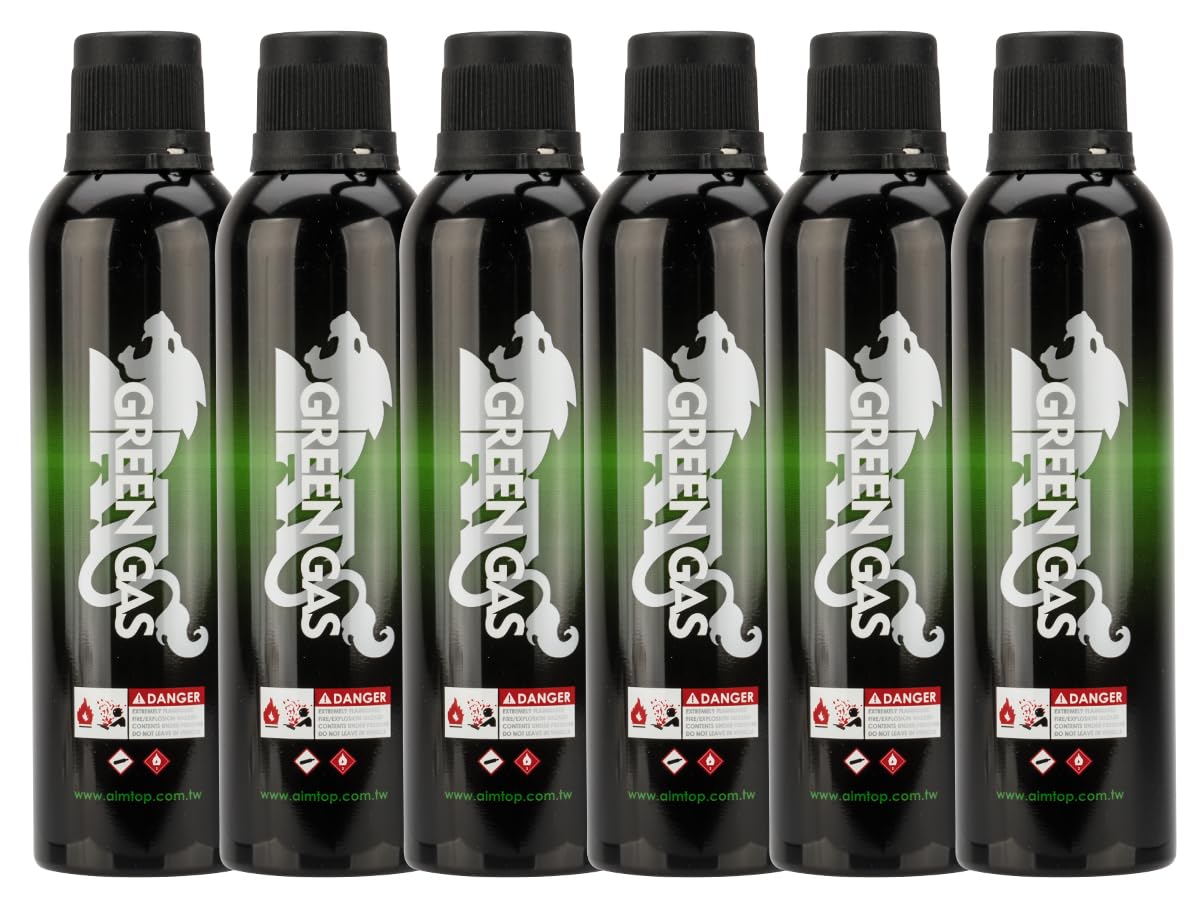

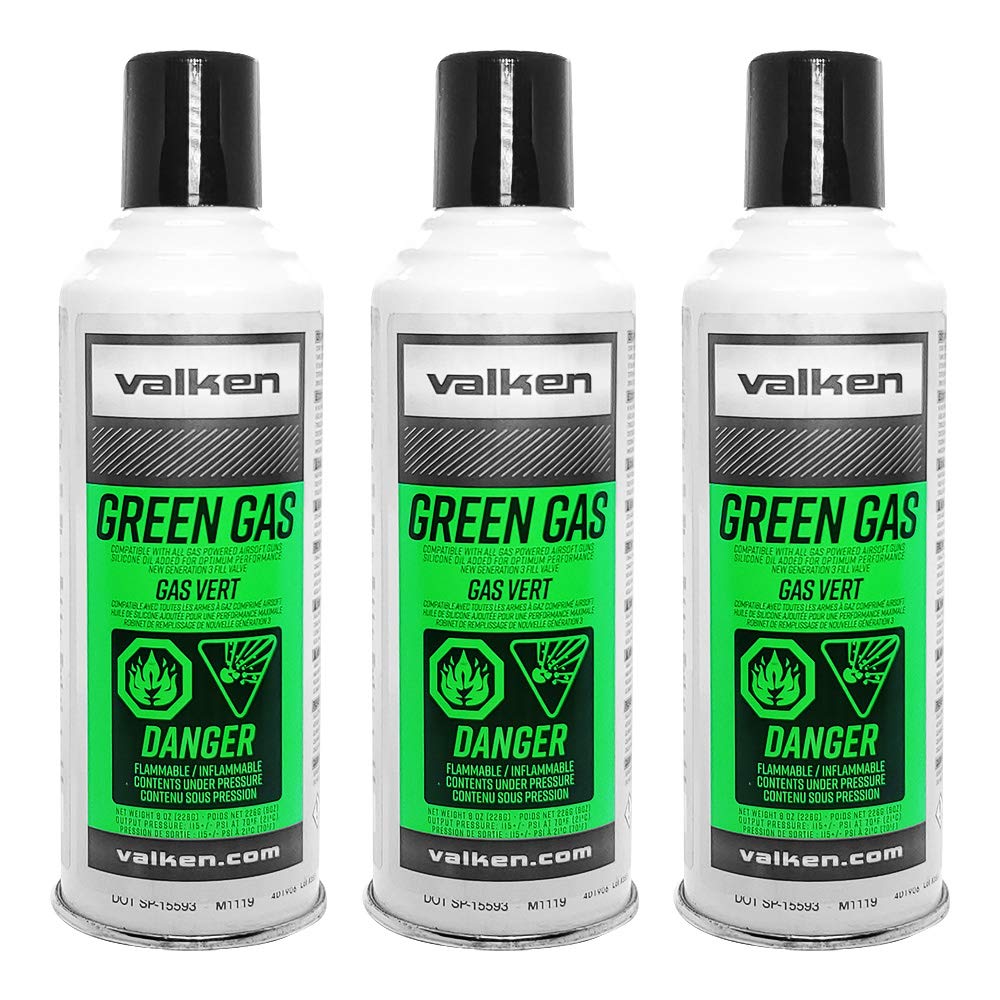
Who Should Buy Which Airsoft Gas for Cold Weather?
Match the gas to the coldest weather you play in often. Your gun build, magazine size and shooting pace all change which blend makes sense.
Pistol Players in Near Freezing Games
You rely on a gas pistol as a main gun or a backup, and a weak cycle can leave you unable to return fire. Look toward a higher pressure winter blend near freezing, because a small pistol magazine holds little gas and loses pressure fast. Check slide material first, since metal tolerates a stronger blend better than light plastic.
Rifle Players Who Fire Longer Strings
You carry larger magazines and shoot more rounds in each exchange, so cooldown is your main enemy. Each shot chills the magazine further, and pressure drops until the bolt feels sluggish. A steady winter blend helps, but so does routine. Carry a spare magazine close to your body, swap early, and favor single shots over long bursts in bitter air.
Occasional Players in Mild Winter Weather
You play a few cold mornings each season, mostly above about 40 degrees Fahrenheit. Standard green gas will often serve you well then, as long as you fill magazines indoors before you leave. A stronger blend brings little gain and can push your gun over a field velocity limit. Save the money for spare magazines and fresh seals.
Key Features to Compare
Choosing the best airsoft gas for cold weather is mostly a pressure decision, but four other factors decide whether that pressure stays usable through a game. Work through each one in order.
Pressure at Low Temperature
Gas pressure rises and falls with the temperature of the can and the magazine. Standard green gas is often rated around 110 to 120 psi at room temperature, yet that figure can drop sharply near freezing, leaving too little force to cycle a slide. Winter blends hold higher pressure in the cold. Compare any claim against the temperature stated beside it.
Silicone Content and Seal Care
Most green gas contains silicone oil, which coats magazine seals and valves as you fill and shoot. That coating helps rubber seals stay supple, and supple seals matter more in the cold because stiff rubber leaks sooner. Choose a blend with stated silicone content if you want that care built into each fill. With a dry gas, plan to oil seals yourself regularly.
Gun Compatibility and Velocity Limits
A stronger blend is only useful if your gun can handle it and your field allows the result. Higher pressure raises velocity and adds force to the slide, nozzle and valves. Guns with plastic slides often need gentler gas, while reinforced metal builds accept more. Chronograph your gun with the exact gas at the temperature you expect, because a setup that passes indoors can shoot hotter once a magazine warms.
Cooldown and Shots per Fill
Every shot releases gas and chills what remains, so the last rounds in a magazine feel weaker than the first. Small magazines cool fastest, and rapid fire makes the drop worse. In mild weather a full pistol magazine might give one to two full loads of shots, while hard cold can cut that a lot. Judge a gas by how evenly it finishes a magazine.
Can Size, Nozzle Fit and Fill Cost
Cans vary in fill weight, and a low shelf price can hide a small amount of gas. Compare cost by weight or by expected magazine fills. The fill nozzle must seat squarely on your magazine valve, since a poor fit wastes gas at every fill and can chill your fingers. Buy a size you will use within a season.
Cold Weather Gas Types Compared
Three broad types cover most cold weather play. Use this section to narrow your choice before you check price.
Standard Green Gas for Mild Cold
Green gas is a propane based blend with silicone oil added, and it is the default choice for most gas guns. It suits mild cold, gentle builds and strict velocity limits. Its weakness appears near freezing, where pressure falls and cycles slow. If your games rarely drop below about 40 degrees Fahrenheit, this remains the kindest option for seals.
Higher Pressure Winter Blends for Hard Cold
Winter blends, often sold under color names that signal extra strength, hold more pressure at low temperature than standard green gas. They suit metal slide pistols and reinforced rifles used near or below freezing. That extra force is also their risk, because the same can feels much stronger on a warm day. Reserve them for genuinely cold weather.
Carbon Dioxide for Guns Built for It
Carbon dioxide capsules keep higher pressure in the cold and often cycle a gun when green gas fades. Only use them in guns and magazines made for capsules, because pressure and seal design differ from green gas systems. Capsule magazines add no silicone, so seals need separate care. Treat this as a separate gun choice, not a gas swap.
Cold Weather Gas Checklist Before You Buy
Run through these questions first.
- Does the maker state pressure at a cold temperature, not only at room temperature?
- Is the blend strength safe for your slide material and magazine seals?
- Have you chronographed this gas at the temperature you plan to play in?
- Does the can state its fill weight and silicone content clearly?
- Does the nozzle fit your magazine valves without leaking during a fill?
- Can you store the can indoors, upright and away from heat?
Common Mistakes to Avoid
Most cold weather gas problems come from handling.
- Using a strong winter blend on a warm day pushes velocity over field limits and strains the gun.
- Warming a can with a flame or hot water risks a burst can and serious burns.
- Firing long automatic bursts in hard cold chills the magazine until the gun stops cycling.
- Storing filled magazines for weeks leaves seals under strain and invites slow leaks.
- Judging a gas by its first shot hides the weak final shots that lose games.
- Filling a magazine at an angle wastes gas and can freeze skin on contact.
How to Make Your Airsoft Gas Last Longer
Store cans upright in a cool indoor place, away from direct sun, heaters and car trunks that swing between hot and cold. Keep the cap on, check for rust or a damaged valve before each game day, and retire any can that leaks or looks swollen. Follow the maker directions on the can.
Warm magazines with body heat or room air, never with a flame or heater. If liquid gas touches skin and causes lasting pain, numbness or blistering, or if gas gets into your eyes, seek medical care promptly. Empty magazines before long storage, and wipe valves clean after muddy use.
FAQ
What pressure does airsoft gas need in cold weather?
Airsoft gas needs enough pressure at the game temperature to cycle your gun fully, which for many guns means holding close to its room temperature working pressure. No single number fits all, because slide weight and valve design differ. Chill a filled magazine to outdoor temperature, then fire the whole load. If the final shots cycle cleanly, pressure suits that gun.
Can you warm airsoft gas magazines before a cold weather game?
Yes, you can warm airsoft gas magazines before a cold weather game with body heat. Keep a spare magazine in an inside pocket and rotate it with the one in the gun between rounds. A warmed magazine still loses heat once play starts, so treat the gain as a head start. Never use a stove, a flame or boiling water.
Does silicone in airsoft gas matter more in cold weather?
Yes, silicone in airsoft gas matters more in cold weather because rubber seals shrink slightly and turn less flexible as temperature drops. A dry seal that seals well in summer may seep on a frosty morning. One sign is a faint hiss at the fill valve after a fill. If you hear it, try a lubricated blend first.
Will higher pressure airsoft gas damage a plastic slide pistol in cold weather?
It can, because cold plastic turns more brittle at the same moment that a stronger blend hits it harder. Damage often starts as small cracks near the rear sight or slide rails. If your pistol maker lists a maximum gas strength, treat that limit as firm in winter. With no listed limit, stay with standard green gas on cold days.
How should you fill an airsoft magazine in cold weather?
Fill an airsoft magazine in cold weather with the can upside down, the nozzle pressed straight onto the valve, and short steady bursts rather than one long press. A cold magazine accepts liquid gas readily, so a chilled magazine can fill well. Listen for the hiss to stop between bursts. Stop once the sound levels out.
Our Verdict
Start with the temperature you play in most, then match blend strength to your gun build and field limit. Pressure, silicone for your seals and honest chronograph checks matter more than bold claims on a can. Use the product table above to compare fill weight, pressure and price.
Chosen that way, the best airsoft gas for cold weather is the one that finishes every magazine cleanly on your coldest normal game day, without forcing your gun to work harder than it was built to.