
Best Airsoft Comms by Budget: Smart Picks for 2026
Disclosure: We may earn a commission when you buy through links on this page, at no extra cost to you. As an Amazon Associate I earn from qualifying purchases. Learn more

Compare the best airsoft comms at every price point. Learn what you get at budget, midrange, and premium levels and where spending more pays off.
Airsoft communication gear spans a very wide price range, from a simple earpiece that costs less than a bag of BBs to a full headset and radio setup that costs as much as a midrange replica. That spread makes it hard to know where extra money actually helps your team and where it just adds weight. This guide to the best airsoft comms sorts the options by budget so you can match spending to how often you play and how large your field is.
Use the comparison table below to see how current options line up on price and connection type. Then read on for what each tier really gives you in clarity, comfort, and durability on game day.


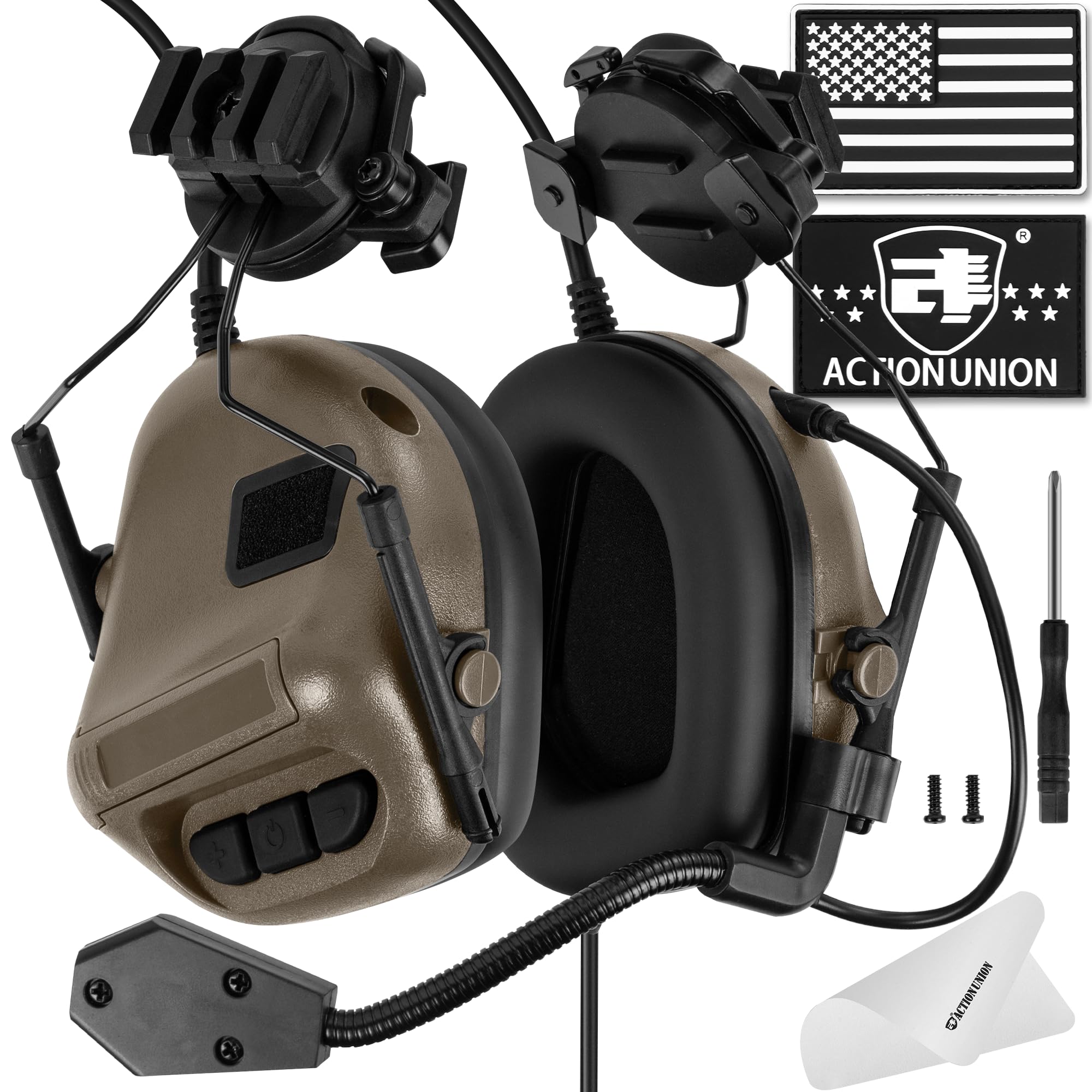


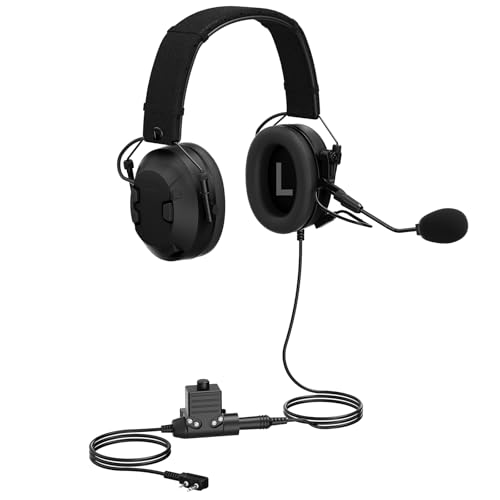

Top Budget Tiers at a Glance
Instead of chasing a single winner, think in tiers. Your radio, your headset or earpiece, and your push to talk button work as one system, and the weakest part decides how clear you sound to your squad.
Budget Tier Setup
A budget setup suits new players and small local fields where calls are short and distances are modest. Expect a basic handheld radio paired with a simple earpiece and a clip on microphone. Sound will be clear enough for basic callouts like contact direction and reload warnings, but wind noise and crosstalk can creep in when several teams share channels.
Midrange Tier Setup
A midrange setup is where most regular players land. You get a sturdier radio, a boom microphone that sits closer to your mouth, and a headset that stays put while you run. Voice clarity improves because the microphone rejects more background noise, and battery life usually covers a full day without a swap.
Premium Tier Setup
A premium setup targets milsim players and large events where squads spread out over woodland or multi building sites. Expect stronger transmission options where local rules allow them, active sound protection in the ear cups, and connectors built for repeated use. The gain is reliability under stress, not just louder volume.
What Your Money Gets You at Each Price Tier
Price tiers in this category are less about brand status and more about three practical things. Those are microphone quality, how the gear handles sweat and impacts, and how long the battery and cables last. Keep those in mind as you compare the product table above with your own play style.
Budget Tier: What to Expect
Budget gear usually costs around $30 to $80 for a radio and basic audio kit. Plastics feel light, cables are thin, and channel options are limited. That is fine for indoor sites and short outdoor games where you stay within sight of your squad. Plan to replace earpiece foam and check cable ends often, because small wear shows up fast at this level.
Midrange Tier: The Sweet Spot for Most Buyers
Midrange gear usually runs about $80 to $180 for a complete personal setup. You gain clearer microphones, better strain relief on cables, and headsets that fit under helmets without pressing on your ears. Most players hear the biggest jump here, because callouts stay intelligible even when you are breathing hard or moving through brush. For weekly play, this tier balances cost and service life well.
Premium Tier: When Spending More Pays Off
Premium gear can run about $180 to $400 or more once you add a quality headset and accessories. You pay for active hearing protection that lowers loud bangs while keeping voices clear, sealed connectors, and radios with more flexible programming. This tier pays off if you attend long events, lead a squad, or play in rain and dust where basic gear often fails.
Features Worth Paying For and Ones to Skip
Not every feature on a box matters on the field. Spend first on the parts that affect whether your team hears you the first time. Save money on extras that only help in rare cases.
Performance Characteristics
Clear transmission matters more than raw range claims. Look for a microphone that sits close to your mouth, a speaker loud enough for outdoor use, and hearing protection with a stated NRR rating if you choose ear cups. A grip friendly push to talk button you can find by touch helps, because fumbling for a small button costs seconds. Forgiveness in this context means the system still works when you speak quickly or turn your head.
Skill Level and Intended Use
Beginners need simple controls, few menus, and a setup that pairs without tools. Intermediate players benefit from extra channels, privacy codes, and headsets they can wear for several hours. Advanced players who coordinate larger groups may value dual watch features and compatibility with team radios. Match complexity to your role, because a complex radio you cannot program quickly is worse than a simple one you trust. If your squad already uses a shared standard, follow that standard first, and see our guide to the best airsoft radios for how channel choices affect team play.
Size, Weight, and Fit
Fit decides whether you keep the gear on all day. Earpieces should sit securely without pain, and headsets should clear your mask straps and eye protection. Check the size chart for headbands and ear cups, and note your height and build only insofar as vest placement affects cable routing. Route cables inside your vest or shirt so they do not snag on brush or door frames. A practical tip is to wear your full kit at home for twenty minutes and jog in place to spot pressure points early.
Value and Included Accessories
A fair price includes the small parts you would otherwise buy separately. Look for a charging cable or cradle, a spare earpiece tip set, a belt clip, and a case if you travel to events. If you plan to add a headset later, confirm the connector type now so you do not need adapters. For a complete loadout view, see our guide to the best gear for airsoft and plan your comms around your vest and helmet rather than as an afterthought.
Choosing the Right Headset Style
Your audio style shapes comfort more than any spec sheet. Earpieces are light and cheap, and they work well under a cap. Single ear headsets keep one ear open for local sounds. Dual ear cup headsets give the best noise control and work well with helmets, but they can feel warm in summer. If you wear a full face setup, check clearance first, and see our guide to the best airsoft mask for fit notes that affect microphone placement.
A second practical point is how you speak during a game. Keep callouts short, state who you are, then give direction and distance in plain words. Pause before you transmit so the first word is not cut off. These habits improve clarity more than a costly upgrade, and they cost nothing to learn.
Teams also need a simple channel plan. Agree on a main channel, a fallback channel, and plain language call signs before the game starts. Write the plan on tape on your radio if you tend to forget under pressure. That small step prevents most lost communication during busy games. If you want a dedicated headset, see our guide to the best airsoft comms headset for fit and connector details.
Long Term Costs to Factor In
Ownership cost goes beyond the first purchase. Budget for replacement earpiece tips, a spare battery or charging cable, and a new push to talk unit if cables wear out. Headsets with replaceable ear pads last longer than sealed budget models. Warranty length matters too, because connectors and buttons see heavy use. Store radios with batteries partly charged and out of direct sun, and top them up the night before a game. Over a full season, a midrange setup that lasts often costs less than two cheap setups that fail.
FAQs
How long does it last?
A comms setup lasts two to five years with normal weekend use if you protect cables and connectors. Radios themselves often outlast earpieces and push to talk cables, which are the usual failure points. Dry gear after wet games, avoid yanking cables from vests, and store headsets without compressing the ear pads. Those habits extend service life more than brand choice alone.
What size should I get?
Choose size by headset fit and vest placement rather than by body size alone. Most headsets adjust across a wide range, but ear cup depth varies and can press on glasses arms. Try your mask, glasses, and headset together before game day. If you use an earpiece, pick the tip size that seals without pain, because a loose tip sounds thin and falls out during movement.
Is it worth buying premium as a beginner?
Premium gear is rarely worth it for a true beginner who plays only a few times a year. A simple midrange radio and earpiece teach you what your team actually needs without a large outlay. Upgrade the microphone and headset first once you play monthly, because those parts improve clarity most. Premium hearing protection makes sense sooner if you play at loud indoor sites.
Indoor vs outdoor: does it matter?
Yes, indoor and outdoor play stress comms in different ways. Indoor sites need lower volume, short callouts, and gear that fits in tight spaces without snagging. Outdoor fields need better wind control, longer battery life, and headsets that stay secure while you move through brush. If you play both, choose a midrange setup with volume control and a boom microphone for the best balance.
Wrapping Up
Start with a clear channel plan, a microphone that sits close to your mouth, and a fit you can wear all day. Those three points matter more than chasing the highest price tier. Most regular players do best in the midrange, while occasional players can start at budget level and upgrade the audio parts later. Compare your shortlist with the product table above, and choose the best airsoft comms setup that your whole squad can actually use together.


