Best Airsoft Armor Made Simple: A Clear Buying Guide for 2026
Disclosure: We may earn a commission when you buy through links on this page, at no extra cost to you. As an Amazon Associate I earn from qualifying purchases. Learn more
New to buying airsoft armors? Our simple guide to the best airsoft armor explains the basics, key specs, and smart tips so your first purchase is the right one.
If you are new to the game, armor is one of the most confusing purchases, because shops mix plate carriers, tactical vests, padded shirts, and chest rigs under one label. This guide to the best airsoft armor starts with the basics, explains each type and spec in plain English, and helps you buy once, correctly, for the way you play.
One point comes before everything else. Airsoft armor protects your torso from the sting of BB hits and carries your magazines and gear. It does not protect your eyes, and it never replaces rated eye protection. Keep that order in mind as you read, use the comparison table below for a first look, and then work through the sections in order.




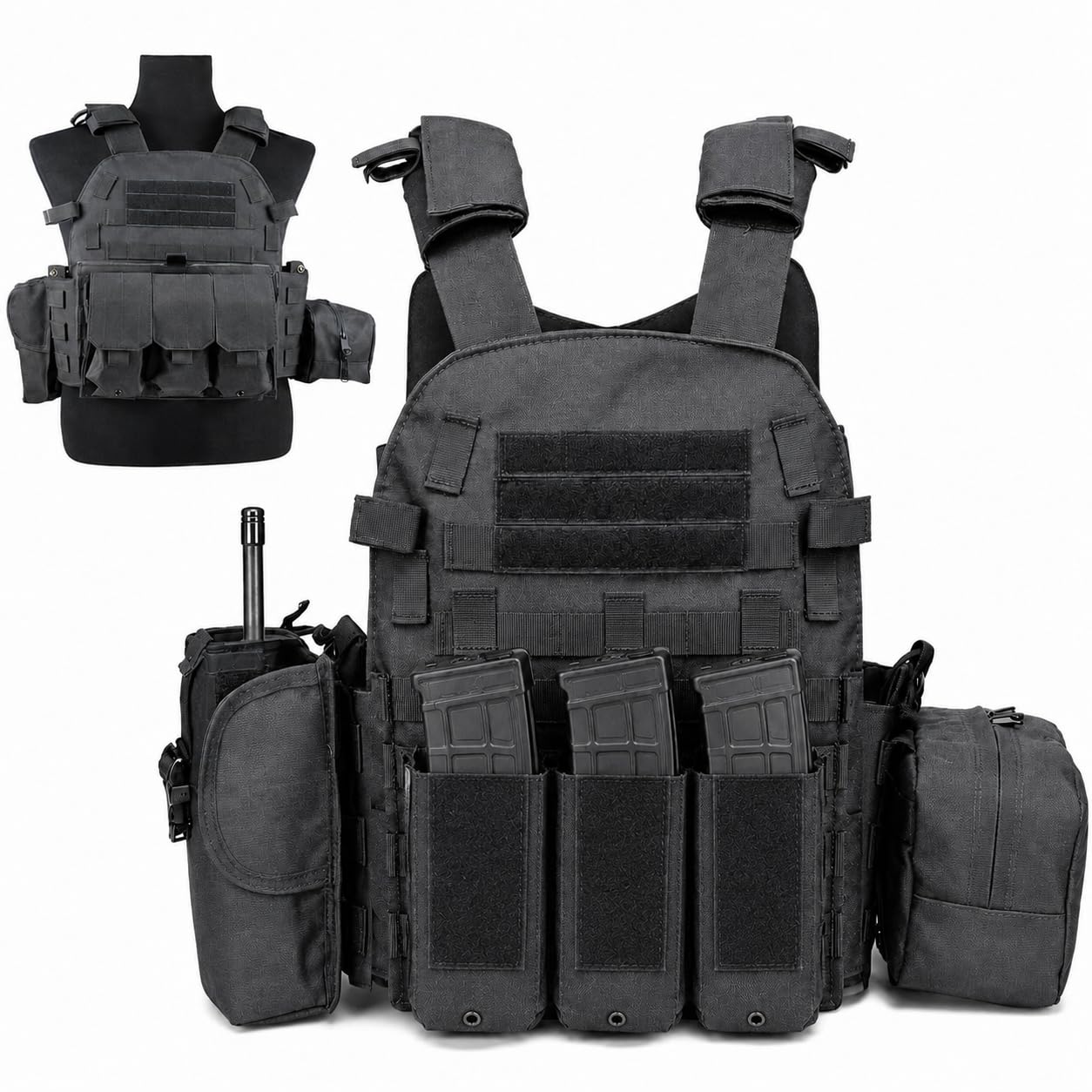

Airsoft Armors 101: The Basics
In airsoft, armor usually means a plate carrier or vest worn on the torso, often with soft foam plates or dummy plates inside, sometimes with added padding at the shoulders, sides, or collar. BBs carry far less energy than real projectiles, so airsoft armor is not ballistic protection and should never be treated or sold as such. Its real jobs are comfort, load carrying, and a consistent fit for your magazines, radio, and water.
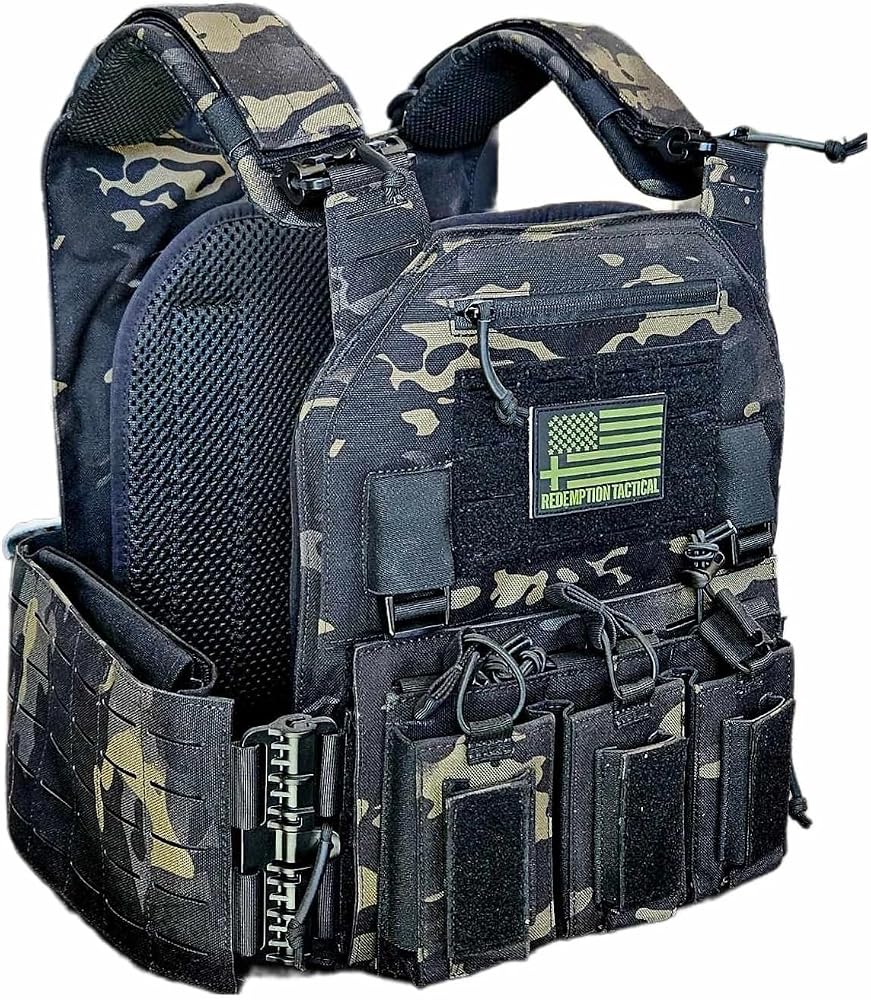
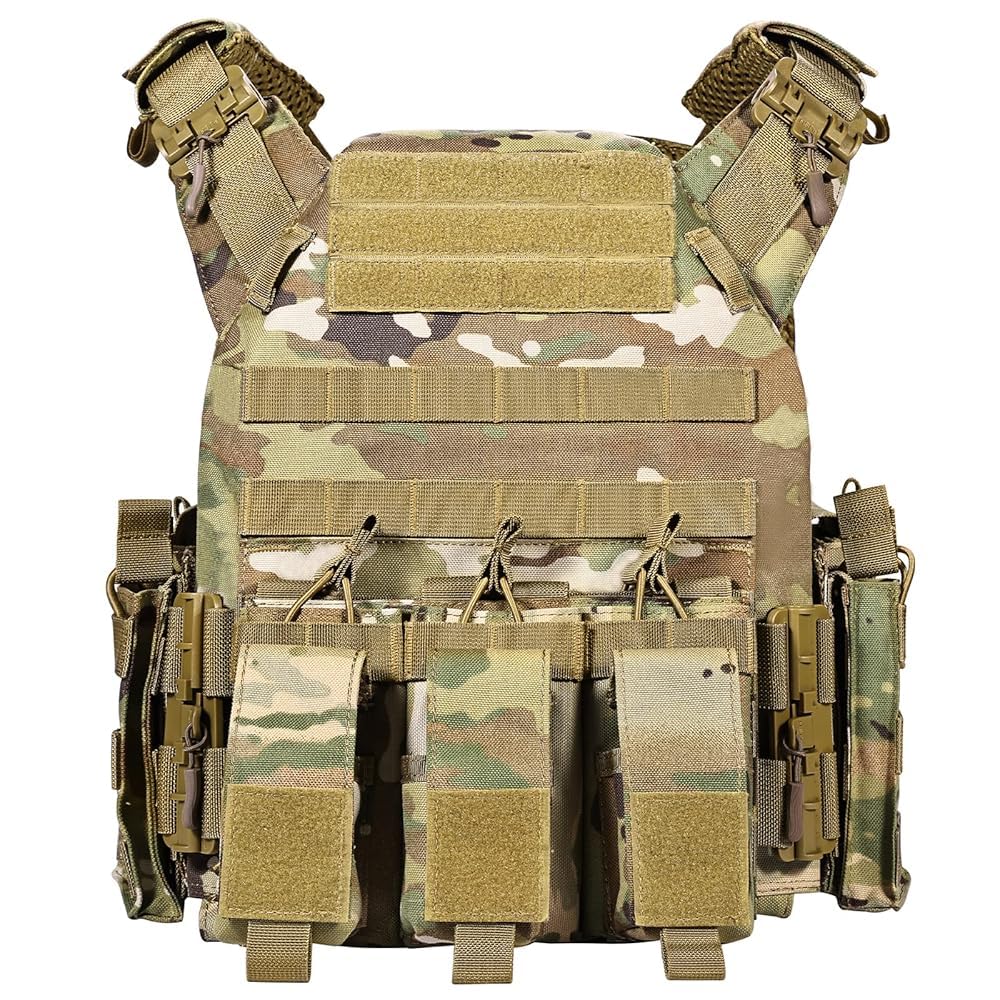
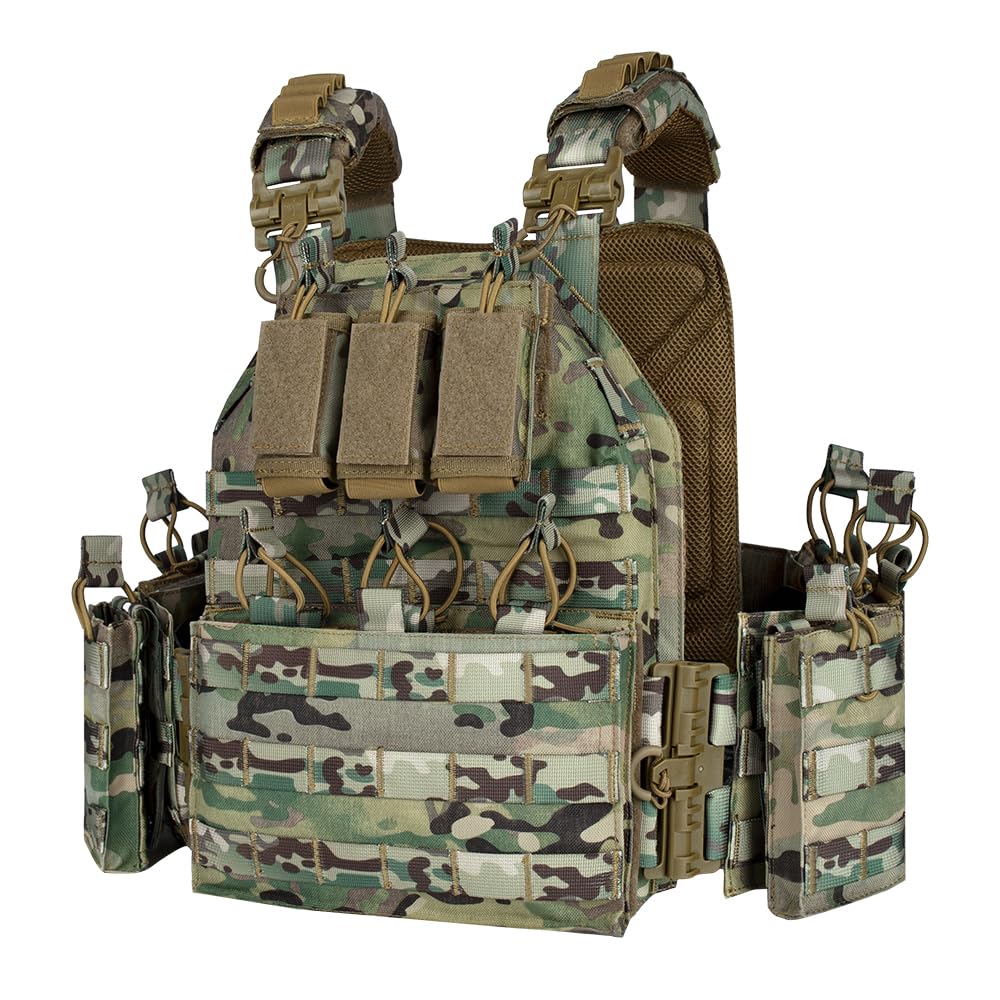
The main types are easy to tell apart. A plate carrier is a structured vest built around two plate pockets, with webbing for pouches. A tactical vest has fixed or partly fixed pouches sewn on. A chest rig is a light harness that carries magazines only, with no back panel or plate pockets. Padded protective shirts and vests sit at the simple end, offering sting reduction with little carrying capacity.
Terms worth knowing: MOLLE is the webbing grid used to attach pouches, cummerbund is the side band that wraps your waist and sets much of the fit, and dummy plates are foam or plastic inserts that give a carrier its shape. Knowing those three terms makes most product descriptions readable.
Key Specs Explained in Plain English
Skill Level and Intended Use
Beginners need adjustability above all, because you do not yet know how much gear you will carry. A carrier or vest with adjustable shoulders and sides lets your setup shrink for light indoor games and grow for longer outdoor days. Fixed, specialized rigs suit players who already know their exact loadout.
Think about your role as well. Fast moving indoor players benefit from light, close fitting gear. Outdoor players who carry spare magazines, water, and tools benefit from a carrier with more webbing and support. Buy for your next season of games, not for an imagined elite loadout, and the armor will feel right far longer.
Value and Included Accessories
Judge value by what arrives in the box. Some carriers include dummy plates, which you would otherwise buy separately, and some vests include basic magazine pouches that save a second order. A bare carrier at a low price can cost more in total once plates and pouches are added.
Also price the pouches you actually need rather than filling every row of webbing. Most beginners need two or three magazine pouches, a general purpose pouch, and a way to carry water. Extra pouches add weight and cost without adding usefulness. Broader kit planning is covered in our guide to the best gear for airsoft if you are building a setup from zero.
Performance Characteristics
For armor, performance means comfort under movement, not ballistics. Good armor stays put when you run, lets you shoulder your replica without the stock catching on a bulky shoulder pad, and spreads load so your shoulders do not ache after an hour. Shoulder straps with some padding and a design that keeps the top of the carrier below your chin both matter here.
Breathability is the other performance factor. Solid panels trap heat, while mesh panels and lighter cummerbunds let air move. On warm days, a slightly less protective but cooler setup keeps you playing longer and thinking clearly, which is worth more than an extra layer of padding you do not need.
Size, Weight, and Fit
Fit is the single most important spec when choosing the best airsoft armor. Armor should sit snugly without restricting breathing: the top of the front panel near the top of your chest, the sides closing firmly, and the whole setup stable when you jog in place. Most carriers come in one adjustable size or in medium and large sizes based on plate dimensions, so check the maker size chart against your chest measurement rather than guessing from your shirt size.
Weight adds up quietly. The carrier, dummy plates, loaded magazines, water, and pouches can reach several pounds, and youth players feel that load sooner. Choose the lightest setup that carries what you need, and try it on loaded, not empty, before deciding. Players shopping for younger family members should size carefully and keep loads modest, with an adult checking fit before each game.
Indoor vs Outdoor Use
Indoor games are close range and fast. Hits sting more at short distance, so torso padding earns its keep, but bulky armor slows you in doorways and tight corners. A compact carrier or padded vest with a small profile suits indoor play best, paired with full face protection for close shots.
Outdoor games last longer, cover more ground, and involve weather. Carrying capacity, water, and ventilation matter more, and a fuller carrier earns its weight. Rain soaks fabric and adds weight, so quick drying synthetic materials help. Many players who play both venues choose one adjustable mid size carrier and change only the pouches between venues. Our guide to the best armor sets shows how matched sets handle these trade offs.
Materials and Construction
Most airsoft armor is made from nylon fabrics such as 500D or 1000D Cordura style weaves, or from cheaper polyester. Higher denier numbers mean a thicker, tougher yarn. Good nylon resists abrasion from crawling and rubbing straps far better than thin polyester, and it keeps its shape under load.
Stitching decides how long the armor lasts. Look for straight, even seams, reinforced stitching at strap anchor points, and webbing that is sewn down at regular intervals so pouches do not tear loose. Hook and loop panels should be wide and grippy, since worn fasteners are the most common failure on cheap vests. Foam dummy plates should be firm enough to hold shape without feeling like boards against your ribs.
Rookie Mistakes to Avoid
- Buying armor before eye protection. Rated full seal eye protection and lower face protection come first, always. Armor is comfort gear, not safety gear for your eyes. See our guide to the best airsoft mask before spending on a vest.
- Choosing by looks alone. A carrier styled after a special forces setup may be heavy, hot, and oversized for your frame and your games.
- Overloading the webbing. Filling every loop with pouches adds weight, noise, and snag points. Carry what a normal game day uses.
- Ignoring the fit of the sides. A cummerbund that cannot close snugly on your waist means the size is wrong, no matter how the front looks.
- Assuming armor makes hits harmless. Exposed arms, neck, and hands still sting, and close range hits can break skin. Call your hits, wear sensible layers, and follow field rules on engagement distance.
Getting Started: Setup and First Use
Start by fitting the armor empty. Set the shoulder straps so the front panel sits high on your chest, close the sides so the fit is snug, then move: crouch, raise your arms, and shoulder an imaginary replica. Adjust until nothing digs in or rides up. Only then add dummy plates and pouches, placing magazine pouches where your support hand naturally reaches.
Load the setup as you would for a game and walk around at home for fifteen minutes. This simple test reveals hot spots, slipping straps, and pouch positions that block your draw or your crouch, while changes are still free. Before each game, check stitching, fasteners, and straps for wear, and after outdoor use, brush off dirt, let the armor dry fully, and store it out of direct sun and away from heat so fabrics and foam keep their shape.
FAQs
What size airsoft armor should I get?
Get the size whose plate dimensions and side adjustment match your chest measurement on the maker chart. The front panel should sit high on your chest, the sides should close snugly, and you should be able to breathe deeply and crouch without the bottom edge digging into your stomach. Between sizes, choose the one with more side adjustment, and always test the fit loaded with magazines and water.
How long does airsoft armor last?
Well made nylon armor lasts for years of regular play. The parts that age first are hook and loop fasteners, elastic sections, and foam plates that slowly flatten. You can extend its life by drying it after wet games, storing it flat and out of sunlight, and repairing loose stitching early. Cheap polyester vests often show fraying and tired fasteners within a season of hard use.
Indoor vs outdoor: does airsoft armor choice matter?
Yes. Indoor play rewards a compact, padded, low profile setup that moves easily through tight spaces and softens close range hits. Outdoor play rewards capacity, ventilation, and support for a longer day with water and spare gear. If you play both, one adjustable mid size carrier with pouches you can swap covers both venues without buying two full setups.
Is it worth buying premium airsoft armor as a beginner?
Premium armor is worth it only when the extra money buys fit, stitching quality, and comfort you will feel every game. It is not worth it for styling, patches, or capacity you will not use. Most beginners do best in the midrange, at about $60 to $120, where materials and adjustment improve a lot over budget gear, and they should spend any leftover budget on eye and face protection first.
The Bottom Line
Fit, honest materials, and the right size for your venue decide almost everything. Buy rated eye protection first, choose an adjustable carrier or vest that fits your chest and your games, and carry only what you use. On those terms, finding the best airsoft armor for your first setup is a straightforward decision rather than a gamble.
Compare your finalists in the product table above, check the size chart against your own measurements, and test the loaded fit at home before your first game. A well fitting vest and proper protection are the foundation everything else in your kit builds on.