Best Airsoft Arenas of 2026: Complete Buying Guide
Disclosure: We may earn a commission when you buy through links on this page, at no extra cost to you. As an Amazon Associate I earn from qualifying purchases. Learn more

Compare the best airsoft arenas by field size, bunker mix, material and setup, with types, safety checks and care tips for home and club play.
An arena kit turns an open yard, hall or field into a real playing space, with cover, lanes and clear boundaries. The best airsoft arenas give players room to move, fair cover on both sides and a layout you can set up the same way every time. This guide walks through size, materials and safety so you can judge the comparison table below with clear priorities.
Start with who will play and where. A small group at home needs a very different field from a club running team games all afternoon. Note your usable space, your usual player count and whether you play indoors, outdoors or both.

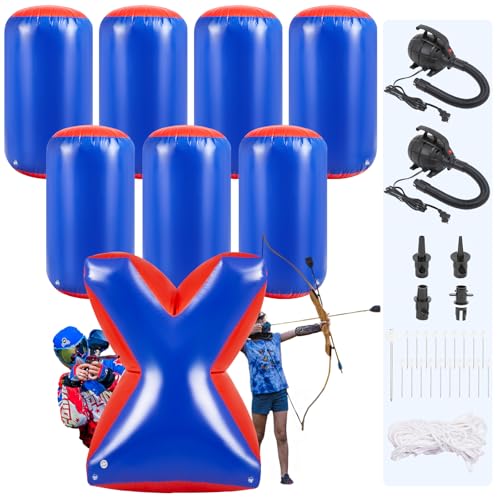
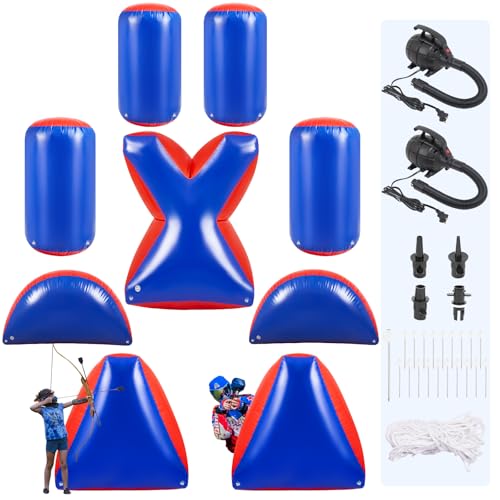
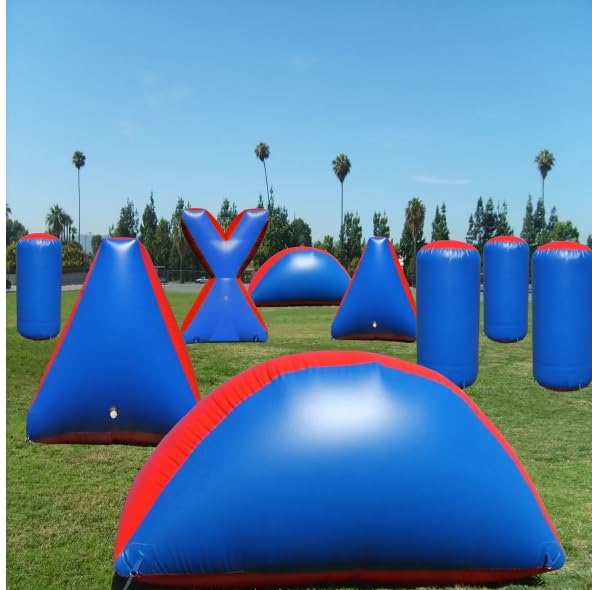

Who Should Buy Which Airsoft Arenas?
Match the arena to the games you actually host. Player count, space and how often you set up matter more than the largest bunker count on the box.
Backyard Hosts Running Small Games
You host friends or family on a lawn or driveway and need games to start fast. Choose a compact inflatable set with about six to ten bunkers, a single blower and a carry bag you can lift alone. A layout for about four to eight players keeps rounds moving on a short field.
Clubs and Training Groups
You run drills, team rounds and rotating squads, so the field has to hold its shape for hours. Choose a larger modular set with twelve or more cover pieces in mixed heights, strong anchor points and spare stakes or sandbags. A balanced layout also lets coaches change lanes for new drills.
Event Organizers and Youth Group Leaders
You serve changing groups, often with new players, and you need clear boundaries more than complex lanes. Choose wide entry points, bright boundary markers and bunkers with no sharp edges, plus a layout that leaves a supervised staging area outside play. Youth groups also need adult supervision at all times and eye protection checked for every player before each round begins.
Key Features to Compare
When you compare the best airsoft arenas side by side, work through the factors below in order. Size comes first, because a strong arena in the wrong footprint will frustrate you every single game day.
Field Size and Layout Planning
Measure the full playable area, then subtract a safety buffer around the edges for staging, spectators and stray shots. A small home field may fit in about 40 by 60 feet, while club fields often need about 80 by 120 feet or more. Sketch lanes before you buy, with equal cover on each side. Use the size chart in the listing to confirm the inflated footprint, not just the packed size.
Bunker Count, Shapes and Cover Height
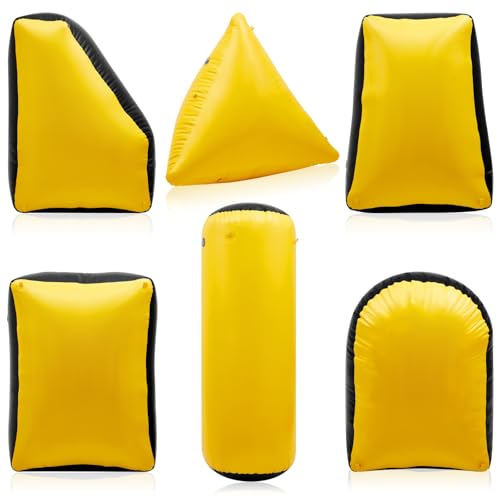
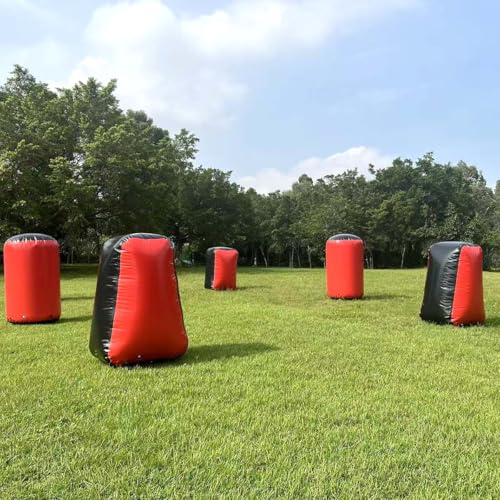
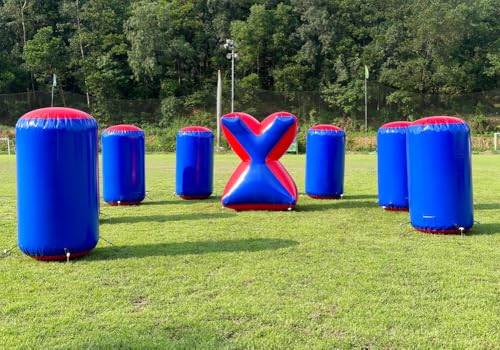
Bunkers create the game, so count pieces and look at their mix, not just the total. Cylinders and cubes give close cover, long low walls protect a crouched player, and taller panels block standing sight lines. Most cover stands about 3 to 6 feet tall once inflated or built, and a balanced set mixes heights on both halves of the field.
Material Strength and Durability
Inflatable bunkers usually use PVC or a composite coated fabric, while rigid barrier sets may use molded plastic panels. Thicker coated fabric resists scrapes from grass, gravel and shoes, and sealed seams hold air longer during a full day of play. Check how seams and anchor tabs are joined, since those points take the most strain.
Blower, Inflation and Anchoring
Most inflatable arenas fill from one or two electric blowers, and a full field often inflates in about five to fifteen minutes. Confirm whether the blower runs the whole session or only fills the bunkers before you seal them. Outdoors, anchor each bunker with stakes, water bases or sandbags suited to the ground. Indoors, use weights rather than stakes.
Indoor and Outdoor Surface Fit
Surface changes what works. Grass holds stakes well, but wet grass makes bases slide and adds mud to fabric. Smooth indoor floors protect inflatable bases, yet bunkers can creep across them without weights, and you must check ceiling height before choosing tall panels. If you plan to visit a dedicated indoor venue, see our guide to the best indoor airsoft arena for how fixed indoor fields differ from a portable kit you own.
Safety, Boundaries and Player Flow
Good arenas mark where play starts and stops, with boundary lines, a staging zone and entry points that keep waiting players out of live lanes. Require full seal eye protection for everyone inside the boundary, and see our guide to the best airsoft mask for fit points that matter during play. Eye pain, a change in vision, bleeding or swelling that worsens after a hit needs prompt medical care, and you should talk with your clinician about personal health concerns before playing.
Types of Airsoft Arenas Compared
Arena kits fall into three broad types, and each trades setup speed, durability and storage space in a different way.
Beginner Options With Inflatable Bunkers
Beginner friendly sets use a handful of air filled bunkers, one blower and simple shapes that new players understand at a glance. They pack small, forgive bumps and suit short home games, but wind moves them unless you anchor every piece. Choose this type for first fields and birthday games.
Intermediate and All Around Options
All around sets add more bunkers, taller panels and extra anchors, and some mix inflatable pieces with composite barrier panels for lanes that stay put. They suit regular home leagues and clubs that play on both grass and hard ground. Setup takes longer and storage needs a large bag or bin.
Compact Backyard Kits and Youth Layouts
Compact kits shrink the field rather than the fun, with lower bunkers, short lanes and a clear center line that adults can see across at all times. They fit narrow yards and suit supervised youth games where rounds stay short and close. Keep player counts low, use lower powered rental or loaner gear only under adult control, and read our guide to the best gear for airsoft before adding anything beyond basic eye protection and markers.
Common Mistakes to Avoid
Most arena problems come from planning errors you can spot before you spend anything.
- Buying for your full yard size without a staging buffer leaves spectators and gear inside live play.
- Placing all tall cover on one side gives that team control of every long sight line.
- Skipping anchors on a breezy day lets bunkers drift and closes lanes mid game.
- Running blower cords across walkways trips players carrying gear between rounds.
- Letting new players enter without checked eye protection risks a serious eye injury.
- Packing damp inflatable fabric away invites mildew and weakens seams in storage.
Care and Maintenance of Airsoft Arenas
Clean and dry arena pieces after outdoor use, because grit left on bases grinds into coated fabric each time you fold it. Wipe bunkers with plain water and a soft cloth, let them dry fully in shade, and check seams, valves and anchor tabs before the next session. Small punctures often take a patch from the repair kit included with many sets, applied to a clean and dry surface.
Store the field out of direct sun and extreme heat, folded loosely in its carry bag with stakes and cords kept in a separate pouch. Follow the maker guidance on inflation pressure, since overfilled bunkers strain seams and underfilled ones fold under light contact. Inspect blowers for blocked vents and damaged cords before each use.
FAQ
What size airsoft arena does a backyard host need?
A backyard host usually needs about 40 by 60 feet of clear play space, plus a buffer on every side. Measure gates and side paths too, because a blower and rolled bunkers must reach the yard without dragging over fences or plants. If your space falls short, drop bunker count before you shrink lanes, since crowded cover makes rounds stall at the first corner.
How long does an inflatable airsoft arena last?
An inflatable airsoft arena often lasts several seasons of regular use when you dry it, patch small holes early and store it out of sun. Life shortens fastest at seams and anchor tabs, where pulling and folding stress the fabric most. Rotate which bunkers take the busiest center lanes, so the same two pieces do not absorb every collision month after month.
Is a premium airsoft arena worth it for a new host?
A premium airsoft arena is worth it for a new host only if you will run games often or lend the set to a club. The extra cost usually buys thicker fabric, more anchors and a stronger blower, which pay off over many setups. If you host twice a year, a smaller set and a rented hall or field day will serve you better than storing a large kit.
Does indoor or outdoor use change which airsoft arena to buy?
Yes, indoor or outdoor use changes which airsoft arena to buy, mainly through anchoring and clearance. Indoors you need weighted bases, taped cords and enough ceiling height for tall panels and raised arms. Outdoors you need stakes or sandbags for wind, plus a ground check for sharp stones under inflatable bases before anyone inflates the first bunker of the day.
How many players fit in one airsoft arena layout?
One airsoft arena layout usually fits about two players per large bunker without crowding, so a ten bunker field suits roughly eight to twelve players. That count drops when lanes are narrow or when younger players need more space to move safely. If rounds feel stalled, split the group into rotating teams rather than adding players.
Final Thoughts
Choose your arena by footprint first, then by bunker mix, material and anchoring, and let player count settle the final size. A field that fits your space and rebuilds the same way each time will see far more use than a larger set you dread setting up.
Compare best airsoft arenas with that order in mind, check the safety and storage points above, and use the product table above to confirm size, parts and price before you order.