Best Aircraft Headsets: What Actually Matters Before You Buy for 2026
Disclosure: We may earn a commission when you buy through links on this page, at no extra cost to you. As an Amazon Associate I earn from qualifying purchases. Learn more

Compare the best aircraft headsets with a practical checklist on noise reduction, plug types, microphone clarity, comfort, and battery life.
A cockpit is one of the loudest workplaces you will ever sit in, and the headset you choose decides how clearly you hear the radio, how tired you feel after a long leg,. This guide skips the marketing claims and walks through a plain checklist instead, so you can judge any of the best aircraft headsets by the specs that change your day in the left seat. Start with the comparison table below, then use the criteria that follow to narrow it down.
The short version is that fit, plug type, and microphone clarity matter more than a long feature list. A headset that matches your panel and seals well will serve you better than a costly model with the wrong connectors.


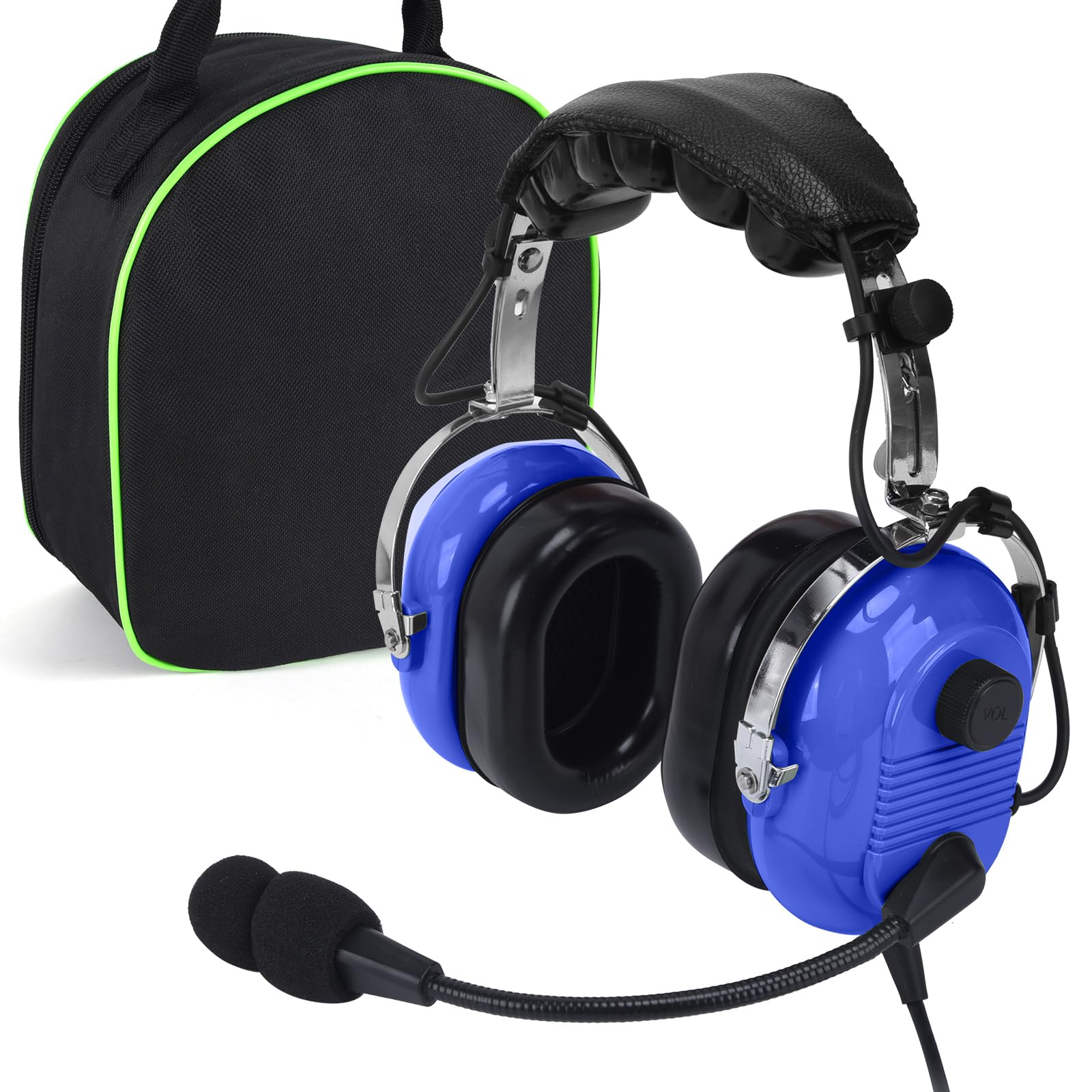

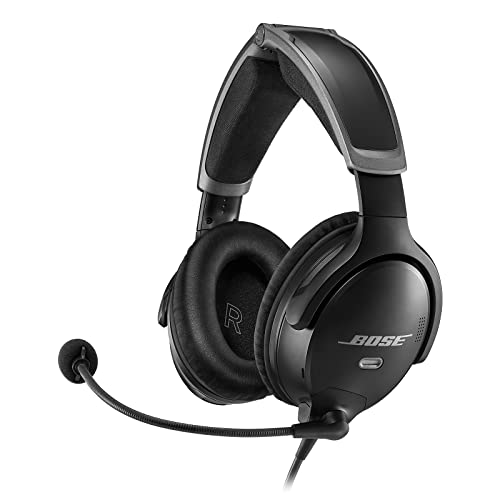


Key Features to Compare
Six factors separate a headset you will love from one that ends up in the back of your flight bag. Work through them in order, because a failure on the first two cannot be fixed by strength on the rest.
Noise Reduction, Active and Passive
Passive headsets rely on clamping force and thick ear seals to block sound, and most land around 23 to 26 decibels of rated reduction. Active noise reduction adds electronics that sample cockpit sound and cancel the low drone of the engine and propeller, which is where most of the fatigue comes from. Active models cost more and need power, yet on flights over an hour the difference in how fresh you feel is hard to ignore. If you also shop for travel or office use, see our guide to the best noise cancelling headsets to understand how consumer ANC differs from aviation grade reduction.
Plug Type and Panel Compatibility
Most general aviation airplanes use the twin plug setup, one plug for the microphone and one for the earphones. Many newer panels accept a single six pin LEMO plug that also draws power from the aircraft, so the headset needs no batteries. Helicopters usually take the single U 174 plug, and Airbus flight decks use a five pin XLR connector. Adapters exist for nearly every mix, but each adapter adds a failure point and sometimes a volume mismatch, so buying the native plug for the aircraft you fly most is the safer call.
Microphone Clarity and Boom Design
Controllers judge you by your microphone long before they see your flying. Most modern headsets use an electret microphone, while older and military style sets use a dynamic one, and the two are not always interchangeable without a matching amplifier in the panel. Look for a flexible boom that holds its position, a gain adjustment if your radio runs hot, and a foam muff that cuts breath noise on every transmission. Frequency response on aviation headsets is tuned for the speech range rather than deep bass, because clear consonants matter more than music warmth at altitude.
Comfort, Weight, and Ear Seals
A headset that feels fine in the store can turn into a headache ninety minutes into a cross country flight. Clamping force is the trade at the center of comfort: more clamp seals better and raises passive reduction, but it also presses on your jaw and on glasses arms. Gel seals conform around glasses better than plain foam and keep the seal that active reduction depends on, while leatherette covers wipe clean but can crack with age. Lighter in ear styles reduce neck strain yet give up passive isolation, so match the style to your typical flight length.
Bluetooth, Multipoint, and Audio Inputs
Bluetooth lets you hear phone calls, music, and tablet alerts for traffic and terrain through the headset. Multipoint pairing means the headset can stay connected to your phone and your tablet at once, handy when the tablet runs your charts and the phone is your backup. Codec choice matters far less here than for music listening, because radio audio never passes through Bluetooth at all. The feature that truly counts is audio priority: radio and intercom calls should mute or override your music automatically. A wired auxiliary input is still worth having as a backup when batteries or pairing fail.
Battery Life and Power Options
Active headsets run their electronics from AA batteries in the control module, from rechargeable packs, or from panel power through a LEMO plug. Battery life claims of about 30 to 50 hours are common for active reduction, with Bluetooth use pulling that number down. Panel power removes the worry entirely if your aircraft supports it. Whatever the source, confirm the headset still works as a passive set when power dies, because a silent headset in flight is a safety problem.
Choosing the Right Headset Style for Your Flying
With the criteria set, the next step is matching a style of headset to the flying you actually do. The three groups below cover most buyers, and the product table above can help you spot which models fit each group.
Students and Renters Building Hours
If you rent a different airplane every weekend, a passive twin plug headset is the sensible starting point. It works in almost any training aircraft, needs no batteries, and survives being tossed in a flight bag daily. Put your money toward gel seals and a sturdy boom rather than electronics, because your flights are short and your budget is better spent on flight time. You can always upgrade once you know which aircraft type will fill your logbook.
Frequent Flyers and Professional Pilots
Pilots who fly several legs a day feel the payoff from active reduction the most, since lower noise means lower fatigue and clearer radio work late in a long duty period. Panel powered LEMO models remove battery changes from your routine if your fleet supports them. Airline and charter pilots should also check whether their operator requires a TSO certified headset, because that rule can narrow the field before price enters the picture. Spare parts availability matters as much as specs at this level, a point echoed in our guide to the best quality headsets.
Passengers, Instructors, and Occasional Flyers
Aircraft owners who carry family or students often need extra headsets that are simple, comfortable, and easy to adjust on a new wearer in seconds. Mid priced passive or entry active models suit this role well, since passengers rarely fly long enough to need premium reduction. Instructors sit in a middle ground: you fly all day, but your headset also gets handled by students, so a replaceable ear seal and a tough cable are worth more than a long Bluetooth feature list. Buy at least one spare set of seals for any headset that guests will share.
Quick Buyer Checklist
Run through these questions before you order. A single no on the first three usually means you should keep shopping.
- Does the plug type match the aircraft I fly most, without an adapter?
- Do I know whether I need passive reduction only, or active reduction for longer flights?
- Can I wear the headset over my glasses or sunglasses without breaking the ear seal?
- Does the microphone type match what my panel and intercom expect?
- If the batteries die in flight, does the headset keep working as a passive set?
- Does Bluetooth audio step aside automatically when a radio call comes in?
- Are replacement ear seals, mic muffs, and cables easy to buy for this model?
- Does my operator or school require a TSO certified headset?
Red Flags to Watch For
Headset listings are full of soft claims. These warning signs tell you a model may disappoint once it reaches the cockpit.
- The listing claims strong noise reduction but publishes no decibel figures and no test standard behind them.
- The plug type is missing or vague, so you cannot confirm the headset fits your panel before it ships.
- The warranty is very short and the maker sells no spare ear seals, muffs, or cables.
- Battery life is advertised with no mention of whether Bluetooth was on during the claim.
- The headset copies the shape of a premium model but lists no impedance or microphone type at all.
None of these prove a headset is bad, but two or more together mean your money is safer elsewhere. It also helps to remember that an aviation headset is built for radio clarity in a loud cockpit, and judging it by music standards alone leads to the wrong purchase.
How to Make Your Aircraft Headset Last Longer
Store the headset in its case between flights rather than loose in the flight bag, where the boom and cable take the damage. Wipe the ear seals after hot weather flying, since sweat and sunscreen break down seal covers over time,. Replace seals and the mic muff when they crack, because tired seals quietly undo both comfort and noise reduction. Remove batteries before long storage to guard against leaks, and coil the cable loosely instead of wrapping it tight around the headband.
Frequently Asked Questions
Does an aircraft headset need a special Bluetooth codec for clear audio?
No special codec is required, because your radio and intercom audio travel through the headset cable, not through Bluetooth. Bluetooth only carries phone calls, music, and tablet alerts, and standard codecs handle speech perfectly well for those. Spend your attention on pairing reliability and on whether the headset mutes music during radio calls. One bonus worth checking is whether the headset remembers your paired devices, so you are not re pairing in the run up area.
How long do batteries last in an active noise reduction aircraft headset?
Most active headsets run about 30 to 50 hours on a set of AA batteries with Bluetooth off, and noticeably less with Bluetooth streaming. Cold weather shortens that further, so carry a spare set in your flight bag during winter. A practical trick is to log your battery changes on the same page as your oil checks, which gives you a real world rhythm for your own flying instead of relying on the box claim.
Is active noise cancellation worth the extra cost in an aircraft headset?
For flights that regularly pass an hour, yes, because active reduction targets the low engine and propeller drone that causes most fatigue and muffles radio calls. For short local lessons in a training aircraft, a good passive headset often covers the need at half the price. Pilots building hours toward professional flying often choose active reduction early, since they will wear the headset for thousands of hours.
What plug type does an aircraft headset need for a general aviation panel?
Most general aviation panels take the twin plug arrangement, with separate plugs for the microphone and the earphones. The catch is that rental fleets vary, and many upgraded panels add a six pin LEMO socket that can also power the headset. Before ordering, photograph the panel of the aircraft you fly most or ask the rental desk, because guessing wrong means adapters or a return.
Can one aircraft headset work in both airplanes and helicopters?
Yes, but rarely with the same plug, since helicopters use the single U 174 connector and often run a different microphone impedance. An adapter cable can bridge the gap for occasional use, though volume levels may need adjusting on the intercom. Pilots who split time evenly between the two usually keep a dedicated headset for each, because swapping adapters and settings before every flight gets old quickly and invites a forgotten step.
Final Thoughts
Start with the plug your panel needs, then weigh noise reduction against your typical flight length, then check comfort with your own glasses on your own head. Those three decisions matter more than any feature list. Use the product table above to compare the best aircraft headsets against that short order of priorities, and you will end up with a headset that keeps radio calls clear and flights comfortable for years.