
Best Audiophile Gaming Headsets in 2026: Matching the Right Model to Your Routine
Disclosure: We may earn a commission when you buy through links on this page, at no extra cost to you. As an Amazon Associate I earn from qualifying purchases. Learn more

Compare the best audiophile gaming headsets by soundstage, tuning, mic clarity and comfort, with a clear checklist to match a headset to your desk and games.
There is no single headset that suits every desk, every game and every ear. A competitive player needs clear footsteps, while a story player may care more about rich music and soft pads for long evenings. The best audiophile gaming headsets balance detailed sound, a clear microphone and lasting comfort, and the comparison table below helps you weigh that balance at a glance.
Start by naming your main use, your platform and how you connect. Those three answers narrow the field faster than any price list. This guide groups buyers by routine, explains the sound and fit factors that matter, and ends with setup and care steps, so you can spend once on the right type.


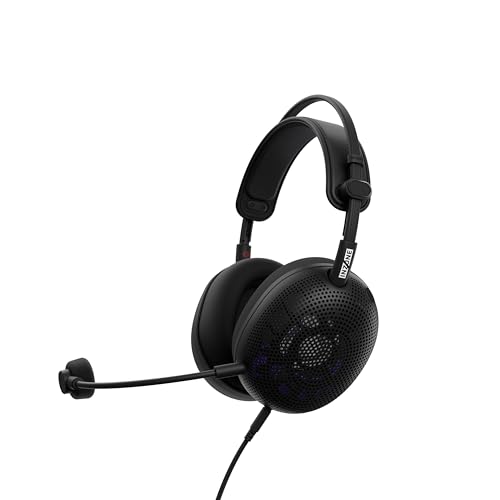


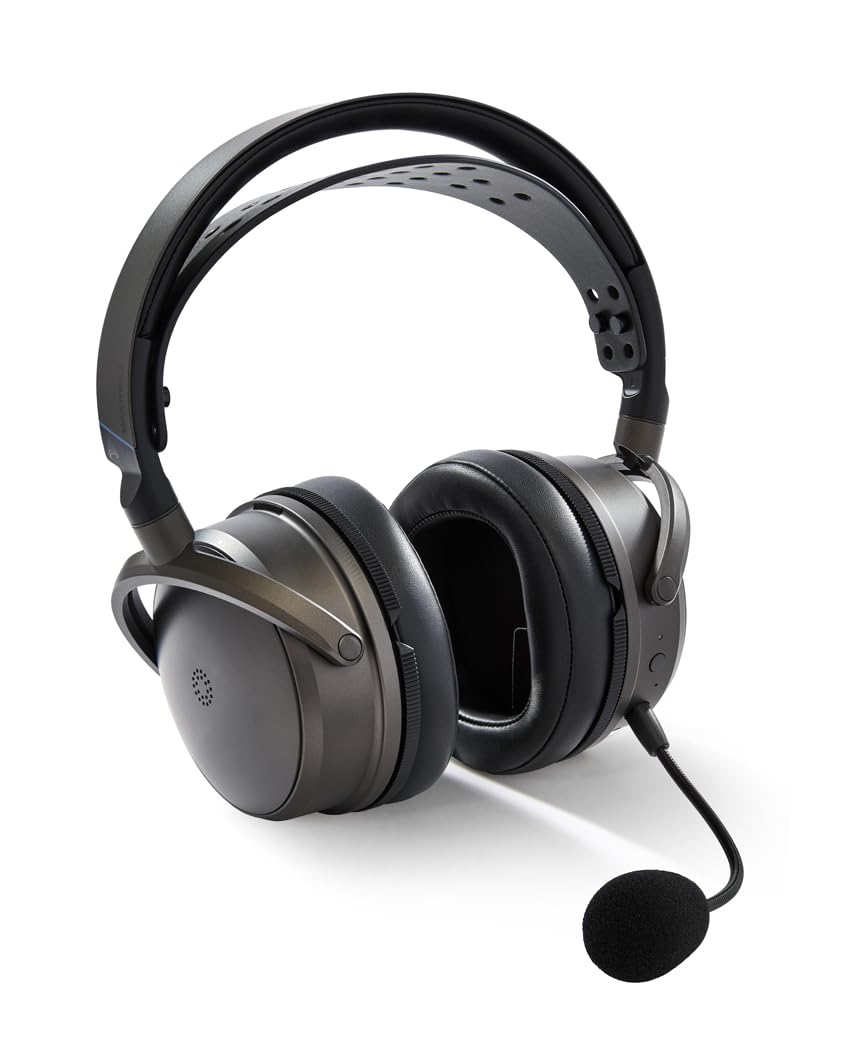
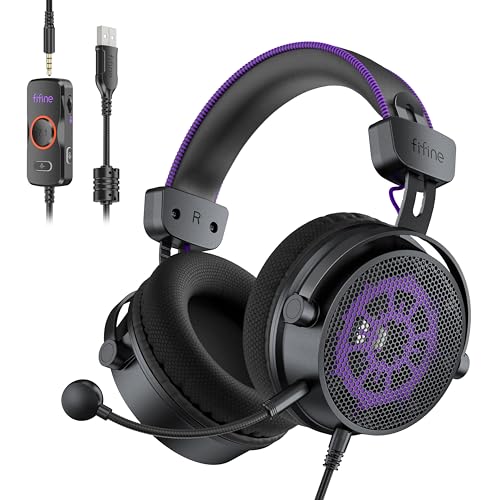
Who Should Buy Which Audiophile Gaming Headsets?
Your routine decides which tradeoffs are worth making. A headset that shines for ranked matches may feel tiring for films, and a plush model for long stories may sound too soft for team chat. Match your group below first, then compare features.
Competitive Players in Fast Team Games
You play shooters and ranked matches where a footstep or a reload tells you where to turn. Prioritize precise imaging, clear and restrained bass, and a microphone your squad can understand on the first call. A wired link or a dedicated wireless dongle keeps delay low. Choose breathable pads and a gentle clamp for long queues.
Story Focused Players Who Love Sound Detail
You spend hours in open worlds, racing games and films, and you notice small sounds like rain, room tone and quiet dialogue. Look for a wide soundstage, smooth highs and tuning that keeps voices natural at low volume. Comfort leads here, so soft pads matter more than a tight seal. If budget is tight, see our guide to the best inexpensive gaming headsets for value types that still keep voices clear.
Streamers and Creators Who Talk on Microphone
You record, stream or join calls daily, so your voice is part of the product. Choose a detachable or retractable boom that sits close to your mouth. A mute control on the ear cup and a sidetone option help you judge your own level without shouting. For a broader shortlist built around voice and build, see our guide to the best quality gaming headsets.
Long Session Players Who Also Work at the Desk
You move between work calls, music and play at the same desk all day. Multipoint wireless helps you stay paired to a computer and a phone at once, with memory foam pads that spread pressure. Look for battery life above a full workday and a wired backup for calls that cannot drop. A closed back design keeps your sound in and office noise out.
Key Features to Compare
Compare sound first, then connection and comfort. That balance is what separates the best audiophile gaming headsets from ordinary chat models with louder bass and little detail.
Driver Size and Frequency Response
Most models use dynamic drivers of about 40 to 50 mm, and larger drivers can move more air for deeper bass. Size alone tells you little, since tuning decides how the range is balanced. Frequency response shows which tones get emphasis, and a near neutral curve keeps footsteps, voices and music distinct. Strong bass can feel exciting, yet it may cover quiet cues. For films, accept a mild bass lift, but keep the mids clear for dialogue.
Soundstage and Imaging for Directional Cues
Soundstage is the sense of width and depth in the sound, as if effects sit in a room rather than inside your head. Imaging is the accuracy of placement within that space, so a step on the left rear sounds exactly there. Wide staging suits exploration and films, while tight imaging suits ranked play where direction matters more than atmosphere. Driver angle and pad depth shape both traits, and no box spec can promise either one.
Open Back and Closed Back Designs Compared
Open back cups let air pass through outer grilles, which often widens the stage and keeps ears cooler. Sound leaks both ways, so open models suit quiet rooms where others cannot hear your game. Closed back cups seal the ear, add isolation and usually lift bass, which helps in shared homes and busy rooms. If you listen to music as much as you play, see our guide to the best audiophile headsets to compare listening only designs.
Wired and Wireless Connections, Codecs and Latency
A wired link gives stable sound, no charging and no added delay. Wireless models free your movement, and a USB dongle in 2.4 GHz mode keeps latency far below standard Bluetooth for fast games. Bluetooth 5.3 with multipoint suits calls and casual play, while codec support affects detail and delay on phones. For a desk only setup, see our guide to the best wired gaming headsets for cable based types.
Comfort, Weight and the Power Your Source Must Supply
Weight, clamping force and pad material decide whether fine sound survives a three hour session. Most comfortable models weigh about 250 to 380 grams, with wide headbands and pads that seal gently. Impedance and sensitivity show how hard a headset is to drive, and many gaming models run well from a controller or a laptop. High impedance listening designs may sound quiet without a small amplifier, so check the ratings against your source before you buy.
How to Match a Headset to Your Desk and Platform
List your platform first, since console controllers, laptops and phones differ in power, ports and wireless support. A model that sings on a desktop DAC may sound thin from a controller, and a dongle that works on PC may not work on your console. Check the box for your exact platform and connection type, and confirm that chat mixing works where you play.
Next, picture your room and routine. A quiet home office rewards open back width, while a shared living room rewards closed back isolation and a boom you can remove for films. Home models with wired links suit a fixed desk, while wireless models suit a sofa. Write down your top two needs and let them outrank extra features you may never open.
Common Mistakes to Avoid When Buying Audiophile Gaming Headsets
Each error below costs money or comfort, and each is easy to spot before you order.
- Buying on driver size alone leaves you with loud bass that buries footsteps and dialogue.
- Choosing open back cups for a noisy shared room lets game sound leak out and room noise pour in.
- Ignoring impedance leaves a quiet and flat sound when your controller cannot drive the headset well.
- Judging fit in five minutes hides pressure points that ache after an hour of play.
- Paying for wireless extras you never use raises the price while your desk setup stays wired.
Setup and Care Tips for Audiophile Gaming Headsets
Set gain so your loudest game peaks stay clear without distortion, then place the boom about two finger widths from the corner of your mouth. Turn off extra sound effects on your platform at first, so you hear the natural tuning before you adjust any equalizer. Keep firmware updated, since updates can fix pairing faults and microphone bugs.
Wipe ear pads with a soft and barely damp cloth after long sessions and let them dry fully before storage. Store the headset on a stand or in a case to protect drivers from dust and knocks, and coil cables loosely to spare the joints. Replace pads once they crack or flatten, because worn pads change the seal and the bass.
Frequently Asked Questions
Does a wired audiophile gaming headset sound better than a wireless audiophile gaming headset?
A wired audiophile gaming headset usually sounds slightly cleaner, because the signal skips compression and radio delay. The gap is small with a good dongle link. Choose wired for a fixed desk and critical listening, and choose wireless if you stand, stream or move between rooms often, since freedom can matter more than a faint edge in detail.
How long does the battery last on a wireless audiophile gaming headset?
Battery life on a wireless audiophile gaming headset most often runs about 30 to 80 hours per charge with a dongle link. Bright lights and high volume shorten that span, while quick charging can add several hours from a short plug in. One useful check is whether the headset still works by cable while it charges, so a low battery never ends a match or a call.
Do I need a special codec for an audiophile gaming headset on PC and console?
No, you do not need a special codec for an audiophile gaming headset, since standard links already carry clear game sound. Low delay codecs help on phones where video and voice must stay in sync, yet consoles and PC dongles bypass phone codecs entirely. Spend on fit and tuning first, and treat codec badges as a bonus for mobile listening.
Is active noise cancellation worth paying for on an audiophile gaming headset?
Active noise cancellation is worth paying for only when steady room noise competes with your game, such as a fan, traffic or an air conditioner nearby. It reduces low and steady hum well, but it does little for voices or sudden sounds. In a quiet room, a closed back seal gives most of the benefit without the extra electronics.
Do I need a separate amplifier for an audiophile gaming headset?
Most players do not need a separate amplifier for an audiophile gaming headset, because gaming models run well from common sources. A small amplifier helps only when volume stays low at maximum or the sound turns thin and flat from your source. Test your loudest game first, and listen for hiss at idle, since hiss can signal a noisy output rather than a weak one.
Final Thoughts
Choose by routine first, sound second and extras last. Imaging and tuning decide how well you place cues, comfort decides how long you enjoy them, and connection decides how the headset fits your desk. Use the product table above to check type, weight and price against your shortlist. When the best audiophile gaming headsets match your platform, your room and your longest session, you stop chasing specs and start hearing the game as it was mixed.


