Best Air Vents: Reviews and Buying Guide for 2026
Disclosure: We may earn a commission when you buy through links on this page, at no extra cost to you. As an Amazon Associate I earn from qualifying purchases. Learn more
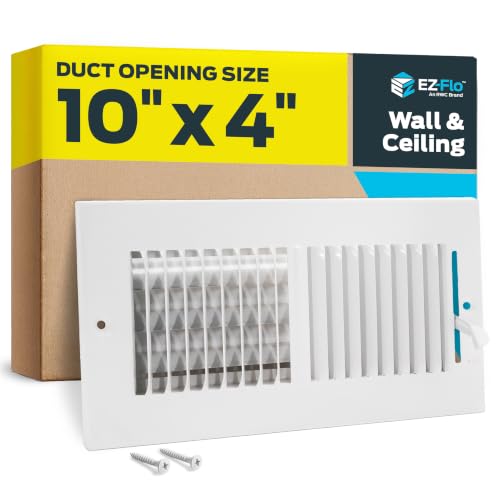
The best air vents match your duct opening and adjust smoothly. Compare types, materials and prices before you buy.
Air vents control how air moves into a room, and the wrong size or style can leave a room stuffy, drafty or noisy. The best air vents match your duct opening, suit the room and let you adjust airflow without rattling or whistling. This guide explains how to measure, compare materials and choose a vent that fits both your home and your budget.
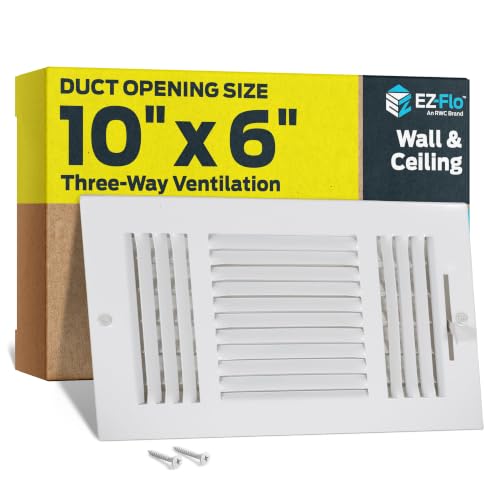
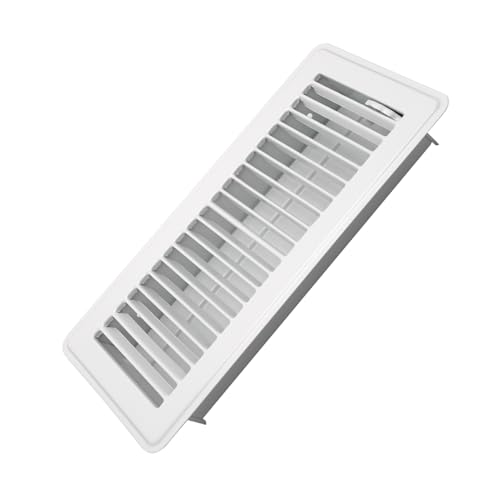
Use the sections below to compare vent types, build quality, ease of fitting and long term costs before you buy. The product table shows vent covers and registers to compare, and the buying guide that follows explains what each feature means in daily use.
Who Should Buy Which Air Vent?
Homeowners Replacing a Damaged Vent
If a vent is cracked, rusted or missing a damper, a direct replacement in the same size is usually the simplest choice. Measure the duct opening, not the old cover, and check the screw spacing before you order. A sturdy metal or high quality plastic cover in a finish that suits the room will restore airflow and look tidy again.
Homeowners Improving Airflow in One Room
If one room feels stuffy while others feel fine, an adjustable vent can help you balance airflow without changing the whole system. Look for smooth damper control, a design that opens fully and a grille pattern that spreads air evenly. Check that the vent does not whistle at higher airflow, and confirm the size still matches the duct opening.
Homeowners Renovating or Updating a Home
If you are renovating, you can choose vents that match new flooring, trim and room styles across the house. Consistent sizes and finishes look better than a mix of styles, and durable materials matter in high traffic areas. Plan vent positions early in a renovation, since moving a duct opening later costs far more than choosing the right cover now.
How to Choose the Best Air Vents: Buying Guide
Intended Use and Who It Is For
Start by naming the job the vent must do, whether it supplies heated or cooled air, returns air to the system or covers a wall opening. Supply vents need adjustable dampers and a grille that directs air into the room, while return vents need a larger open area and no damper blocking airflow. A vent in a bathroom or kitchen faces more moisture than one in a bedroom, so material and finish matter more there.
Warranty and Customer Support
A clear warranty tells you how long the maker stands behind the finish and the moving parts, such as dampers and louvers. Check what the warranty covers, whether it includes the finish or only structural defects, and how to make a claim. Support matters when a vent arrives in the wrong size or a damper sticks, so look for clear sizing charts and a maker contact before you buy.
Maintenance and Long Term Costs
Vents need regular cleaning, since dust builds up on grilles and inside dampers and can reduce airflow over time. A design that lifts off easily or opens for cleaning saves effort, while a fixed grille with tight slats takes longer to dust. Long term costs stay low when the finish resists rust and scratches, since a vent that needs frequent replacement costs more than a durable one bought once.
Build Quality and Materials
Metal vents, often steel or aluminum, resist damage in high traffic areas and hold their shape over time. Plastic vents cost less and resist rust, but cheaper plastic can crack or warp near heat sources. Check the thickness of the frame, the fit of the damper and whether screws and fixings are included. A vent that sits flat against the wall or floor, without gaps, looks better and avoids air leaking around the edges.
Ease of Use and Setup
Most vents fit with a few screws, but ease depends on matching size, screw spacing and duct depth. Measure the duct opening in both directions and compare it with the stated vent size, not just the outer cover size. Adjustable dampers should move smoothly by hand, without tools, and stay in place once set. If you are unsure about duct work or electrical work nearby, follow the maker guidance and ask a qualified installer for help.
Safety and Certifications
Vents should not block airflow in a way that strains the heating or cooling system, so never seal a supply vent completely for long periods. Check for sharp edges on metal grilles, especially in homes with children, and choose a design that sits flush to reduce tripping on floor vents. Follow the maker installation guidance, keep vents clear of curtains and furniture, and ask a professional if you notice weak airflow, strange noises or signs of duct damage.
Price Versus Value
Budget vents cost about $10 to $25 each and suit simple replacements in low traffic rooms. Mid priced vents cost about $25 to $60 each and usually offer better materials, smoother dampers and finishes that last longer. Premium vents cost about $60 to $120 each and suit visible rooms, renovations and high traffic areas where finish and durability matter most. Compare the price for the whole house, not just one vent, since replacing many vents adds up quickly.
Types of Air Vents
Premium Options
Premium vents use thicker metal, finer finishes and smoother damper controls, and they suit living rooms, hallways and renovated homes. They cost more per vent, but the finish and build quality show in visible locations. Choose this type when the vent is on display and you want it to last through many years of cleaning and use.
Compact Options
Compact vents suit small rooms, tight wall spaces and places where a large cover would look out of proportion. They keep a low profile and still allow adjustable airflow, as long as the duct opening matches. Check the open area carefully, since a very small grille can restrict airflow if it is fitted to a larger duct.
Mid Range Options
Mid range vents balance price, durability and appearance, and they suit most bedrooms, offices and family rooms. They usually offer a choice of finishes, a working damper and a sturdy frame without the cost of a premium model. For a whole house refresh, this type often gives the strongest value.
Setup and Care Tips
- Read the manual before first use, and check the stated size against your duct opening.
- Clean and inspect vents regularly, since dust on grilles can reduce airflow over time.
- Store spare vents in a dry place, away from heavy items that could bend a frame.
- Register the product for warranty if the maker offers registration, and keep the receipt.
- Check dampers once a season, and free any damper that sticks before forcing it.
- Keep vents clear of rugs, curtains and furniture so air can flow freely into the room.
Frequently Asked Questions
What features matter most when buying air vents?
Size, material, damper control and grille design matter most when buying air vents. Size must match the duct opening, since a cover that is too small leaves gaps and one that is too large will not fit. Material affects durability and rust resistance, while a smooth damper lets you balance airflow between rooms. Grille design affects how air spreads and whether the vent whistles, so compare open area and louver spacing as well as appearance.
How long does an air vent last?
A well made air vent can last about 10 to 20 years, depending on material, location and cleaning. Metal vents in dry rooms often last longest, while vents in damp rooms or high traffic areas may wear sooner. Dampers and finishes usually fail before the frame, so check moving parts during cleaning. Replace a vent when it cracks, rusts, sticks or no longer sits flat, since a damaged vent can restrict airflow and look untidy.
How much should I spend on an air vent?
Most buyers spend about $10 to $60 per vent, depending on size, material and finish. Budget vents suit simple replacements, while mid priced vents offer better durability and smoother dampers for everyday rooms. Premium vents cost more and suit visible locations and renovations where finish matters. Add up the cost for every vent in the house before deciding, since a small saving per vent becomes a large saving across many rooms.
How do I maintain an air vent?
Maintain an air vent by dusting the grille regularly, vacuuming loose dust and wiping the frame with a damp cloth. Remove the cover when the design allows, and clean inside the damper area without bending the louvers. Check screws and damper movement during cleaning, and tighten or free any part that feels loose or stuck. Avoid harsh cleaners on painted or plated finishes, and dry the vent fully before refitting it.
Are expensive air vents worth it?
Expensive air vents are worth it in visible rooms, renovations and high traffic areas where finish and durability matter. Thicker metal, better dampers and lasting finishes show over years of cleaning and daily use. In a spare room, a cupboard or a low traffic space, a mid priced vent usually offers the same airflow at a lower cost. Judge value by location and use, not by price alone, and spend more where the vent is seen and used every day.
Final Thoughts
Measure the duct opening first, then choose a material and damper design that suit the room and your budget. A vent that fits well, adjusts smoothly and cleans easily will serve the room far better than a stylish cover in the wrong size. The best air vents balance airflow, durability and appearance, so check the product table above once more before you order.