Best Air Pumps for Koi Ponds at Every Price for 2026: What Your Money Really Gets You
Disclosure: We may earn a commission when you buy through links on this page, at no extra cost to you. As an Amazon Associate I earn from qualifying purchases. Learn more

Learn how to choose the best air pumps for koi ponds at each price level, with airflow, depth, energy and upkeep guidance for healthy pond water.
Prices for pond air pumps stretch from the cost of a pizza to the cost of a weekend away, and the boxes all promise strong bubbles and happy fish. That spread leaves many koi keepers unsure where extra money actually helps. If you are comparing the best air pumps for koi ponds, your pond volume, depth, and fish load should decide your tier long before a sale price does.
This guide walks through each price level in plain terms, shows which upgrades change life for your koi, and flags the extras you can safely skip. Use the comparison table below to place each option in its tier as you read.


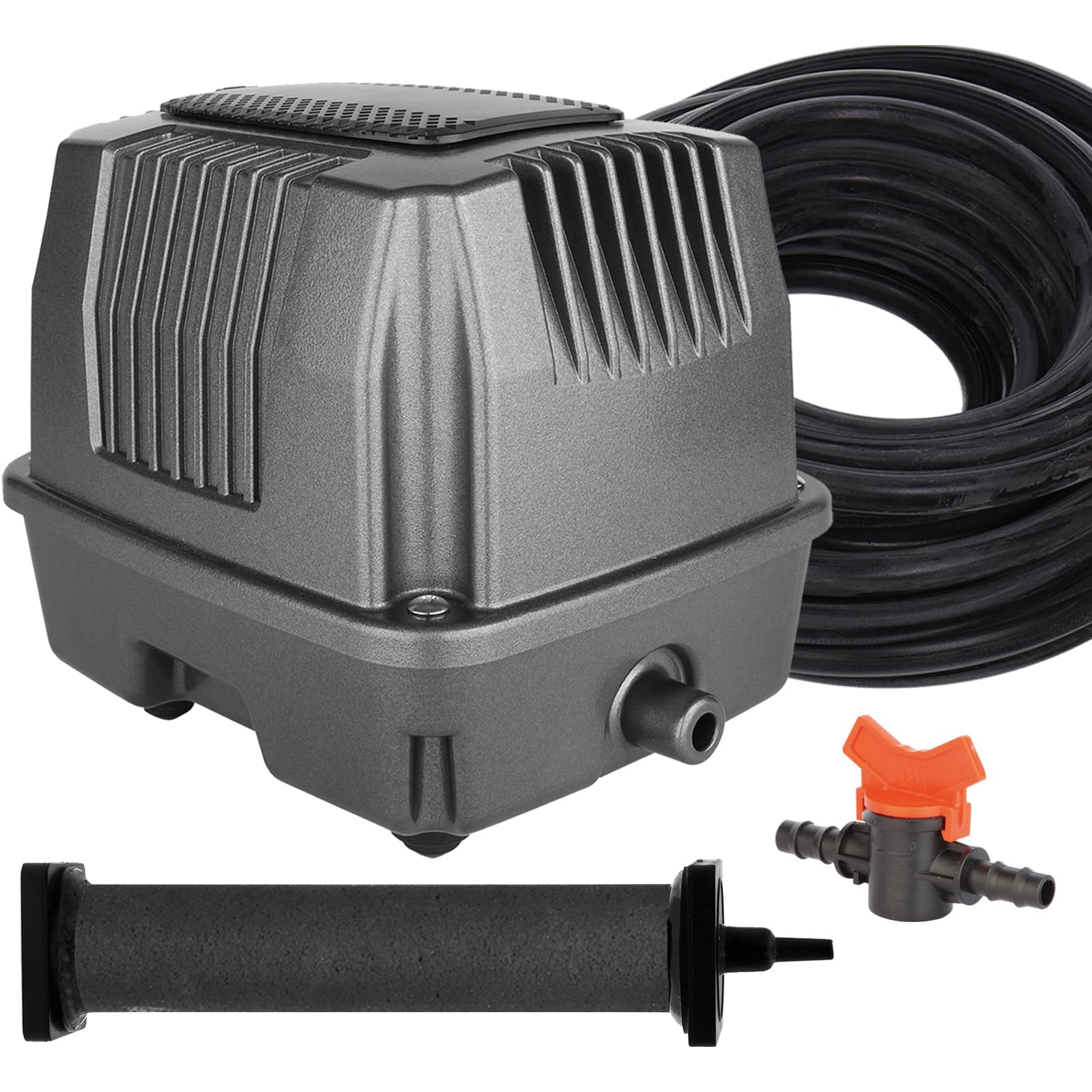


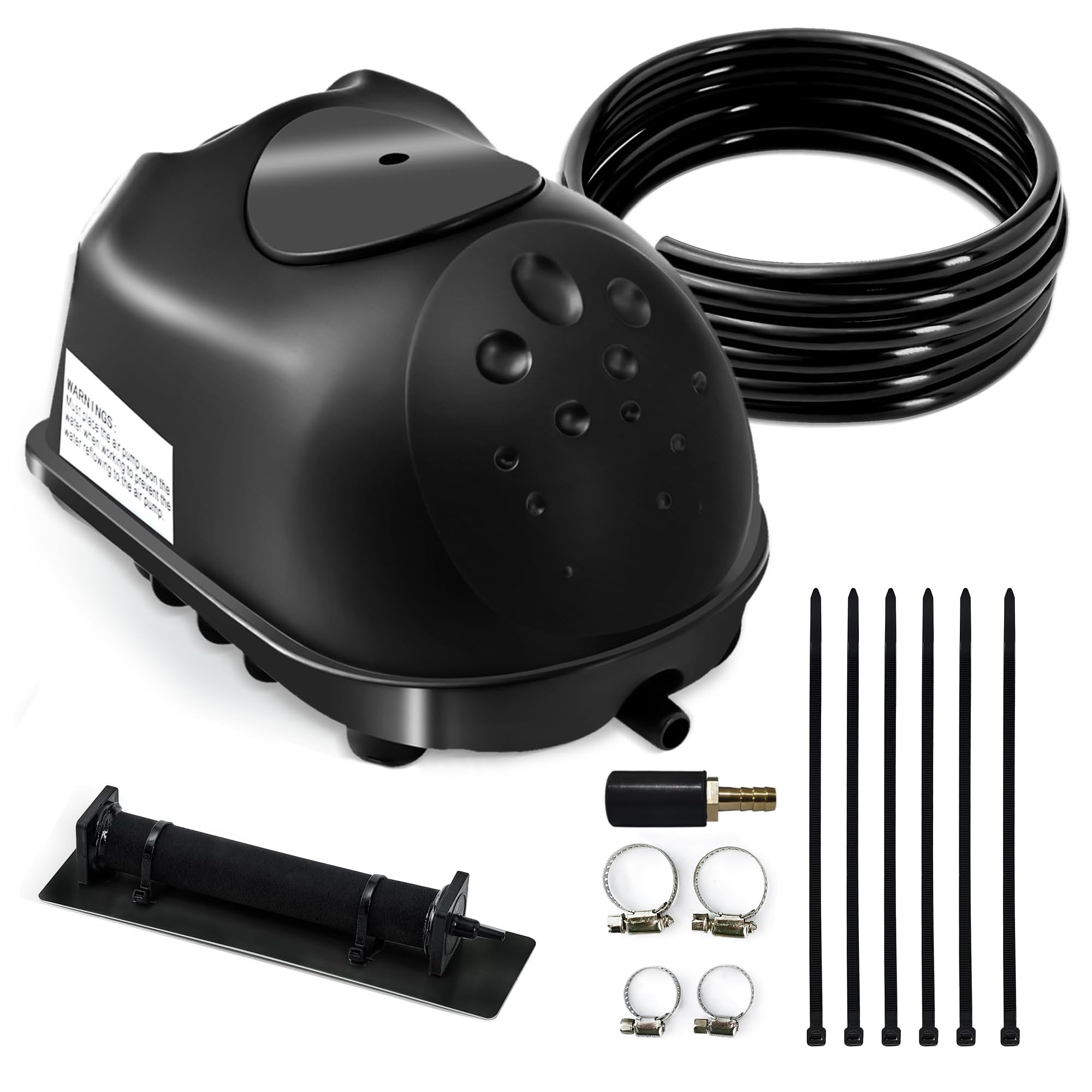


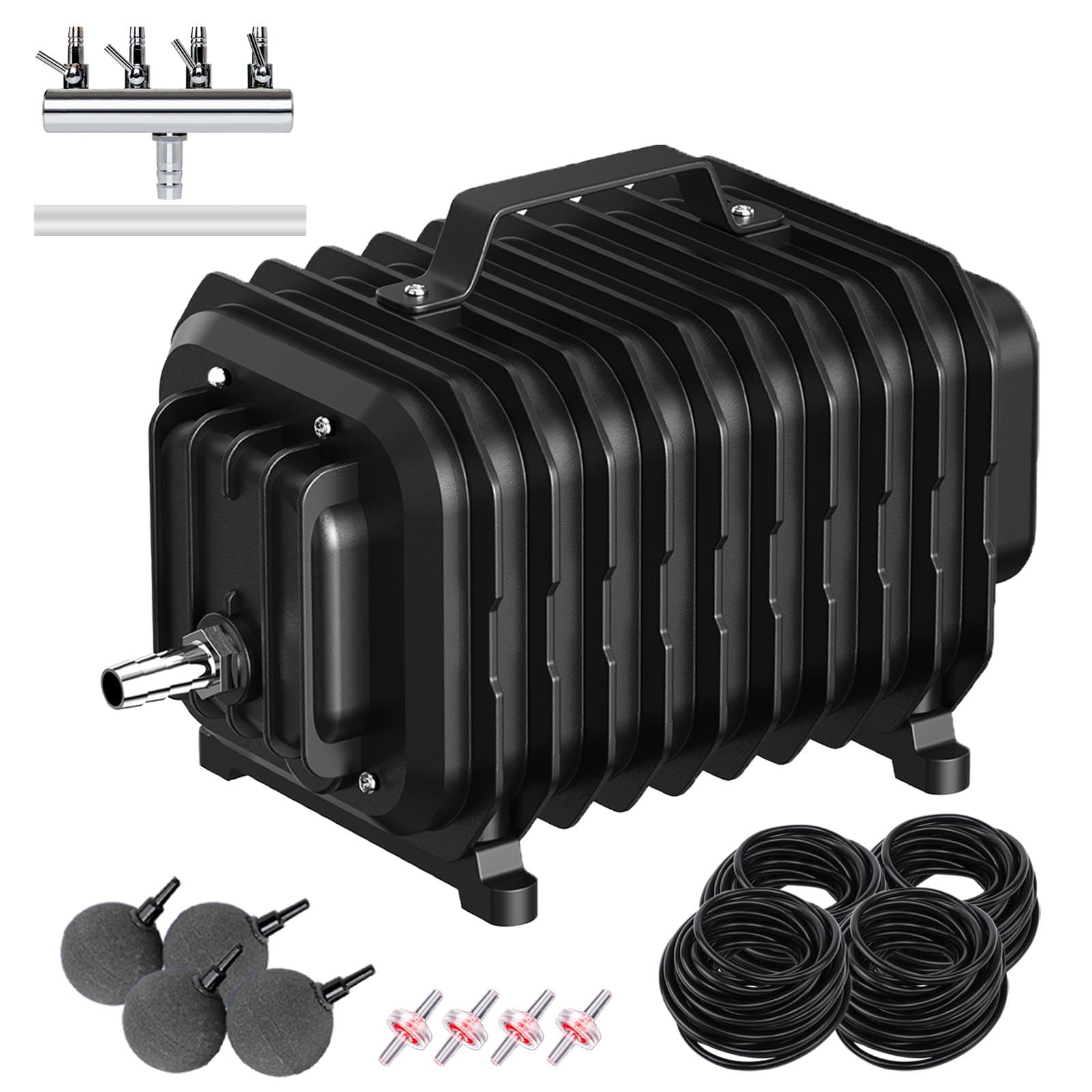
Top 3 Picks by Budget
Think of the three profiles below as shopping patterns rather than single products. When a pump matches the profile for your budget and your pond, it belongs on your shortlist.
Best Budget Pick
The budget profile to look for is a compact diaphragm pump for a small pond, priced around $40 to $80, with output suited to roughly 500 to 1,000 gallons and one or two diffuser outlets. It should include basic airline and at least one diffuser stone, plus a housing you can shelter under a cover. What you give up is reserve power. On the hottest nights, when warm water holds the least oxygen and koi need air most, a budget pump has little spare capacity, and its diaphragm will likely need service sooner. For a lightly stocked starter pond, that trade can still be fair.
Best Midrange Pick
The midrange profile is where most koi ponds belong, priced around $90 to $200. Look for a linear or strong diaphragm pump rated well above your pond volume, with two to four outlets, a weather resistant housing, and replacement diaphragm kits sold by the maker. This level holds steady output at real pond depths, often three to six feet down to a bottom diffuser, and it shrugs off daily summer heat. The tradeoff is modest. You pay more up front and use a bit more power, but you gain the reserve that protects valuable fish during heat waves and feeding season.
Best Premium Pick
The premium profile, priced around $220 to $450 and above, buys capacity and endurance for large or heavily stocked ponds. Expect high output measured in liters per minute, quiet and cool running, metal fittings, and parts support that keeps the pump serviceable for many seasons. Premium pumps also hold their rated output at greater depths, which matters for deep winter quarters and bottom drains with air domes. The honest tradeoff is that a small pond gains almost nothing from this class. Overspending here only helps if your volume, depth, and fish load truly demand it.
What Your Money Gets You at Each Price Tier
Budget Tier: What to Expect
Budget pumps, around $40 to $80, cover the basics for small ponds. You get a simple motor, light plastic housing, and enough air for one diffuser in shallow water. Noise control is basic, spare parts may be scarce, and the stated output is usually measured with no depth working against it, so real output at the pond bottom will be lower. Plan on sheltering the pump yourself, since weather protection at this level is minimal. A budget pump is a reasonable first step and a useful emergency spare, even after you upgrade.
Midrange Tier: The Sweet Spot for Most Buyers
Midrange pumps, around $90 to $200, add the things pond life actually rewards. Output ratings hold up better at depth, housings resist weather, and makers stock diaphragm kits and filters so the pump can be refreshed instead of replaced. You also get more outlets, which lets you run a bottom diffuser plus a shallow diffuser for winter. For a broader look at this class, see our guide to the best pond air pumps and note how many keeper favorites cluster in this band. For most ponds between about 1,000 and 5,000 gallons, this tier is the value center.
Premium Tier: When Spending More Pays Off
Premium pumps, around $220 and up, pay off when failure or weak output would cost you fish. Linear piston designs at this level run quietly, sip power for the air they move, and deliver rated flow even to deep diffusers. Cases are sturdier, fittings are metal, and service parts stay available for years. Large ponds, dense stocking, and show quality koi justify the step. A small garden pond does not, and honest shopping means admitting which pond you own. Buy this tier for capacity and lifespan, not for status.
Features Worth Paying For (and Ones to Skip)
Features That Matter for Koi Ponds
Koi ponds place unusual demands on an air pump. The pump runs outdoors in all seasons, pushes air several feet down, and must deliver most on hot summer nights when oxygen is scarcest. Size output in liters per minute against your pond volume and depth, and choose a pump rated for more than your minimum so it is not straining at its limit daily. Aeration also supports the bacteria in your filter, so steady air is part of water quality, not just fish comfort. Keep air and water roles clear. The circulation side lives in our guide to the best koi pond pumps.
Build Quality and Materials
Build quality decides whether a pump survives its third summer. A sealed, weather resistant case keeps rain and pond splash away from the motor, while aluminum or reinforced housings shed heat better than thin plastic. Brass or stainless fittings resist the corrosion that garden air and moisture bring. Inside, quality diaphragms flex millions of cycles without tearing. Ask one simple question before buying. Does the maker sell a service kit for this exact model? If not, treat the pump as disposable and price it that way in your comparison.
Price vs Value
Price and value part ways quickly in this category. A budget pump around $60 that needs full replacement in two seasons can cost more over six years than a midrange pump around $150 that takes a $25 service kit in that same span. Value also includes the fish. One night of failed aeration in peak heat can cost more than any pump on this page. Weigh price against lifespan, parts cost, and reserve capacity, and the cheapest box often finishes last. Decorative extras, by contrast, add price without value, so skip lighted diffusers and novelty stones.
Ease of Use and Setup
Setup is straightforward when the pump is designed for ponds. Place it on a raised, stable surface near the pond, sheltered from rain and direct spray, and never submerge it, since pond air pumps are not underwater devices. Run weighted airline or sink standard tubing so it stays down, connect the diffusers, and plug the cord into a GFCI protected outdoor outlet with a drip loop in the cable. For layouts where the pump sits farther from the water, our guide to the best external koi pond pumps covers placement choices in more depth.
Intended Use and Who It's For
Intended use sorts buyers cleanly. A keeper with a small pond and a few young koi needs the budget or lower midrange class. A keeper with a mature pond, large fish, and heavy summer feeding needs midrange at least, because big koi in warm water consume oxygen fast. A keeper with a deep pond, bottom drain aeration, or winter ice to manage needs output that holds at depth and runs reliably in cold air. Match the pump to the pond you will have in two years, since koi grow and stocking rarely shrinks.
Long Term Costs to Factor In
The purchase price is only the first cost. Air pumps run all day, every day, so power use adds up across a year. A pump drawing about 25 to 50 watts costs far less to run than an oversized unit drawing 150 watts for the same air, which is one more reason to size carefully. Add a diaphragm service kit every one to three years, replacement diffusers as stones clog and weaken, and spare airline for sun damaged sections.
Warranty length softens these costs on better models, and parts availability decides whether a tired pump gets a cheap refresh or a full replacement. Count safety gear in the budget too. A GFCI outlet and a simple weather cover for the pump are small, one time costs that protect both you and the equipment, season after season.
Frequently Asked Questions
What features matter most in air pumps for koi ponds?
Output at your real diffuser depth matters most, followed by weather protection and parts support. Makers rate flow at the surface, but a diffuser four feet down fights water pressure, so choose a pump with clear reserve above your pond volume. One feature buyers overlook is winter behavior. A pump that keeps a small opening in pond ice lets harmful gases escape, so reliable cold weather running is a genuine koi health feature, not a bonus.
How much should I spend on an air pump?
Most koi keepers should expect to spend around $90 to $200 for a pump that fits a typical home pond with room to spare. Small, lightly stocked ponds can start around $40 to $80 and upgrade as fish grow. Spend above that range only when your pond is large, deep, or densely stocked. A useful test is value at risk. The more your collection is worth, in money and in years of care, the more reserve capacity deserves a share of the budget.
Are expensive air pumps worth it?
Yes, for large or heavily stocked ponds, because premium pumps deliver stronger flow at depth, run cooler and quieter, and can be serviced for many years. For a small pond, the same money buys capacity your fish will never use, and a midrange pump protects them just as well. Judge by cost per season of service rather than the tag. A premium pump that serves eight seasons often beats a cheap pump replaced three times in that span.
How do I maintain an air pump?
Maintain a pond air pump by cleaning or replacing its intake filter, checking airline for cracks and kinks, and swapping clogged diffusers when bubbles turn coarse and uneven. Fit a new diaphragm kit when output fades, following the manual, and keep the pump shelter dry and ventilated. Work with the power disconnected, and keep hands and tools dry around outdoor outlets. A few minutes each season prevents the slow decline that keepers often mistake for a dying pump.
How long does an air pump last?
A pond air pump typically lasts about three to six years of constant outdoor service, and well kept midrange and premium models often run longer with timely diaphragm service. Heat, moisture, and clogged filters shorten that span, while a sheltered, raised placement stretches it. Keep a small spare pump or a service kit on hand once your main pump passes its third season, because aeration is the one pond system you never want fully down on a hot night.
Our Verdict
Let pond volume, depth, and fish load pick your tier, then spend on output at depth, weather protection, and service parts rather than extras. Most keepers land happily in the midrange, with budget pumps serving small starter ponds and premium pumps earning their keep on large, valuable collections. The comparison table above shows how the current options sort by tier, and our general guide to the best air pumps helps if you are weighing pumps for other jobs too.
Chosen that way, the best air pumps for koi ponds are simply the ones whose capacity quietly exceeds your pond on its hardest night. Buy with that night in mind, and your koi will never have to.