Best Air Ovens: Our 2026 Checklist and Buying Guide
Disclosure: We may earn a commission when you buy through links on this page, at no extra cost to you. As an Amazon Associate I earn from qualifying purchases. Learn more
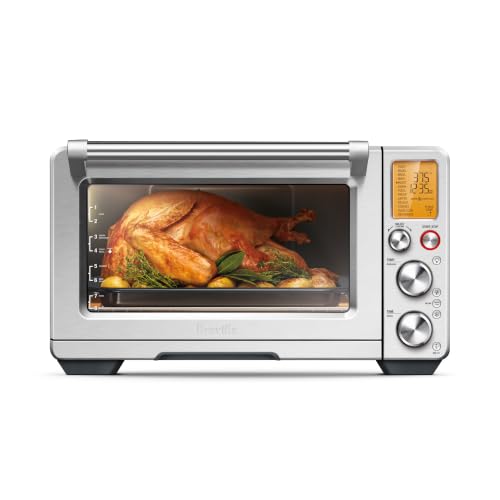
Use this checklist to compare the best air ovens by capacity, wattage, fan design, controls, and cleaning, so you choose the right size for your kitchen.
An air oven promises crisp food with little oil, but two models with the same label can cook very differently. One browns evenly and fits a whole chicken, while another has hot spots and a basket too small for two servings. This checklist for the best air ovens gives you clear pass and fail points to use before you spend anything. Work through the criteria below, then check the comparison table below for capacity, wattage, and footprint.
The goal is simple. By the end, you should know which size fits your counter, which power level your cooking needs, and which features are worth paying for in daily use.

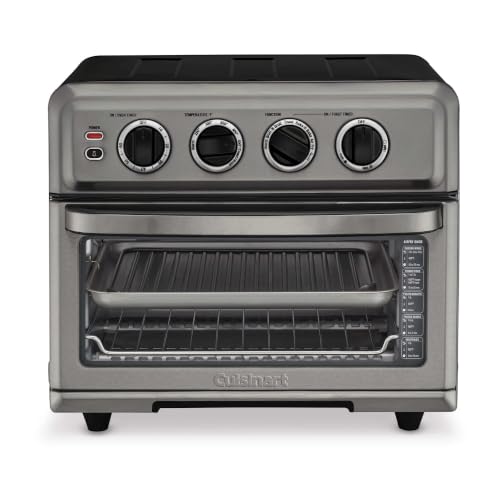
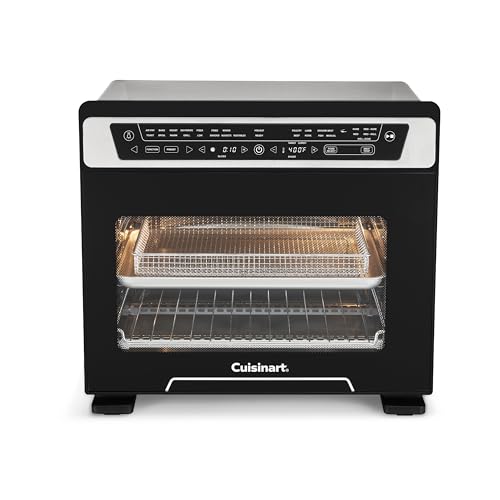


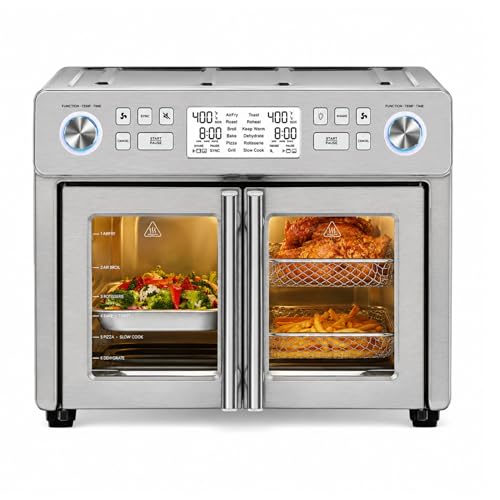


How We Evaluate Air Ovens
Fuel Type and Power Source
Almost all countertop air ovens are electric and run on a standard household outlet, so there is no gas line or special fuel to arrange. That makes placement flexible, but it also means the heating elements do all the work. If you are instead looking at a full size range with an air fry mode, fuel choice matters more, since gas, electric, and induction ranges differ in cost and control. For a countertop model, treat power source as a placement check, not a performance claim.
Heating Power and Temperature Range
Wattage is the number to compare. Most countertop models draw about 1400 to 1800 watts, and higher wattage within that range usually means faster preheating and better recovery after you open the door. Look for a temperature range that starts low enough for dehydrating or proofing, around 90 to 120 degrees, and reaches at least 400 degrees for crisping. A model that tops out below 400 degrees will struggle with frozen foods and thick cuts.
Installation, Electrical, and Placement Requirements
Measure before you buy. Note the width, depth, and height, then add clearance of about five inches above and behind the unit for hot air to escape. Cabinets directly above the oven can suffer heat and steam damage over time. Electrically, plug the oven directly into a wall outlet rather than a power strip, because the high draw can overload strips and extension cords. Keep the cord clear of the hot rear panel.
Interior Cavity and Tray Materials
A stainless steel interior resists staining and odors better than a thin painted cavity, and it wipes clean without flaking. Trays and baskets should feel rigid, with a nonstick coating that is free of deep scratches on arrival. Wire racks with closely spaced bars stop small foods from falling through. Glass doors vary too. A double layer door stays cooler and holds heat in, which helps even cooking and keeps the handle safer to touch.
Controls and Smart Features
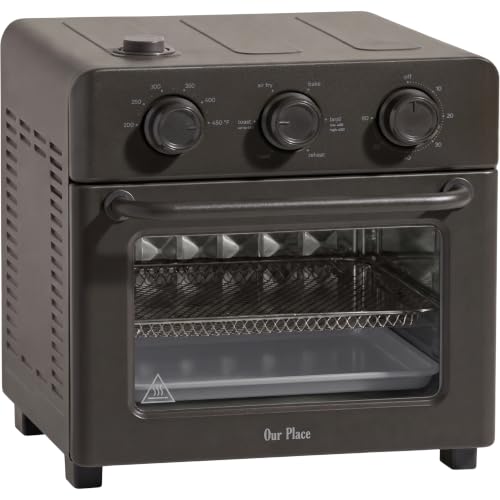
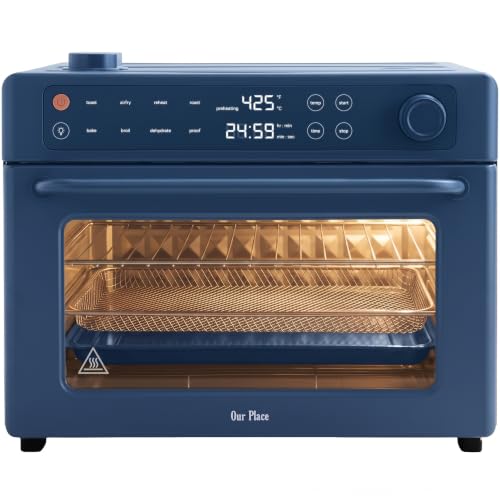
Controls should let you set time and temperature precisely, ideally in small steps, without cycling through a long menu. A clear display you can read from standing height matters more than a long preset list. Presets are useful for common foods, but manual control is what you will use most. WiFi and app control are optional extras. They help if you like starting dinner from another room, yet they add cost and one more thing to update and maintain.
Self Cleaning and Steam Clean
True self cleaning cycles are rare in countertop models, so judge cleaning by design instead. A removable crumb tray, dishwasher safe racks, and a smooth interior with few seams all cut cleanup time. Some larger models offer a steam clean function that loosens splatter before you wipe. Whatever the feature list says, grease builds up around the fan and elements first. A model that gives you access to wipe that area will stay fresher and smoke less over time.
Oven Capacity and Convection
Capacity is quoted in quarts or cubic feet, but tray area is what decides how much food cooks in one layer. Food piled up steams instead of crisping, so a wide single tray often beats a tall narrow cavity. For one or two people, a compact oven is enough. Families cooking full meals should look at larger cavities that fit a 12 inch pizza or a whole chicken. True convection, a fan plus a heating element working together, gives the most even browning.
If you mostly cook small frozen items and snacks, our guide to the best air cookers covers compact basket models that take less counter space. If you want one appliance to replace a toaster oven as well, read on, because size and tray layout matter more than raw capacity numbers.
Price Tiers for the Best Air Ovens
The Overall Profile to Look For
The balanced profile is a midsize oven at about $150 to $250, with 1500 watts or more, a stainless interior, and at least two rack positions. It should fit a whole chicken, hold temperature steadily, and include a baking pan and an air fry basket. This tier suits most households because it handles weeknight dinners and weekend baking without forcing you to cook in small batches. The main limit is counter space, since these models are wide and deep.
The Value Profile to Look For
Value models, often around $80 to $150, keep the core fan and element setup but trim the extras. Expect a smaller cavity, simpler dials, and fewer presets. Cooking quality can still be good if the fan is strong and the tray is wide. Check two things before choosing this tier: the door seal and the warranty. Thin doors leak heat, which shows up as uneven browning, and a warranty under one year leaves you exposed if the fan fails early.
The Premium Profile to Look For
Premium models at about $250 to $400 add larger capacity, stronger build, precise temperature control in small steps, and sometimes a probe for meat. Quieter fans and better insulation also appear at this level. This tier pays off if you cook for a crowd or use the oven daily in place of a full size oven. If you only reheat leftovers twice a week, the extra size and cost will mostly sit unused on your counter.
Shoppers who want the oven format with a dedicated air fry basket up top often compare these models with the best air fryer ovens, which follow the same layout with a stronger focus on crisping.
Quick Buyer Checklist
- Does the cavity fit the largest dish you cook most weeks, with room for air to move around it?
- Is the wattage at least 1400 watts, and does the temperature reach 400 degrees or higher?
- Have you measured your counter and cabinet clearance, including space behind the unit?
- Can you set time and temperature manually in small steps without using presets?
- Do the racks, basket, and crumb tray remove easily for washing?
- Is the warranty at least one year, and are replacement trays available to buy?
- Will it plug directly into a wall outlet on a circuit that is not already heavily loaded?
Red Flags to Watch For
Be cautious with listings that quote capacity without tray dimensions, because a tall cavity can claim a big number while cooking very little in one layer. Vague wattage or a missing temperature range is another warning sign. Watch for doors that feel loose on display models, thin baskets that flex under light pressure, and warranties of only a few months. Also treat a very low price paired with many complex features as a risk. Something in the build usually paid for those extras.
How to Make Your Air Oven Last Longer
Wipe the interior after it cools, while grease is still soft, and wash the crumb tray weekly if you cook often. Use cookware and liners rated for high heat and never block the fan intake, because restricted airflow overheats the elements. Run the oven empty for a few minutes after cleaning to dry the cavity fully. Once a month, check the door seal and the area around the fan for buildup. These small habits prevent smoke, off flavors, and early element failure.
Terminology varies between brands, and some models sold as the best hot air ovens are the same fan driven design under a different name, so compare specifications rather than labels.
Frequently Asked Questions
How long does an air oven last?
Most countertop air ovens last about three to five years with regular use. The fan motor and heating elements wear first, especially if grease builds up around them. Daily use, very high temperatures, and blocked vents shorten that life. Cleaning the crumb tray and keeping the fan area clear are the two habits that most extend it. A longer warranty at purchase often signals a brand that expects the unit to last at the upper end of that range.
Do I need a special outlet for an air oven?
No, a countertop air oven runs on a standard outlet in most homes. What matters is the load on the circuit. These ovens draw close to the limit of a typical kitchen circuit, so avoid running a kettle or microwave on the same circuit at the same time. Plug the oven straight into the wall, skip extension cords, and stop using it and seek an electrician if the plug or outlet feels hot during cooking.
What size air oven do I need for my kitchen?
Match size to servings, not to the biggest meal of the year. A compact oven suits one or two people cooking fries, wings, or a small tray of vegetables. Midsize models fit a whole chicken or a 12 inch pizza and suit most families. Go larger only if you regularly cook two trays at once. Remember that usable tray area, cabinet clearance, and storage space between uses matter as much as the stated capacity.
Is a fan assisted air oven better than a basic toaster oven?
Yes, for crisping and speed, because the fan moves hot air across the food and cooks it more evenly on all sides. A basic toaster oven still handles toast and gentle reheating well, and it may brown bread more evenly. Choose the air oven if you cook frozen foods, roast vegetables, or want shorter cooking times. Choose the simpler oven if your main jobs are toast, bagels, and warming leftovers without drying them out.
Is convection worth paying extra for in an air oven?
Yes, if you bake or roast regularly, because moving air reduces hot spots and lets food brown at slightly lower temperatures. In an air oven the fan is the core feature, so the real upgrade is a well designed fan with an element that works with it, not the word convection on the box. If you only reheat pizza and fries, a basic strong fan is enough and premium convection systems add little.
Our Verdict
Start with tray size, then check wattage, temperature range, and how easy the interior is to clean. Those four points predict daily satisfaction better than a long preset list. Match the tier to how often you cook, look back at the product table above, and choose the best air ovens profile that fits your counter, your circuit, and the meals you actually make each week.