Best Air Fryers for Chips Made Simple: A Clear Buying Guide for 2026
Disclosure: We may earn a commission when you buy through links on this page, at no extra cost to you. As an Amazon Associate I earn from qualifying purchases. Learn more

Shopping for the best air fryers for chips for the first time? Learn the terms, compare options, and avoid rookie mistakes with this easy guide.
If your main reason for buying an air fryer is a plate of golden, crisp chips, you are in good company. Chips are the food that sells these machines, and they are also the food that exposes a weak one, because soggy centers and burnt edges show up fast. If you are shopping for the best air fryers for chips for the first time, the terms on the box can feel like a foreign language.
This guide explains those terms in plain English, one specification at a time. You will learn which features actually change how chips cook, what size suits your household, and which rookie mistakes to avoid. Keep the comparison table below open as you read, and the shortlist will make sense.


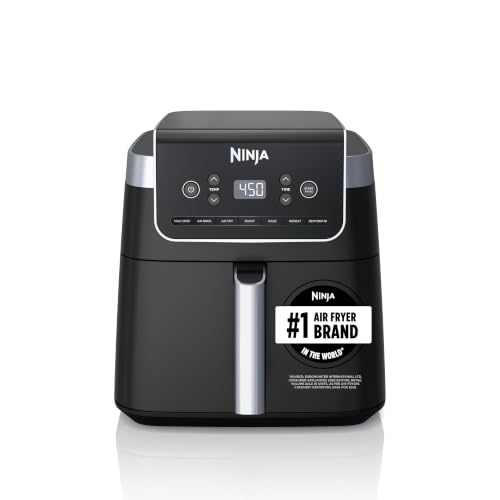
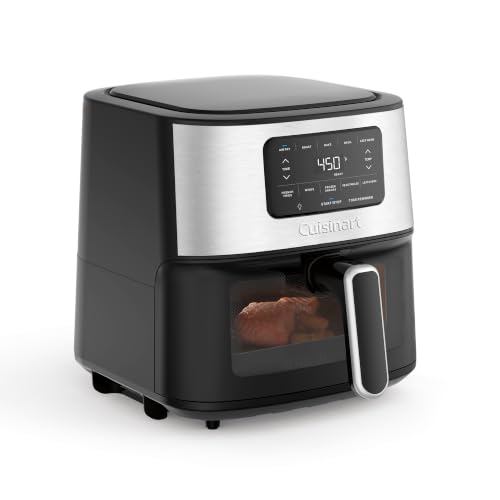


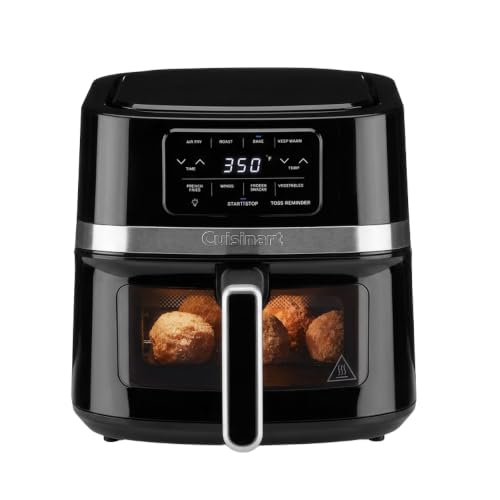


Air Fryers 101: The Basics
An air fryer is a compact countertop convection cooker. A heating element and a powerful fan sit above a perforated basket, and the fan drives hot air around the food at high speed. That moving air does what oven air cannot do at the same pace, which is strip moisture from the surface of the food so it browns and crisps. For chips, that means a crunchy outside and a fluffy inside with only a light coating of oil.
A few terms appear on every listing. Capacity is measured in quarts and tells you how much food fits in the basket. Wattage hints at heating power, with most family models around 1500 to 1800 watts. A preset is simply a stored time and temperature combination for a common food. None of these numbers cooks your chips by itself, but together they predict batch size, speed, and how often you will cook in rounds. If you want the wider category view first, see our guide to the best air cookers for the full range of styles.
Best Air Fryers for Chips: Key Specs Explained in Plain English
Features That Matter for Chips
Chips need fierce, even airflow and room to breathe, so judge models on basket shape and maximum temperature before anything else. A wide, shallow basket beats a tall, narrow one, because chips crisp best in a single layer with space between pieces. Look for a top temperature around 400 degrees Fahrenheit, since chips color properly at high heat. A shake reminder or a pause function that stops the fan when you open the drawer makes mid cook shaking easy, and that one habit improves results more than any preset. A viewing window is nice but optional.
Capacity and Batch Size
Match capacity to appetites, not to the biggest number on the shelf. A 2 to 3 quart model cooks chips for one or two people in one batch. A 4 to 6 quart model suits most families of three to five, holding roughly four portions of chips with enough airflow around them. Larger dual basket models cook chips and a second food at once, which helps on busy nights. Remember that the usable chip capacity is always less than the headline figure, because filling the basket to the brim traps steam and steams the chips instead of crisping them.
Materials and Non Toxic Coatings
Most baskets use aluminum or steel with a nonstick coating, and many shoppers now look for PFAS free coatings or ceramic style finishes for peace of mind. A stainless steel interior on oven style models avoids coatings altogether and scrubs clean easily. Whatever you choose, avoid metal utensils in the basket, wash the coating gently, and replace a basket whose surface is peeling, because flakes in food are never acceptable. Dishwasher safe baskets and crisper plates save real effort, since chip residue and oil films build up quickly. Oven style alternatives are covered in our guide to the best air fryer ovens.
Controls and Ease of Use
Controls come in two flavors. Analog dials are simple and fast, with one knob for temperature and one for time, but they are less precise. Digital panels give exact temperatures, countdown timers, presets, and handy functions such as keep warm and auto shut off when the drawer opens or the timer ends. For chips, precision matters less than visibility, so pick the panel you can read at a glance in your kitchen light. A clear end of cooking signal helps too, because chips left sitting in a hot closed basket soften as steam builds.
Noise and Energy Use
An air fryer sounds like a modest kitchen fan, noticeable but easy to talk over, and most models are quieter than a microwave with its door fan running. Energy use is where the format shines for small batches. Heating a small insulated box to cook chips for fifteen minutes uses far less electricity than heating a full oven for the same job, and your kitchen stays cooler in summer. If you cook chips several times a week, that saving adds up across a year, and the faster preheat saves time on every single batch.
Rookie Mistakes to Avoid
- Overfilling the basket, which traps steam and turns crisp chips soft, no matter how good the machine is.
- Skipping the shake halfway through cooking, so the top layer browns while the bottom layer stays pale.
- Using wet, undried potatoes, since surface water must boil away before any crisping can begin.
- Adding oil sprays with additives that can damage nonstick coatings over time, instead of tossing chips in a spoon of plain oil.
- Buying the smallest size to save money, then cooking every meal in three batches and slowly falling out of love with the appliance.
Getting Started: Setup and First Use
Unbox the fryer on a clear counter with space behind it, because the rear vent blows hot air and needs room. Wash the basket and crisper plate in warm soapy water, dry them well, and run the empty machine for about ten minutes to clear any new appliance smell. Read the manual for the minimum and maximum fill lines and respect them, since they exist to protect both airflow and the heating element. For your first batch of chips, cut them evenly, soak them in cold water for about thirty minutes to remove surface starch, then dry them thoroughly and toss them in a little oil and salt. Preheat when the recipe calls for it, cook, shake at the halfway point, and serve at once. Keep young children away from the hot exterior, and never leave the fryer running while you are out of the house.
Frequently Asked Questions
What features matter most in air fryers for chips?
A wide basket, a maximum temperature near 400 degrees Fahrenheit, and strong airflow matter most. Space between the chips lets moisture escape, and high heat builds the crisp crust before the inside overcooks. A shake reminder and a dishwasher safe basket make the habit easy to keep. Presets and smart extras are pleasant, but they cannot rescue an overcrowded basket.
Are air fryers safe to leave unattended?
No, treat an air fryer like a stovetop pan and stay nearby while it runs. The element reaches high temperatures, and food fat can smoke if a batch cooks too long. Keep the area around the vent clear, plug the unit directly into a wall outlet rather than a light extension cord, and use the auto shut off as a backup rather than a plan. Unplug it when you are done.
Does an air fryer use a lot of electricity?
No, for chips and other small batches it uses notably less electricity than a full size oven. The cooking chamber is small, the preheat takes only a few minutes, and the cook itself is short. A typical model draws around 1500 watts while heating, but it cycles on and off and finishes fast. Your total energy per batch of chips is modest, especially compared with heating a large oven cavity.
How long do air fryers usually last?
A well cared for air fryer commonly lasts about three to five years of regular family use. The fan motor and the basket coating are usually the first parts to show age. Washing the basket gently, avoiding abrasive pads, and keeping grease from building up around the element all extend its life. If the coating starts to peel or the fan rattles loudly, it is time to replace the basket or the unit.
What size air fryer do I need?
Choose by the number of chip portions you cook at once. Singles and couples do well with 2 to 3 quarts, families of three to five with 4 to 6 quarts, and big households or entertainers with a dual basket or oven style model. When in doubt, size up one step, because airflow space is what makes chips crisp, and a slightly larger basket gives you that space without forcing a second batch. Retail shoppers can compare sizes in our guide to the best air fryers walmart.
Is an air fryer worth buying?
Yes, if chips, roasted vegetables, and reheated leftovers feature in your week. It replaces the oven for small batches, cooks faster, and turns out chips with a fraction of the oil of deep frying. It is less worthwhile if you rarely cook for fewer than six people or have no counter space to spare. For most households, the first month of quick weeknight batches settles the question in its favor. Comparison shoppers may also enjoy our overview of the best reviewed air fryers for a second opinion on popular styles.
Wrapping Up
For chips, three things decide your results: a wide basket with room for a single layer, high heat around 400 degrees Fahrenheit, and the simple habit of shaking the basket halfway through. Size the machine to your household, and the rest is preference. The product table above gathers the models that meet those basics. Pick the right best air fryers for chips for your counter and your family, dry your potatoes well, and dinner gets easier from the very first batch.