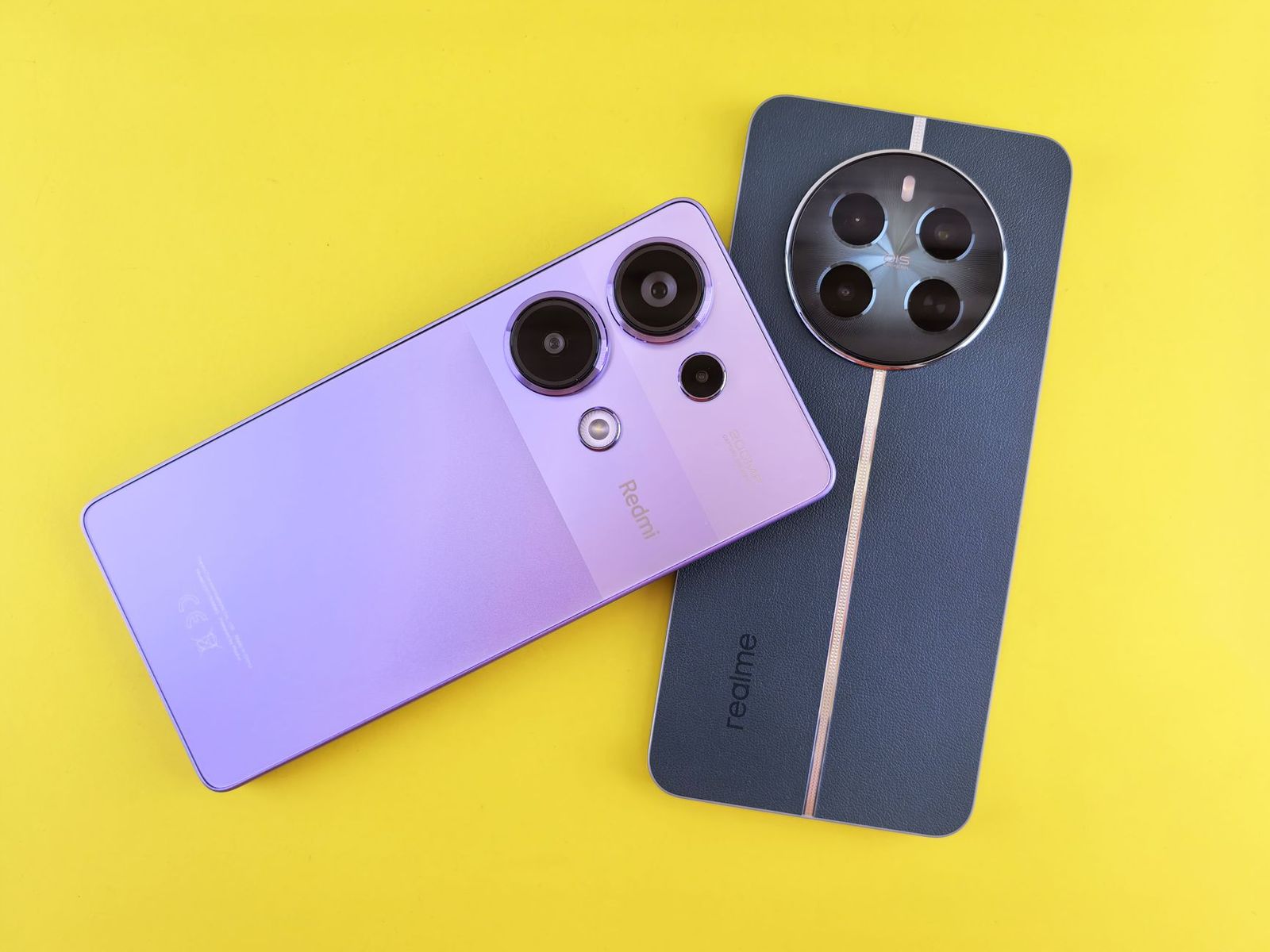
Best Ai for Android Phones 2026: Features, Privacy and Phones to Compare
Disclosure: We may earn a commission when you buy through links on this page, at no extra cost to you. As an Amazon Associate I earn from qualifying purchases. Learn more

The best ai for android phones explained: photo help, voice, battery and privacy choices, and which phones carry them.
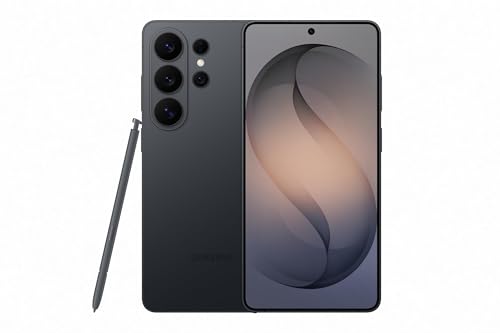
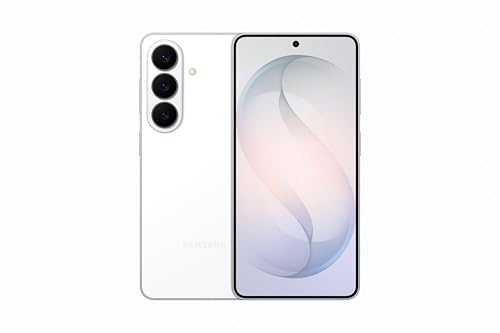
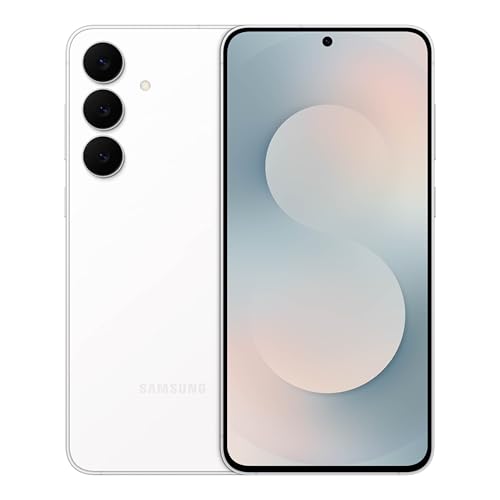
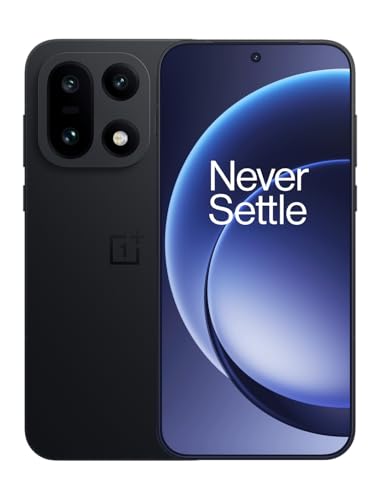
Understanding best ai for android phones starts with what phone AI actually does day to day. On modern Android phones, AI helps with photos, voice typing, call screening, translation, and battery management, often quietly in the background. The comparison table below lists phones that carry these AI features.
Not every AI feature matters equally, so focus on the ones you will use weekly. Photo editing and voice help matter to many people, while advanced writing tools matter less if you rarely draft long texts on your phone. Battery and privacy settings also shape how useful AI feels over time.
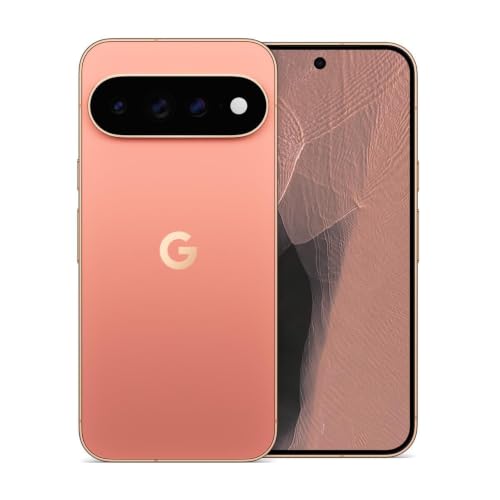
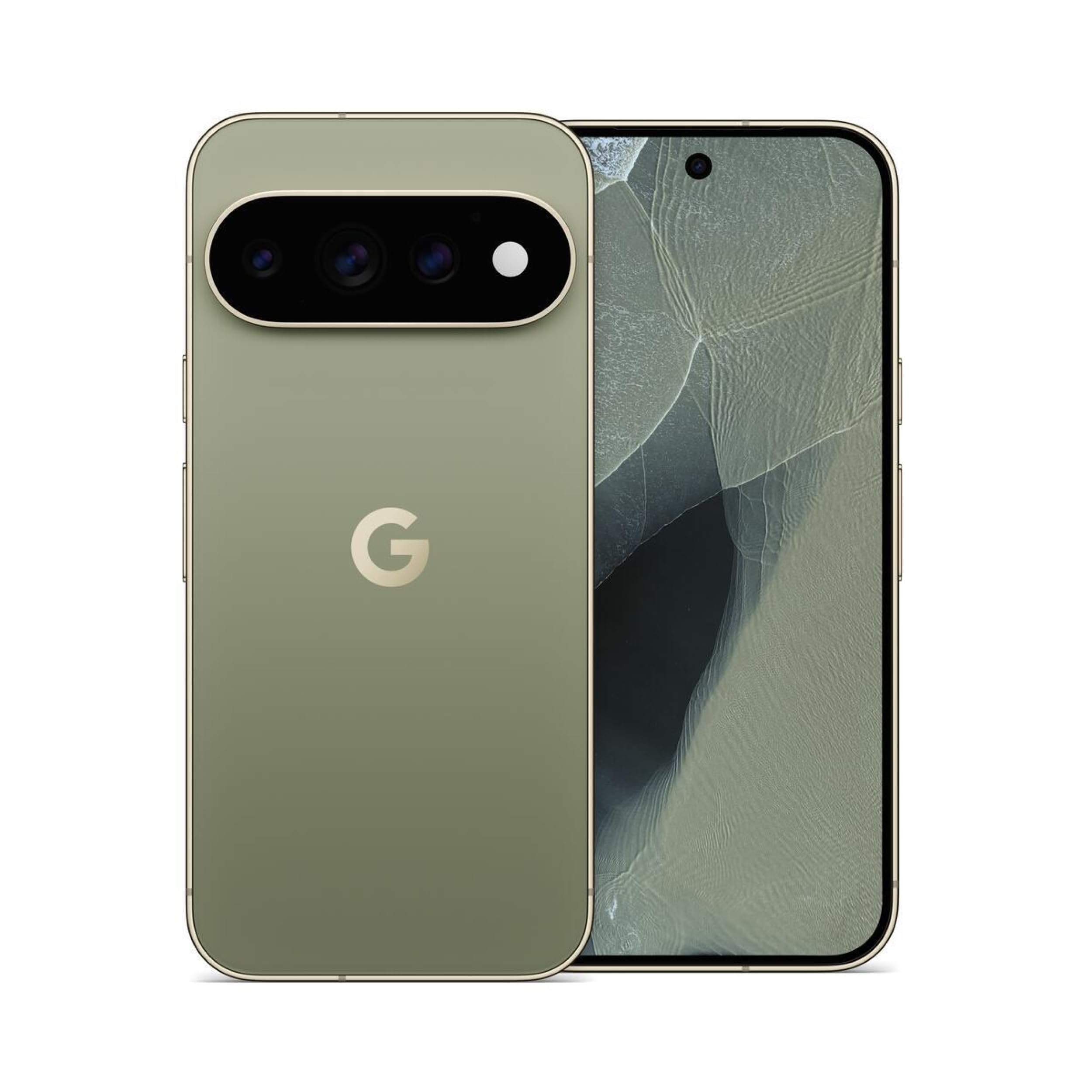
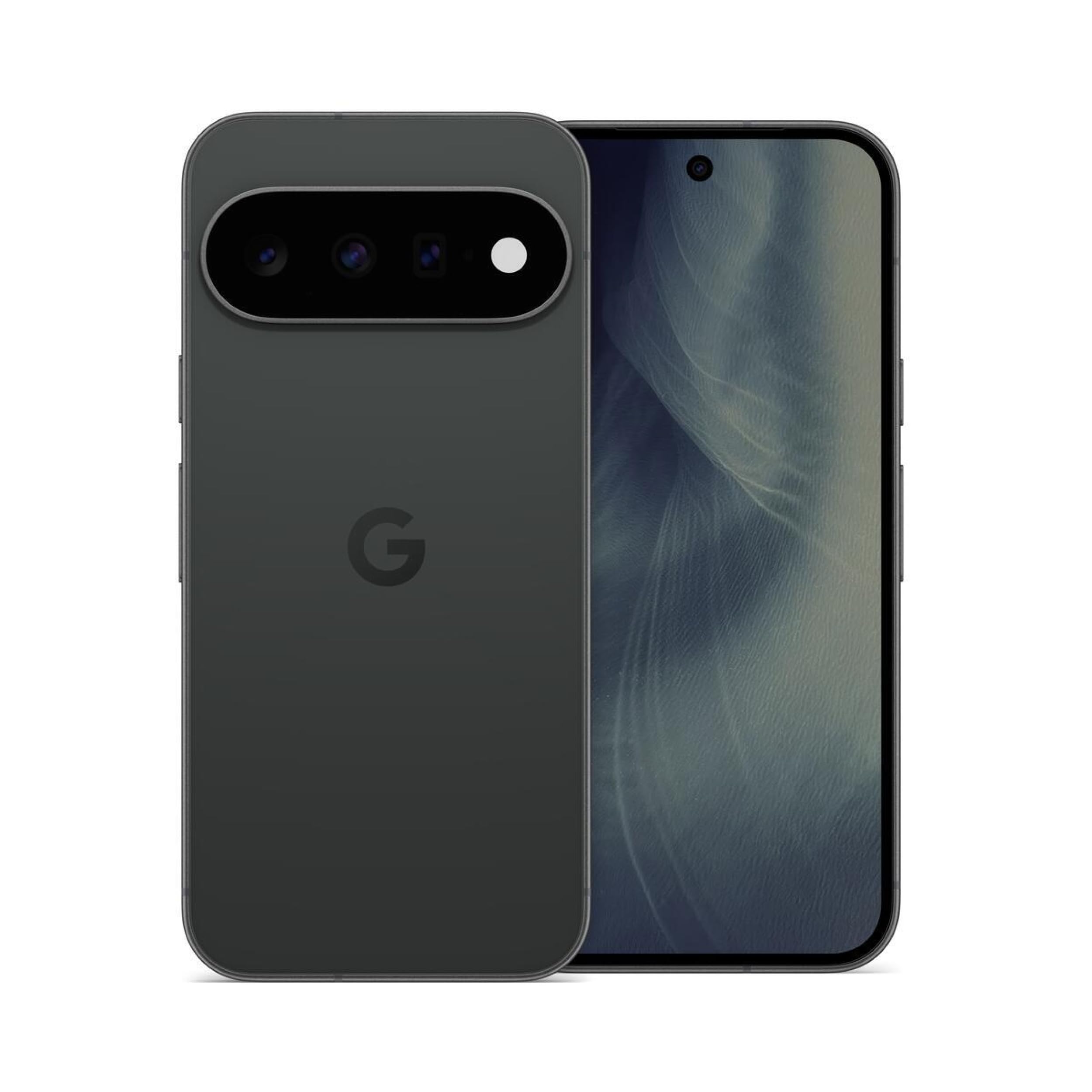

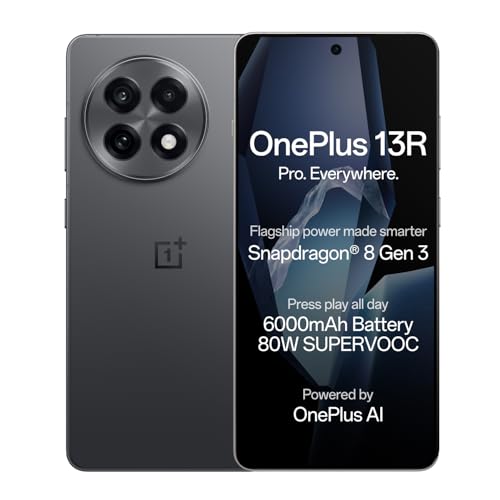

This guide explains AI features, hardware needs, and privacy choices in plain terms. You will learn which features need newer chips, which work on older phones, and how to check privacy settings before you rely on AI tools.
Who Should Buy This Type
These phones suit people who want smarter photos, faster typing, and helpful automation without learning complex settings. They work well for busy users who take many photos, manage messages on the go, and want longer battery life from smarter power use. If you already use voice assistants, AI phones feel natural.
They are less suited to people who prefer simple phones or strict privacy with no cloud processing. Some AI features send data to servers, while others run on the device. Check privacy settings and offline options if data handling matters to you, and choose a phone that matches your comfort level.
Key Features That Matter Most
Photo AI: Photo AI helps with night shots, portrait blur, object removal, and scene recognition. It can rescue a dark photo, but it can also over smooth skin and change colours. Check whether edits stay on the device and whether original photos are kept alongside edited versions.
Voice and typing: Voice typing, live captions, and call screening save time for many users. Accuracy varies with accent, background noise, and language support, so test these features in your daily settings. Offline voice options work without a connection but may support fewer languages.
Battery AI: Battery AI learns your routine and limits background apps to extend daily life. It helps most when your routine is regular, and less when your schedule changes daily. Check battery settings to see which apps AI restricts, since over aggressive limits can delay messages.
Privacy controls: Privacy controls decide whether AI processing runs on the device or in the cloud. On device processing keeps data local, while cloud processing may offer stronger features. Check permissions, data retention, and whether you can turn individual AI features off without losing basic phone functions.
Types and Options Compared
AI on Android comes as on device, cloud assisted, and camera focused features, and each suits a different user. On device AI works offline and keeps data local. Cloud assisted AI offers stronger language and editing tools but needs a connection. Camera focused AI suits photographers who want better photos with little effort.
- On device AI for offline use and local privacy.
- Cloud assisted AI for stronger language and editing.
- Camera focused AI for better photos with little effort.
- Assistant AI for voice control and daily automation.
Fit, Size, and Everyday Setup
Set up AI features gradually, starting with photos and voice, then adding automation as you learn them. Check permissions for each feature, and turn off tools you do not use to save battery and reduce data sharing. Keep the phone updated, since AI features improve with software updates.
Test AI features in your real routine, including noisy rooms, low light, and weak signal. A feature that works well in a demo may struggle in daily use, so give it a week before judging. Note which features you actually use, and disable the rest to keep the phone simple.
Budget and Long Term Value
Android phones with strong AI often range from about $300 to $900, with newer chips and longer update support at higher prices. Mid range phones now include many useful AI features, so a flagship is not always needed. Compare update length, since AI features improve over years of software support.
Value comes from features you use weekly, not from a long feature list. A mid range phone with good photo AI and battery management may serve better than a flagship whose extra tools stay unused. Check update promises and storage, since AI features and photos use space over time.
You may also find these related guides useful as you compare options: best performing android phones, best inexpensive android phones.
Care and Maintenance
Keep the phone updated and review AI permissions after major updates, since settings can change. Clear photo and app caches occasionally to free space, and back up photos before trying bulk AI edits. Use a case and screen protector, since AI features cannot fix a cracked screen.
Manage battery health by avoiding constant full charges and extreme heat. AI battery tools help, but habits matter too, including screen brightness and background app use. Restart the phone weekly if AI features feel slow, since a fresh start often clears temporary issues.
Common Mistakes to Avoid
A common mistake is buying for AI features you will never use, while ignoring battery life and update support. Another is assuming all AI runs on the device, when some features send data to the cloud. Read privacy settings before relying on AI tools for sensitive photos or messages.
Skipping update length is another trap, since AI features improve with software support. A phone with short updates may lose new AI tools quickly. Check update promises, storage, and real world battery life before ordering, not just the launch feature list.
Using Phone AI Without Losing Control
Phone AI works best when you choose which features run and which stay off, since every enabled tool uses battery, storage, and sometimes data, and a phone full of unused AI features feels slower without helping you. Start with one or two tools you will actually use, such as photo cleanup or voice typing, and disable the rest until you have a reason to try them. Check permissions after each major software update, because updates can reset or expand what an AI feature can access, and a quick settings review keeps your choices intact. If a feature starts behaving unexpectedly, turning it off and on again, or clearing its cache, often fixes the issue without a full reset.
Battery life often improves when unused AI tools are disabled, since background processing, photo analysis, and always listening features draw power even when you are not using them. Check battery usage by app and feature, and limit the tools that drain power without clear benefit to your routine. Storage matters too, because AI photo edits, voice models, and cached suggestions accumulate over months, so delete old edited copies and unused language packs occasionally. A tidy phone with a few well chosen AI tools usually feels faster and more reliable than a phone running every available feature at once.
Frequently Asked Questions
What does AI actually do on Android phones?
AI helps with photos, voice typing, call screening, translation, and battery management, often in the background. It can improve night photos, transcribe speech, and limit background apps to save power. Some features run on the device, while others need a cloud connection. Focus on the features you will use weekly, rather than a long launch list.
Does AI need an internet connection?
Some AI features run on the device and work offline, including basic photo edits and voice typing in supported languages. Stronger language tools, cloud photo editing, and live translation often need a connection. Check which features work offline before buying, especially if you travel or have weak signal. Offline options vary by phone and language.
Is phone AI private?
Privacy depends on whether processing runs on the device or in the cloud, and on the permissions you grant. On device processing keeps data local, while cloud processing may store data for improvement. Check AI permissions, data retention settings, and whether you can turn features off individually. Choose a phone whose privacy controls match your comfort level.
Do I need a flagship phone for good AI?
Not always, since many mid range Android phones now include useful photo, voice, and battery AI. Flagships offer stronger chips and longer update support, which helps AI improve over time. Compare the specific features you use, update length, and battery life rather than price alone. A mid range phone often covers daily AI needs well.
Will AI features improve over time?
Yes, if the phone receives regular software updates, since makers add and refine AI tools over years. Update length matters, so check how many years of updates the phone promises. Some features may need newer hardware and never arrive on older models. Choose a phone with a long update promise if future AI tools matter to you.
Final Thoughts
Good phone AI helps with photos, voice, and battery life without adding complexity. Use the product table above to compare phones, then check privacy settings and update length before buying. Features you use weekly matter more than a long list of extras.
In short, best ai for android phones should make daily tasks easier, keep your data handling clear, and stay useful through software updates. Pick the phone whose AI fits your routine, and turn off the tools you do not need.