
Best Aftermarket Motorcycle Speakers: Budget, Midrange, and Premium Options for 2026
Disclosure: We may earn a commission when you buy through links on this page, at no extra cost to you. As an Amazon Associate I earn from qualifying purchases. Learn more

See how the best aftermarket motorcycle speakers differ by budget, from handlebar pods to full fairing systems, with tips on power, fit and weatherproofing.
Motorcycle audio prices run from around $60 for a simple handlebar pod set to well over $800 for a full fairing system with its own amplifier, and the price gap hides real differences in volume, clarity, and weather resistance. Wind and exhaust noise punish weak speakers, so money spent in the wrong place buys you distortion at highway speed. This guide sorts the best aftermarket motorcycle speakers by budget, showing what each tier delivers and where spending more genuinely helps.
You will learn how speaker size, power handling, and mounting style interact with your bike, and which features survive real road conditions. The comparison table below collects the main options in one view. After it, each section explains how to match a tier to your riding, from short city trips to long highway days.

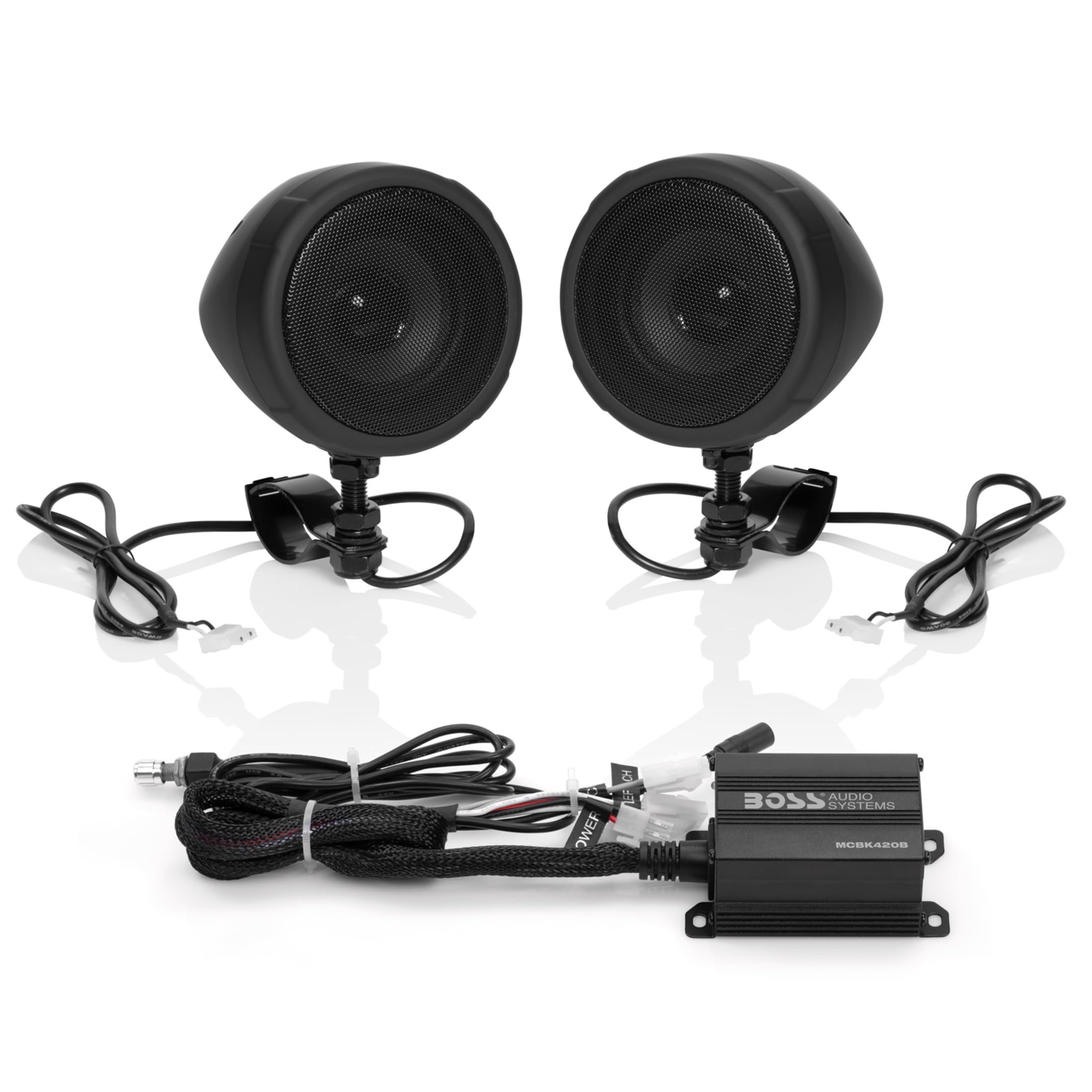

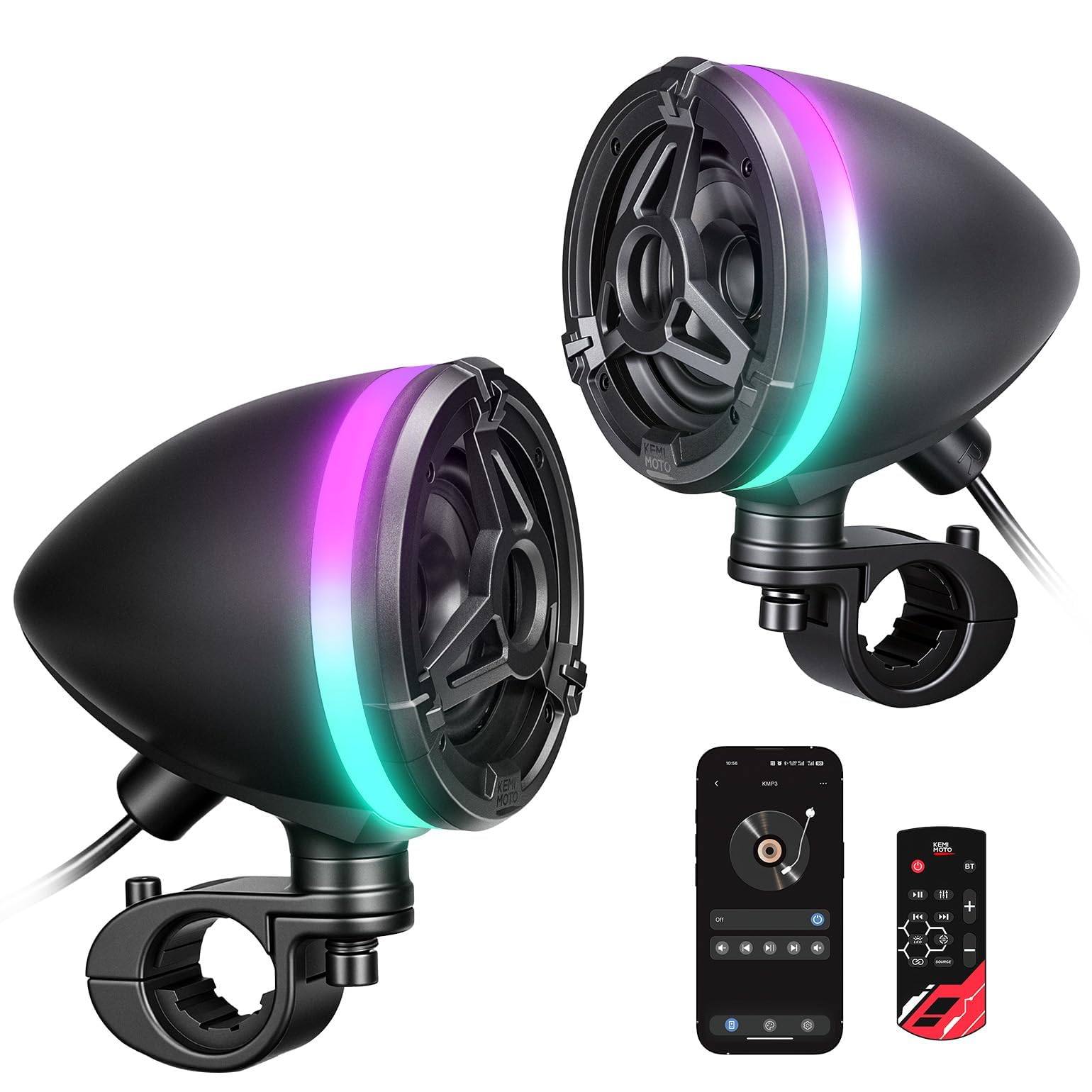
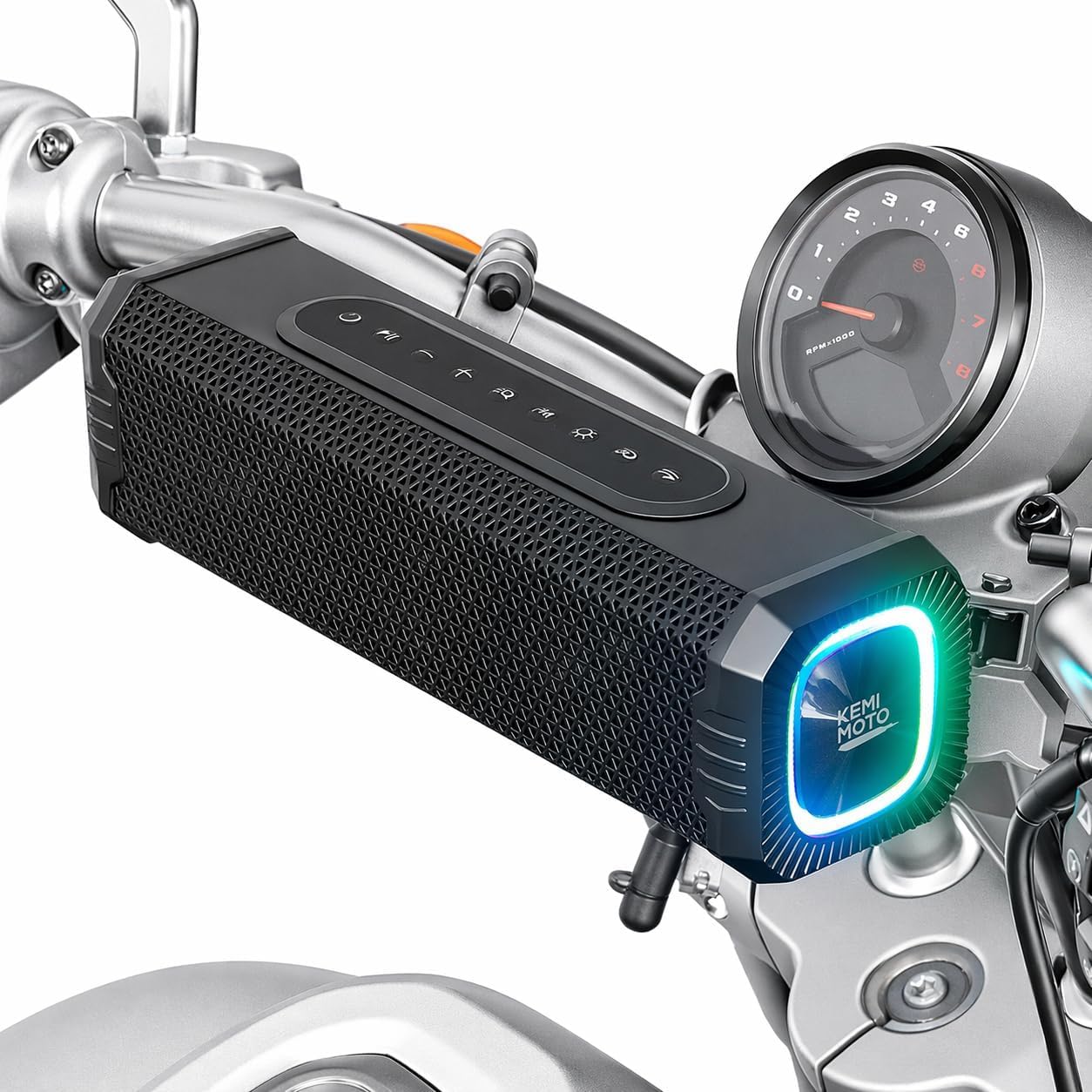


Choosing by Budget Tier
Instead of naming specific models, this section profiles the kind of system that makes sense at each budget. Match the profile to the listings in the product table above, then confirm fit for your handlebar, fairing, or saddlebags before you order.
Budget Tier
A budget setup, around $60 to $150, usually means a pair of self contained handlebar or mirror mount pods with a small built in amplifier and Bluetooth input. Volume is fine around town and at moderate speeds, and installation takes an afternoon with basic tools. Expect limited bass, since small enclosures cannot move much air, and plan on hearing mostly midrange and treble at highway pace. For a solo rider who wants music and navigation prompts on short rides, this tier is a sensible start.
Midrange Tier
The midrange, around $150 to $400, brings larger drivers, a separate amplifier with real power, and better weather sealing. Fairing speakers in this tier play clearly at highway speed without the harsh edge that tires your ears on a long day. Wiring quality improves too, with proper connectors instead of bare splices. If your bike has a fairing, this is the tier where a speaker upgrade sounds like a system rather than an accessory, especially when paired with the options in our guide to the best motorcycle speakers.
Premium Tier
Premium systems, around $400 to $900 and beyond, combine high output component speakers, a multichannel amplifier, and digital signal processing that tunes the sound for open air listening. You get volume with headroom, so the music stays clean instead of straining, plus lids and fairing pods molded for specific bikes. The limits are cost and installation effort, since fairings come apart and wiring runs get long. Tourers who ride hours at a stretch will hear where the money went.
What Your Money Gets You at Each Price Tier
Budget Tier: What to Expect
Budget money buys convenience: clamp on pods, a handlebar control, and Bluetooth pairing with your phone. Sound is tuned bright to cut through wind at low speed, and weather resistance is usually splash proof rather than fully sealed. Battery draw is small because the amplifiers are modest. The honest expectation is enjoyable audio up to moderate speeds, with wind taking over after that. Riders who mostly commute or cruise local roads will find this tier covers their needs without wiring projects.
Midrange Tier: The Sweet Spot for Most Buyers
Midrange systems earn their price with power and driver size. A proper amplifier rated honestly in watts RMS lets speakers play loud without clipping, and larger cones add the lower midrange body that makes voices and guitars sound natural. Sealing improves to ratings that shrug off rain, and mounting hardware fits common fairings and bars properly. For most riders who tour on weekends, this tier gives the best balance of clarity, durability, and cost, and it leaves room in the budget for a good helmet for quieter miles.
Premium Tier: When Spending More Pays Off
Spending more pays off when you ride long highway distances, carry a passenger who also wants to hear the music, or own a bagger with factory speaker locations ready for serious drivers. Processing that compensates for wind noise, high efficiency drivers, and amplifiers with clean headroom all cost money to build well. Premium kits also tend to include bike specific harnesses, which saves hours of splicing. If your riding is mostly short hops, this tier is more system than you need.
Features Worth Paying For (and Ones to Skip)
Sound Quality and Tuning
On a motorcycle, clarity beats deep bass, because wind masks low frequencies first. Look for speakers with strong midrange output and a frequency response that stays composed up to high volume, rather than chasing the lowest bass number on the box. A larger driver, around 6.5 inches in a fairing, generally sounds fuller than a small pod. Basic tone controls or a simple equalizer in the amplifier help you trim harshness, which matters more on the road than studio style tuning.
Durability and Water Resistance (IP Rating)
Your speakers live outdoors, so water resistance is not optional. An IPX4 rating handles splashes, while IP65, IP66, and IP67 ratings indicate real protection against driven rain and washing. Marine grade language on a listing is a good sign, as are sealed cones, rubber surrounds, and corrosion resistant grilles. Pay for sealing before you pay for styling, because one wet amplifier ends the music for good. Riders comparing car audio standards can see similar ratings discussed in our guide to the best aftermarket speakers for car, though bikes need even tougher sealing.
Ecosystem and App Features
App control and firmware updates are worth a little money when they add a proper equalizer, source switching, and diagnostics. They are worth nothing when the app exists mainly to sell you extras. Check that the system still works fully from its physical controls if your phone dies, because gloves and rain make phone control awkward. Handlebar mounted remotes with large buttons are a genuinely useful feature at this tier, far more than animated lighting.
Connectivity (Bluetooth Version, Codecs, Wired)
Bluetooth 5.0 or newer gives a stable connection and better range when your phone sits in a saddlebag. Codec support such as AAC or aptX can sharpen detail at low volume, though wind noise hides fine differences at speed, so do not pay a premium for codecs alone. A wired auxiliary input is worth having as a backup and for older devices. Riders who prefer audio inside the helmet instead should look at our guide to the best motorcycle helmet speakers for a different approach to the same problem.
Noise Cancellation and Isolation
Speakers cannot cancel wind noise the way sealed headphones do, so treat any noise cancelling claim for open air speakers with skepticism. What actually helps is volume headroom, a fairing or windshield that moves air over your ears, and speaker placement aimed at the rider. Some premium amplifiers raise volume automatically as speed increases, which is a practical form of compensation. Spend on placement and power first, and let marketing terms about cancellation go.
Long Term Costs to Factor In
Plan for installation costs if you are not wiring the system yourself, since fairing work at a shop can rival the price of a midrange kit. Add budget for a wiring harness, speaker adapters for your specific bike, and possibly a battery upgrade if you add a large amplifier to an older charging system. Weather wears connectors over seasons, so dielectric grease and an occasional inspection are cheap insurance. Finally, consider theft and exposure: removable pods stored indoors between rides last longer than gear that lives outside all year.
Frequently Asked Questions
Is ANC worth the extra cost?
For open air motorcycle speakers, active noise cancellation is not worth extra cost, because there is no sealed space around your ear for the technology to work in. The money serves you better as amplifier power and wind management from a screen or fairing. If quiet is your priority, earplugs designed for riding cut wind roar while letting music and traffic sounds through, and they cost very little compared with any speaker upgrade.
How long does the battery last?
Most motorcycle speaker systems draw power from the bike battery rather than a built in cell, so runtime is effectively unlimited while you ride. The real question is draw when parked: a system that stays awake can drain a small motorcycle battery in days, so wire it to switched power or use its auto off feature. Portable Bluetooth pods with their own batteries typically run about 8 to 15 hours per charge, depending on volume.
Wired or wireless: which sounds better?
A wired connection sounds marginally cleaner, because it avoids Bluetooth compression, but at road speeds wind noise hides that difference almost completely. Wireless wins on convenience, letting your phone stay in a pocket or bag with navigation prompts mixed into the music. Many riders use both: Bluetooth day to day, and a wired input for a passenger media player or a backup on long trips. Choose based on how you ride, not on small lab differences.
What IP rating do I need for outdoor use?
Aim for at least IPX5 on speakers and controls if you ride in rain, and IP65 or higher if the bike lives outside or you wash it with a hose. IP67 means the part can survive brief immersion, which is more than rain demands but signals thorough sealing. Check the amplifier rating separately, since amplifiers are often less sealed than speakers and should mount in a dry spot such as under a seat or inside a fairing.
Do I need a special codec?
No special codec is required for enjoyable motorcycle audio. Standard Bluetooth audio sounds fine through wind and a helmet, and support for AAC or aptX is a small bonus rather than a reason to upgrade. Spend first on fit, sealing, and clean power. If phone free riding appeals to you, our guide to the best motorcycle bluetooth speakers focuses on wireless first options, and the wider best aftermarket speakers overview covers other vehicle types.
Final Thoughts
Decide by riding style: budget pods for local trips, a midrange amplified system for touring, and premium component kits for long highway days with a passenger. Prioritize fit for your bike, honest power, and real weather sealing over styling extras. With those three checks, the best aftermarket motorcycle speakers for your budget are waiting in the product table above, ready to turn road noise into a soundtrack.


