
Best Aftermarket Fuel Pumps 2026 for Home and Daily Use
Disclosure: We may earn a commission when you buy through links on this page, at no extra cost to you. As an Amazon Associate I earn from qualifying purchases. Learn more

Learn how to choose best aftermarket fuel pumps for replacement fuel delivery for a vehicle or equipment. Compare key features, fit, and care tips before you.
Shopping for best aftermarket fuel pumps can feel crowded, because many models look similar at first glance. This guide focuses on replacement fuel delivery for a vehicle or equipment, so you can judge each option by how it will work in your own home, car, or daily routine. The comparison table below can help you line up the main choices side by side before you read the detail that follows.
Start by naming your main job for this fuel pump. The right choice usually balances price, comfort, and durability for your own routine. When you know the job, the features that matter become clearer, and the extras that add little value are easier to set aside. A lower price can be good value when the core fit is right, and a higher price is only worth it when it improves something you will use often.


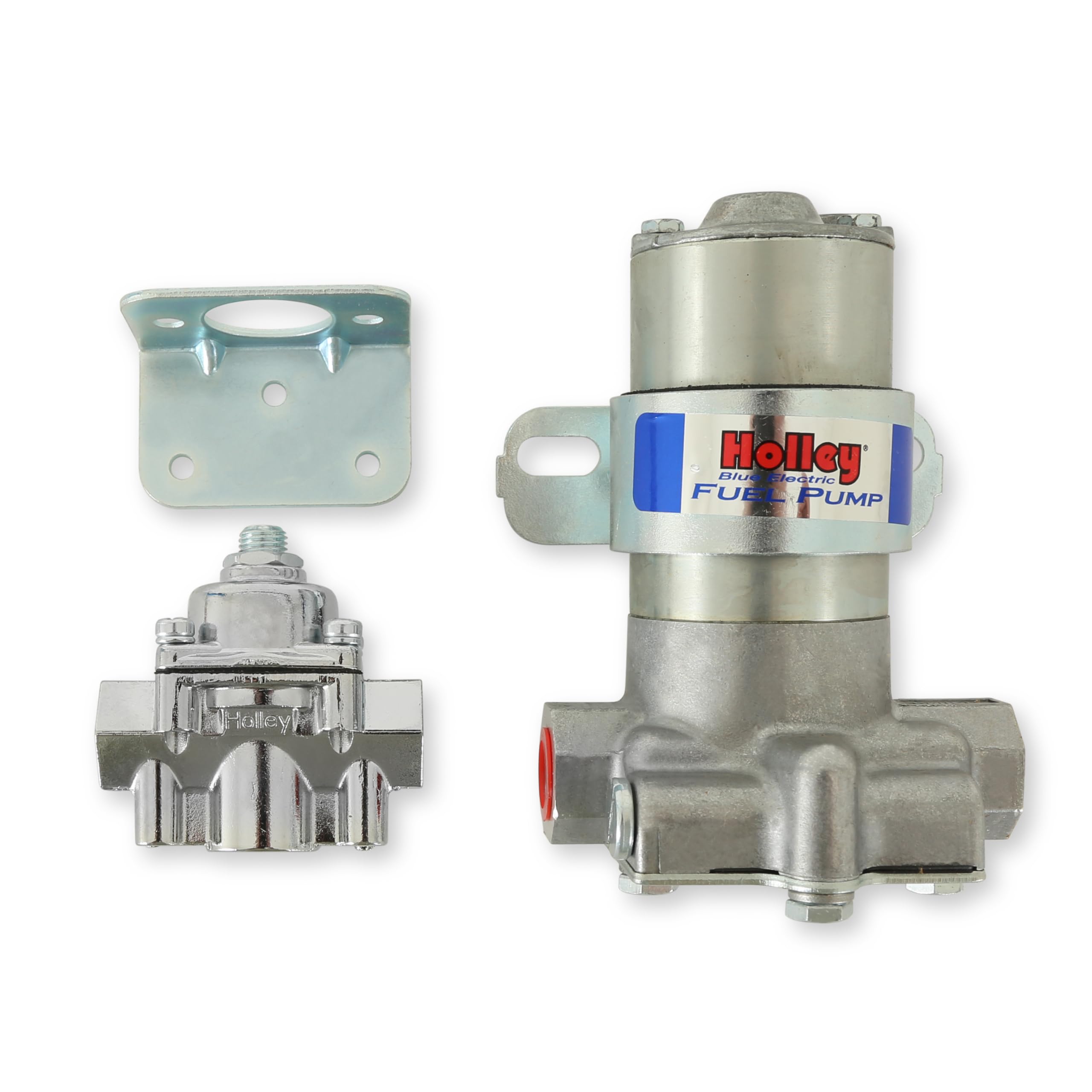

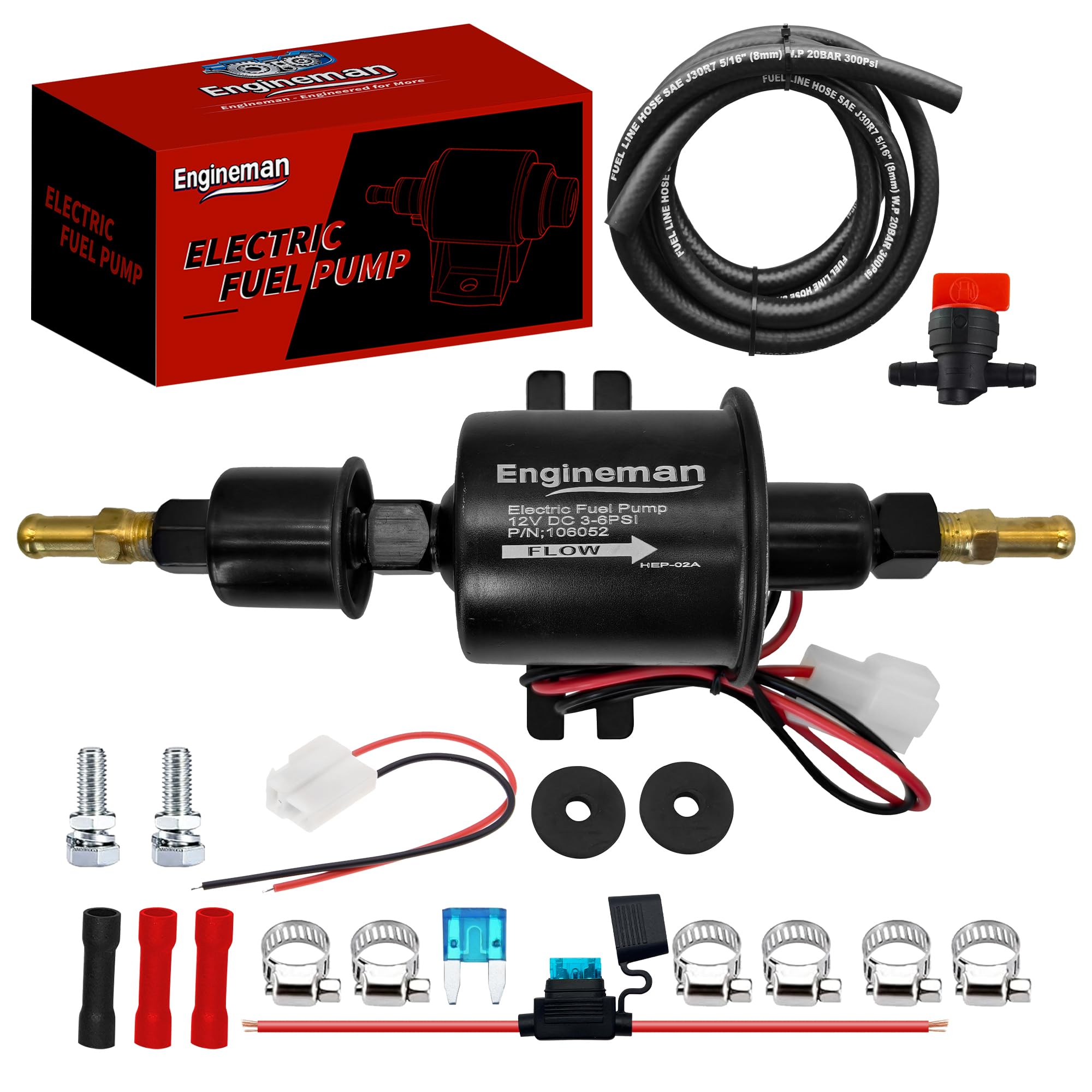

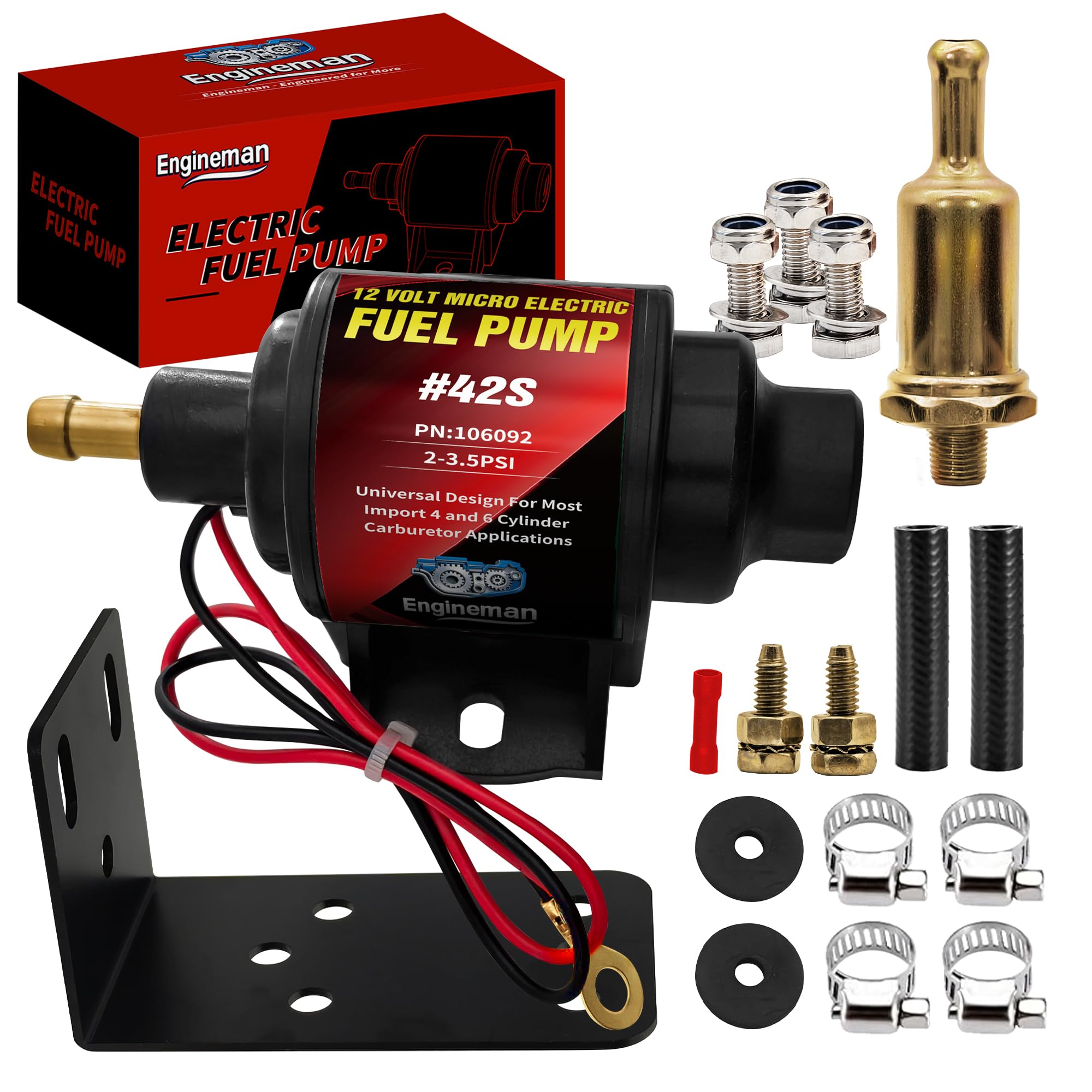


In the sections below, you will find who this type of fuel pump suits, the features to compare, and practical checks for fit, setup, and care. Use them as a short checklist, and take your time with the final choice. A careful purchase is usually more satisfying than a quick one, especially when the product will be used every day.
Who Should Buy This Type of Fuel Pump
This type of fuel pump suits owners replacing a worn pump or restoring fuel delivery. It also suits buyers who want a straightforward option that does the main job well, without paying for features they will rarely touch. If your routine is simple and steady, a well chosen basic model can serve you well for a long time.
Think about how often you will use it, where it will live, and who else will use it. Shared use calls for easy controls and durable build, while personal use may allow a closer fit to one set of preferences. Confirm exact vehicle fit and pressure needs and seek professional fitting where unsure.
Key Features to Compare
When you compare models, look first at flow and pressure rating, vehicle fit, fuel type compatibility, connector type, durability. These points affect daily comfort and long term satisfaction more than a long list of minor extras. Read maker descriptions carefully, and check measurements rather than relying on photos alone.
Make a short list of three features you will not compromise on, and two features you can live without. That list keeps the search focused and helps you compare models fairly. It also makes it easier to spot a model that looks strong on paper but misses a feature you need every day.
If you are comparing nearby options, our guide to best fuel pumps covers a related choice that may suit a different room, routine, or budget. Read it alongside this guide to see how the two types differ in everyday use.
How to Choose the Right Fit
Fit is more than size alone. It includes how the fuel pump feels in use, how it connects or sits in your space, and how easy it is to adjust. Take measurements, check compatibility, and read the return terms before you order, so a poor fit does not become a costly mistake.
A useful test is to picture a normal day with the product in place. Walk through setup, daily use, cleaning, and storage in your mind. If any step feels awkward or unclear, look for a model that handles that step more simply. Good design usually shows up in these small daily moments.
If you are comparing nearby options, our guide to best electric fuel pumps covers a related choice that may suit a different room, routine, or budget. Read it alongside this guide to see how the two types differ in everyday use.
Setting Up and Getting Started
Set aside time for a calm first setup, and follow the maker guide step by step. Check all parts, charge or connect as directed, and test the main functions before you rely on the product for an important task. A slow start often prevents later frustration and helps you learn the controls properly.
If setup needs tools, wiring, or fitting to a vehicle or home system, and you are unsure, ask a qualified professional for help. Safety and correct fitting matter more than saving a small amount of time. Keep the guide and receipt in a safe place for future reference.
Care, Maintenance, and Long Term Use
Regular care keeps a fuel pump working well and looking tidy. Follow the maker guide, replace filters as advised, and never work near open flames. Small habits, such as cleaning after use and storing the product properly, often matter more than occasional deep cleaning.
Watch for early signs of wear, such as loose parts, reduced performance, or unusual noise, and act early rather than waiting for a failure. Replace worn parts with compatible parts, and follow the maker advice for cleaning products and methods. Gentle, regular care usually protects both performance and appearance.
If you are comparing nearby options, our guide to best fuel transfer pumps covers a related choice that may suit a different room, routine, or budget. Read it alongside this guide to see how the two types differ in everyday use.
Mistakes to Avoid
One common mistake is choosing by price alone, without checking fit and core features. Another is buying a model built for a different job, such as a heavy duty option for light use, or a light option for demanding daily use. Match the product to your real routine, not to an imagined one.
Avoid rushing the final step. Compare two or three realistic options, check measurements and compatibility once more, and confirm the warranty and return terms. A short pause before ordering often saves time, money, and disappointment later.
If you are comparing nearby options, our guide to best quality pumps covers a related choice that may suit a different room, routine, or budget. Read it alongside this guide to see how the two types differ in everyday use.
A Final Check Before You Order
Before you order, run through a final checklist. Confirm the size and fit, the main features you need, the total cost including any needed accessories, and the delivery or fitting plan. Check that the product suits your space, your routine, and the people who will use it.
If you still feel unsure between two models, choose the one that fits your daily routine best, not the one with the longest feature list. The product table above can help you compare the main points at a glance, and a clear choice now usually leads to happier use later.
Frequently Asked Questions
How do I know if best aftermarket fuel pumps will fit my needs?
Start with your main daily task and the space or system where the fuel pump will be used. List the features you need every day, then check measurements, compatibility, and controls against that list. A model that covers your daily needs well is usually a better choice than a model with many extras you will rarely use. If a key detail is unclear, check the maker guide or ask the seller before ordering.
What features matter most for best aftermarket fuel pumps?
The features that matter most are the ones tied to daily use, such as flow and pressure rating, vehicle fit, fuel type compatibility, connector type, durability. Focus on comfort, durability, and ease of use first, and treat minor extras as a bonus rather than a deciding factor. Compare two or three models on the same points, and note any trade offs in size, weight, or setup. That side by side view makes the choice clearer.
How much should I expect to spend on best aftermarket fuel pumps?
Prices vary with size, build, and features, so set a budget range before you shop and stay close to it. A mid range model often covers everyday needs well, while a lower priced model can work when the core fit is right. Allow for any needed accessories in your total, and check warranty and return terms. Spending a little more can make sense only when it improves something you will use often.
How do I care for best aftermarket fuel pumps after I buy it?
Follow the maker guide for cleaning and storage, and build small habits into your routine. Check for wear from time to time, and replace worn parts with compatible parts. Gentle, regular care helps the product stay comfortable and reliable, and it can extend its useful life without much extra effort.
When should I seek professional help with best aftermarket fuel pumps?
Seek professional help when setup involves wiring, gas, vehicle systems, or any step you do not understand fully. Also talk with a clinician or qualified professional if the product relates to health, pain, or safety and you notice warning signs, worsening symptoms, or uncertainty about suitability. A short professional check can prevent a poor fit and give you confidence in your final choice.
Final Thoughts
Choosing best aftermarket fuel pumps well comes down to fit, core features, and honest daily use. The product table above gives a quick comparison, while the sections in this guide explain how to judge each option for your own routine. Take your time, check the details that matter most to you, and choose the model you will enjoy using day after day. If you have health or safety questions, talk with your clinician or a qualified professional before you decide.


