Best Afib Monitors: What Actually Matters Before You Buy in 2026
Disclosure: We may earn a commission when you buy through links on this page, at no extra cost to you. As an Amazon Associate I earn from qualifying purchases. Learn more

The best afib monitors fit your routine with clear alerts, comfortable wear, and reports you can share with a clinician.
Shoppers looking for the best afib monitors usually want a simple way to keep an eye on heart rhythm between clinic visits. These devices range from wrist wearables that check rhythm in the background to arm cuff monitors that add a rhythm check during a blood pressure reading. This guide explains the features that matter, the limits you should understand, and the questions to ask before you buy. Use the product table to narrow the field before you compare details.
An afib monitor is a screening and tracking aid, not a diagnosis on its own. Its readings are estimates, and any result that suggests an irregular rhythm, or any symptom that worries you, should be discussed with a clinician promptly. With that limit in mind, the right device is the one you will actually wear or use regularly, with alerts you understand and reports you can share easily.




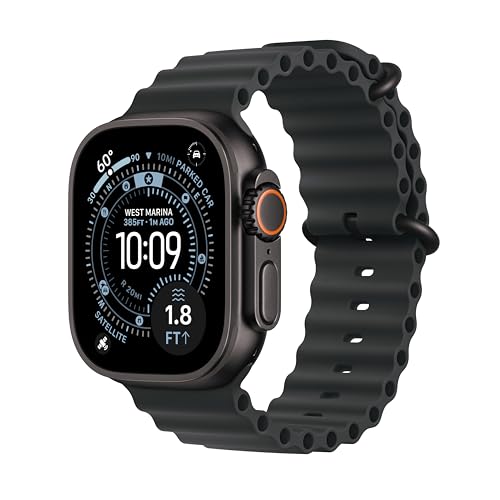
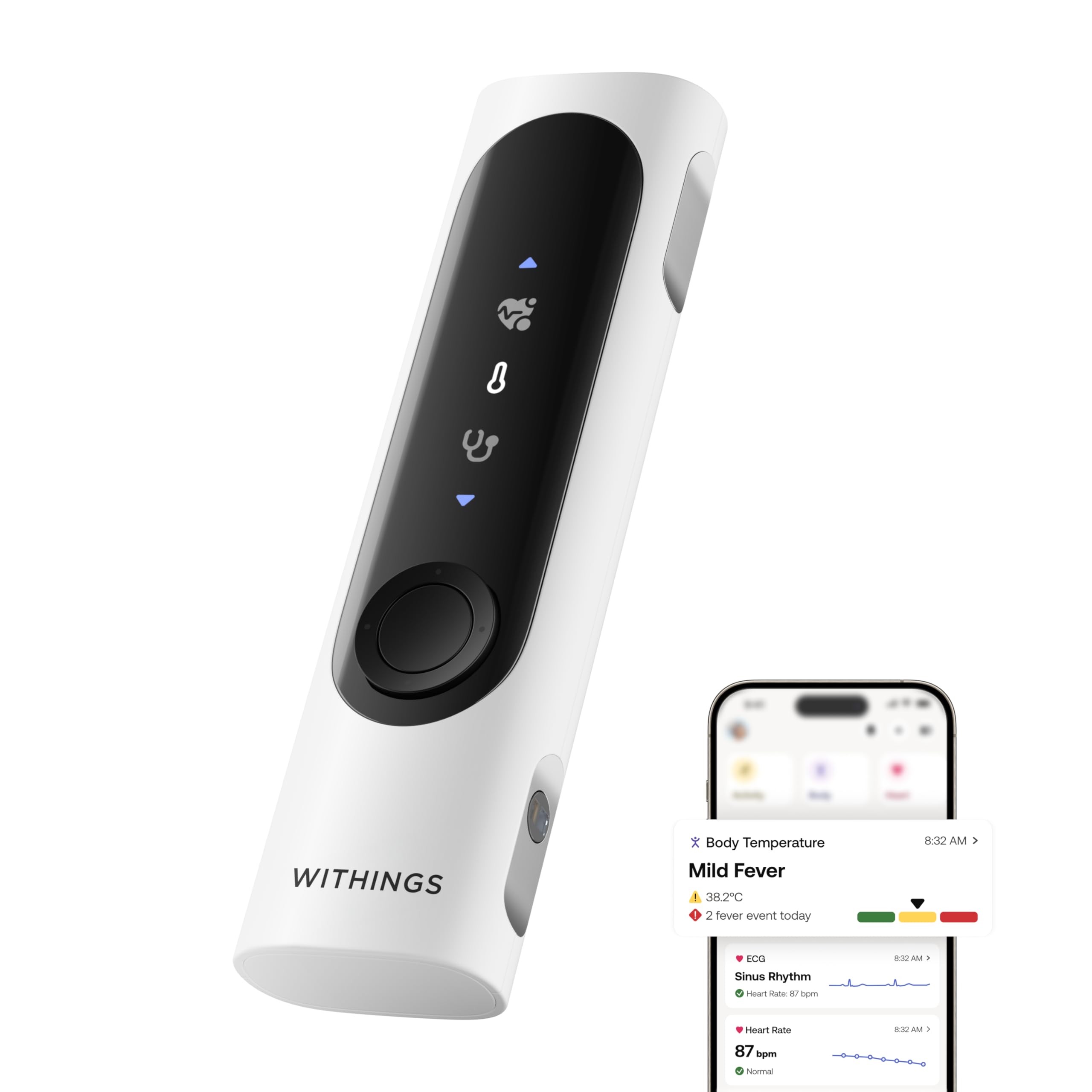
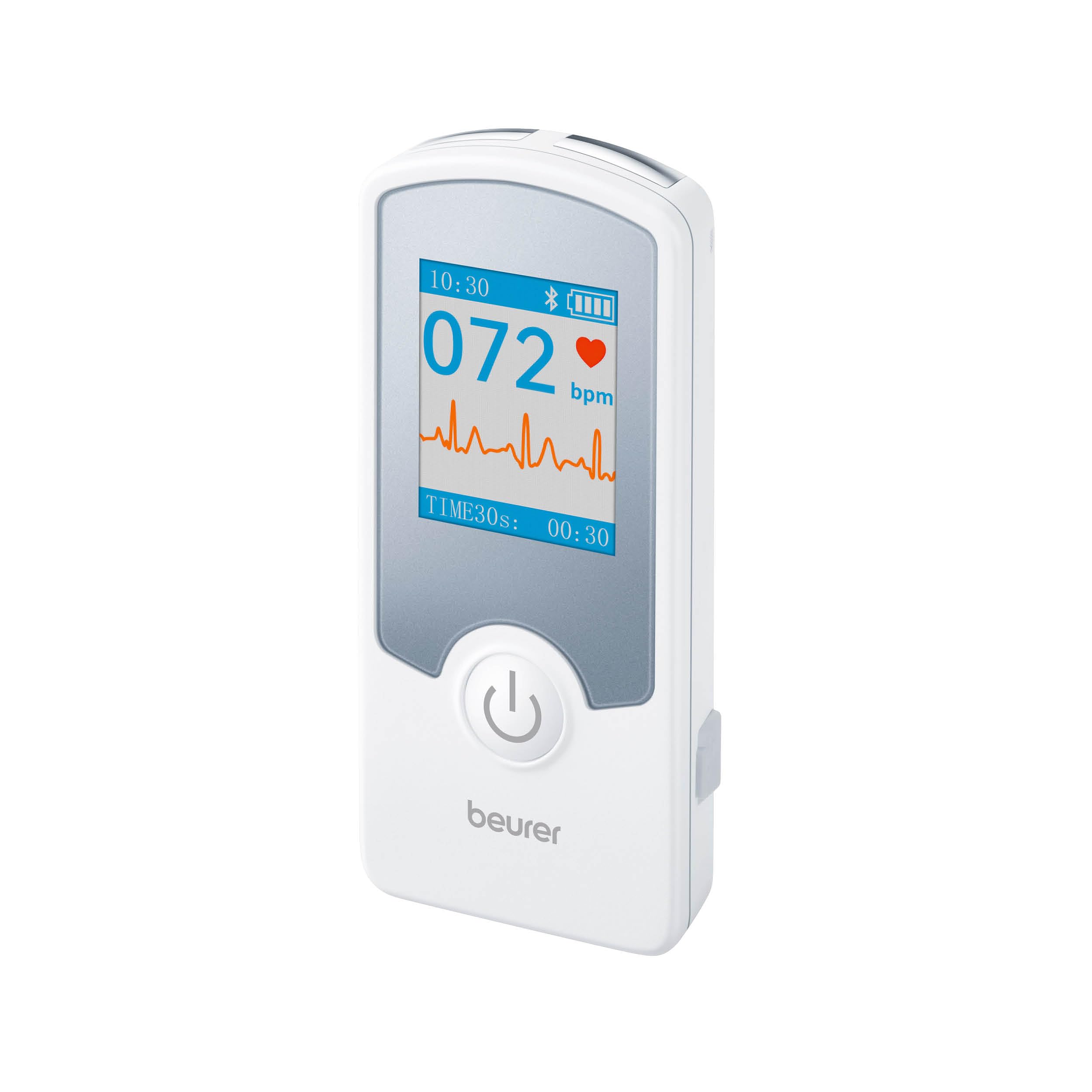

Key Features of the Best Afib Monitors
How Rhythm Checking Works
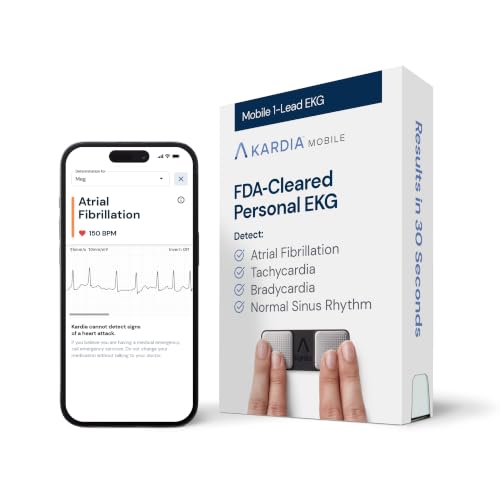
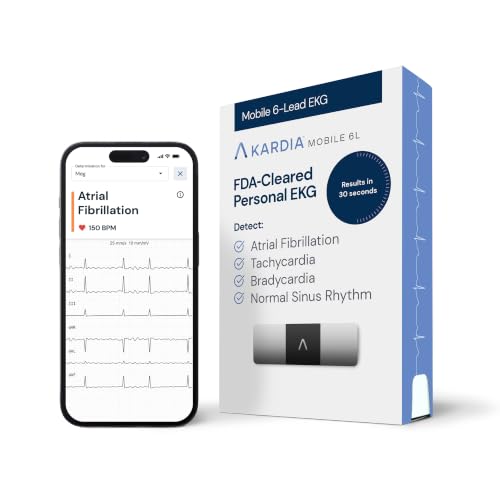
Most consumer afib monitors use one of two methods. Optical sensors on the wrist watch blood flow patterns and flag possible irregularity over time, while electrical sensors record a short heart trace when you touch the device or wear a chest strap. Optical checking runs in the background and needs little effort, but it can miss brief episodes and can be affected by movement. Electrical recording usually gives a clearer trace for a clinician to review, yet it only records when you start a check.
Choose background checking for easy ongoing awareness, and choose on demand recording when you want a trace to share.
Detection Alerts and Accuracy Limits
Alerts should be clear about what they mean. A possible irregular rhythm alert is a prompt to check again and seek clinical advice, not a confirmed diagnosis. False alerts can happen with movement, poor contact, or a fast pulse from exercise, and missed episodes can happen when a rhythm problem is brief. Look for plain language in the app that explains each result, plus guidance to repeat a check while resting.
If alerts feel confusing or alarming without context, the device will be harder to live with day after day.
Comfort, Fit, and Daily Wear
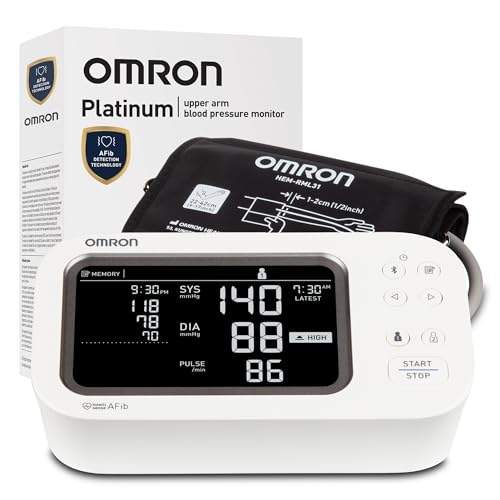
A monitor only helps when it is worn or used as directed, so comfort deserves as much attention as detection features. Wrist models should fit snugly without pinching, and the sensor should stay in contact during normal movement without sliding around. Arm cuff models need the right cuff size for your arm, since a cuff that is too small or too large can affect readings. If you plan to wear a device overnight, check weight, strap material, and whether the screen or vibration will disturb your sleep.
Battery Life and Charging
Battery life shapes how consistently you can track rhythm. A wrist wearable that lasts several days is easier to keep charged than one that needs daily charging, especially when background checking runs often. Arm cuff monitors usually run far longer on one set of batteries, since they only work during a reading. Check whether charging uses a standard cable or a special dock, and whether the device keeps working while it charges.
A simple charging routine matters more than a headline battery number measured in ideal conditions.
App Reports and Sharing
The app turns raw checks into a history you can understand and share. Look for a clear timeline of checks, simple labels for normal and possible irregular results, and an easy way to export or show a report at an appointment. Some apps also let you add notes about symptoms, activity, or rest, which can help a clinician interpret a trace in context. Avoid apps that bury results behind many taps or that require a paid subscription for basic history, unless the extra features clearly justify the cost.
Alerts, Reminders, and Ease of Use
Good reminders help you build a steady routine, such as a prompt to take a resting check at the same time each day. Controls should be simple enough to use without glasses or close study, especially for a device meant for older adults or for use when feeling unwell. Large text, clear icons, and a short path from opening the app to starting a check all reduce friction. If setup needs many steps or frequent sign in, many buyers stop using the device, which defeats its purpose.
What to Expect at Each Spending Level
At about $50 to $100, expect basic rhythm flagging, simple app history, and a straightforward design. These models often suit buyers who want occasional checks and a clear record to discuss with a clinician. Detection may be limited to background flagging or single lead recording, and reports may be simpler than premium options.
At about $100 to $200, you usually get clearer traces, better app reports, longer battery life, and more comfortable straps or cuffs. This range suits buyers who want regular checks, shareable reports, and alerts they can understand at a glance. Many buyers find this level offers the best balance between useful features and everyday ease of use.
Above about $200, models may add more detailed traces, longer history, and extra health tracking. Those extras only help when you will actually use them, so weigh them against comfort and simplicity. A higher price does not make a reading a medical diagnosis, and it does not replace clinical follow up for concerning results. Some buyers also combine a wrist device with an arm cuff model, and our guide to the best blood pressure monitors with afib detection explains how a cuff check can add rhythm flagging to a regular blood pressure routine.
Choosing for Your Situation
If you already track blood pressure, a cuff monitor with rhythm flagging may fit your routine best, since it adds one check to a habit you already have. If you want background awareness, a wrist wearable makes more sense, because it can flag possible irregularity without a deliberate check. If you feel occasional palpitations, an on demand recorder that captures a trace during symptoms may be more useful than background flagging alone. In every case, discuss concerning symptoms or repeated irregular alerts with a clinician, and do not adjust medication based on a consumer device result.
Best Mobile Afib Monitors: What to Check
Mobile afib monitors focus on phone based checks you can take anywhere, often with a small sensor that pairs with an app. Check how quickly a check starts, how clearly the app labels the result, and whether the trace can be saved or shared without a subscription. Also check phone compatibility, since some sensors work only with certain operating systems or phone models. A mobile option suits travelers and buyers who want a pocketable check, but it still needs a resting position and steady contact for a useful trace.
Quick Buyer Checklist
- Does the device explain possible irregular results in plain language?
- Can you export or show a report at a clinic appointment?
- Does the fit suit daily wear or regular cuff use without discomfort?
- Is battery life long enough for your routine, with simple charging?
- Do alerts and reminders help you check regularly without causing confusion?
- Does the app work with your phone and keep basic history without a paid plan?
- Have you planned how you will discuss concerning results with a clinician?
Red Flags to Watch For
- Vague claims about accuracy with no explanation of limits or false alerts.
- Results that promise a diagnosis or treatment advice from a consumer device.
- Reports locked behind a subscription with no basic history available.
- Complicated setup that makes regular checks unlikely in everyday life.
- Missing guidance about when to seek clinical care for symptoms or repeated alerts.
Care and Maintenance Tips
Keep sensors clean with a soft dry cloth, and keep straps or cuffs dry and free of lotions that can block contact. Charge wrist models before the battery runs flat, and replace cuff batteries promptly when readings become inconsistent. Check for software updates through the official app, since updates can improve alert clarity and app reports. Store the device in a cool dry place, and follow maker guidance for strap or cuff replacement when wear affects fit.
Frequently Asked Questions
Can an afib monitor diagnose atrial fibrillation?
No, a consumer afib monitor cannot diagnose atrial fibrillation on its own, even when it records a clear trace. It can flag a possible irregular rhythm and record data that a clinician can review alongside an exam and clinical testing. A diagnosis requires clinical evaluation, since other rhythm problems, movement, and sensor contact can affect a consumer result. If you receive repeated irregular alerts, or you feel palpitations, dizziness, chest discomfort, or shortness of breath, seek clinical advice promptly rather than waiting for more device checks.
What size cuff should I choose for an arm afib monitor?
Choose a cuff size based on the measurement around your upper arm, using the maker size chart for that model. A cuff that is too small can squeeze unevenly and affect readings, while a cuff that is too large may slip or fail to inflate properly. Measure at the midpoint of the upper arm with the arm relaxed, then match that number to the stated range rather than guessing from clothing size. If your arm falls near a size boundary, follow maker guidance for that boundary, since some makers advise the larger size.
Do wrist afib monitors work during exercise?
Wrist afib monitors work best at rest, and exercise often reduces their reliability because movement disturbs the sensor signal. Most background checking pauses or discounts periods of vigorous movement, so a workout is a poor time to judge rhythm. For a useful check, sit down, rest for a few minutes, keep the wrist still, and let the sensor hold steady contact. If you want rhythm data around exercise, discuss the right approach with a clinician, since consumer traces during movement are harder to interpret.
How often should I check my rhythm with an afib monitor?
How often you should check depends on your clinician guidance and on whether you have symptoms, so there is no single schedule that fits every buyer. Many buyers take one resting check at the same time each day, plus an extra check when they notice palpitations or an alert. Background wrist checking can run through the day without extra effort, while on demand recording needs a deliberate check. A steady routine gives a clinician a clearer history than a burst of checks on one day followed by weeks without any checks.
What should I do after a possible irregular rhythm alert?
After a possible irregular rhythm alert, sit down, rest, and repeat the check if the device allows it, then note any symptoms and the time of the alert. Share the result and any saved trace with a clinician, especially when alerts repeat or when you feel unwell. Do not ignore repeated alerts, and do not change medication based on a device result alone. Seek urgent care for chest pain, severe shortness of breath, fainting, or sudden weakness, since those symptoms need prompt clinical evaluation regardless of what a device shows.
Final Thoughts
The best choice is a device you will use regularly, with alerts you understand and reports you can share with a clinician. Compare the product table above against your routine, your comfort needs, and how you want to receive results. The best afib monitors work as a steady tracking aid alongside clinical care, not as a replacement for it. Pick a comfortable model with clear reports and a simple routine, and discuss any concerning result with a clinician without delay.