Best Affordable Womens Snow Boots 2026: Matching the Right Boot to Your Routine
Disclosure: We may earn a commission when you buy through links on this page, at no extra cost to you. As an Amazon Associate I earn from qualifying purchases. Learn more

Match the best affordable womens snow boots to your routine: compare insulation grams, lug traction, fit and calf width across budget tiers, with care tips.
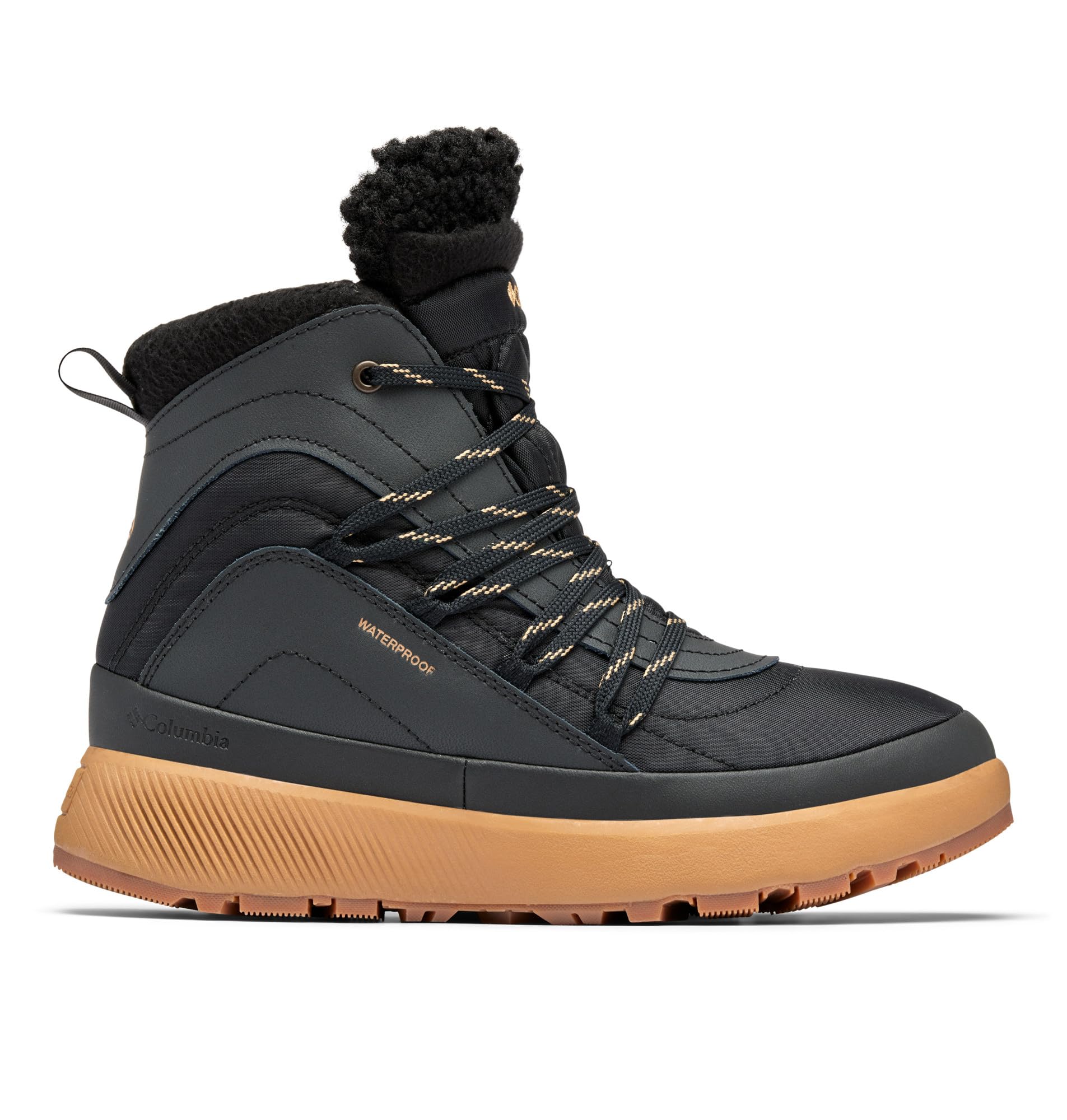
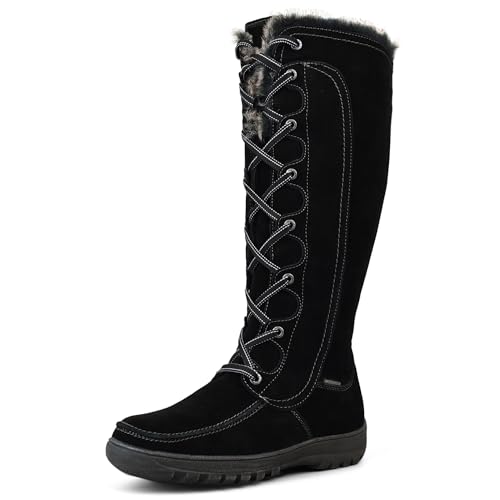
There is no single snow boot that suits every winter routine, and paying more does not fix a poor match. A commuter crossing icy platforms needs different insulation and grip from a shopper making short trips in dry cold. Choosing the best affordable womens snow boots therefore starts with how you actually spend your winter days, and the comparison table below lines up the main types side by side.
This guide works through the choices in routine order. It covers insulation weight in grams, lug traction, fit around the toes and the calf, and what each budget tier realistically includes, so you can spend on the features your routine uses and skip the rest.




Who Should Buy Which Snow Boots?
Match the boot to the day you repeat most often, not to the worst storm you can imagine. The three groups below cover the routines that drive most affordable purchases.
For Frequent or Serious Users
Daily walkers, dog owners, and transit commuters put the most miles on a pair, so durability and comfort underfoot matter more than storm extras. Look for a well bonded sole unit, a cushioned insole you can replace, and insulation in the 400 gram class for repeated cold exposure. Readers whose routine is mostly walking should also see our guide to the best women's snow boots for walking, since a walking focused last trades some storm height for a more natural stride.
For Small Spaces and Easy Storage
Apartment closets and entryway corners reward a shorter, lighter boot. Choose a lower shaft height, a soft upper that flexes for shelf storage, and a build light enough to carry in a tote to the office. You give up deep snow coverage, which matters little if your route is plowed sidewalks and parking lots. A compact pair that you actually wear beats a tall storm boot left at home.
For Bad Weather and Tough Conditions
Slush, refrozen puddles, and unplowed driveways call for a waterproof membrane, a gusseted tongue, and a shell toe that sheds meltwater. Seams at the flex points should be sealed, because that is where cheap boots leak first. Shoppers who face standing slush most days should treat our guide to the best waterproof snow boots women's as their main shortlist, since an upper that only resists splashes will wet through by the end of a long wet commute.
Key Features to Compare
Work through the features in this order, because warmth decides more winter days than any other factor. Shoppers comparing the best affordable womens snow boots will find the same order helps at every price point.
Insulation Grams and What They Mean
Insulation weight in grams governs how warm a snow boot feels, so it is the first figure to compare. Around 200 grams suits mild cold and active days, about 400 grams suits sustained cold for most routines, and about 800 grams suits severe cold and long periods standing still. The temperature figure printed next to the gram count is set by each maker under its own conditions, so those figures cannot be compared across brands. Compare grams, then judge warmth against your own activity level.
What Women Should Look For
Boots built on a womens last differ in the heel, the instep, and the calf, not just in colour. The heel cup is usually narrower, the instep sits lower, and the shaft is shaped for a lower calf muscle. A standard width is labelled B and a wide width D, and a standard shaft opening measures about 14 to 15 inches around, while wide calf versions open to about 16 to 18 inches. Our guide to the best women's snow boots explains how these fit points vary across the wider market.
What You Can Realistically Get on a Budget
Under $60, expect a water resistant upper, basic foam insulation, and a shallow lug sole. In the about $60 to $100 range, boots add a true waterproof membrane, insulation in the 400 gram class, and deeper lugs. In the about $100 to $150 range, sole rubber stays softer in deep cold and linings get denser and warmer. Do not save money on fit or on sole grip, because both decide every step you take. The wider budget picture sits in our guide to the best affordable snow boots.
Outsole Traction and Terrain
Traction is a lug story: depth, spacing, and rubber hardness decide grip on ice and packed snow. Lugs about 4 to 5 mm deep with wide spacing shed snow instead of packing it, and rubber that stays flexible in cold bites better than rubber that hardens. A defined heel edge helps you brake on slopes and icy steps. Shoppers who rank grip first should read our guide to the best women's snow boots with traction before choosing.
Fit, Sizing, and Toe Box
Measure your feet in the afternoon, when they are at their largest, and try boots on with the socks you will actually wear. Your longest toe needs about half an inch of room, because feet swell in the cold and slide forward on slopes. The heel should lift only slightly, and the toe box should let your toes spread without pressing the sides. A boot that fits in thin socks will likely feel tight in thick winter socks.
Cushioning and Support
A cushioned midsole and a shaped insole decide whether a boot stays comfortable through a full day of errands or a long shift on cleared pavement. Look for arch support that matches your arch height and a modest heel to toe drop, which keeps calves from tiring on long walks. Removable insoles matter because you can replace them when the foam packs down. That small swap restores comfort for a fraction of the price of a new pair.
Common Mistakes to Avoid When Buying Snow Boots
- Buying on price alone, because the cheapest pair often skimps on the membrane and the grip you use every day.
- Reading the printed temperature figure as a promise, when only the gram count can be compared across brands.
- Trying boots on in the morning with thin socks, so the pair feels a size too small by evening.
- Choosing a tall storm shaft for a plowed sidewalk routine, which adds weight and heat you never need.
- Skipping the return policy check, even though fit quirks often appear only after a full day of wear.
Care and Maintenance
Air dry wet boots at room temperature away from direct heat, since hot air cracks leather and weakens sole bonds. Stuffing the shaft with newspaper overnight pulls moisture from the lining and helps the boot hold its shape. Rotating two pairs on daily wear days gives the insulation a full day to recover its loft. Brush road salt off promptly, because salt dries leather and stains fabric uppers.
Frequently Asked Questions
What makes snow boots for women different from unisex styles?
Snow boots for women are built on a last shaped for a narrower heel, a lower instep, and a calf that sits lower on the leg. That shaping changes fit more than colour or trim does. Simply sizing down a mens or unisex style rarely works, because the heel stays wide and slips with every step, which causes blisters on long walks. Trying the womens version of the same boot usually fixes the heel slip without changing the insulation or the sole.
Do snow boots need to be waterproof for everyday winter wear?
Snow boots for everyday winter wear need a waterproof membrane only if your routine crosses slush, puddles, or wet snow. Dry cold and light powder are handled well by a water resistant upper, which also breathes better and costs less. The deciding test is the worst ten minutes of your normal day: if that stretch includes standing meltwater at curbs and crossings, choose the membrane. If it is dry plowed pavement, water resistance is enough.
How often should snow boots be replaced?
Snow boots should be replaced when the lugs wear smooth, the lining packs flat, or the upper starts leaking at flex points. For a daily wear routine that is often two to four seasons, while an occasional pair can last much longer. Warmth fades before the boot looks worn out, because compressed insulation holds less air. If your feet feel cold in conditions the boots once handled, the insulation has likely given up.
How long does it take to break in a new pair of snow boots?
Most modern snow boots take only two or three short wears to break in, because synthetic uppers and foam linings soften quickly. Stiff leather styles can need a week of regular wear before the ankle area flexes comfortably. Wear a new pair indoors and on one short errand first, so any rubbing shows up before a long day out. Thick socks during the first wears speed the process and protect your heels.
Can snow boots be worn all day at work?
Snow boots can be worn all day at work if the insulation matches the indoor temperature as well as the commute. A 400 or 800 gram boot that feels right outdoors often overheats at a desk, which leaves feet damp and colder on the trip home. Many commuters keep light indoor shoes at work and reserve the heavy pair for the journey. If you must stay in one pair, choose the 200 gram class and a breathable lining.
Are expensive snow boots worth the extra money?
Expensive snow boots are worth the extra money only when the upgrade buys something your routine uses. Higher prices usually bring rubber that stays soft in deep cold, denser insulation, and replaceable liners that extend the life of the pair. They do not buy warmth beyond the gram class printed in the product details, so an 800 gram budget boot can outwarm a costly 200 gram style. Pay for the sole compound and the liner, not for looks.
The Bottom Line
Start with the gram class your routine needs, then check lug depth and fit with your real winter socks. Those three points decide almost every winter day, and the product table above makes them easy to compare across the best affordable womens snow boots in your price band.