Best Affordable Snow Boots for 2026: Matching the Right Model to Your Routine
Disclosure: We may earn a commission when you buy through links on this page, at no extra cost to you. As an Amazon Associate I earn from qualifying purchases. Learn more

Compare the best affordable snow boots by daily routine, fit, waterproofing and weight, and learn where a small budget still buys real winter comfort.
There is no single pair of winter boots that suits every routine, and paying less does not have to mean cold, wet feet. The best affordable snow boots are the ones matched to how you actually spend winter days, whether that means icy sidewalks, slushy parking lots, or weekend trails. A boot built for short urban trips can feel very different from one made for hours outside.
This guide groups buyers by routine first, then walks through the features that matter at a modest price. The product table shows how current options differ, so you can spend on the details your routine demands and skip the ones it does not.


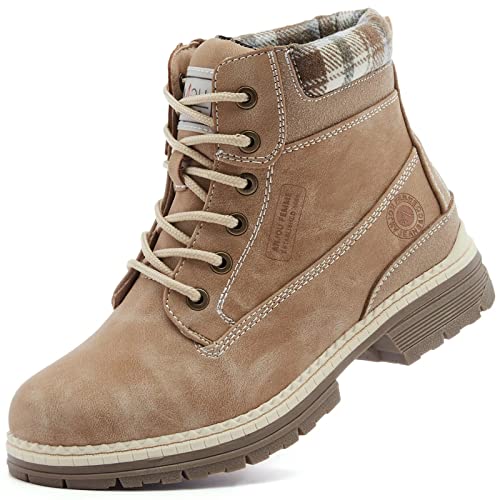
Who Should Buy the Best Affordable Snow Boots?
For Weekend Beginners
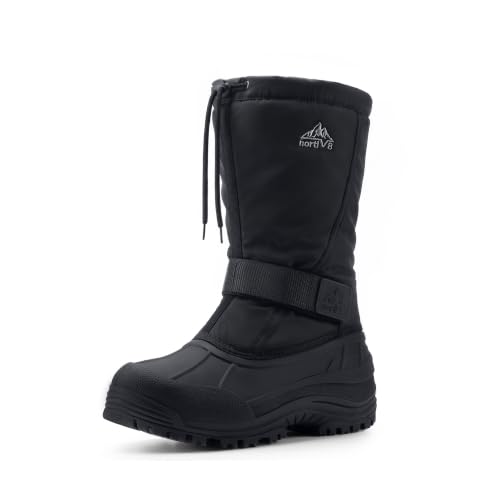
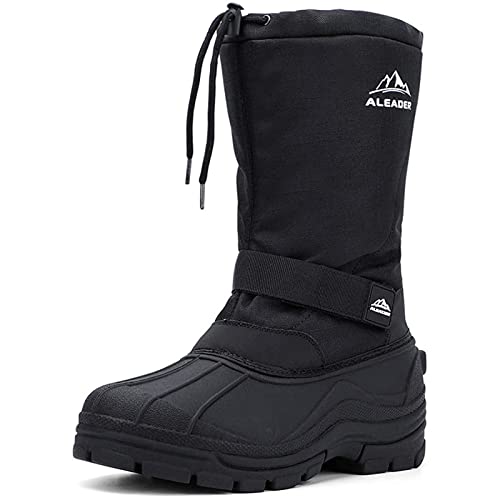
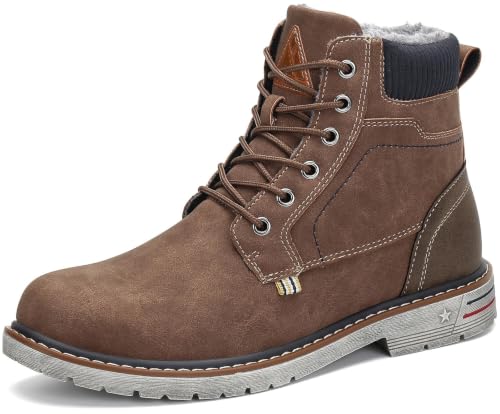
If snow is an occasional event in your life, look for easy entry, decent insulation, and a price around $50 to $90. A mid height shaft, simple lace up closure, and a rubber shell over the toes handle shoveling, sledding hills, and short walks without much fuss. You can accept a heavier boot and basic cushioning at this level, because your outings are short. Prioritize a waterproof lower section, since slush finds its way in fast.
For Frequent or Serious Users
Daily winter commuters and people who work outdoors need durability first: stitched or well bonded construction, a lugged outsole that still grips when temperatures drop, and insulation rated for your coldest weeks. Expect to pay about $90 to $140 and check the warranty before you buy, because a longer coverage period often signals better build quality. Men who spend whole shifts outside can compare workday focused notes in our guide to best affordable snow boots for men.
For Small Spaces and Easy Storage
Apartment dwellers and travelers benefit from lower profile boots that slide under a bench or into a closet bin. Shorter shafts, flexible uppers, and lighter soles store easily and pack flat in a car trunk. The trade off is less ankle support and less insulation than tall expedition styles, so match this choice to milder winter routines. A removable liner is a bonus here, since it dries faster on a small rack.
Key Features to Compare
Fit, Sizing, and Toe Box
Measure your feet late in the day, when they are slightly swollen, and compare the numbers with the size chart of each maker instead of trusting your usual shoe size. You want room to wiggle your toes while wearing mid weight winter socks, plus a heel that stays put when you walk. A roomy toe box matters more in the cold, because tight toes restrict circulation and feel colder. If you are shopping for a women specific last, our guide to best affordable women's snow boots covers fit differences by foot shape.
Cushioning and Support
Budget boots usually offer simpler foam insoles than premium pairs, so check whether the insole is removable and replaceable. A modest heel to toe drop and a stable, flat platform feel best for standing on icy ground. People with flat feet often prefer a firmer arch area, while high arches do better with extra cushioning under the heel. Treat these boots as comfort gear only: if foot pain or numbness keeps coming back, talk with a doctor or podiatrist rather than hoping a new pair will fix it.
Waterproofing and Breathability
At low prices, waterproofing usually comes from a rubber lower shell, a sealed membrane, or a treated leather upper. Membrane liners such as Gore Tex appear less often in this tier, and coated fabrics are more common. Full waterproofing matters for slush and puddle days, but it traps more heat and moisture inside, so very active walkers may prefer a water resistant upper with better airflow. Check how far up the shaft the waterproof layer reaches, because a waterproof foot with a leaky tongue still leaves socks damp.
What You Can Realistically Get on a Budget
Around $60 to $120 buys a serviceable pair with real insulation, a waterproof shell, and an outsole with usable grip. What gets cut at this price is usually refinement: liners pill sooner, hardware is plainer, and temperature ratings can be optimistic. Do not save money on fit or on the waterproof lower section, since those two decide whether the boot works at all. If your budget stretches further, our guide to best snow boots covers what higher tiers add.
Weight and Flexibility
Heavy boots protect well but tire your legs on long walks, while lighter boots feel easier for commuting and travel. A flexible forefoot makes walking feel natural on cleared sidewalks, yet very soft boots can feel unstable on uneven frozen ground. As a rough guide, a pair that weighs under about three pounds suits daily wear for most people. Try to match stiffness to your routine: soft for town errands, firmer for trails and work sites.
Common Mistakes to Avoid When Buying Snow Boots
- Choosing by price alone, because the cheapest pair often skips the waterproof shell that keeps slush out.
- Ignoring fit and toe box room, because tight boots feel colder and cause blisters on longer walks.
- Buying a full size up for thick socks, because a sloppy heel fit wears out liners and rubs skin.
- Trusting temperature ratings blindly, because ratings assume constant movement and dry socks.
- Skipping the warranty check, because weak coverage on a budget boot can leave you paying twice in one season.
Care Tips That Stretch a Budget Pair
Air dry wet boots at room temperature away from direct heat, since radiators and heaters crack leather and warp adhesives. Stuff them loosely with newspaper after very wet days to draw moisture out of the liner. If you wear one pair daily, rotating two affordable pairs often beats one expensive pair, because each boot gets a full day to dry. Brush off road salt weekly, rinse the soles, and store boots upright in a cool, dry spot once the season ends.
FAQs
How should snow boots fit?
Snow boots should fit snug at the heel with clear space in front of your toes, roughly a thumb width when you stand in winter socks. Your toes should wiggle freely but your heel should not lift with each step. Fit can feel looser than in hiking shoes, and that is normal for insulated styles. If one foot is larger, size for that foot and use an extra insole in the other boot.
Can I wear snow boots all day?
Yes, most people can wear snow boots all day if the fit is right and the socks stay dry. Insulated boots run warm indoors, so feet may sweat during long hours inside heated buildings. Bringing a spare pair of socks for a midday change helps more than most people expect. If your job keeps you on concrete floors, consider adding a cushioned replacement insole after the first month of wear.
Do I need waterproof snow boots?
You need full waterproofing if your winter includes slush, melting snow, or puddles deeper than your sole. For dry, powdery snow in very cold weather, a water resistant upper is often enough, because powder brushes off before it soaks in. Think about your least pleasant regular trip, such as a slushy commute, rather than your best winter day. When in doubt, a waterproof rubber lower with a padded upper covers most routines.
How often should I replace my snow boots?
Most affordable snow boots last about two to four winter seasons of regular use before the insulation packs down and the outsole lugs wear smooth. Replace them sooner if water starts seeping through seams, the sole separates, or the tread no longer grips on packed snow. A worn smooth outsole is the clearest safety signal, because grip is what keeps you upright on ice. Keeping a second pair in rotation can add a season or more to each pair.
Are expensive snow boots worth it?
Expensive snow boots are worth it mainly for people who spend long hours outside in severe cold, where better insulation, lighter materials, and stronger construction add real comfort. For short commutes and weekend use, the difference is smaller than the price gap suggests. Paying more also tends to buy longer warranties and replaceable parts. If your winters are mild and brief, a well chosen budget pair covers the season without regret.
How long is the break in period for snow boots?
Most modern snow boots need only a few short outings, roughly three to five wears, before the liner molds to your foot and the upper softens. Stiff leather styles can take a couple of weeks of regular use. Wear new boots around the house first, so you can spot rubbing points while returning them is still easy. A boot that still pinches after a week of short wears is the wrong size or shape, not a pair that needs more time.
Our Verdict
Start with your routine, then judge fit, waterproofing, and grip in that order. The best affordable snow boots for you are the pair that matches your coldest regular day without paying for expedition features you will never use. Look at the product table to compare the pairs that fit your routine and budget side by side.