
Best Affordable Skin Care Sets 2026: A Buying Guide
Disclosure: We may earn a commission when you buy through links on this page, at no extra cost to you. As an Amazon Associate I earn from qualifying purchases. Learn more

Pick affordable skin care sets that suit your skin type, with guidance on cleansers, moisturisers, actives, and gentle routine building before you buy.
Skin care can feel overwhelming, with endless products promising miracles, but a good set simplifies the routine. If you want the best affordable skin care sets, gentle basics and skin type match matter more than product count. The comparison table below gives a quick overview, while this guide explains how to build a routine that actually suits your skin.
Skin varies by oiliness, sensitivity, and concerns like dryness or breakouts, and a set that suits one person may irritate another. Affordable sets now include well formulated cleansers, moisturisers, and sun protection without luxury prices. This guide helps you read labels, patch test, and introduce products slowly, so your skin benefits rather than reacts.


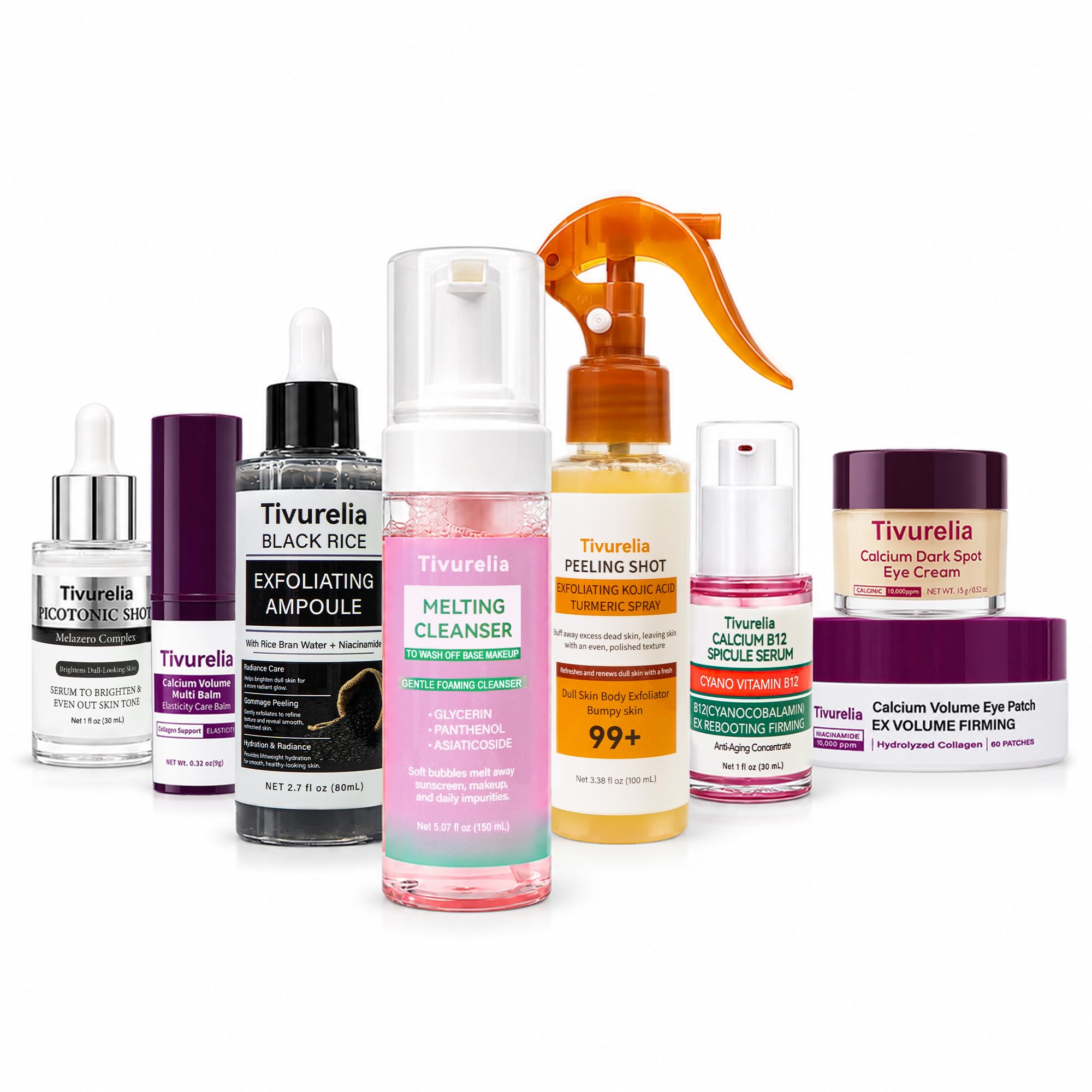


Who Should Buy Them
These sets suit beginners building a first routine, travellers wanting a complete kit, and gift givers seeking a thoughtful set. They are ideal for daily cleansing, moisturising, and sun protection. If you have a diagnosed skin condition, persistent rashes, or severe acne, a dermatologist can guide treatment better than any set. For everyday skin health, an affordable set is a strong start.
Key Features to Compare
Compare skin care sets on the formulation points that decide gentleness and effectiveness.
- Cleanser gentleness. A mild cleanser removes dirt and sunscreen without stripping skin tight and dry.
- Moisturiser match. Light gels suit oily skin, while richer creams suit dry skin and colder weather.
- Sun protection. Daily sunscreen is the most proven step for protecting skin from sun damage.
- Active ingredients. Gentle actives like niacinamide suit many skins, while stronger actives need slow introduction.
- Fragrance level. Fragrance free formulas reduce irritation risk, especially for sensitive skin.
Types and Options
Skin care sets come in a few routine shapes, each with its own level of simplicity.
- Basic three step sets. Cleanser, moisturiser, and sunscreen, the essential routine for most people.
- Hydration focused sets. Extra serums and masks for dry or dehydrated skin.
- Clarifying sets. Products aimed at oil and breakouts, usually with gentle exfoliation.
- Travel sets. Smaller sizes for trying a brand or packing light, ideal before committing.
How to Choose the Right One
Identify your skin type first: oily, dry, combination, or sensitive. Oily skin needs light, non clogging moisture, while dry skin needs richer creams and gentle cleansing. Introduce one new product at a time, waiting days between additions, so you can spot any reaction. Patch test new actives on a small area before full face use.
Read ingredient lists for the first few items, since they dominate the formula. Avoid sets loaded with drying alcohol or heavy fragrance if your skin is sensitive. The product table above lets you compare set contents side by side. Remember that consistency beats complexity: a simple routine used daily outperforms an elaborate one used rarely.
For a related guide, see best skin care sets. For a related guide, see best korean skin care sets. For a related guide, see best skin care travel sets. For a related guide, see best skin care gift sets. For a related guide, see best skin care sets for men.
Budget and Long Term Value
Affordable skin care sets often cost from about $25 to $80, with good basics across that range. Higher prices can bring nicer textures and packaging, but effective formulas exist at modest prices. Start with a basic set and add single products only when a clear need appears. Replacing everything at once wastes money and confuses your skin.
Everyday Use and Care
Store products away from heat and sunlight, and close lids tightly to preserve actives. Use clean hands or a spatula for jars to reduce contamination. Check expiry dates, especially for sunscreen, since expired protection may fail. If a product changes smell, colour, or texture, discard it rather than risk irritation.
Mistakes to Avoid
- Starting many new actives at once, so reactions cannot be traced.
- Skipping sunscreen while using exfoliating actives.
- Choosing rich creams for oily skin, or light gels for very dry skin.
- Scrubbing harshly or over exfoliating, which damages the skin barrier.
Getting the Most From Your Choice
Skin health depends on daily habits beyond products, including sleep, sun protection, and gentle handling. Avoid picking at blemishes, wash pillowcases regularly, and protect skin from harsh weather with appropriate clothing. Drink water and eat varied foods, though no single food transforms skin overnight. Consistent gentle care plus healthy habits support skin far better than aggressive treatments or constant product switching.
Think about skin across seasons, because winter dryness and summer oiliness may need different moisturisers or cleansers. A basic set can adapt with one seasonal swap, such as a richer cream in winter or a lighter gel in summer, without replacing the whole routine. Watch how skin responds to weather changes and adjust slowly, introducing one change at a time so reactions remain traceable.
Questions to Ask Before You Order
Before ordering, identify your skin type, check ingredient lists for irritants, and confirm fragrance and active levels. Ask about patch testing, return policies, and whether the set includes daily sunscreen. These questions prevent reactions and ensure the set you choose supports your skin rather than fighting it.
- Does this set match my skin type and concerns?
- Are formulas fragrance free or low fragrance?
- Does the set include daily sun protection?
- Can I patch test before full face use?
Long Term Value
When you judge long term value, look beyond the purchase price to how skin care set holds up under daily use. Formula stability and packaging quality decide whether products stay effective through daily use. A product that needs frequent replacement or repair quickly costs more than a slightly pricier alternative that lasts. Check warranty length, availability of spare parts, and how easily the item can be cleaned or serviced at home. These practical details decide whether a budget buy stays a bargain or becomes a repeated expense over the years you own it.
Total cost includes replacement basics and sunscreen through the year, and planning for those costs avoids surprises. Daily sunscreen and cleanser run out fastest, so ongoing cost matters more than the first set price. Set aside a small amount for upkeep from the start, and compare that total against the next price tier rather than judging the sticker alone. Often the middle option costs less over three years than the cheapest one, because it avoids early replacement and performs better throughout its life.
Know when to upgrade rather than repair. If products irritate despite patch testing, expire, or no longer suit changing skin needs, replacement makes sense. Until then, regular care and timely small fixes extend life considerably. A thoughtful owner gets far more value from a mid priced skin care set than a careless owner gets from a premium one, so habits matter as much as hardware.
- Check warranty length and spare part availability before buying.
- Budget for upkeep costs from the first year, not as an afterthought.
- Compare total ownership cost across price tiers, not sticker price alone.
Frequently Asked Questions
What should a basic skin care routine include?
A basic routine includes a gentle cleanser, a moisturiser suited to your skin type, and daily sunscreen. That trio covers cleaning, hydration, and sun protection, which matter most for everyday skin health. Add serums or treatments only after the basics feel comfortable and consistent.
How do I know my skin type?
Wash gently, wait an hour without products, and observe. Shine all over suggests oily skin, tightness suggests dry skin, shine only in the T zone suggests combination skin, and stinging or redness suggests sensitive skin. Skin type can shift with seasons, so reassess when weather or hormones change your skin behaviour.
Should sensitive skin avoid fragrance?
Fragrance free formulas usually suit sensitive skin better, since fragrance is a common irritant. Look for fragrance free rather than unscented, since unscented products may still mask scent with other chemicals. Patch test any new product, even gentle ones, before full use.
How long before I see results?
Hydration improves quickly, often within days, while texture and tone changes may take four to eight weeks of consistent use. Skin renews slowly, so judge a product over weeks, not days. If irritation, burning, or breakouts worsen, stop the newest product and let skin calm before trying again.
When should I see a dermatologist?
See a dermatologist for persistent rashes, painful or cystic breakouts, moles that change, sores that do not heal, or skin problems that worsen despite gentle care. This guide covers general skin care only and does not replace professional advice. Early professional help often prevents longer term damage.
Track how your skin responds during the first month with brief notes, since memory fades and small changes are easy to miss. Record which product you introduced, when redness or dryness appeared, and how long it lasted. This simple log helps you identify triggers, share useful details with a dermatologist if needed, and build a routine based on evidence rather than guesswork.
Final Thoughts
The best affordable skin care sets are the ones that match your skin type, stay gentle, and fit a routine you will actually follow. Start basic, introduce products slowly, and never skip sunscreen. Healthy skin comes from consistency and care, not from the largest collection.


