Best Affordable Polaroid Cameras in 2026: Every Type Explained Side by Side
Disclosure: We may earn a commission when you buy through links on this page, at no extra cost to you. As an Amazon Associate I earn from qualifying purchases. Learn more

Compare the best affordable polaroid cameras by type, print size, and film cost to find the instant style that fits your budget and habits.
Instant cameras all promise the same magic, a photo you can hold a minute after you press the shutter, yet the types differ a lot in print size, cost per photo, and how much control you get. Sorting the best affordable polaroid cameras starts with picking the type that fits your habits, not the body with the longest feature list.
Below, we compare the four main instant types side by side, explain what each one costs to feed with film, and show which features actually matter at a budget price. The comparison table below gathers the key differences in one place, so you can shortlist a type before you shop for a specific body.




Best Affordable Polaroid Cameras Compared by Type
Every type below makes real prints in the moment, but they split along two lines: true developing film versus printed paper, and small prints versus large ones. Our broader guide to best polaroid cameras covers premium bodies too, while this article keeps the focus on the affordable types most buyers choose between.
| Type | Best For | Pros | Cons | Typical Price |
|---|---|---|---|---|
| Classic integral film | Parties and keepsakes | Real developing prints, simple controls | Priciest film, few settings | About $100 to $160 |
| Mini format | Wallets and journals | Small low cost prints, tiny bodies | Small image area, prints easy to lose | About $80 to $110 |
| Wide format | Group shots and travel scenes | Large prints with room for everyone | Bulky body, film costs more | About $90 to $140 |
| Hybrid instant print | Sharing online and in hand | Print only the shots you like, screen preview | Prints look digital, needs charging | About $100 to $180 |
Classic Integral Film Cameras
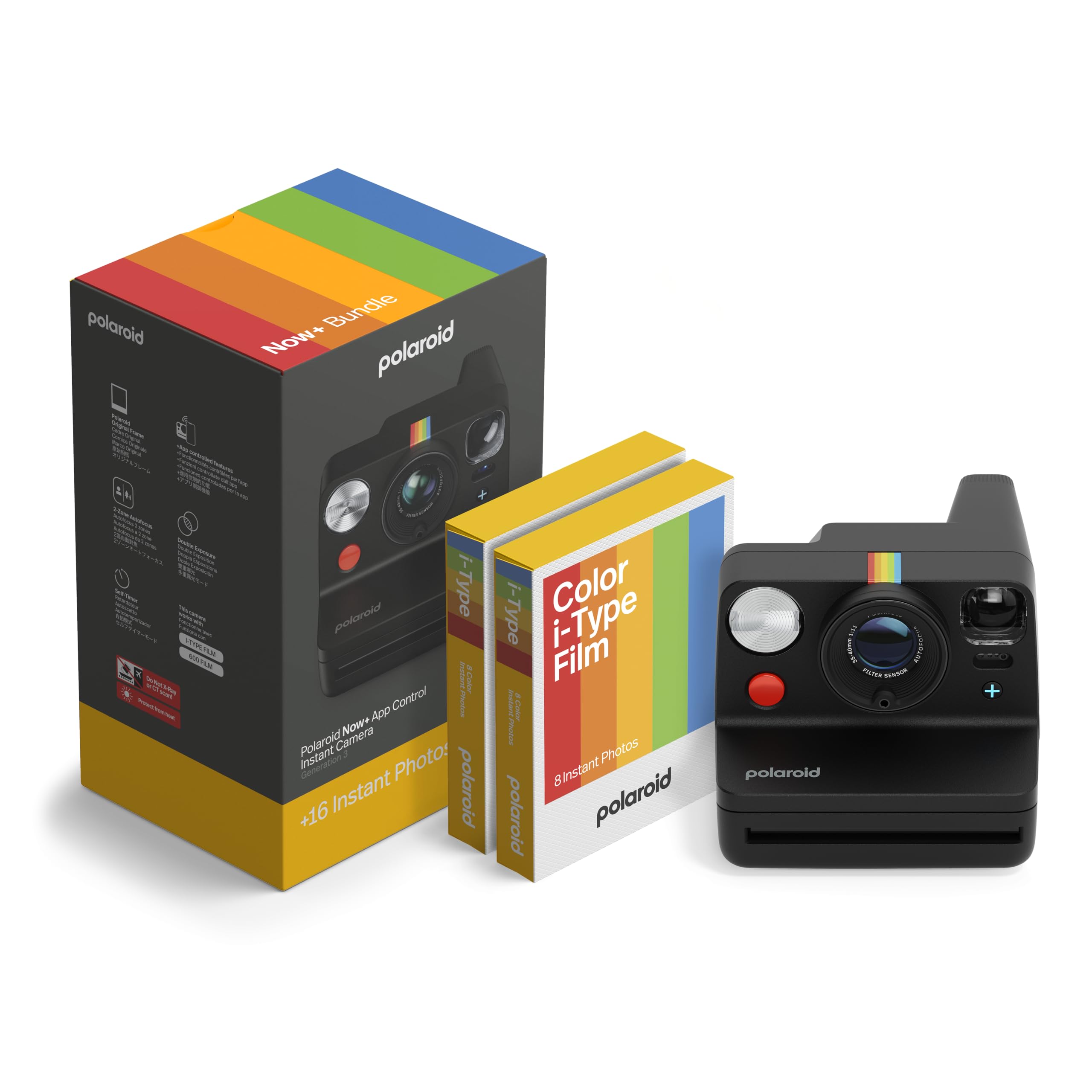
These cameras expose a sheet of instant film and eject it, and the picture develops in your hand over several minutes. Controls stay minimal: a brightness slider, a selfie mirror on some bodies, and a flash that fires on its own when light drops. The charm is real, and so is the film bill, so this type suits celebrations and keepsakes more than heavy daily shooting. Our guide to best polaroid instant cameras goes deeper on this classic format and its film options.
Mini Format Instant Cameras
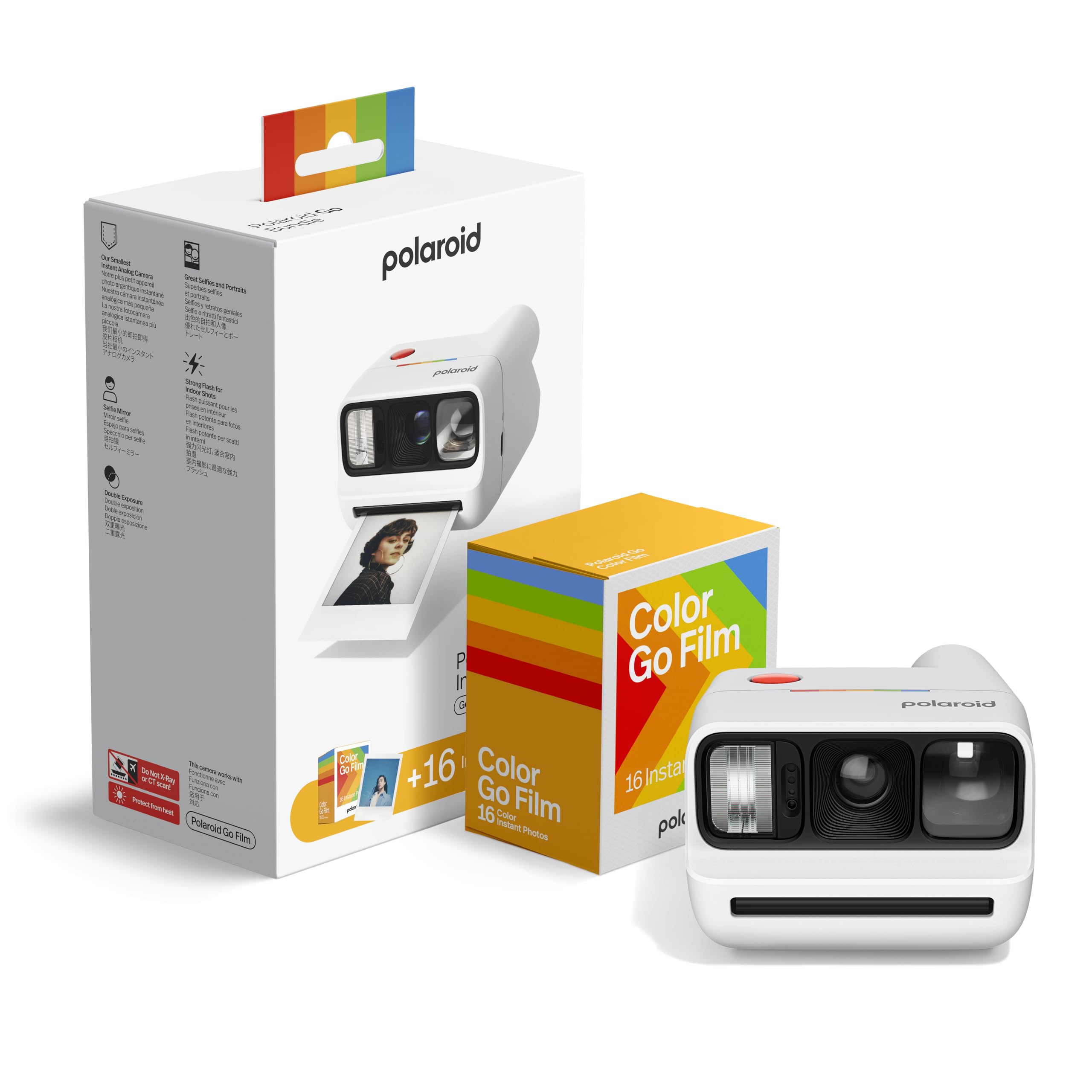
Mini cameras print small photos about the size of a credit card, using the cheapest instant film sold today. Bodies are light enough for a jacket pocket, and most add a selfie mirror and a simple exposure dial. The small image area rewards close subjects and bright scenes, while distant landscapes shrink into tiny stamps. Students and journal keepers often choose this type, because a pack of film costs less, lasts longer, and makes casual everyday shooting feel affordable.
Wide Format Instant Cameras
Wide cameras print an image roughly twice the width of the mini format, which makes group portraits and travel scenes far easier to read. The bodies are larger and less discreet, and film costs sit between mini and classic prices per pack. Exposure controls stay simple, though some models add a landscape mode that sharpens distant focus. Choose wide when the print itself is the gift, such as at weddings, reunions, and team events where everyone wants a copy.
Hybrid Instant Print Cameras
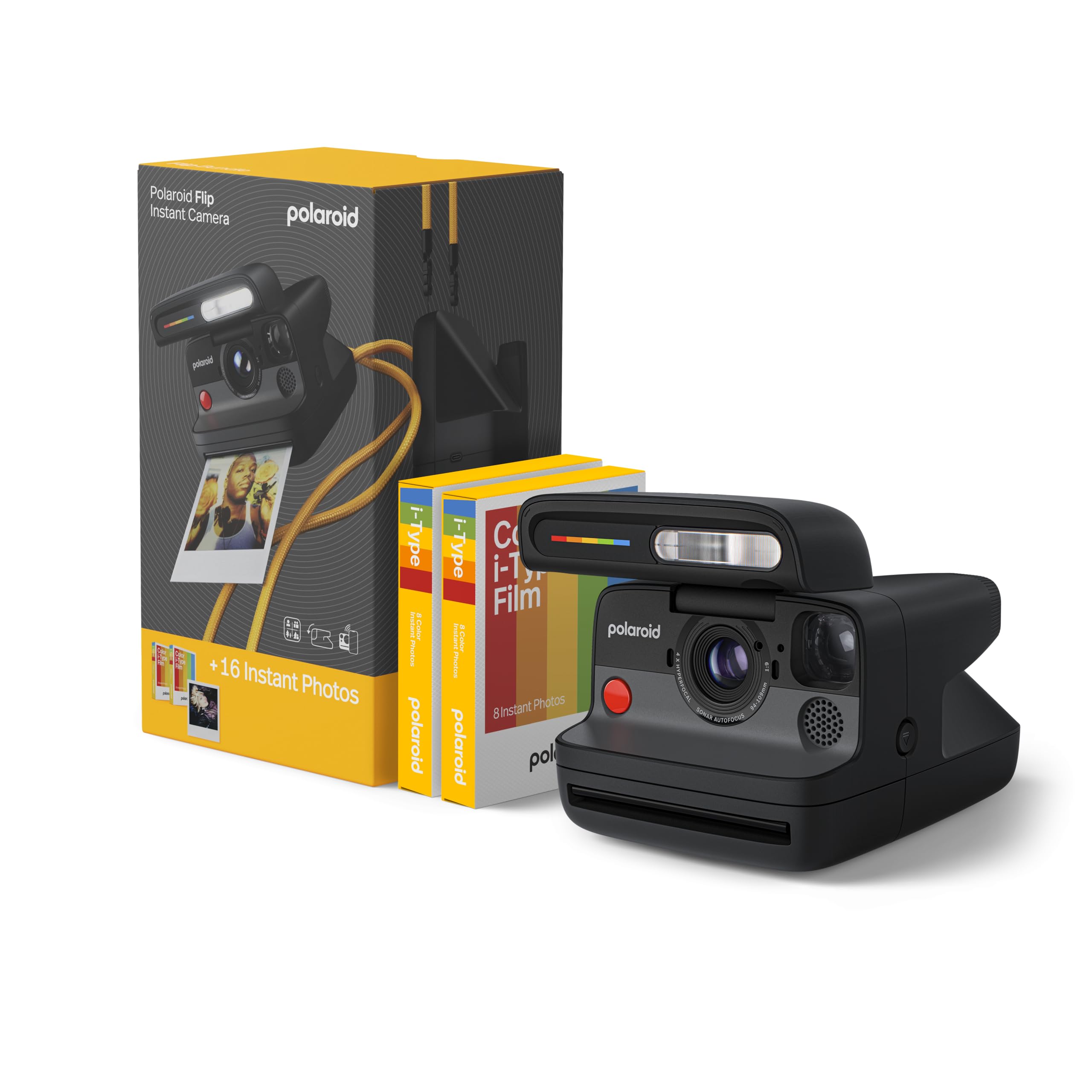
Hybrid cameras shoot digitally and print only the frames you pick on their small screens, which removes the cost of missed shots entirely. The prints use paper based media rather than true developing film, so colors look cleaner but less analog in character. You also get digital copies for sharing, and readers who prefer a screen first workflow can compare the best digital cameras as the other route entirely. Battery charging replaces battery swapping on most hybrid bodies.
Classic vs Hybrid: Which Should You Choose?
Classic and hybrid cameras sit at opposite ends of the instant idea. A classic print is a one of a kind object with soft color and slight unpredictability, and each frame costs about $2 or more whether it works or not. A hybrid frame costs far less per kept print, because duds never get printed, and the screen removes most guesswork before you commit.
Classic wins when the ritual and the physical print matter most, such as guest books and gifts. Hybrid wins when you shoot often, share online as much as in person, and want a predictable cost per outing. Your shooting volume, more than image quality, should make this call.
How to Choose the Best Affordable Polaroid Cameras
What You Can Realistically Get on a Budget
For about $80 to $160, expect auto exposure, a built in flash, and one or two brightness settings to correct tricky light. You will not get manual focus, interchangeable lenses, or weather sealing at this price, and the viewfinder is a simple frame rather than a true preview. Composition takes a little practice because of that. Put your spare money toward film instead, because the camera price is only the first payment on this hobby.
Film Cost per Photo
Film, not the body, decides what an instant habit costs over a year. Mini film works out to about $0.75 to $1.40 per photo, wide film to about $1 to $1.50, and classic integral film to about $2 or more per shot. Hybrid print paper lands near the mini range per print. Count the pack price before you fall for a cheap body, because a bargain camera on pricey film costs more within a few months of regular use.
Focus, Flash, and Exposure Controls
Nearly all affordable instant cameras use fixed focus or a two zone lens you switch for close ups, so check the minimum focus distance if you love selfies and tabletop shots. Auto exposure meters the scene and fires the flash when light drops, which is convenient but can wash out faces at close range. A brightness dial, even a simple one with two or three stops, rescues more shots than any other control on these cameras.
Print Size and Sharing
Print size shapes how you use the camera day to day. Mini prints slip into wallets and journals, wide prints fill a hand and stay readable across a table, and classic prints sit between the two. Hybrid models add phone transfer, so one moment becomes both a print and a post. Think about where your photos will live, on a fridge door, in an album, or online, and let that answer pick the format for you.
Care and Maintenance Tips
Store film in a cool, dry place, load it away from bright light, and let fresh prints develop face down out of direct sun. Wipe the lens with a soft cloth rather than your shirt, and carry spare batteries or a charged power bank for hybrid models.
Never look at the sun through the viewfinder while framing a shot, and keep finished prints away from heat vents, because heat speeds fading. A padded pouch prevents most cracked corners and scratched lenses in a bag.
Frequently Asked Questions
How much does each instant photo cost?
Cost per photo depends on format: mini film runs about $0.75 to $1.40 a shot, wide film about $1 to $1.50, and classic integral film about $2 or more. Buying twin packs lowers the price per frame slightly at checkout. Failed shots are part of the format, so budget for a few misses in every pack, especially while you learn how your camera meters bright skies and dark rooms.
What should a beginner look for in an affordable instant camera?
Look for auto exposure, a flash that fires on its own, and film that local stores actually stock on the shelf. A selfie mirror and a wrist strap prevent the two most common beginner losses: cut off heads and dropped bodies. Start with the format whose film fits your budget, because a camera you can afford to feed gets used, while a camera that sits on a shelf helps no one.
Do instant cameras work well in low light?
They cope, but low light is their weakest area. The flash reaches about 6 to 10 feet, so subjects beyond that fade into the background, and indoor shots taken without flash often look soft and grainy. Stand closer, brace the camera against something steady, and use the brightest room lighting you have. For evening events, the best photos happen near lamps and windows rather than across a dark yard.
Is a smartphone enough instead of an instant camera?
A phone takes sharper photos and shares them instantly, and our guide to best affordable digital cameras shows pocketable options for a little more money. What a phone cannot do is hand a friend a physical photo on the spot, which is the whole reason instant cameras survive. Many owners use both: the phone for records and the instant camera for parties, trips, and guest books where the print itself is the souvenir.
How much should I spend on my first instant camera?
About $80 to $160 covers a solid first camera, with auto exposure and a working flash included. Spending more mainly buys hybrid screens, app control, or styling, not dramatically better prints. Keep at least about $30 aside for your first film packs and spare batteries. If the total still feels steep, the mini format gives the lowest cost per photo and the gentlest learning curve for a new shooter.
The Bottom Line
Choose the format first: mini for cheap everyday fun, wide for group prints, classic for the true developing photo feel, and hybrid when you want to pick your prints on a screen. The best affordable polaroid cameras are the ones whose film you can afford to keep buying month after month. Check the product table to compare options and prices side by side before you order.