Best Affordable Plug and Play Hot Tubs: Our 2026 Checklist for Buyers
Disclosure: We may earn a commission when you buy through links on this page, at no extra cost to you. As an Amazon Associate I earn from qualifying purchases. Learn more

Use this checklist for the best affordable plug and play hot tubs to compare size, jets, insulation, safety features, running costs, and warranty cover.
A plug and play hot tub promises a simpler path to warm water relaxation, because it runs from a standard outlet instead of needing a hardwired electrical install. The risk is buying on jet count or a low sticker price and then facing high running costs, weak heat, or a shell that feels flimsy. This checklist helps you judge the best affordable plug and play hot tubs by build, comfort, safety, and ownership cost.
Work through the criteria below before you compare models in the comparison table below, and you will know which numbers matter for your garden, your household, and your budget.
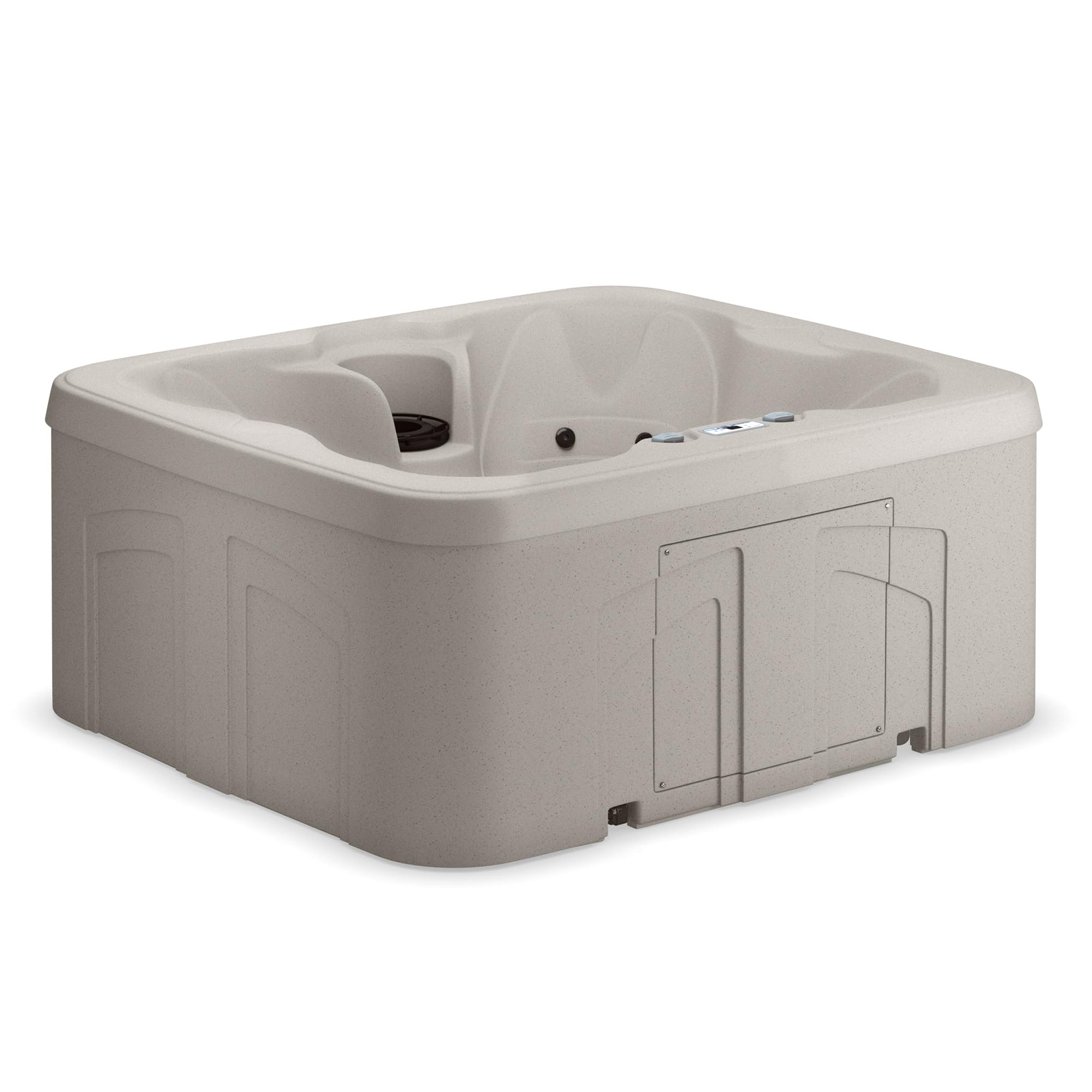
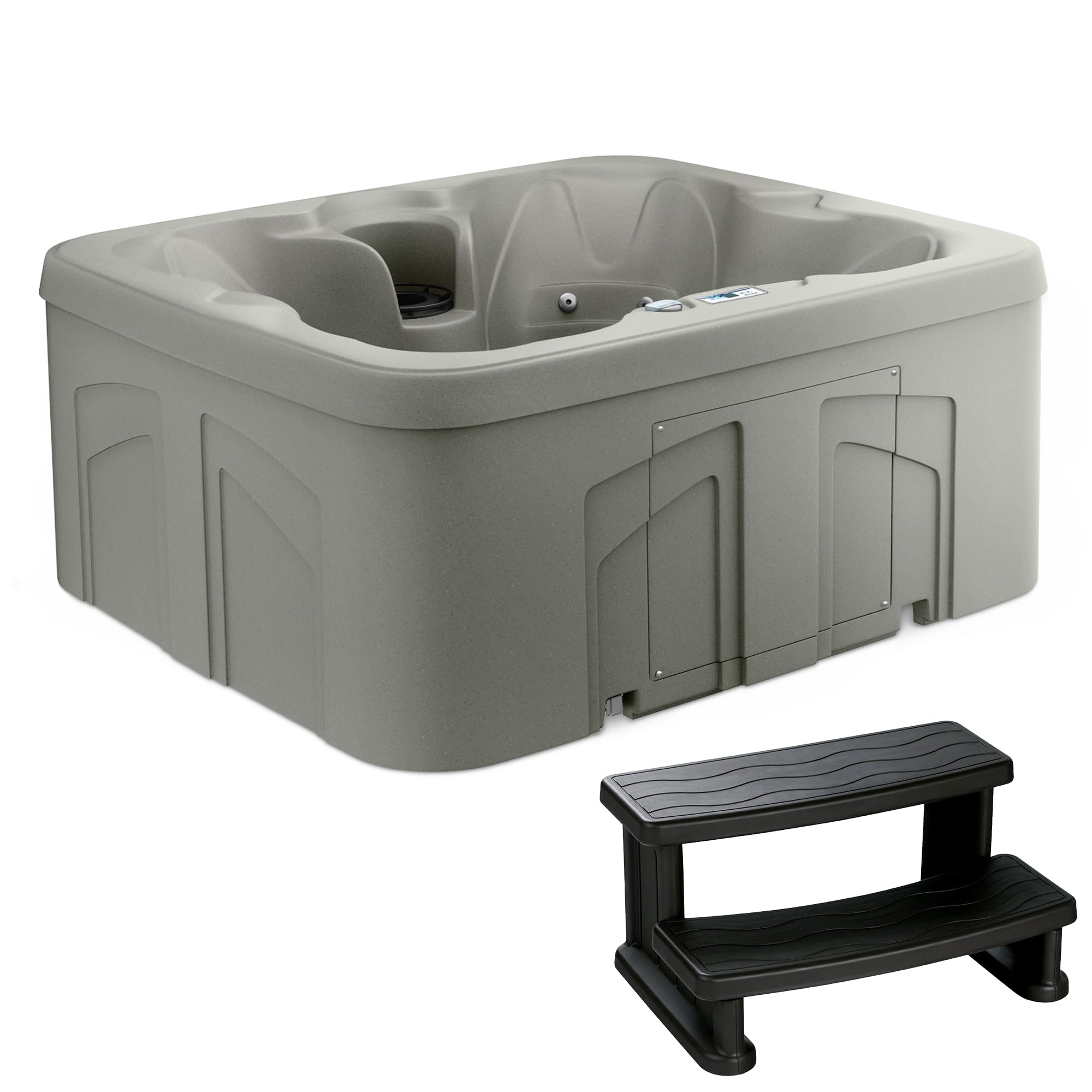


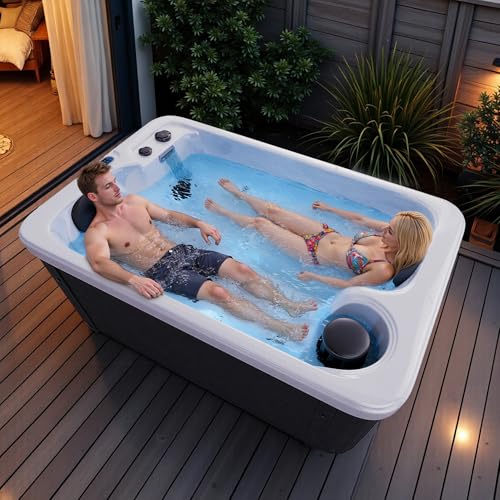
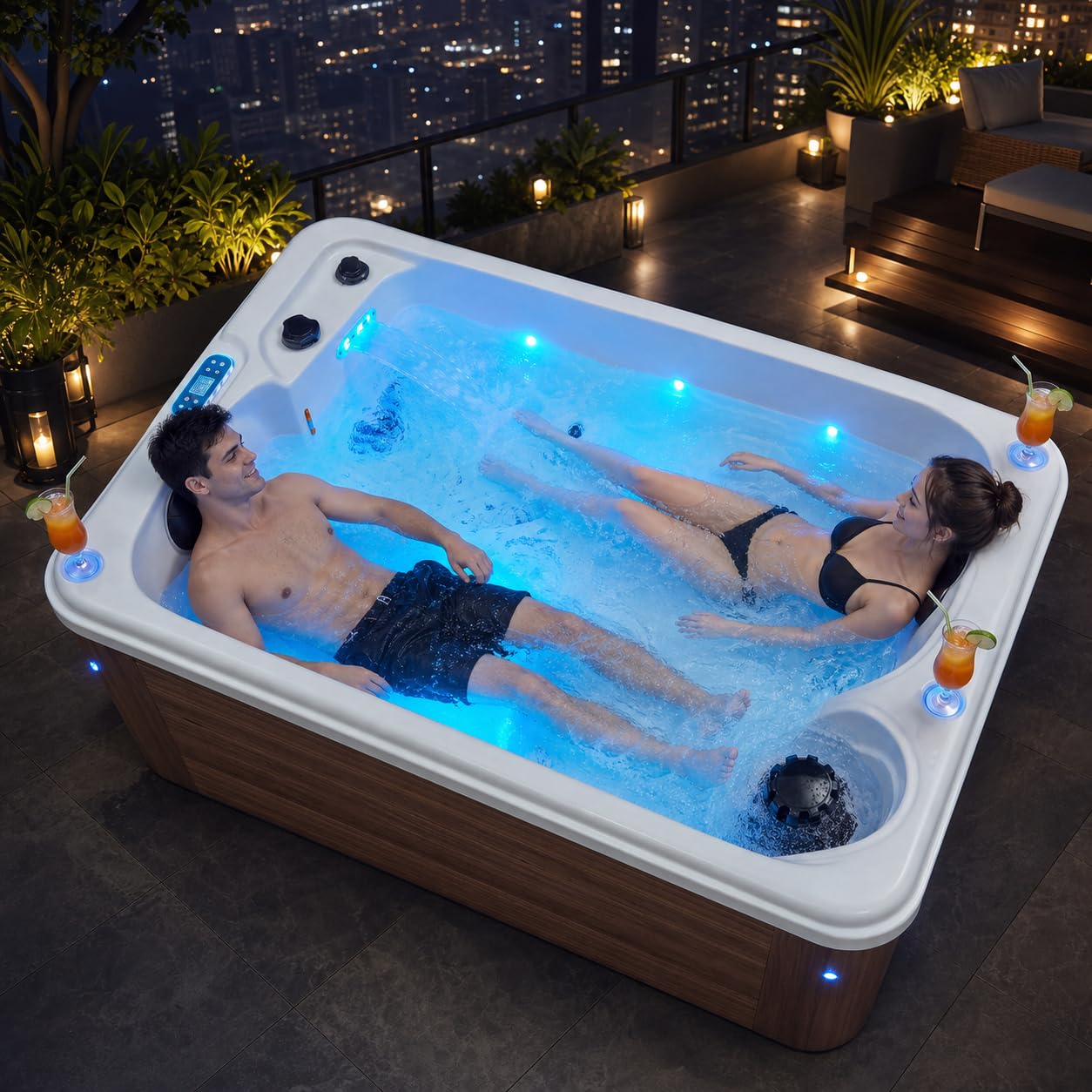
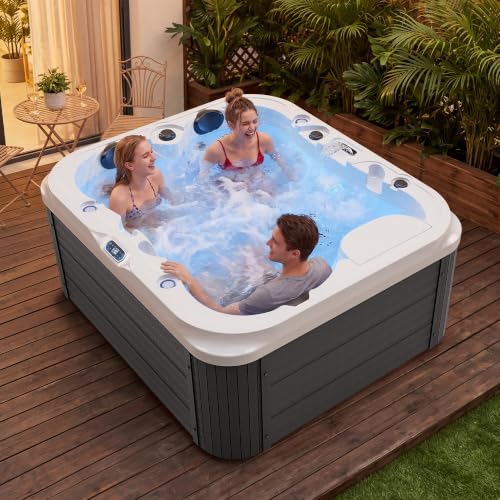
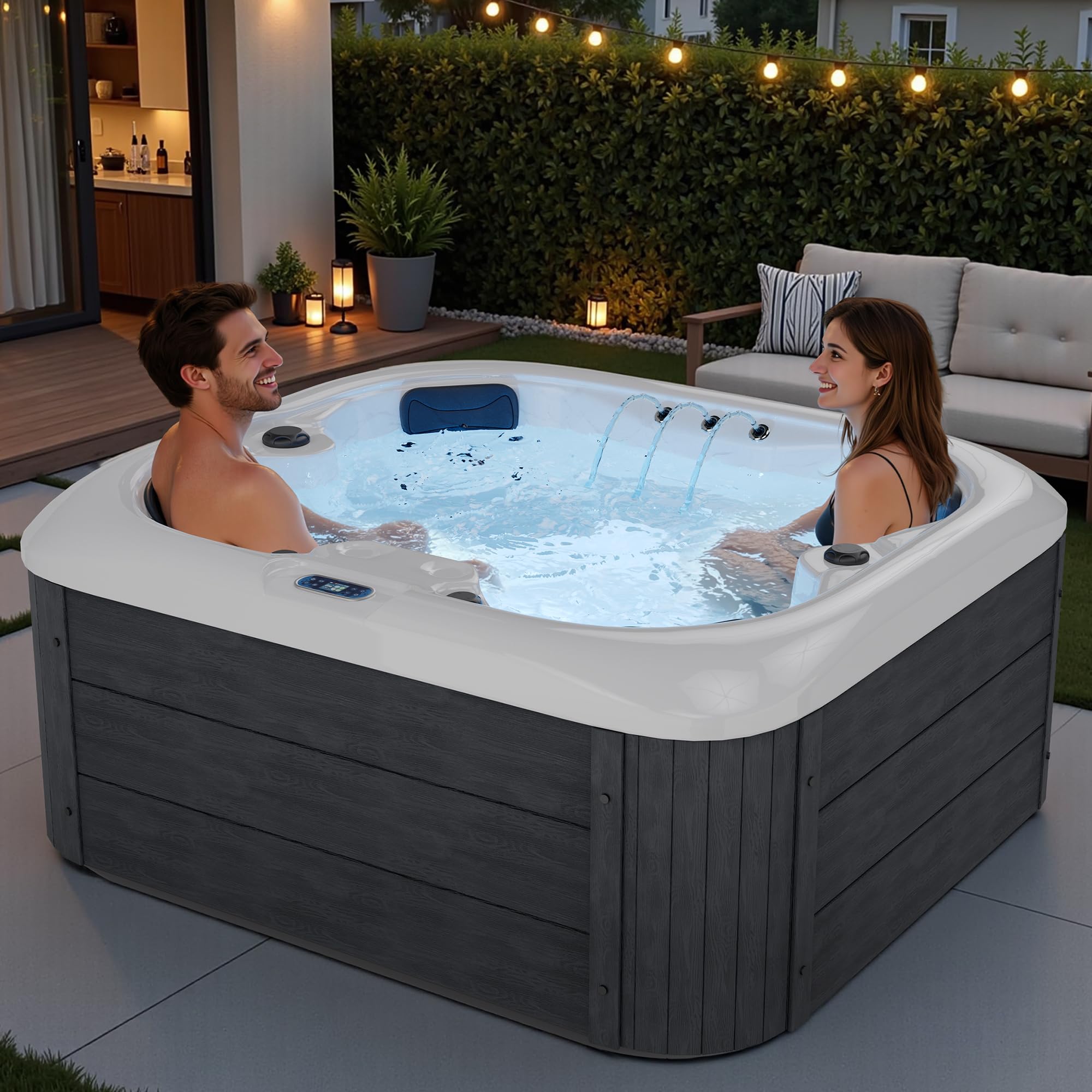
How We Evaluate Plug and Play Hot Tubs
Treat each criterion as a pass or fail gate first, then as a comfort upgrade second. A tub that fails on electrical safety, insulation, or warranty support is not a bargain at any price.
What You Can Realistically Get on a Budget
Around $2,500 to $4,000, expect a two to five person shell, one pump, a modest jet count, and basic insulation, with heat that recovers more slowly when the cover is off in cold weather. Around $4,000 to $6,000, you can often find fuller insulation, a stronger pump, better covers, and more comfortable seating. What budget models usually cut is insulation depth, pump power, and control features. Do not cut on cover quality or insulation, because those two decide your monthly electricity cost for years.
Intended Use and Who It Is For
Decide whether the tub is mainly for two people unwinding, for family splash time, or for easing sore muscles after training. Seat count on a listing is often optimistic, so look at the water volume and the layout of molded seats rather than the headline number. A lounger seat suits solo soaking but reduces open space for children. If most soaks will be a couple in the evening, a well shaped two or four person tub will feel roomier and cost less to heat than a large shell that mostly sits half empty.
Build Quality and Materials
An acrylic shell with a solid frame generally feels sturdier and lasts longer than thin rotationally molded designs, though modern molded shells can be durable and lighter to move. Check the cabinet panels for flex, the cover for a tight seal and strong handles, and the base for a sealed underside that keeps out moisture and pests. Steps, handrails, and the cover lifter matter for daily ease and safety. Ask how the tub is delivered and what access width you need, because a solid shell cannot squeeze through a narrow gate the way an inflatable can.
Warranty and Customer Support
Read the warranty by part, not as a single headline number. Shell surface, structure, pump, heater, and controls often carry different terms, and labor may be covered for a shorter period than parts. A longer structure warranty with clear local service support is worth real money on a heavy item that is costly to ship back. Keep your receipt, register the product, and note what the warranty requires from you, such as balanced water chemistry. Poorly kept water that damages a heater is a common reason claims are denied.
Key Performance Specs
The specs that shape your soak are heater output, pump strength, jet placement, and insulation. On a standard outlet, the heater often pauses or runs at reduced power while the jets are on high, so water cools faster during long and lively sessions. Jet placement that targets the back, shoulders, and feet matters more than a huge jet count sharing one modest pump. Full foam or well fitted panel insulation keeps heat in and supports the plumbing. Also check gallons, dry weight, and filled weight, because your deck or slab must carry the total load safely.
Safety and Certifications
Only plug a hot tub into a grounded outlet protected by a ground fault circuit interrupter, and never use an extension cord. Keep the outlet and cord dry, follow the maker clearances, and have an electrician check any doubt about your circuit. Look for recognized electrical certification and a locking cover. Children must always be supervised in and around the tub, and anyone who is pregnant or has a heart condition, low or high blood pressure, or another health concern should talk with a doctor before using hot water immersion. Set a moderate temperature and limit soak time.
Price Tiers That Pass Our Checklist
All Around Tier
The all around tier, often around $4,000 to $5,500, balances a sturdy shell, decent insulation, a capable pump, and seating for three to five people. This is the tier where heat recovery, jet strength, and cover quality usually feel adequate through winter, not just in mild weather. It suits households that will soak several times a week and want low fuss ownership. The limit is that you still share power limits with every plug and play design, so very long group sessions in deep cold will cool the water gradually.
Value Tier
The value tier, often around $2,500 to $3,500, covers compact two to four person tubs with simpler controls and insulation. It suits couples, small patios, and buyers testing whether hot tub life fits their routine before spending more. You save money up front, but you may pay a little more per soak in electricity and accept slower heating. A practical know how point is to place a value tier tub in a sheltered spot out of the wind, which noticeably reduces heat loss and running cost without any upgrade purchase.
Best Premium Tier
The premium tier within plug and play, often around $5,500 to $7,000, adds fuller insulation, stronger pumps, better hydrotherapy seating, ozone or advanced water care options, and longer warranties. It suits daily users, people who soak most days, and cold climate owners who need heat retention most. You still avoid hardwired installation costs, which keeps total spending below many traditional tubs. The trade off is a higher purchase price for benefits you mainly feel over years, so it pays off most when you are confident the tub will be used often and kept long term.
Quick Buyer Checklist
- Does my outdoor outlet have ground fault protection and sit within reach of the tub cord without an extension cord?
- Can my deck or base support the filled weight, including people, with a safety margin?
- Does the seating layout fit the people who will soak most often, not just the headline seat count?
- Is the insulation type stated clearly, and is the cover thick, tapered, and locking?
- Do the warranty terms separate shell, structure, pump, and heater, and is service available near me?
- Have I budgeted for chemicals, filters, electricity, and a cover lifter, not just the tub itself?
- Can delivery reach my chosen spot, given gate width, steps, and overhead clearance?
If you are comparing sizes, our guide to the best 2 person plug and play hot tubs explains the space and running cost advantages of a compact shell.
Red Flags to Watch For
- Vague insulation claims with no detail on foam, panels, or cover thickness.
- No recognized electrical certification, or instructions that seem casual about outdoor outlets.
- A very short warranty, especially on the heater and pump, with no clear service network.
- Jet counts that sound huge for a single small pump, which usually means weak pressure at each jet.
- Prices far below similar tubs with no explanation, which can signal old stock, thin shells, or poor support.
For a wider view of the category beyond the plug in format, see our guide to the best affordable hot tubs and note which features change when a tub is hardwired instead.
How to Make Your Plug and Play Hot Tub Last Longer
Read the manual before first use, especially the water chemistry and filter cleaning sections. Clean and inspect regularly, rinse filters on schedule, and replace them when they no longer come clean. Keep the cover on when the tub is empty of people, both to hold heat and to keep debris and children out. Store chemicals in a dry place away from children and pets. In freezing weather, never let a filled tub sit without power for long, because ice can damage plumbing. Wipe the waterline weekly to stop buildup becoming a stubborn stain.
FAQs
How long does a plug and play hot tub last?
A well kept solid shell tub commonly lasts eight to twelve years, with pumps, heaters, and covers needing service or replacement sooner. Water chemistry is the biggest factor you control, because unbalanced water corrodes heaters and fades shells. Covers often need replacing after four to five years as the core absorbs moisture and grows heavy. Regular filter care and keeping the cover sealed in winter will push your tub toward the longer end of that range.
Are expensive plug and play hot tubs worth it?
They can be, when the extra money buys insulation, pump strength, and warranty length rather than lights and speakers. In a cold climate or with daily use, better insulation alone can repay part of the difference through lower electricity bills. For occasional weekend soaks in a mild climate, a mid priced tub usually delivers most of the experience. Our guide to the best ranked hot tubs shows how higher tiers differ in build and features.
How do I maintain a plug and play hot tub?
Test the water two or three times a week, keep sanitizer and pH in the ranges the manual states, and rinse the filter every few weeks. Drain and refill every three to four months, depending on use, because dissolved solids build up and make chemistry harder to balance. Shower before soaking on heavy use days to reduce lotions entering the water. Always supervise children, and keep chemicals locked away. If anyone in the household is pregnant or manages a heart condition, ask a doctor about safe temperatures and soak times.
How much should I spend on a plug and play hot tub?
Most households should budget around $3,500 to $5,500 for the tub, plus delivery, chemicals, filters, and higher electricity use. Spending below that range can work for a compact tub in a mild climate, but check insulation and warranty closely. Above that range, confirm you are paying for build and efficiency, not decoration. If you love the spa format generally, our guide to the best jacuzzi hot tubs covers the branded spa side of the market for comparison.
What features matter most when buying plug and play hot tubs?
Insulation, cover quality, pump and heater performance, and seating fit matter most, in that order for most owners. They decide running cost, comfort, and how the water feels after twenty minutes, not just at the start. Jet placement beats jet count, and a locking cover with real thickness beats extra lighting. Finally, confirm the electrical needs match your home. Our guide to the best plug n play hot tubs adds more detail on outlet and setup questions.
Final Thoughts
Judge a tub by insulation, safety, seating fit, and warranty before you look at jet counts or lights. Then compare your shortlist in the product table above and total the real ownership cost, including power and water care. Chosen with that discipline, the best affordable plug and play hot tubs give you years of easy evening soaks without an electrician visit or a surprise on your energy bill.