
Best Affordable Bedding: Buying Guide for 2026
Disclosure: We may earn a commission when you buy through links on this page, at no extra cost to you. As an Amazon Associate I earn from qualifying purchases. Learn more
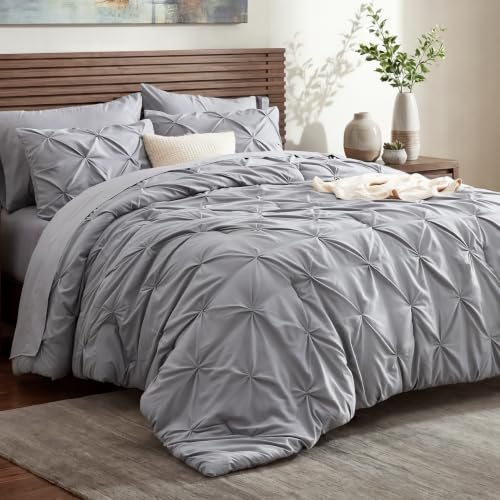
Shop best affordable bedding with confidence: compare fabric, weave, size, care and durability before choosing sheets, comforters or a duvet cover.
Finding best affordable bedding starts with a simple question: what part of your sleep setup needs help first, the sheets, the duvet cover, the pillows, or the blanket? A low price does not have to mean scratchy fabric or seams that fail after a few washes, but it does mean you should check fabric, weave, size, and care labels more carefully. The product table gives a quick view of the picks in the table, and this guide explains how to judge each one without overspending.
Affordable bedding works best when you set realistic expectations. At a lower price you can often get soft cotton, a clean weave, and a good fit, but you may give up extra deep pockets, fancy trims, or a very long warranty. This guide shows where it pays to spend a little more, where a basic option is enough, and how to care for bedding so it lasts through many washes.
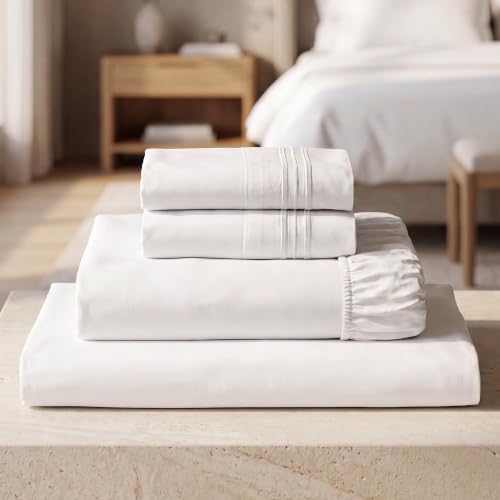


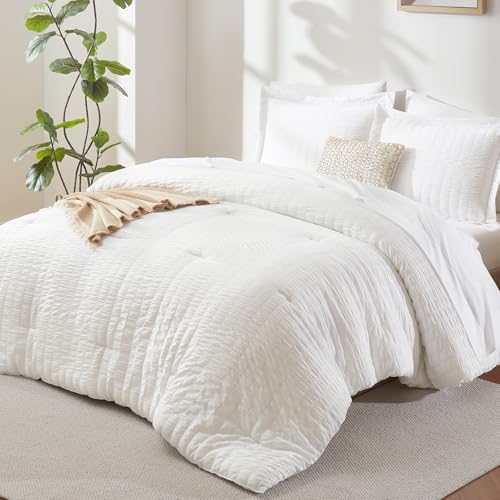
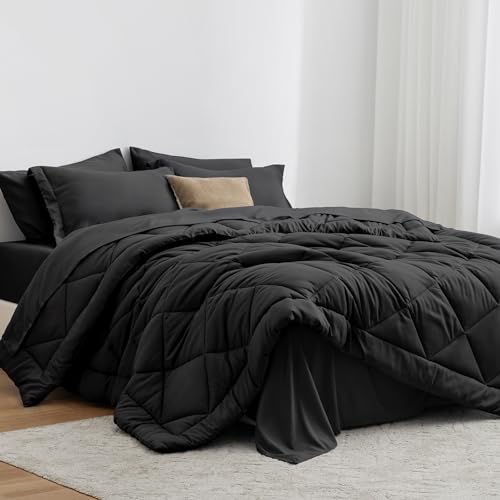

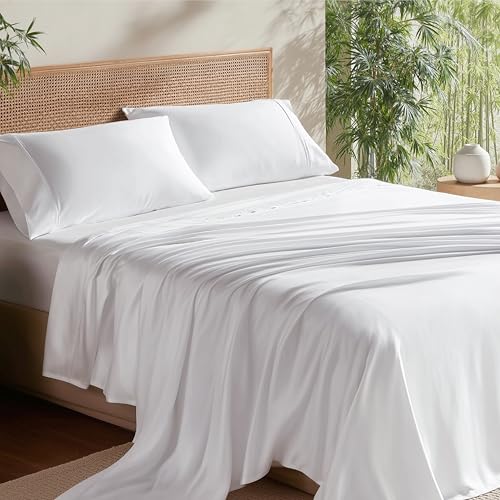
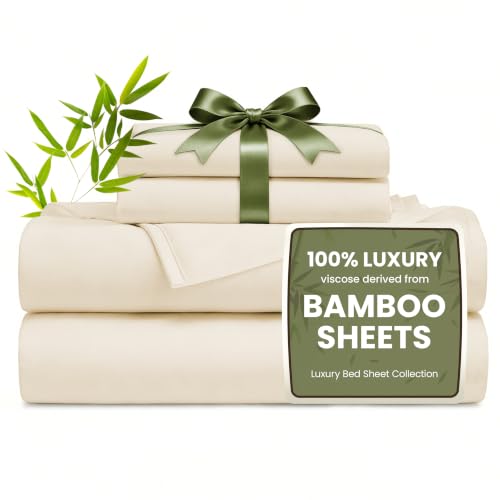
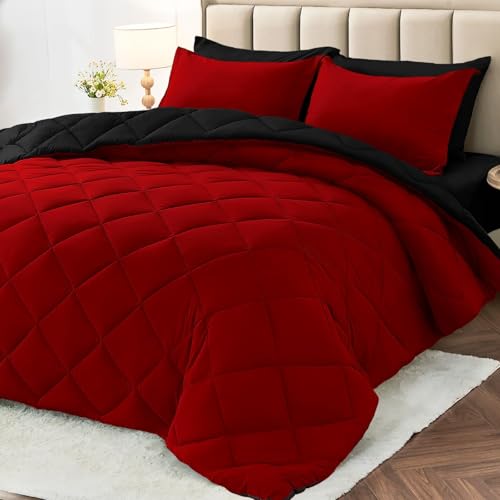
Who Should Buy Which Affordable Bedding?
First Homes and Guest Rooms
If you are setting up a first home, a dorm room, or a guest room, look for sets that include the pieces you need most and wash well without special care. A plain cotton sheet set and a simple duvet cover can cover most needs, and a second set makes laundry days much easier. For guest rooms, choose a neutral color and a medium weight fabric that suits warm and cool sleepers alike.
Hot Sleepers and Warm Climates
Hot sleepers should focus on breathability, a lighter weave, and fabric that dries quickly after washing. Percale cotton, linen blends, and bamboo blends often feel cooler than a dense sateen, and a lighter blanket can help on warm nights. Avoid heavy fills and tight weaves if you often wake up feeling warm, and check whether the duvet cover has corner ties that stop the insert from bunching.
Families and Shared Beds
Families and couples need bedding that survives frequent washing, resists pilling, and stays in place through the night. Deeper fitted pockets, strong elastic, and reinforced seams matter more here than a luxury finish. If two people share a bed and prefer different warmth levels, separate light blankets or a duvet with a simple top layer can be a practical compromise.
How to Choose Affordable Bedding: A Buying Guide
What You Can Realistically Get on a Budget
On a budget of about $30 to $80 for a sheet set, you can usually expect decent cotton or a cotton blend, a clean stitch, and a range of solid colors. You may not get extra long staple cotton, hand finished hems, or a very high thread count, and that is fine for most sleepers. Spend a little more on the pieces that touch your skin every night, such as sheets and pillowcases, and save on decorative layers that are used less often. If a set promises luxury features at a very low price, read the care label and the fabric content first, since those details are more reliable than marketing words.
Material and Fill
Cotton remains the most common choice for affordable sheets, with percale offering a crisp cool feel and sateen offering a smoother softer surface.
For an overview of makers and fabric quality, see our guide to best bedding brands. Linen feels airy and textured but wrinkles easily, while bamboo blends often feel silky and drape well. For duvets and comforters, down gives light warmth and a soft loft, while down alternative fill suits people with allergies and usually washes more easily. The product table can help you compare options side by side before you decide on a weight and feel.
Certifications
Certifications can help you judge material claims without taking a label at face value. OEKO TEX Standard 100 checks that textiles meet limits for harmful substances, while the Responsible Down Standard covers animal welfare for down products. For foam pillows or mattress toppers, CertiPUR US checks foam content and emissions. A certification is not a guarantee of comfort, but it does show that an independent program reviewed the product against a clear standard.
Comfort, Feel, and Support
Bedding does not replace a mattress or a pillow, but it does change how a bed feels. If mattress support is the main issue, compare options in our guide to best most affordable mattresses.
A smooth sateen can feel cooler to the touch at first, while a brushed fabric can feel warmer and softer on cold nights. Pillowcases matter here too: a pillowcase that fits snugly and stays smooth can reduce bunching and help a pillow keep its shape. If you have back, shoulder, or hip discomfort, focus on pillow height and mattress support first, and talk with a clinician about persistent pain rather than expecting sheets or a cover to treat it.
Size and Fit
Measure your mattress before you order, including its depth, since fitted sheets fail most often when the pocket is too shallow. Twin, twin XL, full, queen, king, and California king sizes differ in both width and length, and a sheet made for one size will not fit another well. Check the pocket depth on the label, look for elastic that runs all the way around the fitted sheet, and confirm that a duvet cover matches the insert size you already own. A good fit also keeps bedding in place and reduces wrinkles that can feel uncomfortable overnight.
Durability and Care
Durability depends on fabric, stitching, and washing habits. Strong seams, a tight even weave, and colorfast dye all help bedding last longer, while very thin fabric may tear at the corners after repeated washing. Most affordable bedding can be machine washed in warm water and dried on low heat, but always follow the maker care label for your set. A clear return policy can be useful when buying online, since feel is hard to judge from photos alone.
Sleeping With a Partner
Shared beds create two common problems: covers that get pulled to one side and fabric noise that disturbs a light sleeper. A duvet cover with corner ties, a fitted sheet with strong elastic, and a smooth quiet fabric can reduce both issues. If one partner runs hot and the other runs cold, a medium weight duvet with a separate light blanket gives each person more control.
| Fabric Type | Feel | Best For |
|---|---|---|
| Cotton percale | Crisp and cool | Hot sleepers |
| Cotton sateen | Smooth and soft | Cooler rooms |
| Linen blend | Airy and textured | Warm climates |
| Down alternative | Light and easy care | Allergy sensitive sleepers |
Types of Bedding
Cooling Fabrics
Cooling fabrics are made to move air and moisture away from the body, often through an open weave or a fiber blend that dries quickly. They suit hot sleepers and warm rooms, but they may feel thin or less cozy in winter. Look for a fabric that stays breathable after washing, not only on the first night, and pair it with a light blanket rather than a heavy cover.
Cotton (Percale and Sateen)
Percale is a plain weave that feels crisp and matte, while sateen uses a weave that gives a smoother surface with a slight sheen. Percale usually feels cooler and holds its shape well, while sateen feels softer and drapes more closely around the body. Both can be good affordable choices, so choose based on whether you prefer a cool crisp feel or a soft smooth feel.
Down and Down Alternative
Down offers a light loft and good warmth for its weight, but it needs careful washing and may not suit people with allergies. Down alternative fill, often made from polyester fibers, gives a similar puffy feel, usually costs less, and can often be machine washed at home. For affordable bedding, down alternative is often the simpler choice, especially for guest rooms and family beds that need frequent cleaning.
Tips to Get the Most From Your Bedding
- Wash sheets weekly in warm water to remove sweat, skin cells, and dust, and dry them on low heat to protect the fibers.
- Use a mattress protector under your sheets to guard against spills and stains, and wash the protector on the schedule given by its maker.
- Fluff and air out pillows regularly, and replace a pillow that stays flat or lumpy after washing and drying.
- Rotate your sheet sets so each set gets equal use, which helps even out wear and fading.
- Keep bedding away from heaters and open flames, and follow the manufacturer's guidance for your fabric type.
- Store spare sets in a clean dry place, away from damp walls, so they stay fresh between uses.
Frequently Asked Questions
Are cooling beddings worth it for hot sleepers?
Cooling bedding can be worth it for hot sleepers, especially when the fabric uses an open weave and dries quickly. The benefit is real but modest: cooling sheets can help you feel less warm at first, yet they will not fix a hot room or a heavy mattress that traps heat. Pair cooling sheets with a light blanket, good airflow in the bedroom, and a breathable pillow for the best result. If night sweats are new, frequent, or severe, talk with a clinician, since bedding alone is not a treatment.
Is a higher thread count always better for bedding?
A higher thread count is not always better, because fiber quality, weave, and finishing matter just as much as the number on the label. A well made cotton sheet with a moderate thread count can feel better and last longer than a thin sheet that claims a very high count through multi ply yarns. Focus on the fabric content, the weave type, and how the sheet feels after a wash, rather than chasing the highest number. For affordable bedding, a count in the range makers commonly list for everyday cotton is usually enough.
How often should bedding be replaced?
Most sheets and pillowcases last about two to three years with weekly washing, while duvet covers and blankets can last longer if they are washed less often and stored well. Replace bedding when seams split, elastic loses its grip, fabric thins at the corners, or stains and odors remain after washing. Pillows usually need replacement sooner, often every one to two years, when they no longer spring back or support your head evenly. Keeping a second set in rotation can extend the life of each set.
How do I wash bedding safely?
Wash bedding in warm water on a gentle cycle, unless the maker label gives a different temperature, and avoid overloading the machine so sheets can move freely. Use a mild detergent, skip fabric softener on most cotton and linen, and dry on low heat to reduce shrinkage and wear. Wash new colored sets separately at first to check for dye transfer, and always check the label for down or specialty fills that may need a larger machine or professional cleaning.
What bedding firmness is best for back pain?
Bedding alone does not treat back pain, and no sheet or cover can replace proper mattress support and pillow height. A pillow that keeps your neck in a neutral position and a mattress that supports your natural curve matter far more than the firmness of a sheet. If you wake with back pain that lasts, worsens, or comes with numbness, weakness, or other worrying signs, talk with a clinician rather than trying to fix it with bedding. For comfort, choose a smooth fabric that does not bunch under you and a pillowcase that fits your pillow well.
Final Thoughts
Affordable bedding works best when you match fabric and fit to your sleep style, rather than buying the cheapest set on the page. Spend a little more on sheets and pillowcases that touch your skin, check pocket depth and care labels, and choose a washable fill that suits your household. Before you order, review the product table once more and confirm the size, fabric, and care needs for your bed. That careful check will help you choose best affordable bedding that feels good, washes well, and lasts through many nights.


