Best Affordable Microwaves for 2026: Budget, Midrange, and Premium Bands
Disclosure: We may earn a commission when you buy through links on this page, at no extra cost to you. As an Amazon Associate I earn from qualifying purchases. Learn more

What the best affordable microwaves deliver at each price band, how wattage and size classes differ, and which upgrades are worth paying for.
Microwave prices stretch from small countertop boxes to large fitted units, and the gap between bands is wider than most shoppers expect. The best affordable microwaves are not simply the cheapest ones on the shelf; they are the ones whose size, wattage and controls match your kitchen without paying for capacity you will never fill. This guide works through the bands in order, starting with the measuring step that decides everything else.
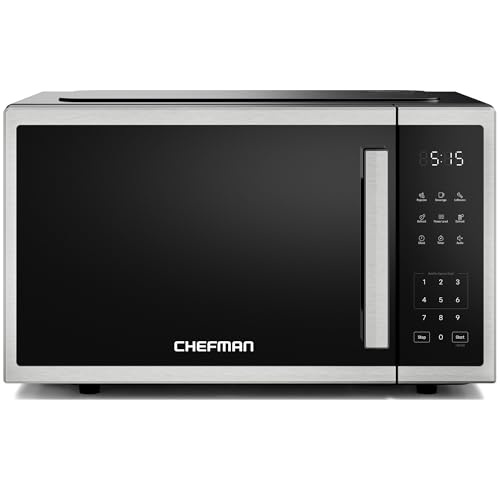
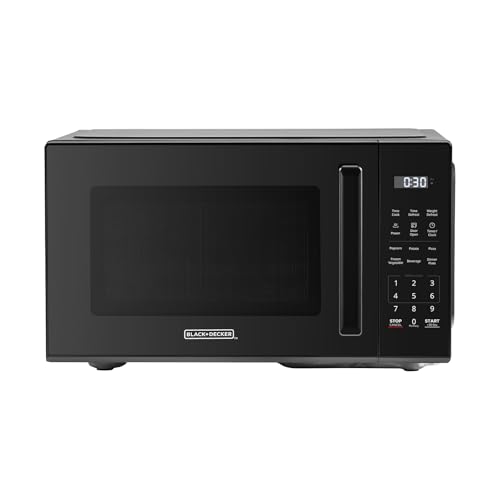
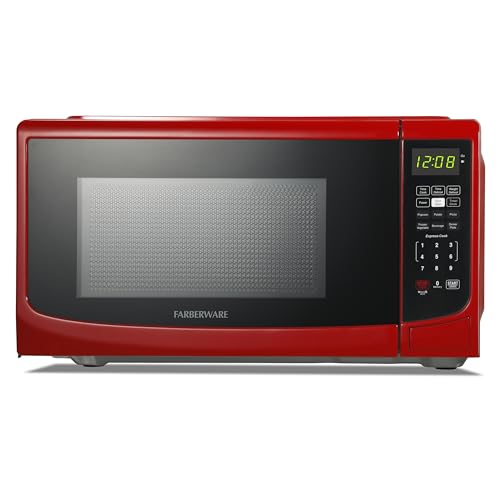
Each band below states what the money honestly buys, where makers cut corners, and who should stop at that level. The product table lists current options, and the sections after it explain the specs behind the prices.



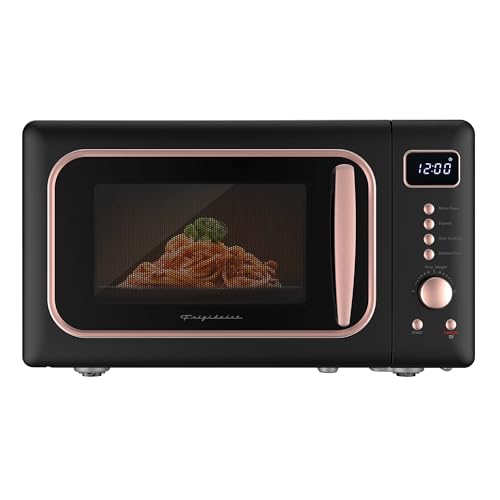

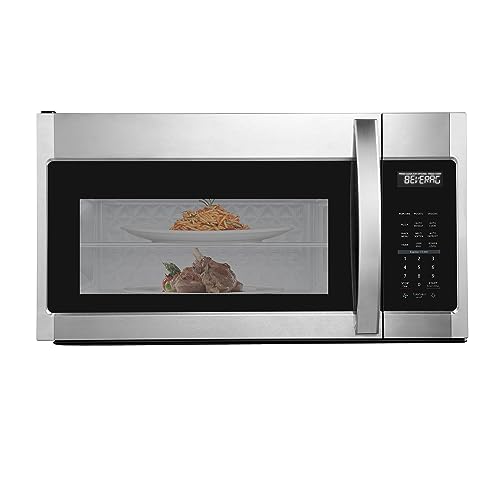
Measure First: Counter Space and Plate Size
Before looking at prices, measure the counter space the oven will occupy, including room at the back and sides for air to move. Then check the dinner plates and the tallest mug or bowl you reheat often, because the turntable diameter and interior height decide whether your everyday dishes fit at all. A microwave that forces you to change every plate in the cupboard is not a bargain at any price.
Interior size is stated in cubic feet, and the honest classes are simple. Compact interiors suit one person reheating single portions, family interiors take a full dinner plate and a medium casserole, and large interiors add width for wide dishes. Treat the family class as a capacity class rather than a luxury step, since cooking for four in a compact oven means batch after batch of reheating.
What Each Price Band Delivers for Affordable Microwaves
The bands below use the countertop market as the reference, since that is where most affordable buying happens. The product table shows how the same bands appear across the current range.
Entry Band: About $60 to $110
Entry band ovens are compact countertop units with basic dials or simple keypads, modest wattage and a short list of preset buttons. They reheat drinks, soup and leftovers reliably, and they suit dorms, offices and single person kitchens. The honest trades are slower cooking, smaller plates and fewer defrost options. Within the best affordable countertop microwaves class, this band is where most first purchases land.
Middle Band: About $110 to $200
The middle band is where family sized interiors, fuller wattage and sensor controls begin to appear together. Cooking evens out, defrosting improves, and the keypad gains useful presets rather than novelty ones. For most households this band is the sensible ceiling, because the gains above it are about convenience and finish rather than basic cooking ability. Shoppers comparing the wider best countertop microwaves field will find the same step pattern.
Upper Band: About $200 to $350
Upper band countertop ovens add inverter power delivery, larger interiors and sometimes convection cooking in the same cabinet. The food benefits are real for households that cook rather than only reheat, and controls and interiors feel better finished. The trade is size and price together, since these units are wide, deep and heavy. Buy into this band for a named need, such as even defrosting or baking, rather than for general quality feelings.
Wattage Decides Cooking Speed
Wattage is the spec that most directly changes your evening. Higher wattage classes heat food faster and more evenly, while low wattage compacts need noticeably longer for the same mug or plate. Recipe and packaging times are written for a stated wattage, usually a full power class, so a weaker oven needs extra time added and a short standing pause so heat can spread.
The bands line up with wattage in a fairly steady pattern, summarised below.
| Band | Typical wattage class | Typical interior | Honest fit |
|---|---|---|---|
| Entry | Lower, around 600 to 800 watts | Compact | Drinks, soup, single portions |
| Middle | Mid, around 900 to 1,100 watts | Family | Full plates and casseroles |
| Upper | Full, around 1,100 to 1,250 watts | Family to large | Cooking as well as reheating |
Inverter models deserve one plain sentence. Instead of cycling full power on and off, an inverter delivers steady lower power, which defrosts and reheats delicate foods more gently. The benefit shows in edge cases like melting and defrosting rather than in boiling water speed.
Controls, Sensors and Presets
Sensor cooking measures steam from the food and adjusts the time itself, and it is the one convenience feature that earns its price for most households. A good reheat sensor ends the guesswork of adding thirty seconds twice. Popcorn and potato presets are useful when they are tuned well, and a long tail of novelty presets for snacks you never make is not worth paying extra to get.
One caution about ratings and roundup scores is worth stating plainly. When you see lists of best reviewed microwaves, remember that a high score mostly reflects the mix of households who bought that class, so a compact with happy single users is not evidence it will serve a family of five. Match the class to your household first, and let scores break ties afterwards.
Combination Cooking and Features to Skip
Convection and air fry combinations put a heating element and fan beside the microwave cooking, so one cabinet can crisp as well as reheat. They earn their premium in small kitchens where a separate oven or fryer has no home. In a kitchen that already has a good oven, the combination mostly duplicates what you own, and the microwave part is what you will use daily.
Features that rarely repay their cost include oversized preset libraries, decorative finishes that show every fingerprint, and smart controls that need an account before the keypad works. Spend instead on interior size you measured, wattage in the class your household needs, and a door that feels solid, because those three things decide satisfaction years later.
Fitted Classes Above the Counter
Some kitchens place the microwave over the range or inside a cabinet run instead of on the counter. Over the range units combine cooking with a vent fan for the hob below, and their true cost includes fitting, ducting decisions and a cabinet check. The best overhead microwaves class suits kitchens where counter space is the scarcest resource in the room.
Built in and drawer classes cost more again and usually belong to a planned refit rather than an affordable replacement. If your current oven sits on the counter, staying with a countertop class keeps the whole purchase inside the bands in this guide. Changing class mid shop is the most common way an affordable purchase quietly doubles.
Door, Seal and Everyday Safety
The door and its seal are safety parts, not cosmetic ones. A door that is bent, a latch that no longer closes cleanly, or a seal that is cracked or loose means the oven should be retired rather than repaired at home, because the door system is what keeps the energy inside the cabinet. This rule has no budget exception, and it applies to a nearly new oven exactly as it does to an old one.
Two habits protect both the oven and the cook. Never run the oven empty, since the energy has nowhere to go and can damage the interior over time. And give reheated food its standing time, because the temperature keeps evening out after the beep, which is part of how the stated cooking times were designed to work. Always follow the manufacturer's instructions.
Long Term Costs to Count
A microwave has almost no running accessories, which is part of its appeal. The real long term costs are a replacement turntable plate if one chips, the electricity for daily use, and eventual replacement of the whole unit. Ovens in every band tend to serve for years of ordinary use, and controls and door latches usually age out before the cooking system does.
Warranty length varies by band, with longer cover appearing as prices rise. Read what the warranty actually covers before valuing it, because some cover parts while the labour charge stays with you. A middle band oven with clear cover can be a calmer purchase than an upper band oven whose warranty is mostly decorative wording.
Care That Keeps It Cooking Evenly
Microwave care is light but not optional. Wipe the interior while spills are still fresh, because dried food absorbs energy on the next cycle and can scorch or stain the walls. Wash the turntable plate in warm soapy water and check its support ring rolls freely, since a plate that sticks leaves one side of the dish undercooked.
Once a month, heat a bowl of water with a slice of lemon until the interior steams, then wipe everything down once it cools. The steam loosens film that ordinary wiping misses, and the habit keeps odours from building up between one strong flavoured meal and the next plain one.
Questions Answered
Is 1,000 watts enough for a family microwave?
Yes, a model in the 1,000 watt class is enough for family reheating and everyday cooking, and it matches the wattage most packaged food times assume. Larger households that cook big dishes often may prefer the next class up for speed. The more common mistake is buying a low wattage compact for a family kitchen, which stretches every meal, rather than buying the standard class and worrying it might be too weak.
How do I know whether a microwave will fit my largest plate?
Measure the plate across its widest point, then compare that figure with the turntable diameter and the interior width in the specification. The plate needs a small margin on each side so it can rotate without catching the walls. Also check the interior height against your tallest reheating jug or bowl. Doing this before ordering avoids the most common return reason for compact models bought for family use.
Does a microwave need space around it on the counter?
Yes, countertop microwaves draw in and release air through vents on the sides, back or top, and those vents need the clearance the manual states. Pushing the oven tight against a wall or stacking items on top shortens its life and can cause shut downs during long cooking. Leave the stated gap, keep the vents free of crumbs and grease, and never place the oven inside a closed cabinet unless it is a class built for that fitting.
What is the difference between sensor reheating and timed reheating?
Timed reheating runs for the minutes you set and stops regardless of the food, while sensor reheating watches the steam the food releases and stops when the food reaches serving temperature. The sensor method copes far better with mixed plates, where rice, vegetables and sauce all heat at different speeds. It is not perfect for tiny portions, which release little steam, so small amounts still suit short timed bursts with a stir in between.
Can a microwave replace a countertop oven for a small household?
For reheating, defrosting and simple cooking, yes, and many small households already use it that way. The limit is browning and crisping, which plain microwave cooking cannot do, so foods that rely on a crisp surface disappoint. A combination class with convection cooking narrows that gap at a higher price. Households that rarely roast or bake can reasonably let the microwave carry the daily work and skip a second appliance.
Final Thoughts
Measure the space, pick the wattage class your household actually needs, and let the band follow from those two facts. That order is what separates the best affordable microwaves from the merely cheap ones, and it keeps the fitted classes from tempting you into a refit you did not plan. Spend on size and power, skip the novelty presets, and the oven will quietly earn its counter space for years.