
Best Affordable Food Processors in 2026: Types Compared and How to Choose
Disclosure: We may earn a commission when you buy through links on this page, at no extra cost to you. As an Amazon Associate I earn from qualifying purchases. Learn more

Compare the best affordable food processors by type, bowl size, wattage and discs, with honest budget expectations and plain price bands for each class.
A shelf of food processors confuses buyers because one name covers small choppers, wide bowl workhorses and machines that knead dough. This guide compares best affordable food processors by type first, so you can see what each class actually does before you weigh features. No class wins at everything, and the cheapest class that fits your cooking is usually the right purchase.
The comparison table below lines up the main types side by side with typical prices and honest trade offs. After that, the guide walks through bowl size, blades and discs, motor power and bowl materials, then closes with care tips and answers to common questions.




How Food Processors Compare to Other Options
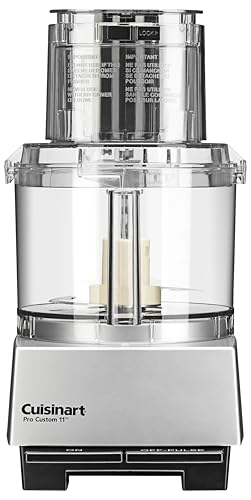
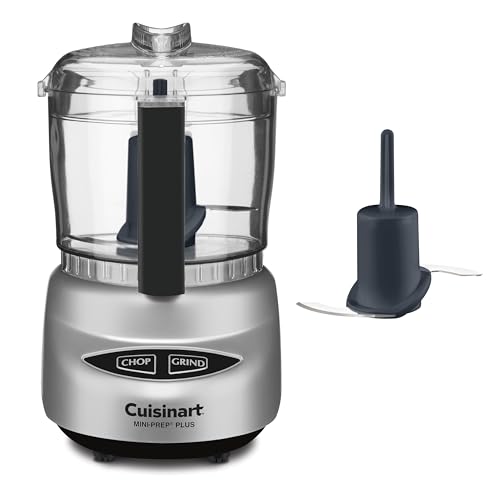
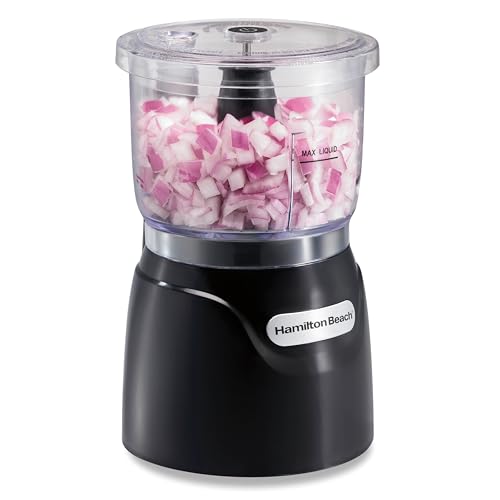
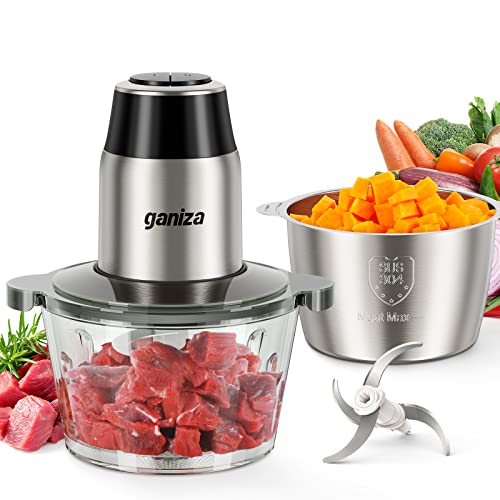
A food processor earns its counter space with a wide bowl, a flat blade that sits close to the bottom and quick bursts of power you control with a pulse button. A blender works differently, pulling food down a tall jar into a vortex, which suits liquids and struggles with thick or dry mixtures. The product table above lists current prices and capacities, while the table and comparisons below explain the classes behind those listings.
| Type | Best For | Pros | Cons | Typical Price |
|---|---|---|---|---|
| Food processors | Chopping, slicing, shredding, dough | Wide bowl, discs, strong pulse control | Weak at smooth drinks | around $40 to $180 |
| Blender and food processor combos | Small kitchens, mixed jobs | Two tools on one base | Smaller bowl, more parts to wash | around $60 to $150 |
| Personal single serve blenders | One smoothie at a time | Tiny footprint, low price | No dough, small batches only | around $20 to $60 |
| Full size countertop blenders | Smoothies, soups, frozen drinks | Best liquid results | Cannot slice or shred | around $50 to $200 |
Food Processors vs Blender and Food Processor Combos
Listings grouped as best food processors blenders are combo machines, meaning two appliances sharing one motor base, with a jar for drinks and a bowl for chopping. That shared base is the whole appeal for a small kitchen, since one appliance covers smoothies on weekday mornings and salsa or dough on weekends.
The trade offs are real, though. Combo bowls tend to run smaller than the bowls on dedicated processors, disc sets are often thinner, and you wash two containers plus extra lids and seals after a big cooking session. Choose a combo when space matters more than batch size. Choose a dedicated processor when chopping, slicing and shredding are the jobs you do every week.
Food Processors vs Personal Single Serve Blenders
A personal blender is built around one job: a single smoothie blended in the same cup you carry out the door. It is cheap, stores in a drawer and rinses in seconds. What it cannot do is everything that needs a wide bowl and a flat blade.
It will not knead dough, shred a block of cheese, slice onions evenly or chop nuts without turning the bottom layer to paste. If your cooking involves dips, pastry, grated vegetables or big batches of chopped onions, a personal blender is a side tool at best. If drinks for one are truly your only job, it can be your only purchase.
Food Processors vs Full Size Countertop Blenders
A full size blender wins wherever liquid leads. It purees soups silky smooth, crushes ice into frozen drinks and handles hot liquids with a vented lid, all jobs a processor does poorly because its bowl leaks thin liquids past the center post.
The processor wins wherever texture matters: chunky salsa, even slices, shredded cheese, crumb crusts and dough. Many home cooks eventually own both, but the order matters. Buy the machine that matches the food you make most often, and let the second one wait until a real gap shows up in your cooking.
Who Should Choose a Food Processor?
Meal prep cooks gain the most, since a processor turns a bag of onions, carrots and cabbage into a week of ready ingredients in minutes. Bakers who make pastry, pizza dough or biscuit dough at home use the bowl and dough blade constantly.
Sauce and dip makers, from hummus to pesto to chunky salsa, get textures a blender overshoots. Readers setting up a first full kitchen often start with guides to best kitchen food processors, because the machine anchors so many weekly jobs. Skip the category if your cooking is mostly drinks and soups, or if you cook one small meal at a time and a knife and cutting board already feel fast enough.
How to Choose the Best Affordable Food Processors
Work through the checks below in order: bowl size, blades and discs, motor class, bowl material, budget and warranty. Each one narrows the field quickly, and together they keep you from paying for features you will not use.
Bowl Size Comes First
Start with rule one: the cup figure on the box is the size of the bowl, and the useful liquid capacity is smaller, often about half to two thirds of that figure, because liquids climb the walls and slip past the center post. Match the bowl to your household and your batch habits.
Bowls around 3 to 5 cups suit one or two people and small jobs like herbs, nuts and a single dip, and very small kitchens often land on best compact food processors, a class built to store in a drawer or a low cabinet. Bowls around 7 to 9 cups cover most family cooking, while bowls around 11 to 14 cups earn their space only if you double recipes or prep for a crowd.
Discs, Blades and the Feed Tube
The standard S blade handles chopping, mixing and pureeing, and it should sit low and close to the bowl floor so small amounts process evenly. Discs do the slicing and shredding, and a reversible disc that slices on one side and shreds on the other covers most kitchens without extra storage.
Treat the blade as the safety part of the machine: lift it by the center hub and never by the edges, wash it right away so you never reach into soapy water blind, and store it in the bowl or a guard. Feed tube width decides your prep work before the machine even starts. A wide tube passes a whole potato or a block of cheese, while a narrow tube means cutting everything into strips first.
Motor Power and Wattage
The watt figure on the box is a class figure, not a promise of results. What separates classes in daily use is the hardest load you hand the machine, and that load is dough.
A light class under about 400 watts chops, purees and shreds happily, then stalls and walks across the counter under a stiff bread dough. Mid class machines around 400 to 700 watts handle soft doughs and thick nut butters with short rests. If you knead firm dough every week, shop the top of the affordable range and lean on the pulse button, because short bursts protect the motor better than one long run. For everything except dough, technique matters more than watts: dry ingredients, even sizes and patience beat raw power.
Bowl Material: Clear Plastic, Glass and Steel
Most affordable bowls are clear plastic, usually a BPA free copolyester that is light, cheap and easy to read while you work, though it stains with tomato and turmeric and holds odors over time. Glass bowls resist stains and smells and feel solid, but they are heavy, rare in this category and one drop from the counter can end them.
Stainless steel bowls never stain and shrug off drops, yet you cannot see the food inside, which makes pulse control harder for beginners. For most buyers the clear plastic bowl is the sensible default, with one check: the lid latch and center post should feel firm, since those parts fail before the bowl itself does.
What You Can Realistically Get on a Budget
Under about $50, expect mini choppers and small bowls with one blade, basic pulse control and short warranties. Around $50 to $100 buys the honest middle: bowls of 7 to 9 cups, a slicing and shredding disc, a locking lid and motors that cope with soft dough. From about $100 to $180, still inside the affordable idea, you get full size bowls, wider feed tubes, dough blades and sturdier drive parts. That spread is what the best affordable food processors offer at each price band.
Spending past this range moves into the class covered by guides to best quality food processors, where metal drive parts and longer warranties are the main gains. Inside the budget bands, do not save money on the bowl latch or the blade, because those two parts decide how long the machine stays pleasant to use.
Warranty and Motor Reliability
Motor warranties in this category run from about 1 year on the cheapest machines to about 10 years on stronger ones, and the length tells you how the maker rates its own motor.
Read what the warranty covers before you buy: some plans cover the motor only, while bowls, lids and blades count as wear parts with shorter cover or none. Keep the receipt and register the purchase if the maker asks, since proof of purchase date decides most claims. A simple reliability habit helps too. Let a hot motor rest and cool between heavy batches instead of forcing a second full load straight away.
Care and Maintenance Tips
- Rinse the bowl, lid and discs right after use, because dried onion and dough turn a two minute wash into a scrubbing session.
- Wash the S blade by its center hub, dry it at once and store it in the bowl, never loose in a drawer where fingers hunt for it.
- Hand wash slicing and shredding discs to protect their edges, even when the maker allows a dishwasher rack.
- Never fill past the max line marked on the bowl, since overfilling strains the seal and pushes liquid past the center post.
- Wipe the base with a damp cloth and never immerse it, and coil the cord loosely instead of wrapping it tight around the housing.
Food Processors: Your Questions Answered
What is the difference between a blender and a food processor?
The quick check is texture: if the food should stay in pieces you can see and count, use a processor, and if it should pour, use a blender. A processor spreads food across a wide bowl under a flat blade, so you can stop, look through the lid and pulse again to the exact chunk size you want. A blender pulls everything into a vortex that keeps cutting until the mixture runs smooth. Processors also knead dough and shred with discs, two jobs no blender jar can do.
How many watts does a good food processor need?
Match the watts to the hardest job you do weekly, not the hardest job you can imagine. Around 400 watts covers chopping, pureeing and shredding for most homes, and only regular dough kneading argues for more. One point buyers miss: motors in this class have a heat cutoff, so a machine that stops mid batch is usually protecting itself, not broken. Let it cool for a while, split the load into two smaller batches and it will normally run again.
Is a more expensive food processor worth it?
It can be, but the gain is mostly in parts and lifespan rather than in the food itself. Pricier machines tend to keep bowls, lids and disc sets on sale for years, so a cracked bowl is a small replacement instead of a whole new machine.
Cheap machines often vanish from sale quickly, and one broken latch can retire them. If you cook daily, that parts support is worth paying for. If you process food a few times a month, the middle band serves you just as well.
How do I clean a food processor quickly?
The fastest clean is a bowl of warm water with one drop of soap, pulsed for a few seconds, then rinsed and dried. That trick handles most jobs before food dries on. For stains and odors that plain washing leaves behind, a paste of baking soda and water, spread on and left for ten minutes, lifts turmeric color and onion smell from plastic. Keep blades out of the dishwasher even when the maker allows it, because detergents and rattling racks dull the edge faster than hand washing does.
Can a food processor crush ice?
Yes, in small amounts, as long as you pulse a few cubes at a time and add a splash of liquid so the pieces keep moving. A processor makes coarse crushed ice for drinks and shaved style toppings, not the fine snow a strong blender produces.
Large freezer cubes are the risk: they bounce, chip at the blade and stress the bowl. Break big cubes smaller first, or partly thaw them, and never fill the bowl more than half full of ice. For daily frozen drinks, the blender remains the better tool.
Final Thoughts
Choose bowl size first, then feed tube width, then a motor class that matches your hardest weekly job, and let price bands do the rest. The product table above pulls those checks together against current prices, so compare its listings with your batch size in mind. For most home cooks, best affordable food processors in the middle band deliver years of fast prep without paying for capacity they never use. Prices and availability can change, so check the product page before ordering.


