
Best Affordable Kettlebells 2026 for Home and Daily Use
Disclosure: We may earn a commission when you buy through links on this page, at no extra cost to you. As an Amazon Associate I earn from qualifying purchases. Learn more

Compare the best affordable kettlebells by weight, handle, coating, and style, and learn which bell suits strength training at home on a small budget.
A kettlebell is one of the cheapest ways to build a home gym. One or two bells cover swings, goblet squats, presses, and carries, and they fit in a corner. This guide helps you pick the best affordable kettlebells by explaining weights, materials, handles, and the choices that matter once the box arrives.
The product table below lists current options. Use the sections here to decide which weight, coating, and style suit your training before you compare prices.




Types of Kettlebells
Cast Iron Kettlebells
Cast iron bells are the classic choice. They are durable, usually the cheapest per pound, and available from light to heavy. Look for a smooth handle without rough seams, and a flat base that stands steady. Painted or powder coated finishes protect against rust and wear.
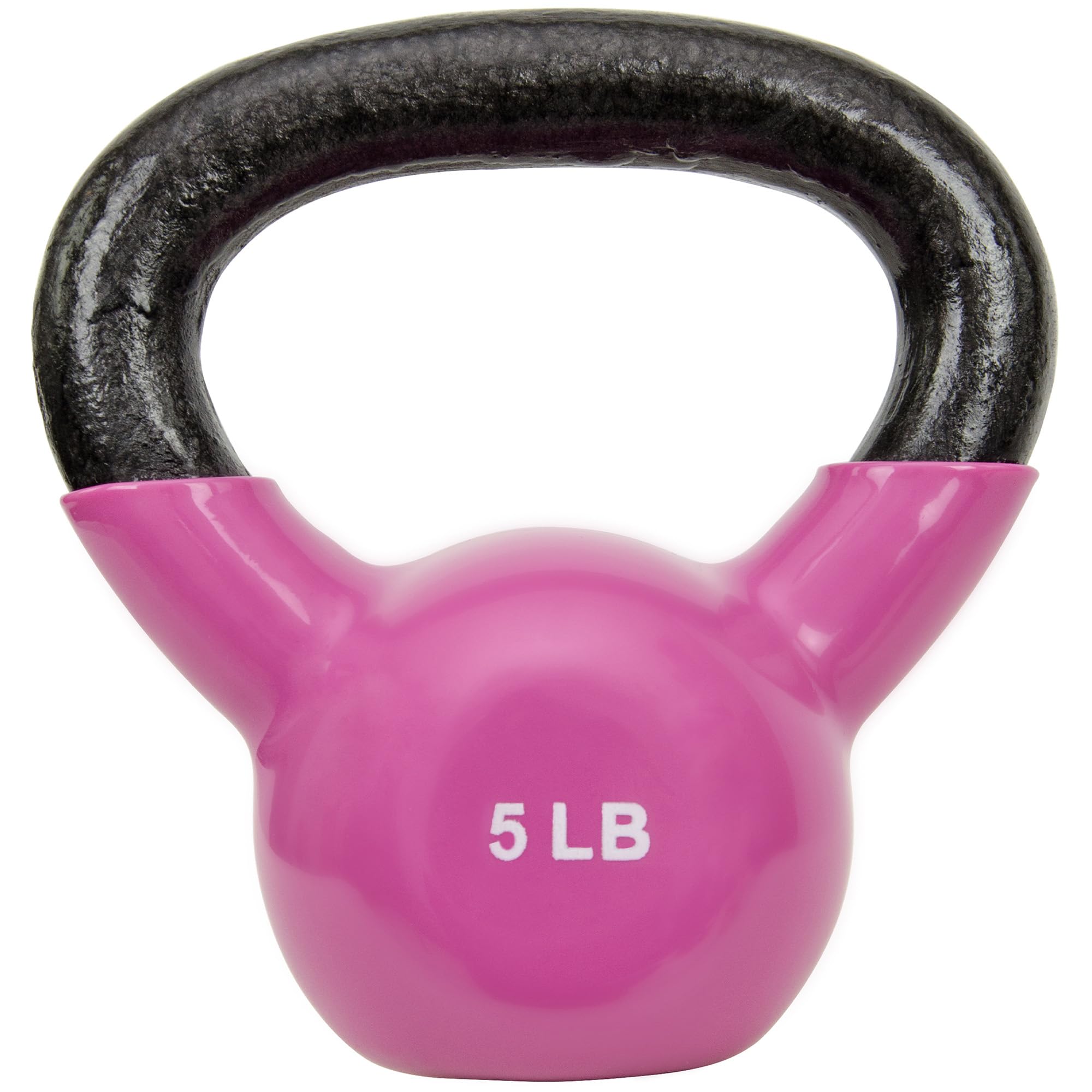
Vinyl Coated Kettlebells
These add a vinyl or neoprene layer over cast iron. The coating protects floors and reduces noise, and the bright colors make weights easy to tell apart. They are great for home use and beginners.
Adjustable Kettlebells
Adjustable bells let you change the weight by moving plates or a selector. They save space and money if you need several weights, although they usually cost more than a single bell and have a larger body shape.
Competition Style Kettlebells
Competition bells keep the same size regardless of weight, which helps with consistent form. They are more expensive and suit serious lifters.
How to Choose the Best Affordable Kettlebells
Weight
Beginners often start with 18 to 26 pounds for women and 26 to 35 pounds for men, then add heavier bells later. Choose a weight you can control with good form. Lighter bells are good for presses and warm ups, while heavier ones suit swings and deadlifts.
Handle
The handle should be wide enough for two hands and smooth enough to avoid blisters. A handle that is too rough tears skin, and one that is too slick can slip when sweaty. A flat, even finish is a good compromise, and chalk helps if you need more grip.
Base and Stability
A flat base keeps the bell steady for push ups, rows, and other floor exercises. Check that the bell does not wobble on the floor.
Finish and Durability
Uncoated iron can rust if stored in damp places, so wipe it after use and store it in a dry area. Coated bells resist chips better, although the coating can scuff over time.
What Your Money Gets You
Under $30
Vinyl coated bells in light weights fall in this range. They suit beginners learning swings and presses. Expect basic finishes and moderate handle quality.
Around $30 to $70
This is the sweet spot for single cast iron bells in 25 to 40 pounds. You get smoother handles, flat bases, and durable finishes from well known fitness brands.
Around $70 to $120
Higher priced bells include premium finishes, larger weights, and sets of several bells. Adjustable models often start in this range.
Safety and Technique
Learn the hip hinge before you swing a heavy bell. Use a clear space, wear stable shoes, and keep a straight back. Start with lighter weights, and add weight gradually. If you have pain, an injury, or a medical condition, talk to a doctor or qualified trainer before starting a new exercise program.
A Starter Routine
Two or three sessions a week are enough to start. Begin with a warm up of hip hinges and bodyweight squats, then practice swings, goblet squats, and presses for a few sets each. Keep rest periods short for conditioning, or longer if you focus on strength.
Technique matters more than weight, so film yourself or use a mirror to check your form. As you gain confidence, add a heavier bell or increase repetitions. Keep a simple log, because tracking weights and sets shows progress and keeps training consistent.
Where to Train
Use a flat, non slip surface with enough clearance for swings. A rubber mat protects floors and gives stable footing. If you train outdoors, avoid wet grass or uneven ground, and dry the bell afterward to prevent rust.
Choosing the Right Weight Plan
Most people are better off owning two or three bells over time. A lighter bell helps with presses, windmills, and warm ups, a medium bell suits goblet squats and rows, and a heavier bell is best for swings and deadlifts. If budget allows only one bell at first, choose a weight you can swing for sets of ten to fifteen with good form.
Remember that kettlebell weights jump in steps, often four to eight pounds, so a bell that feels light today may be perfect after a few weeks of training. Buying the next size up is tempting, but a bell that is too heavy leads to sloppy form and sore joints.
Mistakes to Avoid
- Starting too heavy. Learn the movements with a manageable weight first.
- Ignoring the handle. A rough or narrow handle can cause blisters and a poor grip.
- Training on a hard floor. A mat protects the floor and your joints if a bell is dropped.
- Skipping warm ups. A few hip hinges and squats prepare your body for swings.
Frequently Asked Questions
What weight kettlebell should I start with?
Many beginners start with 18 to 26 pounds for women and 26 to 35 pounds for men. Pick a weight you can swing with good form, and add heavier bells as you progress.
Are vinyl coated kettlebells better than cast iron?
Vinyl coated bells protect floors and reduce noise, while plain cast iron is often cheaper and more durable. Both work well for home training.
Is one kettlebell enough?
One bell covers swings, squats, and carries. A second weight adds variety, since light bells are better for presses and heavier ones for swings.
How do I care for a kettlebell?
Wipe off sweat after use, store it in a dry spot, and check for chips or rough areas. A little care keeps the bell safe and comfortable.
Can adjustable kettlebells replace several bells?
They save space and can replace a rack of bells, although they cost more and have a bulkier shape. They are a good choice if space is tight.
Final Thoughts
Choose a weight you can control, a handle you like, and a finish that suits your floor and storage. Compare the options in the product table above and pick from the best affordable kettlebells that fits your training. For more choices, read our guide to the best kettlebells buy.


