
Best Affordable Elliptical for Home Use: What Actually Matters Before You Buy for 2026
Disclosure: We may earn a commission when you buy through links on this page, at no extra cost to you. As an Amazon Associate I earn from qualifying purchases. Learn more

Use this checklist to judge the best affordable elliptical for home use by stride, space, noise, and build quality before you spend on a home machine.
Budget ellipticals look similar in photos, yet they feel very different once you stand on them. One glides quietly with a natural stride, while another wobbles, squeaks, and fights your knees from the first minute. This guide gives you a clear checklist for judging the best affordable elliptical for home use before money changes hands, so you score each option on performance, build, safety, and value instead of trusting a feature list.
Work through the criteria below in order, measure your room, and then use the product table to check how real options score against the same points.

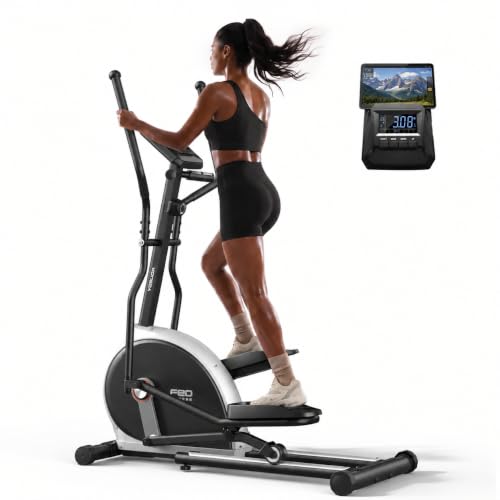


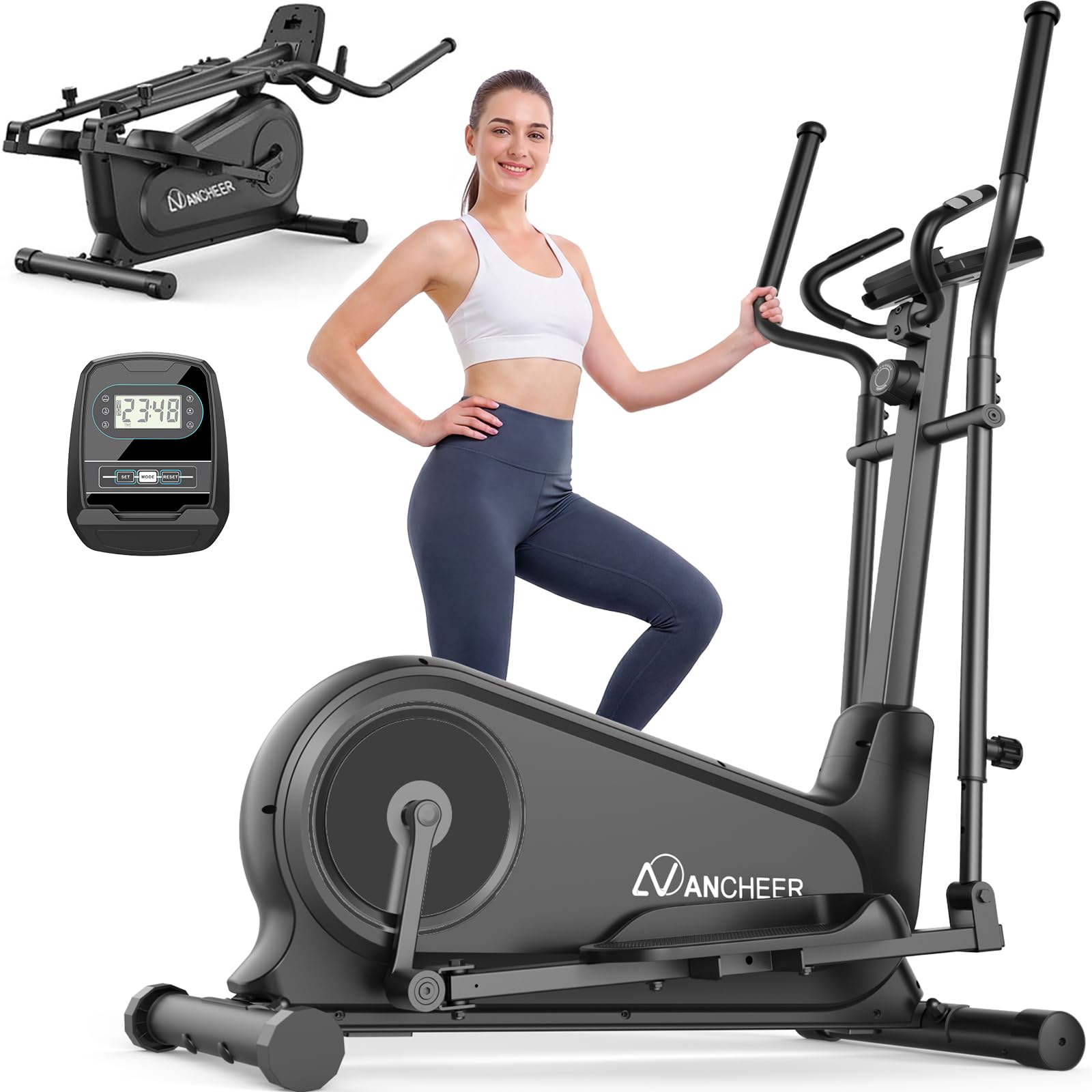
How to Evaluate Ellipticals
Score every machine against six areas: realistic budget value, space, stride and ergonomics, console and connectivity, noise, and resistance. A machine that fails any one area can ruin an otherwise good purchase, because you cannot fix a short stride or a too tall step up height after delivery. Use the thresholds in each section as pass or fail lines when you compare listings.
What You Can Realistically Get on a Budget
Around $300 to $600 is the working range for a solid starter elliptical, and around $600 to $900 buys a noticeably sturdier frame and smoother drive. At the lower end, expect a basic console, fewer programs, and a shorter warranty. What you should never accept at any price is a flexing frame, a stride that feels like stair climbing when you want a glide, or a weight capacity close to your own weight. Spend first on frame, stride, and flywheel feel, and let screens and extras come last.
Space, Footprint, and Ceiling Height
Measure the floor space and the ceiling before you fall for any listing. Most home ellipticals need a footprint of roughly two feet by five feet, plus clear space behind the pedals for safe mounting. Ceiling height matters more than buyers expect, because your height on the pedals adds about 12 to 15 inches at the top of the stride. Add your height, the pedal height, and that rise together and compare the total with your ceiling. Foldable designs and models with transport wheels help in small rooms, but confirm the folded size in writing rather than guessing from photos.
Stride Length, Range of Motion, and Ergonomics
Stride length decides whether the motion feels like walking, jogging, or marching in place. Most adults between five feet three inches and six feet tall do well with an 18 to 20 inch stride, while shorter users often prefer 16 to 18 inches and tall users may need 20 inches or more. Pedals should sit close together, since wide pedal spacing strains hips over long sessions. Handlebars should let you stand tall with soft elbows, not hunch forward. If several people in the home will share the machine, favor the stride that suits the tallest regular user.
Console, Programs, and App Connectivity
A good budget console shows time, distance, speed, calories, and resistance level at a glance, without a subscription. Built in programs that vary resistance for you add variety and help new users progress. Bluetooth links to fitness apps can log workouts and keep motivation up, but check whether the useful features sit behind a monthly paywall. A tablet ledge and a USB charging port cost little and add real daily convenience. Judge the console by what you will use weekly, not by screen size alone. Shoppers who want deeper comparisons can read our guide to the best rated elliptical for home use alongside this checklist.
Noise Level for Apartments
Magnetic resistance is the quiet option, because nothing rubs against the flywheel to make sound. Most noise complaints come from loose bolts, rocking on uneven floors, and worn joints rather than the drive itself. A thick mat under the machine steadies it and protects the floor below. If you live above neighbors, plan workouts at civil hours and try the machine on the mat during the return window. A quiet machine that you can use early in the morning is worth more than a louder one with a bigger screen.
Resistance Type and Range
Magnetic resistance is the standard to look for, since it changes smoothly, needs little upkeep, and pairs well with program control. Look for at least 16 levels, and 24 levels gives finer steps for gradual progress. Air and hydraulic systems appear on some low price models, but they often feel uneven and can limit workout variety. What matters most is the gap between the easiest and hardest settings. Beginners need a truly easy first level, and fit users need a top level they cannot max out in the first month.
Three Profiles That Pass the Checklist
Instead of chasing names, match your needs to one of three profiles. Each profile below describes what a passing machine looks like at that level, so you can test any listing in the product table against it.
Balanced Profile for Most Homes
This profile pairs an 18 to 20 inch stride, magnetic resistance with at least 16 levels, and a steel frame rated well above the heaviest user in the home. The console covers the core stats and a handful of programs without needing a subscription. It suits one or two regular users who train three to five times a week for general fitness. The limit to accept is a modest screen and basic app support. If a listing meets every point here around $500 to $700, it passes the checklist for most households.
Value Profile for Tight Budgets
The value profile keeps the frame, stride, and magnetic drive, and trims the console to essentials. Expect fewer programs, a smaller display, and manual or simple electronic resistance control. Around $300 to $500, this is the smart buy for a single user starting a routine who is unsure how often they will train. The known limit is a shorter parts warranty, so check that term closely and keep the receipt and serial number in a safe place. Never trade frame stability for a larger screen at this price.
Heavy Use Profile for Shared Homes
When two or more people will train daily, or a user is near the top of standard weight ratings, step up to the heavy use profile. Look for a weight capacity of 300 lb or more, a heavier flywheel for a smoother feel at high effort, and a parts warranty of at least three years. Around $700 to $900, this tier buys thicker steel, better bearings, and pedals that stay tight under real loads. The limit is size and weight, since these machines are harder to move and rarely fold. Readers planning that level of use may also compare our guide to the best rated elliptical machines for home use.
Quick Buyer Checklist
Answer each question honestly before you order. A single no does not always end a purchase, but it should make you pause and check the listing again.
- Does the stride length match the height of every regular user?
- Is the weight capacity at least 50 lb above the heaviest user?
- Does the room fit the footprint plus safe space behind the pedals?
- Is the ceiling high enough for the tallest user at full stride?
- Is the resistance magnetic with at least 16 levels?
- Can you use the core console features without a subscription?
- Does the warranty cover parts for at least two years?
- Is there a return window long enough to try the machine at home?
Red Flags to Watch For
Walk away when a listing hides its stride length or weight capacity, because strong sellers publish both numbers proudly. Treat a parts warranty under one year as a warning about build quality. Be wary of reviews that praise a machine in vague terms with no mention of assembly, noise, or stride feel, since real owners mention those details. Avoid models with no clear United States parts or service contact. Finally, distrust any budget machine that leads with a huge screen while saying little about frame steel or flywheel weight. For a trainer focused comparison, see our guide to the best elliptical trainer for home use.
How to Make Your Elliptical Last Longer
Place the machine on a mat to protect floors, cut vibration, and reduce noise for the room below. Wipe down the pedals, rails, and handlebars after each workout, because dried sweat corrodes metal and grips. Tighten the main bolts monthly during the first season, since new machines settle as parts bed in. Keep the area around the drive housing free of dust, and follow the manual for any lubrication points rather than spraying products at random.
Ellipticals: Your Questions Answered
Which elliptical type is better for beginners?
A front drive or rear drive magnetic model with a simple console is better for beginners because the motion feels stable and the controls stay obvious. Start with low resistance and short sessions, then raise one variable at a time. A machine with a few guided programs also helps, since it removes guesswork while you build the habit during the first month.
How long does a home elliptical last?
A well kept budget elliptical usually lasts about five to eight years of regular home use. Frame life often exceeds the life of electronic parts and pedal wear items. Longevity rises sharply when you respect the weight capacity, keep bolts tight, and store the machine in a dry room rather than a damp garage.
Is an elliptical quiet enough for an apartment?
Yes, a magnetic elliptical on a thick mat is quiet enough for most apartments, producing a soft hum rather than impact noise. Most sound travels through the floor as vibration, so the mat and tight bolts matter more than the drive brand. If your floor flexes, place the machine near a load bearing wall for a steadier base.
Is a subscription required to use a home elliptical?
No, a subscription is not required on most budget models, and the core workout should never depend on one. Some brands lock extra classes and advanced tracking behind a monthly fee while the built in programs stay free. Before you buy, confirm in the listing which features work with no account at all, so a lapsed subscription never leaves you with a crippled console.
How much space does a home elliptical need?
Plan for the machine footprint plus about two feet of clear space behind it and a foot on each side. Most models need a patch of floor roughly three feet by seven feet once access space is counted. Also check the door width on the delivery path, because a machine that fits the room but not the doorway helps no one.
Final Thoughts: Best Affordable Elliptical for Home Use
Stride fit, frame strength, and honest resistance matter more than any screen, so score those first and let the checklist veto weak listings. Match your household to the balanced, value, or heavy use profile, measure the room twice, and your best affordable elliptical for home use decision becomes straightforward. Compare your finalists in the product table and choose the machine you will still enjoy using on a busy weekday morning.


