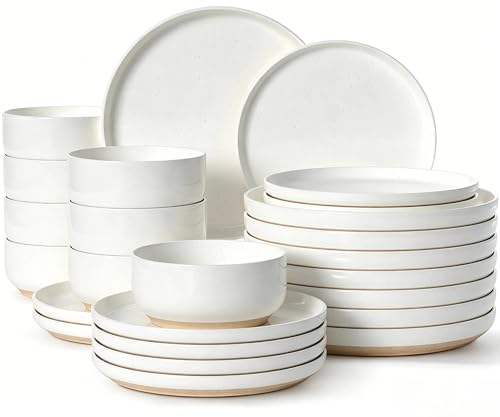
Best Affordable Dinnerware Sets 2026: A Buying Guide
Disclosure: We may earn a commission when you buy through links on this page, at no extra cost to you. As an Amazon Associate I earn from qualifying purchases. Learn more

Compare the best affordable dinnerware sets by material, plate size, piece count and dishwasher care.
A dinnerware set turns every meal into something a little more pleasant, and the best affordable dinnerware sets do that while surviving daily use, dishwashers and the occasional drop. The right set matches your table, your cooking style and your cleaning routine, so you are not replacing plates every year. This guide explains the materials, pieces and details that matter, and how to compare sets by value rather than by pattern alone.
The product table below the introduction lists current options. The sections that follow explain who each type suits and what to check before you order.



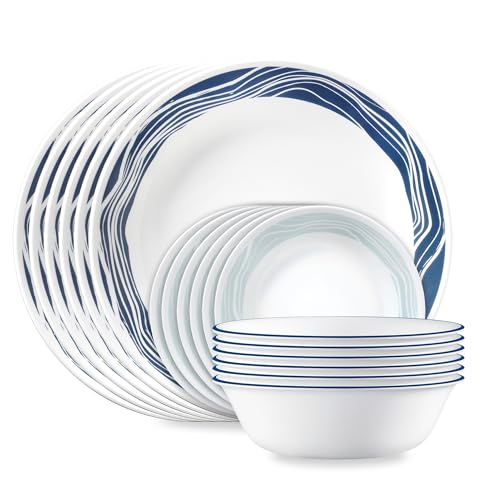

Who Affordable Dinnerware Sets Suit
Affordable sets suit first apartments, students, families with children, and anyone replacing mismatched plates. They also suit people who host casual dinners and want a clean, neutral look. If you entertain often, choose a larger set with extra bowls. If you live alone, a service for four may be plenty and leaves space in the cupboard.
Think about your daily habits. Microwave and dishwasher use, children and stacking storage all influence what you should buy.
Key Features Explained in Plain Language
Material: Stoneware, Porcelain, Bone China, Glass and Melamine
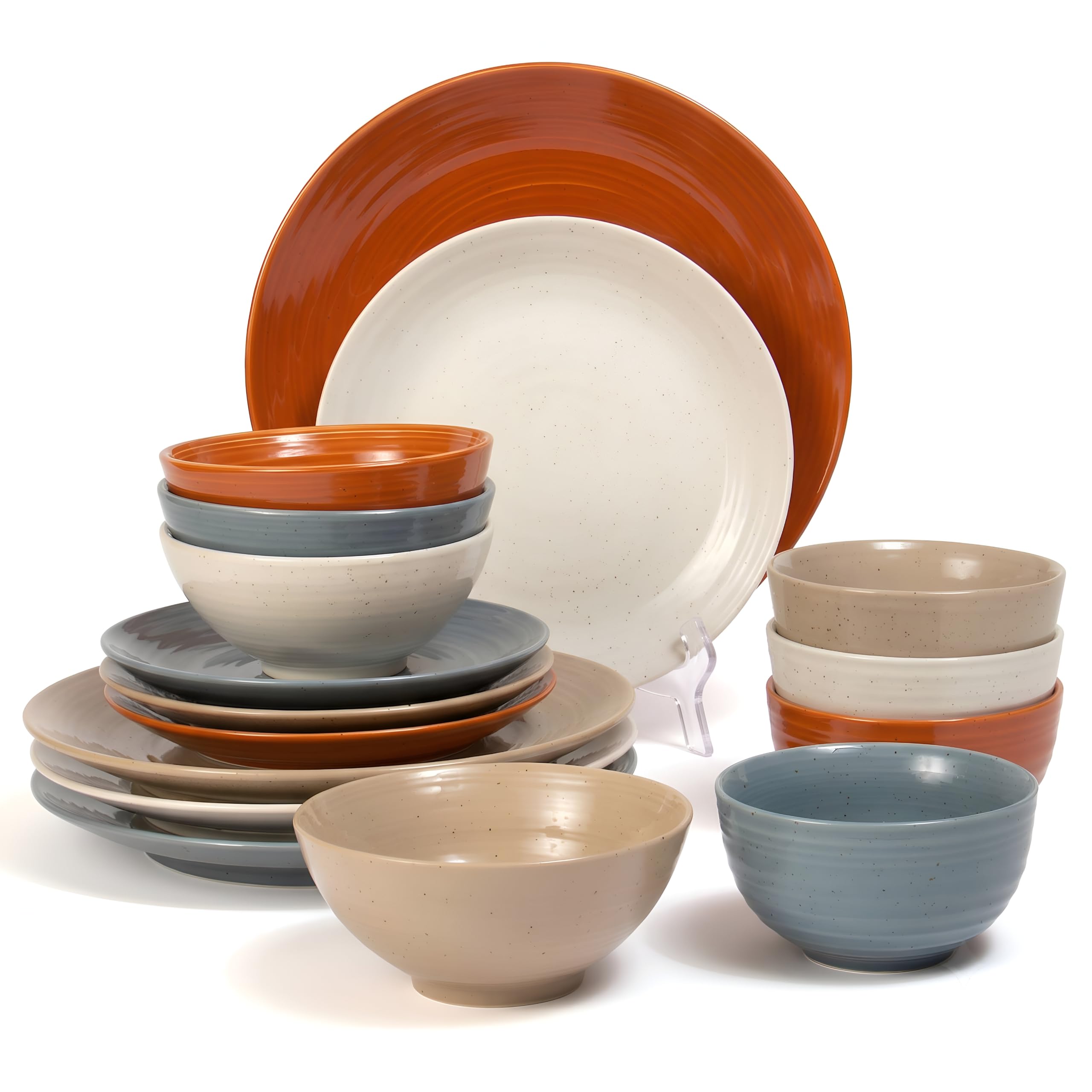
Stoneware is thick and sturdy with a rustic look, and it keeps food warm. Porcelain is thinner and smoother, often with a crisp white finish. Bone china is the lightest and most refined, but it costs more.
Tempered glass dinnerware is very chip resistant and light. Melamine is unbreakable, which suits patios and young children, but it should not go in the microwave.
Set Size and Pieces
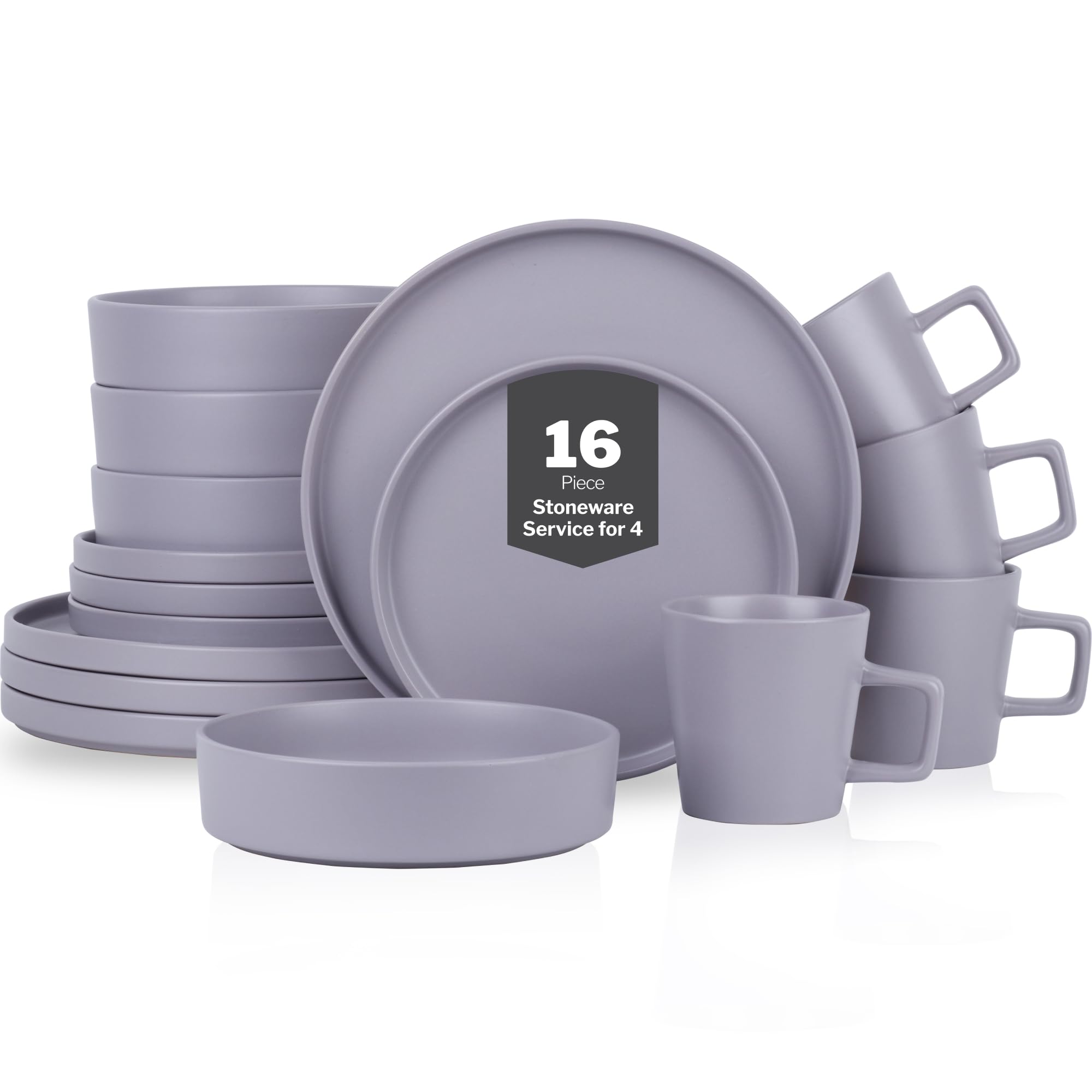
A 16 piece set provides four dinner plates, salad plates, bowls and mugs, enough for a small household. An 18 or 20 piece set adds more variety. Check what is included, since some sets leave out mugs or bowls. Service for four is common, but larger families may want service for six or eight.
Plate Sizes and Bowl Depth
Dinner plates around 10 to 11 inches suit most meals. Bowls should be deep enough for pasta, soup and cereal. Very wide rims reduce usable space and make plates harder to store.
Chip Resistance and Durability
Thicker stoneware and tempered glass resist chips better than thin porcelain. Rounded edges and a durable glaze help. Stacking plates carefully and avoiding sudden temperature changes extend life.
Dishwasher and Microwave Safety
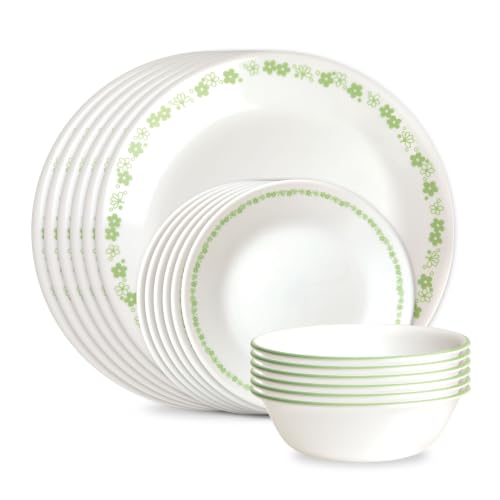
Most sets are labeled dishwasher and microwave safe, but check the details. Metallic trim should not go in the microwave, and hand washing keeps patterns bright longer.
Spending Smart: Where Your Money Goes Furthest
Simple white or neutral sets are easiest to replace and mix with other pieces, so they offer the best long term value.
- Under $50: basic sets in glass, melamine or simple stoneware, good for casual use.
- $50 to $100: sturdier stoneware and porcelain with better glazes.
- $100 to $150: finer porcelain and bone china with refined shapes.
When you compare the best affordable dinnerware sets, check the piece count and plate sizes before the pattern. A slightly higher price for thicker, chip resistant pieces often saves money over time.
Care and Everyday Use
Rinse food off before loading the dishwasher, and avoid stacking heavy items on top of plates. Let hot dishes cool before washing, since sudden temperature changes can crack ceramic. Hand wash decorated or metallic trim pieces. Store plates with felt or paper dividers if you want to protect the glaze.
Keep a few extra bowls or mugs on hand if your set is small, since those items break first.
Mistakes to Avoid
- Buying for pattern alone and ignoring plate size and thickness.
- Choosing too few pieces for the number of people in your home.
- Putting metallic trim in the microwave, which can damage both plate and oven.
- Forgetting storage, since wide or thick plates may not fit your cupboard.
- Skipping the return policy, which helps if a color looks different at home.
Related Guide
If you want to see how finer sets compare, read our guide to the best quality dinnerware sets, which covers bone china, heavier stoneware and larger services.
Choosing by Household
A single person or couple can do well with service for four, which gives enough plates for a dinner guest and a spare for dishwasher cycles. Families with children should look for a larger set or buy a second set of bowls and mugs, since those pieces see the most use. If you host holidays, a service for eight and a few serving bowls cover most gatherings.
Children also change what works. Rounded edges and tougher materials such as tempered glass or stoneware survive drops better than thin porcelain. Melamine can suit patio meals and picnics.
Mixing, Matching and Storing
Neutral sets are easy to extend with extra plates or bowls later, and they mix well with colored serving pieces or table linens. White and cream hide scratches less than speckled glazes, so consider your tolerance for marks. Stack plates in groups of six to eight to avoid pressure on the bottom pieces, and store bowls nested rather than upside down on shelves.
Measure shelf height before you order, especially if you plan to stack tall piles of dinner plates.
Questions to Ask Before You Order
Ask how many people you serve on a normal night, whether you need bowls deep enough for soup, and whether your dishwasher and microwave are suitable for the material. Check the listed plate diameters against your cupboards. Confirm how pieces are packed, because ceramic can arrive chipped, and read the return terms.
Look at the glaze and the rim in customer photos. A smooth rim and an even glaze are signs of careful production and they clean more easily.
Finally, consider how long you want the set to last. If you plan to keep it for many years, choose a classic shape and color that will not feel dated.
Everyday Care Tips
Avoid scouring pads on glazed surfaces, and let hot plates cool before rinsing them with cold water. Check the dishwasher rack spacing so plates do not knock together during cycles.
Replace chipped pieces promptly, since chips can harbor bacteria and grow into cracks.
Frequently Asked Questions
Which dinnerware material lasts longest?
Tempered glass and thick stoneware tend to last well in daily use. Melamine is nearly unbreakable but should not go in the microwave.
How many pieces do I need?
A service for four with 16 pieces suits most small households. Larger families should look for service for six or eight, or buy extra bowls.
Are dinnerware sets dishwasher safe?
Most are, but check the product details. Decorated or metallic trim often needs hand washing.
Can I microwave dinnerware?
Plain stoneware, porcelain and glass usually can be microwaved. Avoid metallic trim and melamine.
How do I stop plates from chipping?
Choose thicker materials, stack plates carefully, and avoid sudden temperature changes. Use felt dividers if you store plates in tall stacks.
Final Thoughts
Pick the material that suits your habits, count the pieces you need, and check plate sizes against your storage. Compare the picks in the product table above, and choose the best affordable dinnerware sets that look good on your table and survive daily meals. A sturdy, simple set that works with everything you cook is one of the most useful buys for a kitchen.